

What is an RF Power Amplifier? Global Applications, Benefits, and Trends
Understanding RF Power Amplifiers: Backbone of Wireless Communication
At a glance, RF power amplifiers might sound like niche components, but their impact ripples across countless industries worldwide. From boosting signal strength for your smartphone calls to powering crucial radar systems, these devices are everywhere—even if we seldom notice. Understanding what an rf power amplifier actually is, why it matters globally, and how to use it effectively can unlock big benefits in communications, defense, and industrial applications.
Global Relevance: Why RF Power Amplifiers Matter So Much
In an increasingly connected world, the demand for faster, more reliable wireless networks is insatiable. According to the International Telecommunication Union (ITU), global mobile data traffic is expected to reach 150 exabytes per month by 2026. RF power amplifiers are critical enablers in this ecosystem—they strengthen weak radio signals so devices can communicate over greater distances without sacrificing quality.
Yet, challenges like power consumption and heat dissipation plague traditional amplifier designs. In sectors like disaster relief or remote exploration—where infrastructure is minimal—getting power amplification right is not just technical; it can be lifesaving.
Defining the RF Power Amplifier
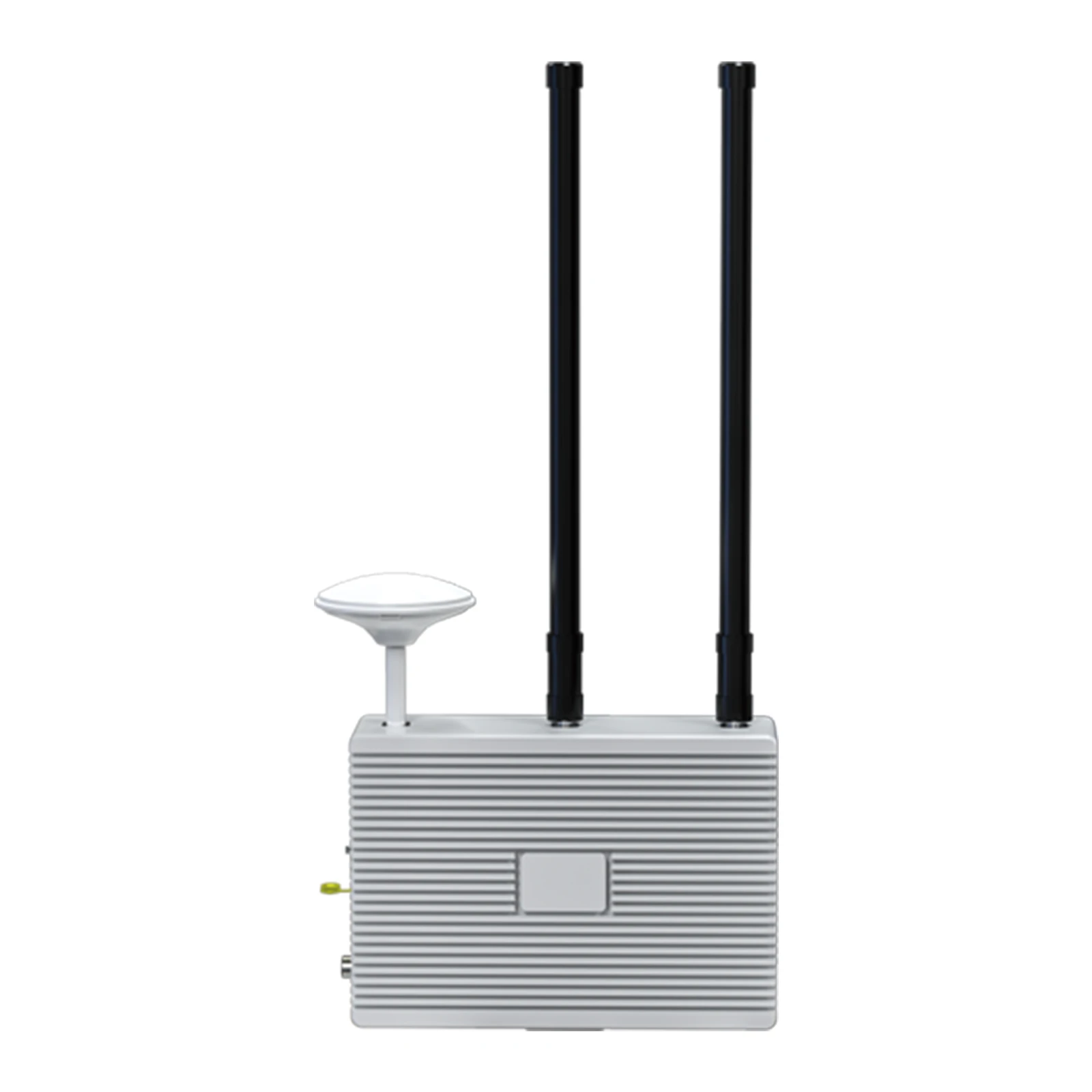
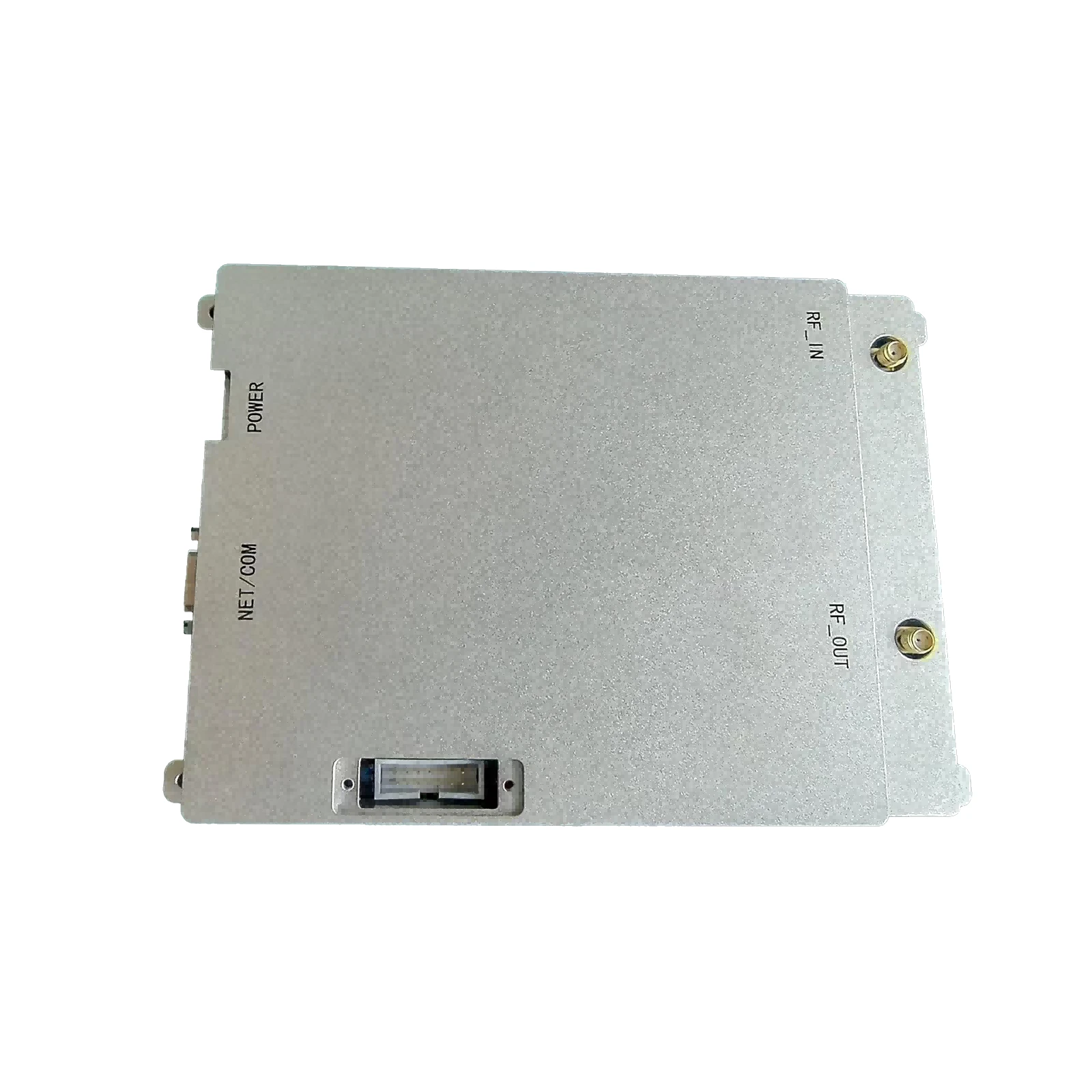
Simply put, an rf power amplifier is an electronic device that boosts the power level of radio frequency signals. Imagine whispering across a noisy room; the amplifier raises your voice so someone at the other end can hear you clearly. In technical terms, it increases signal amplitude to ensure effective transmission — without introducing too much distortion or noise.
Industrially, these amplifiers are essential for wireless communication towers, satellite transceivers, radar installations, and even some medical imaging equipment. For NGOs operating in humanitarian relief, they enable mobile base stations in areas where no communication infrastructure exists.
Key Factors in RF Power Amplifiers
- Efficiency: Converts electrical power into radio waves with minimal loss, which is crucial for battery-operated and mobile systems.
- Linearity: Maintains signal integrity to avoid interference, important for complex modulation schemes in modern communication.
- Frequency Range: Different applications require amplifiers tuned to specific bands—microwave radar needs GHz, while IoT devices might focus on lower frequencies.
- Power Output: Determines the range of communications; higher power means longer reach but often increased heat dissipation.
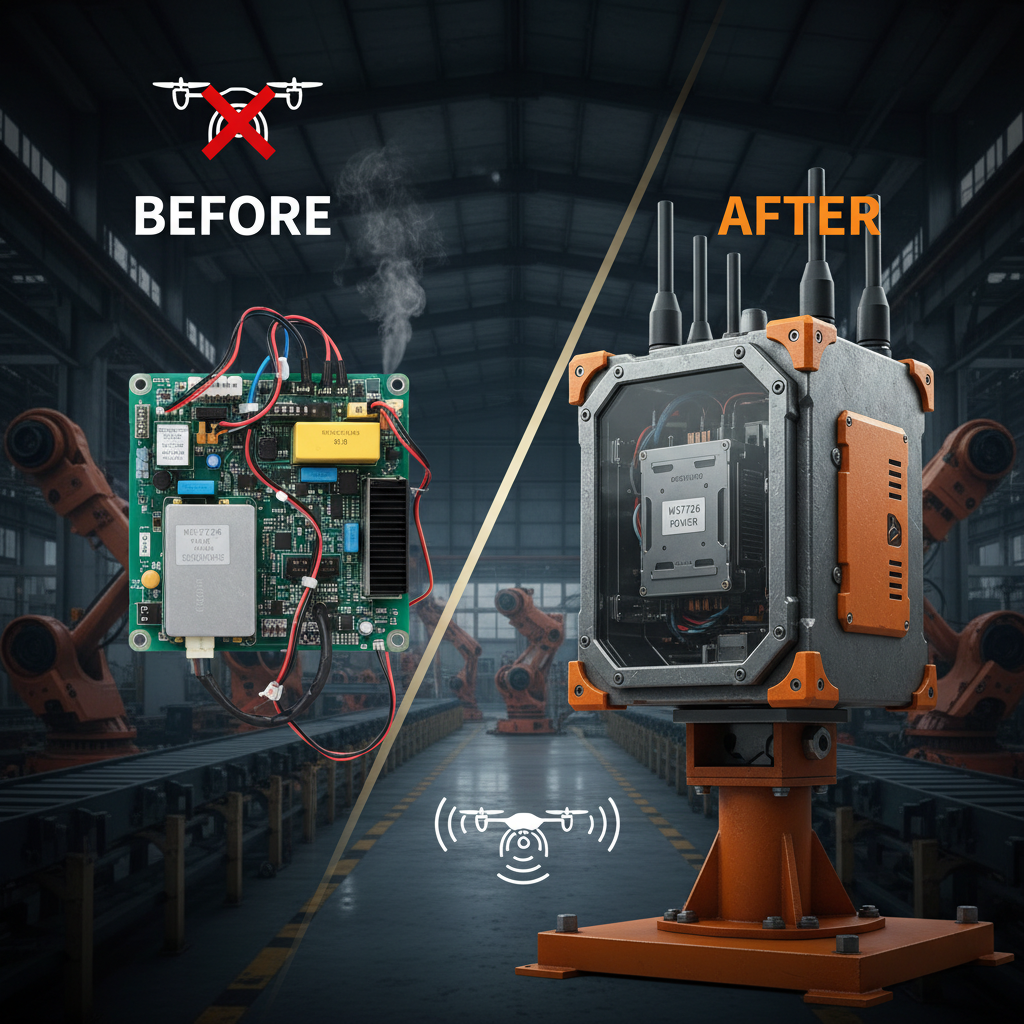
- Thermal Management: Because inefficiencies generate heat, good design includes heatsinks or cooling methodologies to prevent damage.
- Durability: Especially in harsh environments (think deserts or disaster zones), amplifiers must withstand temperature extremes and vibrations.
These factors dictate which amplifier suits a given application. For example, a telecom tower prioritizes efficiency and power output, while a satellite system demands ultra-linear, high-frequency performance.
Product Specification Table: Typical RF Power Amplifier Parameters
| Parameter | Value / Range | Notes |
|---|---|---|
| Operating Frequency | 100 MHz – 6 GHz | Varies per application |
| Output Power | 0.5 W – 100 W | Higher power needs better cooling |
| Efficiency | 30% – 70% | Depends on class of amplifier |
| Linearity (IP3) | +20 dBm to +45 dBm | Critical for complex modulations |
| Operating Temperature | -40°C to +85°C | Industrial-grade designs |
Global Applications and Use Cases
RF power amplifiers power a spectrum of global needs. For example:
- Telecommunications: Cell towers use them to extend mobile coverage in urban and rural locations alike.
- Defense: Radar and secure communication systems rely on high-performance amplifiers to detect threats and maintain secure data links.
- Space Exploration: Satellites and deep-space probes include RF power amplifiers to send data across millions of kilometers.
- Humanitarian AoR: NGOs deploy mobile communication units, enabled by rugged amplifiers, to restore connectivity after natural disasters.
- Industrial IoT: Factories and utilities employ RF amplifiers to support wireless sensor networks in remote or harsh areas.
Oddly enough, even everyday devices like your car’s key fob carry mini RF amplifiers to ensure signal reaches the vehicle’s receiver.
Advantages and Long-Term Value
Investing in high-quality RF power amplifiers brings several practical benefits:
- Cost Efficiency: Improving amplifier efficiency lowers energy costs and helps devices run longer on limited power sources.
- Sustainability: Advanced materials and designs reduce heat waste and environmental impact.
- Reliability: Durable amplifiers minimize downtime—a must for critical infrastructure and emergency services.
- Innovation: High-performance amplifiers push the boundaries of wireless technology and connectivity speeds.
- Trust & Safety: For end-users, good signal quality means reliable voice calls, data services, and operational safety.
Many engineers I’ve spoken to emphasize how “it feels like magic” when an amplifier lets communication flow flawlessly where previously there was silence.
Future Trends & Innovations
The RF amplifier space is evolving fast. Noteworthy trends include:
- GaN Technology: Gallium Nitride semiconductors are enabling higher power and efficiency than traditional silicon components.
- Software-Defined Radio (SDR): Adaptable amplifiers that dynamically handle multiple frequencies and protocols.
- Green Energy Alignments: Integration with solar and battery systems to power telecom in off-grid sites sustainably.
- Miniaturization & Integration: Smaller, lighter amplifiers embedded directly in modules for IoT and 5G devices.
Certainly, balancing cutting-edge performance with cost and thermal constraints remains a tightrope walk.
Challenges & Solutions
While enormously useful, RF power amplifiers face a handful of ongoing issues:
- Heat Dissipation: High power equals heat buildup; innovative materials and cooling are a must.
- Linearity vs Efficiency Tradeoff: Amplifiers struggle to be both efficient and signal-clean at once.
- Cost: Advanced materials like GaN are pricier, affecting accessibility for smaller deployments.
- Frequency Band Limits: Need for multi-band support to accommodate growing communication standards.
In response, engineers lean on hybrid amplifier architectures, advanced heat sink designs, and extensive simulation testing to push these boundaries.
Vendor Comparison Table: Leading RF Power Amplifier Manufacturers
| Vendor | Key Feature | Frequency Range | Efficiency | Price Range |
|---|---|---|---|---|
| Qorvo | GaN Amplifiers, High Power | 100 MHz – 6 GHz | Up to 65% | High |
| Analog Devices | Linear Amplifiers for SDR | 200 MHz – 3.5 GHz | 50% – 60% | Medium |
| NXP Semiconductors | Integrated Low-Power Modules | 50 MHz – 1 GHz | 40% – 55% | Low to Medium |
FAQ: Frequently Asked Questions About RF Power Amplifiers
- What factors influence the efficiency of an RF power amplifier?
- The efficiency depends on the amplifier class (A, B, AB, C), semiconductor material (GaN vs silicon), and thermal design. GaN amplifiers typically offer higher efficiency, which reduces power waste and heat.
- How does linearity affect RF amplifier performance?
- Linearity ensures the output signal closely mirrors the input, minimizing distortion. It’s essential for maintaining signal quality, especially with complex modulations used in LTE and 5G.
- Can RF power amplifiers be customized for specific applications?
- Yes. Manufacturers often tailor frequency ranges, power output, and cooling solutions based on client needs—important for sectors from aerospace to humanitarian aid.
- Are RF power amplifiers suitable for off-grid or remote communication setups?
- Absolutely. Rugged, efficient amplifiers combined with renewable power sources enable mobile networks in disaster-hit or unserved areas.
Conclusion and Call to Action
In sum, RF power amplifiers are the silent workhorses that keep global wireless communications humming—connecting people, enabling innovation, and supporting critical applications worldwide. Whether you’re a telecom engineer, defense planner, or humanitarian coordinator, choosing the right amplifier design can mean the difference between failure and flawless communication.
If you want to learn more about how to select and implement rf power amplifier technology for your specific needs, visit our website for expert insights and product solutions.
Thanks for sticking with me through this journey — these components might be small, but the impact? Huge.
Final Thought: Sometimes the quietest devices are what build our strongest connections.
References

-
 09 March 2021 16 Apr 2026
 -
 09 March 2021 09 Apr 2026
 -
 09 March 2021 07 Apr 2026
 -
 09 March 2021 04 Apr 2026
 -
 09 March 2021 31 Mar 2026
-
 09 March 2021 21 May 2025
 -
 09 March 2021 25 Dec 2024
 -
 09 March 2021 14 Oct 2022
-
 09 March 2021 25 Dec 2024

 English
  Arabic
  Belarusian
  Danish
  Dutch
Dutch  French
  German
  Greek
Greek  Japanese
  Korean
  Myanmar
  Polish
  Portuguese
  Russian
  Spanish
  Swedish
  Thai
Thai  Ukrainian
  Vietnamese