

Why choose grf5536 RF power amp: high efficiency, wideband?
Field Notes: Wideband GaN PAs, the Jammer Angle, and Why Engineers Keep Asking About [grf5536]
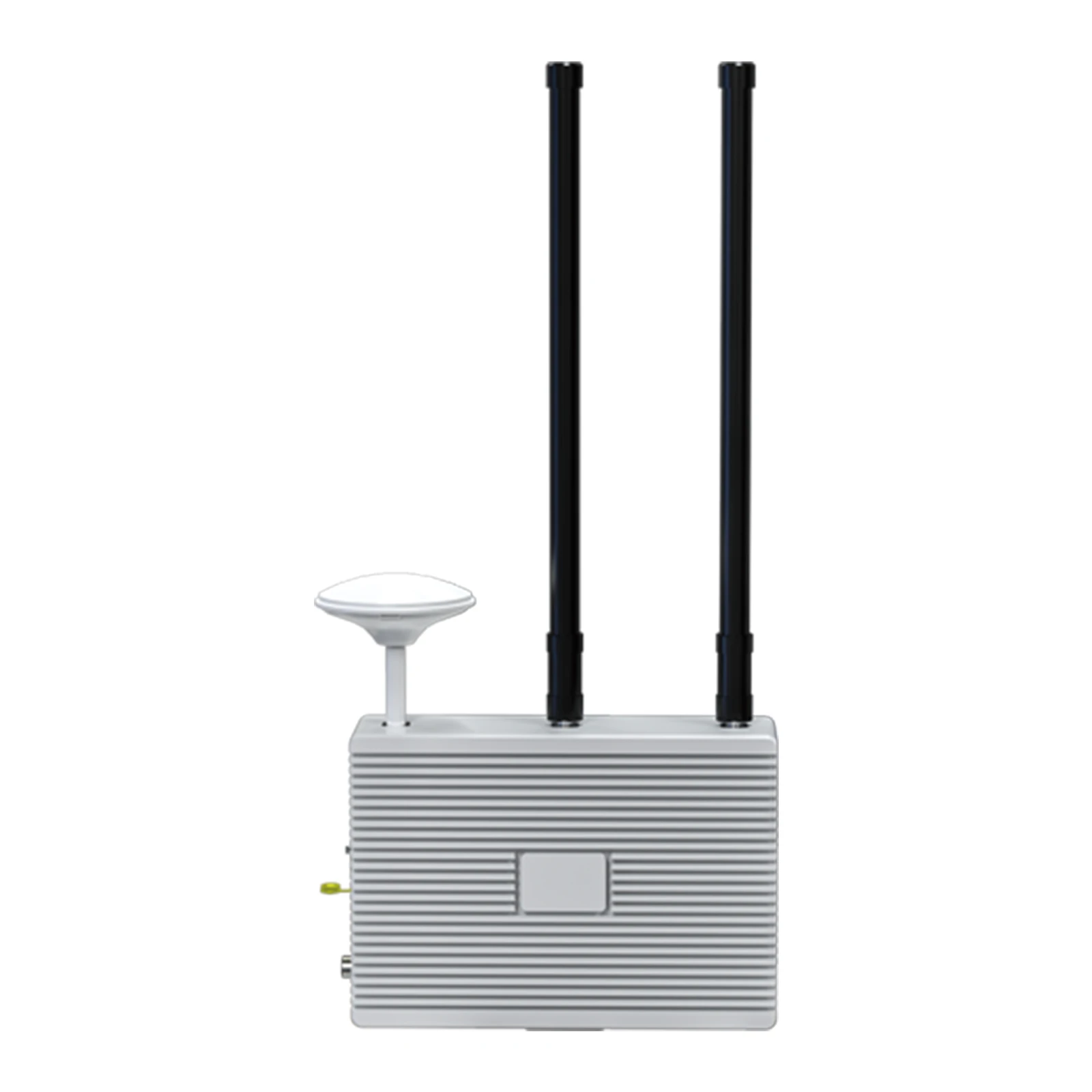
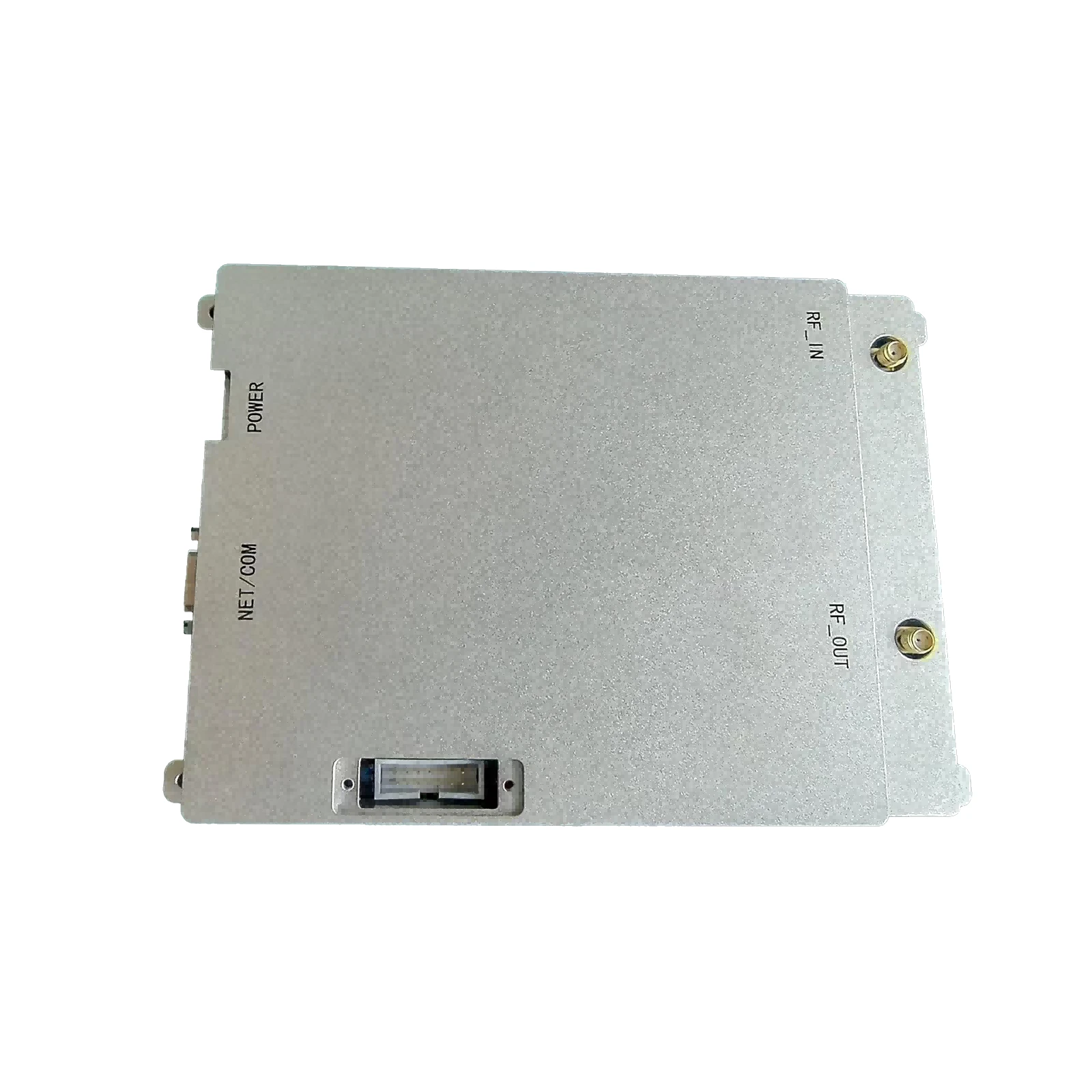
If you work in RF, you’ve probably seen a lot of chat about wideband GaN power amps lately. To be honest, I get it. Teams are juggling comms, EW-lite test setups, and EMC work with shrinking timelines. The 100~6200MHz 100W High Gain Solid State High GaN Power Amplifier from Longgang District, Shenzhen (a PA&Jammer module) is one of those “does more than you expect” blocks that keep coming up when people search for [grf5536] alternatives. Different part family, yes, but the brief is similar: clean gain, stout protection, and real-world durability.
Industry Trend, in a Nutshell
Wideband GaN modules covering 0.1–6.2 GHz are replacing patchwork benches of banded PAs. It’s not just about power; it’s about predictable thermal behavior and fast delivery. Actually, deployment teams tell me they prefer one box that does VHF/UHF/L/S/C with reasonable linearity, then filter as needed. Surprisingly, many customers say reliability and protections matter more than squeezing 1–2 dB extra gain.
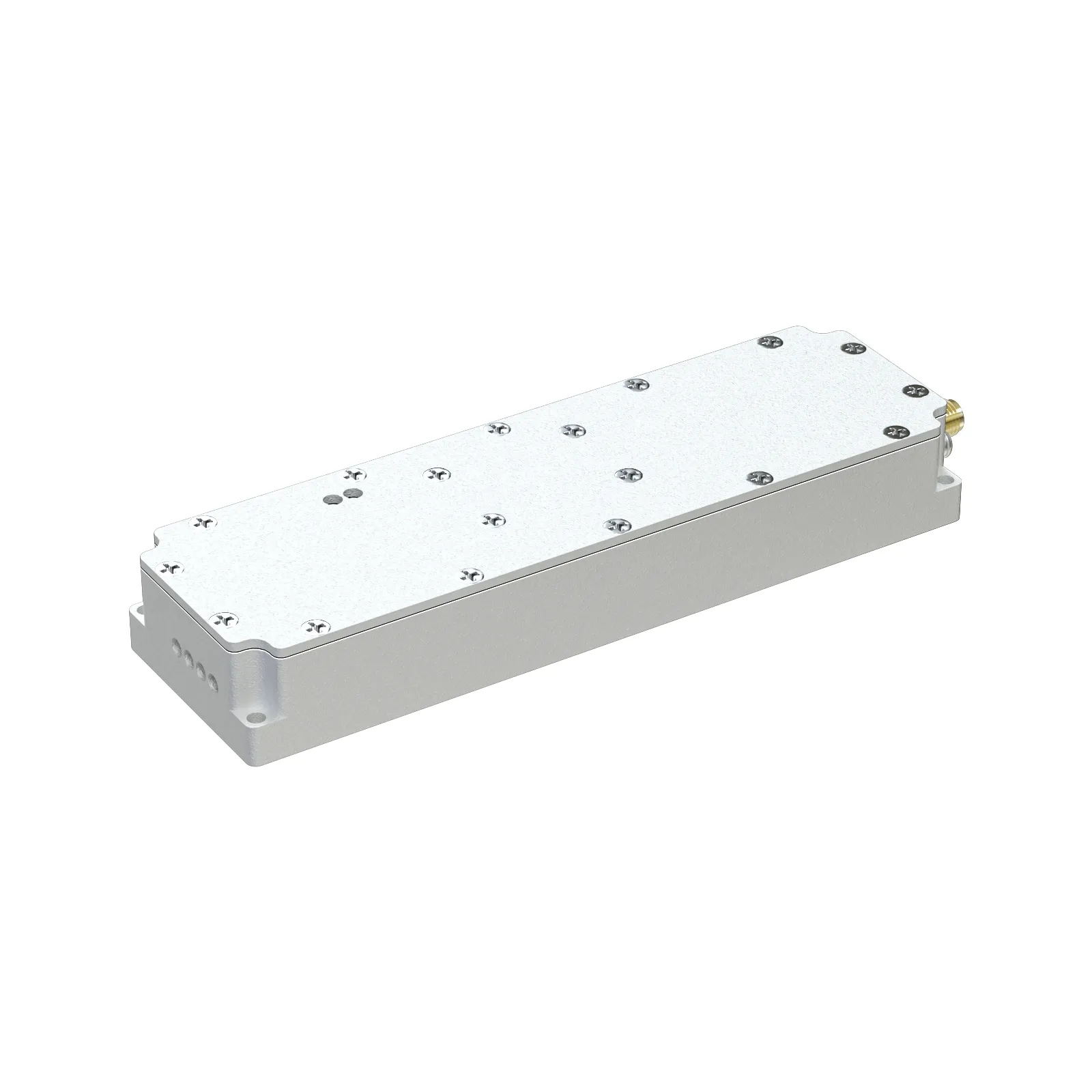
A compact, high-gain GaN PA module used in PA&Jammer roles (where permitted by law). Origin: Longgang District, Shenzhen.
Technical Snapshot
| Parameter | Typical / Notes |
|---|---|
| Frequency Range | 100–6200 MHz (single module) |
| Output Power | ≈100 W Pout (real-world use may vary by band) |
| Gain | ≈50 dB high gain architecture |
| Efficiency (PAE) | ≈35–45% band-dependent |
| Supply | 28 VDC nominal; peak current ≈8.5–12 A at full power |
| VSWR Tolerance | Up to 3:1 with built-in protection |
| Protections | Over-temp, over-current, reverse power, input overdrive |
| I/O & Control | N-type/SMA (configurable), TTL enable, optional AGC/ALC |
| Cooling | Conduction base + fan tray (options); thermal pad interface |
Materials, Methods, and Testing
Core device uses GaN-on-SiC for high junction temperature tolerance and ruggedness. Manufacturing follows IPC/JEDEC handling; assemblies are burn-in screened. Environmental testing is typically aligned to IEC 60068-2 and selected MIL‑STD‑810 procedures for vibration/thermal cycling. Service life? In continuous operation with proper heatsinking, teams report ≈50,000 hours MTBF-class behavior. I guess the point is: thermal design wins.
Applications (PA & Jammer)
- Drone countermeasures and spectrum denial drills (where legal).
- EMC test benches, immunity stress, pre-compliance work.
- Backhaul links, tactical radios, and test transmitters across VHF to C-band.
- University labs needing one wideband PA instead of five narrowband bricks.
Vendor Landscape (quick compare)
| Vendor / Model | Power | Bandwidth | Customization | Lead Time |
|---|---|---|---|---|
| Shenzhen 100–6200MHz GaN PA | ≈100 W | 0.1–6.2 GHz | High (connectors, AGC/ALC, heatsink) | Short, project-dependent |
| Competitor A (wideband GaN) | 80–100 W | 0.2–6.0 GHz | Medium | 8–12 weeks |
| Competitor B (modular PA) | 100 W | Band-split modules | Low–Medium | Stock-dependent |
Customization & Integration
Options include filtered outputs for harmonic suppression (≈-30 dBc typical with external filtering), detachable fan plate, ruggedized enclosure, and telemetry (temp, current, forward/reverse power). Many customers say the simple TTL enable with optional analog gain control is the make-or-break feature.
Case Notes
- A drone-defense integrator swapped three narrowband bricks for this single wideband unit; field logs showed fewer thermal throttles and faster band shifts.
- A university EMC lab reported consistent 10 V/m field-strength sweeps across sub‑6 GHz after adding better ducted airflow—small change, big win.
Compliance, Testing, and Safety
Testing aligns with IEC 60068-2 for environment and selected MIL‑STD‑810 procedures. For emissions and coexistence, projects reference FCC Part 15 (unintentional/intentional radiators) and ETSI/CE frameworks. Jamming use is restricted; deploy only where authorized. For those evaluating [grf5536]-class parts against this module: check thermal headroom first, then linearity vs. filtering—order matters.
Citations
- Qorvo. GaN Reliability Overview. https://www.qorvo.com/innovation/gan/reliability
- IEC 60068-2 Environmental Testing (General). https://webstore.iec.ch/
- MIL-STD-810H Environmental Engineering Considerations (summary). https://assist.dla.mil/
- FCC 47 CFR Part 15 – Radio Frequency Devices. https://www.ecfr.gov/current/title-47/part-15

-
 09 March 2021 16 Apr 2026
 -
 09 March 2021 09 Apr 2026
 -
 09 March 2021 07 Apr 2026
 -
 09 March 2021 04 Apr 2026
 -
 09 March 2021 31 Mar 2026
-
 09 March 2021 21 May 2025
 -
 09 March 2021 25 Dec 2024
 -
 09 March 2021 14 Oct 2022
-
 09 March 2021 25 Dec 2024
 English
  Arabic
  Belarusian
  Danish
  Dutch
Dutch  French
  German
  Greek
Greek  Japanese
  Korean
  Myanmar
  Polish
  Portuguese
  Russian
  Spanish
  Swedish
  Thai
Thai  Ukrainian
  Vietnamese