

A Comprehensive Guide About RF Module Technology and Its Diverse Applications
Understanding About RF Module Technology
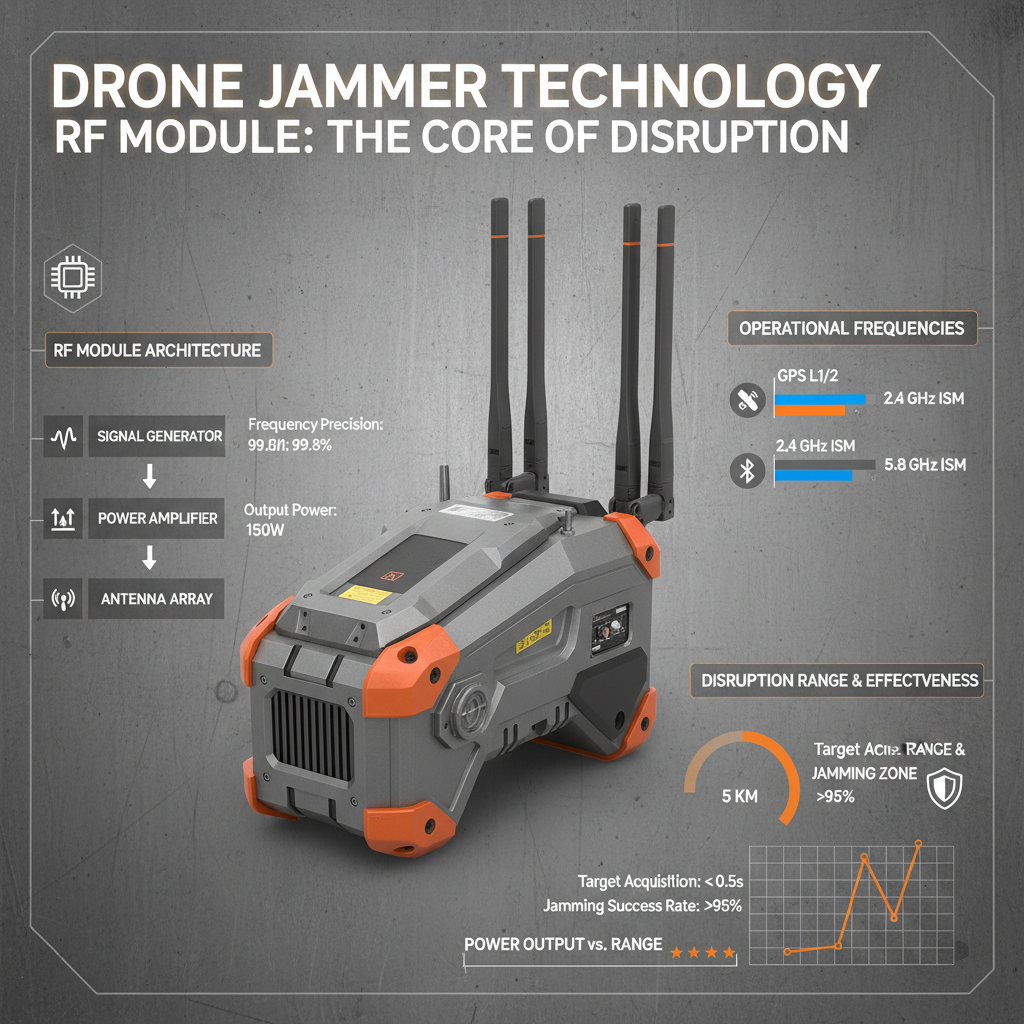
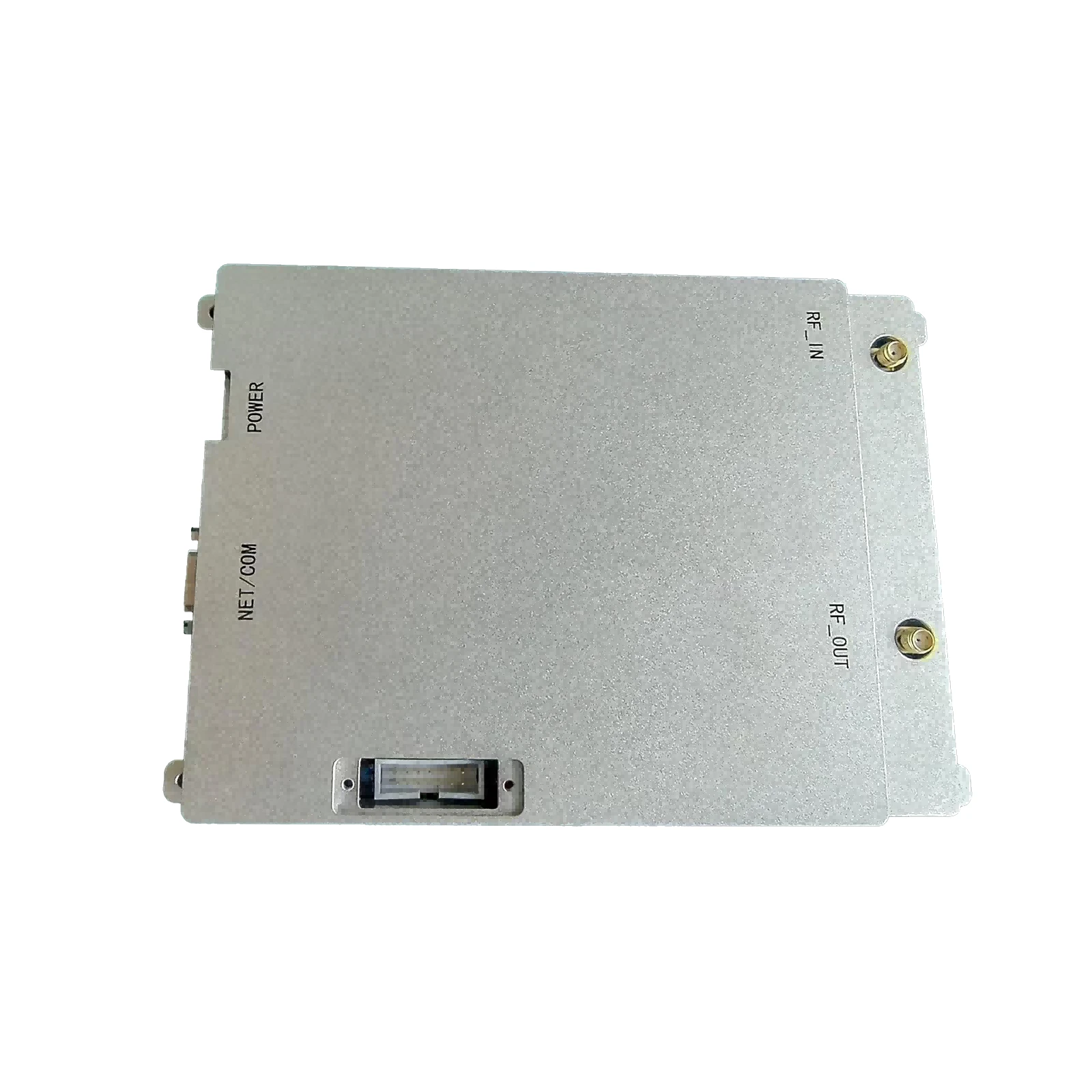
RF (Radio Frequency) modules are becoming increasingly vital components in a wide array of wireless communication systems. From remote controls and wireless sensors to IoT devices and drone technology, the versatility of RF modules makes them essential for modern technological advancements. This article provides a comprehensive overview of RF modules, covering their functionality, applications, key specifications, and future trends. We'll explore how these compact devices enable seamless wireless connectivity in diverse industries.

What Exactly is an RF Module?
An RF module is a self-contained transmitter and/or receiver, capable of sending and receiving radio waves. They are typically small, low-cost, and easy to integrate into larger systems. An RF module's core function is to modulate and demodulate radio frequency signals, enabling wireless communication between devices. This process involves converting data into a radio frequency signal for transmission and then converting the received signal back into usable data. Different modules operate on various frequencies, and the choice depends on the specific application and regulatory requirements. The range, data rate, and power consumption are crucial factors to consider when selecting an RF module for a given project.
Key Highlights: RF modules convert data into radio frequency signals for wireless transmission and reception, offering a cost-effective and versatile communication solution.
Common Applications of RF Modules
RF modules find application across numerous industries. In the consumer electronics sector, they power remote controls, wireless keyboards, and mice. The automotive industry utilizes them for keyless entry systems and tire pressure monitoring. Industrial automation relies on RF modules for remote monitoring and control of equipment. Furthermore, the burgeoning field of IoT (Internet of Things) heavily depends on RF modules to connect sensors, actuators, and other devices. The drone industry, such as drone-system.com, utilizes RF modules for controlling the drone and receiving telemetry data. The diverse applications showcase the adaptability of this technology.
RF Module Applications:
• Remote Controls
• Wireless Sensors
• IoT Devices
• Automotive Systems
• Drone Control
Key Specifications to Consider When Choosing an RF Module
Selecting the appropriate RF module requires careful consideration of several key specifications. Frequency range determines the operating band, which must comply with regional regulations. Output power affects the transmission range. Data rate dictates the speed of data transfer. Sensitivity influences the ability to receive weak signals. Modulation type (e.g., FSK, GFSK, ASK) impacts data integrity and bandwidth. Finally, power consumption is critical for battery-powered applications.
Understanding Different RF Module Types
Several types of RF modules are available, each offering different characteristics and suited to specific applications. LoRa modules excel in long-range, low-power communication, ideal for IoT deployments. Bluetooth modules are commonly used for short-range data transfer, like connecting peripherals. Wi-Fi modules provide high bandwidth for applications requiring fast data rates. Zigbee modules are suitable for mesh networking, allowing devices to communicate with each other over a larger area. NFC (Near Field Communication) modules offer very short-range communication for tasks like payment and data exchange.
Future Trends in RF Module Technology
The future of RF module technology is marked by several exciting trends. Increased integration of AI and machine learning will enable more intelligent and adaptive wireless communication systems. The development of new low-power wide-area network (LPWAN) technologies, such as NB-IoT and LTE-M, will further expand the reach of IoT applications. Miniaturization of RF modules will enable even smaller and more compact devices. Moreover, enhanced security features will become increasingly important to protect against cyber threats. As the demand for wireless connectivity continues to grow, RF module technology will play an even more critical role in shaping the future of technology.
Conclusion: The Power of Wireless Connectivity
RF modules are the unsung heroes of modern wireless communication. Their versatility, affordability, and compact size make them indispensable for a wide range of applications. As technology advances, RF modules will continue to evolve, offering even greater capabilities and enabling new innovations. For cutting-edge solutions in drone technology, explore the offerings at Drone-System.com.
Frequently Asked Questions (FAQs)
What is the typical range of an RF module?
The range of an RF module varies significantly depending on factors like frequency, output power, antenna design, and environmental conditions. Generally, short-range modules (e.g., Bluetooth) have a range of up to 100 meters, while long-range modules (e.g., LoRa) can achieve ranges of several kilometers. However, these are ideal conditions and actual range may be less. Obstacles such as walls and buildings can also reduce the range. Careful selection of the appropriate module and antenna is essential for achieving the desired range.
What regulations govern the use of RF modules?
The use of RF modules is heavily regulated by government agencies such as the FCC (Federal Communications Commission) in the United States and ETSI (European Telecommunications Standards Institute) in Europe. These regulations dictate which frequencies can be used, the maximum allowed output power, and other technical specifications to prevent interference and ensure safe operation. It’s crucial to ensure that any RF module used complies with the relevant regulations for the region in which it will be deployed.
How can I minimize interference when using RF modules?
Minimizing interference is crucial for reliable wireless communication. Using shielded cables and enclosures can help block unwanted signals. Choosing a frequency band with less congestion can also reduce interference. Proper antenna placement and orientation are important for maximizing signal strength and minimizing interference from other sources. Employing techniques like frequency hopping or spread spectrum modulation can also improve robustness against interference. Also, ensure that your RF module complies with the regional regulations to avoid disrupting other devices.
What is the difference between FSK and GFSK modulation?
Both FSK (Frequency Shift Keying) and GFSK (Gaussian Frequency Shift Keying) are forms of frequency modulation used in RF communication. FSK simply shifts the frequency to represent binary data (0s and 1s). GFSK is a variation of FSK that uses Gaussian filtering to smooth the frequency transitions, reducing bandwidth and improving spectral efficiency. GFSK generally offers better performance in terms of noise immunity and data transmission rates, making it a popular choice in many RF applications.

-
 09 March 2021 16 Apr 2026
 -
 09 March 2021 09 Apr 2026
 -
 09 March 2021 07 Apr 2026
 -
 09 March 2021 04 Apr 2026
 -
 09 March 2021 31 Mar 2026
-
 09 March 2021 21 May 2025
 -
 09 March 2021 25 Dec 2024
 -
 09 March 2021 14 Oct 2022
-
 09 March 2021 25 Dec 2024
 English
  Arabic
  Belarusian
  Danish
  Dutch
Dutch  French
  German
  Greek
Greek  Japanese
  Korean
  Myanmar
  Polish
  Portuguese
  Russian
  Spanish
  Swedish
  Thai
Thai  Ukrainian
  Vietnamese