

Comprehensive Guide to 8 Channel RF Transmitter and Receiver Systems
Understanding 8 Channel RF Transmitter and Receiver Systems
In the realm of wireless communication, 8 channel RF transmitter and receiver systems offer a robust and versatile solution for various applications, from remote control and robotics to data transmission and industrial automation. These systems allow for simultaneous operation on eight different frequencies, minimizing interference and enhancing reliability. Drone-System.com specializes in providing high-quality RF solutions tailored to meet diverse needs. Understanding the principles, applications, and benefits of these systems is crucial for anyone seeking a reliable wireless communication infrastructure.

Key Components of an 8 Channel RF System
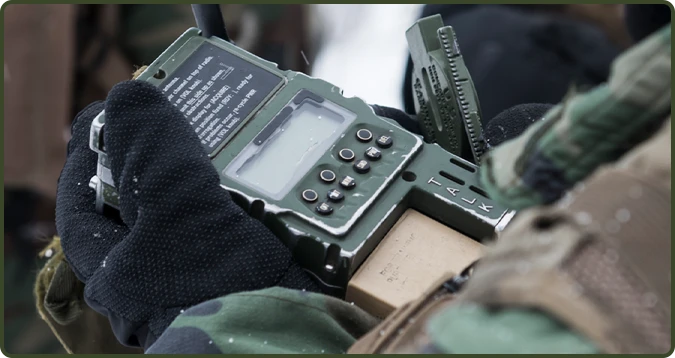
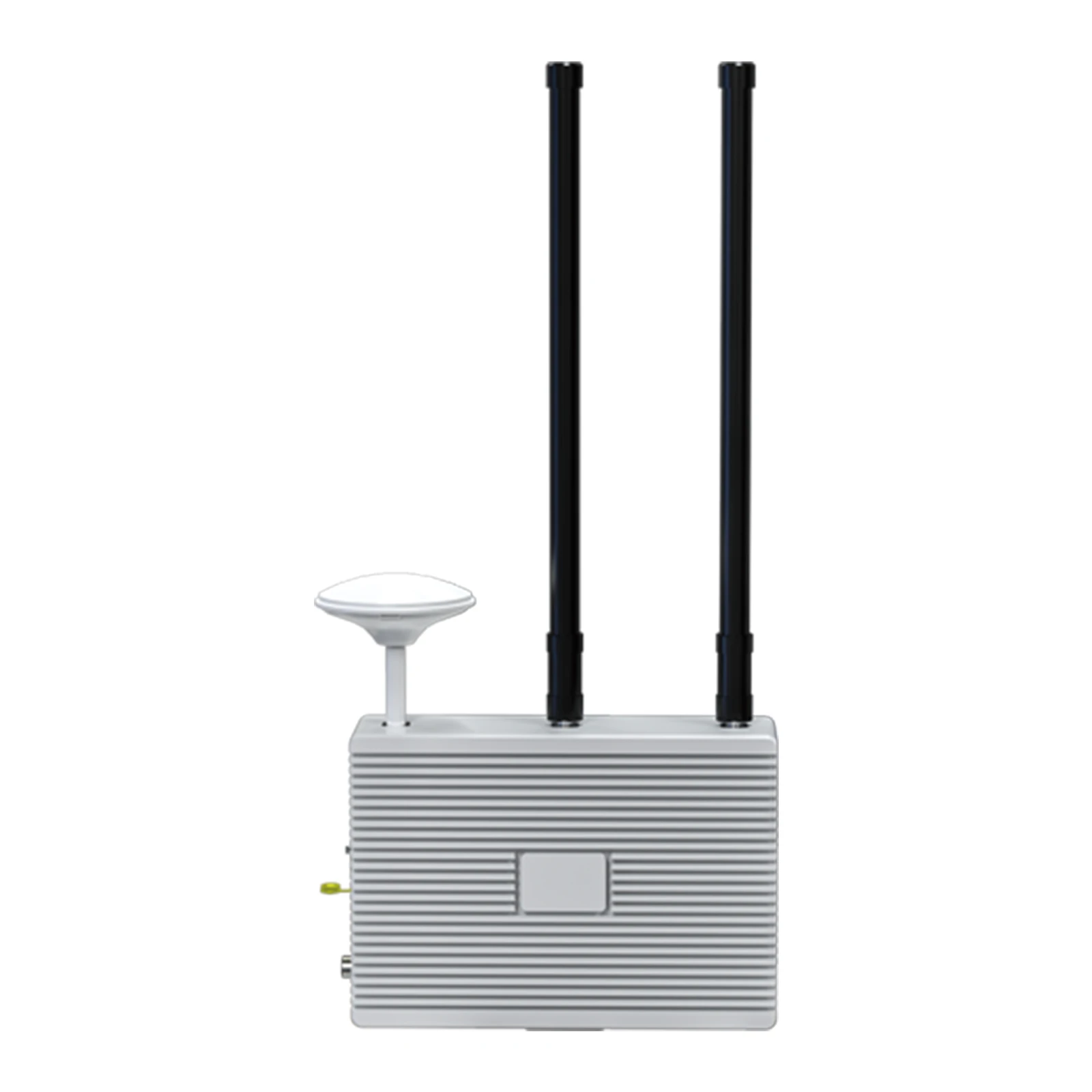
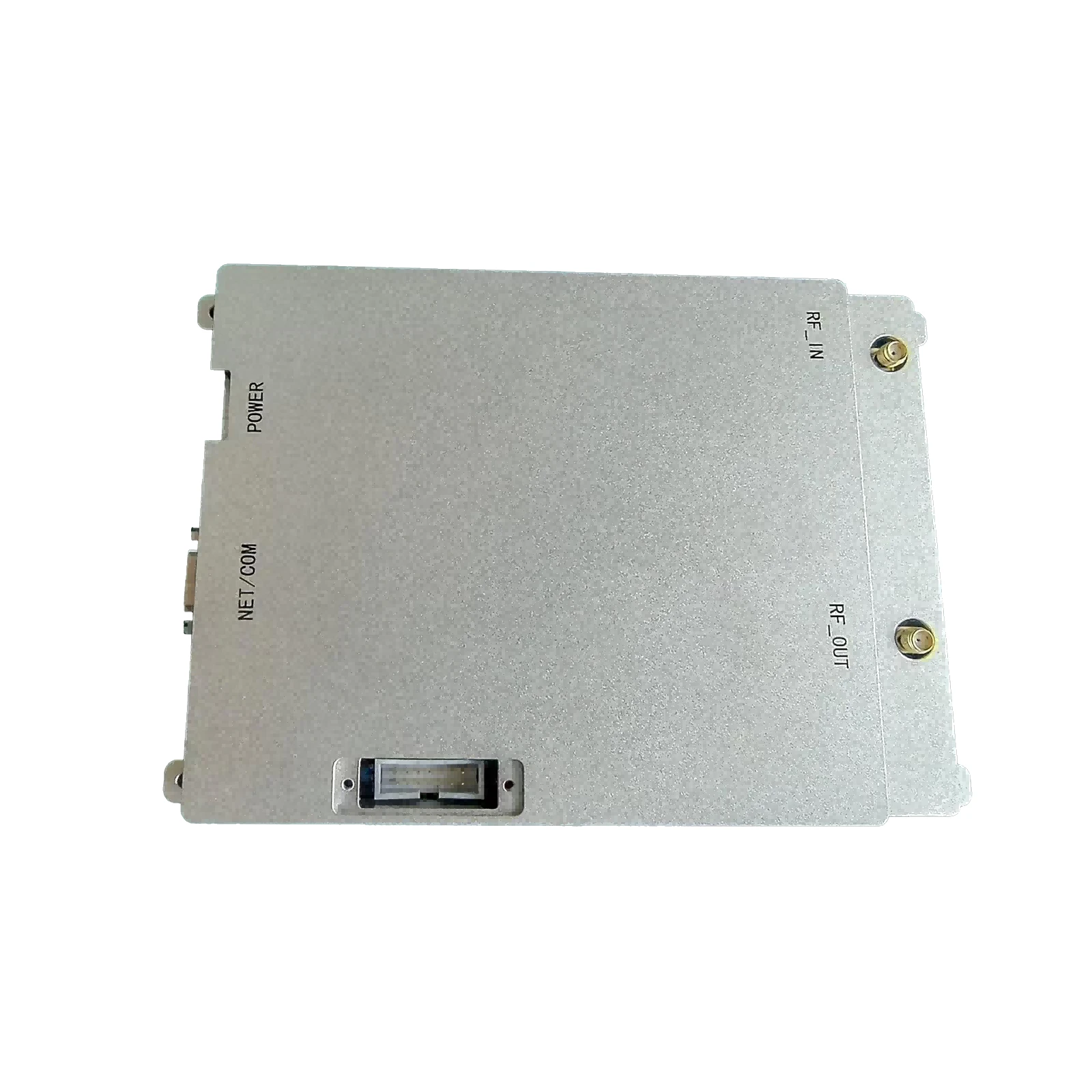
An 8 channel RF system consists of several essential components working in harmony. The transmitter encodes information and broadcasts it via radio frequency (RF) waves. The receiver captures these waves and decodes them back into usable data. A crucial element is the RF amplifier, which boosts the signal strength for increased range and reliability. The antenna is responsible for radiating and receiving RF signals. In an 8-channel system, each channel utilizes a distinct frequency to avoid signal collisions. Effective system design necessitates careful consideration of factors like frequency selection, modulation techniques, and antenna characteristics. Explore the comprehensive range of RF transmitters and receivers available at Drone-System.com.
Key Highlights: Each channel utilizes a distinct frequency to avoid signal collisions. Effective system design necessitates careful consideration of factors like frequency selection.
Applications of 8 Channel RF Transmitter and Receiver
The versatility of 8 channel RF systems makes them ideal for a broad range of applications. In robotics, they enable reliable remote control of robots in environments where wired connections are impractical. They are extensively used in industrial automation for controlling machinery and monitoring sensor data. Drone control leverages these systems for stable and long-range communication. Other applications include wireless audio systems, security systems, and remote data logging. The ability to switch between channels dynamically provides increased robustness against interference and ensures consistent operation.
Application Benefits:
• Reliable remote control in robotics
• Seamless industrial automation control
• Stable and long-range drone operation
• Dynamic channel switching for interference resistance
8 Channel RF Systems vs. Single Channel Systems: A Comparison
Compared to single-channel RF systems, 8 channel systems offer significant advantages. The primary benefit is reduced interference. With multiple channels available, the system can automatically switch to a clear frequency if one becomes congested. This leads to increased reliability and improved performance, especially in environments with many wireless devices. 8-channel systems are also more flexible, allowing for simultaneous operation of multiple devices or functions. While single-channel systems are simpler and often less expensive, the benefits of multi-channel operation outweigh the cost for many applications. Browse our selection of multi-channel RF systems to find the perfect solution for your needs.
Selecting the Right 8 Channel RF System
Choosing the appropriate 8 channel RF system requires careful consideration of several factors. The operating frequency should be selected based on local regulations and potential interference sources. The transmission range needs to match the application requirements. The modulation scheme impacts data transmission speed and reliability. Additionally, consider the power consumption and physical dimensions of the transmitter and receiver. At Drone-System.com, our expert team can help you navigate these choices and find the perfect RF solution.
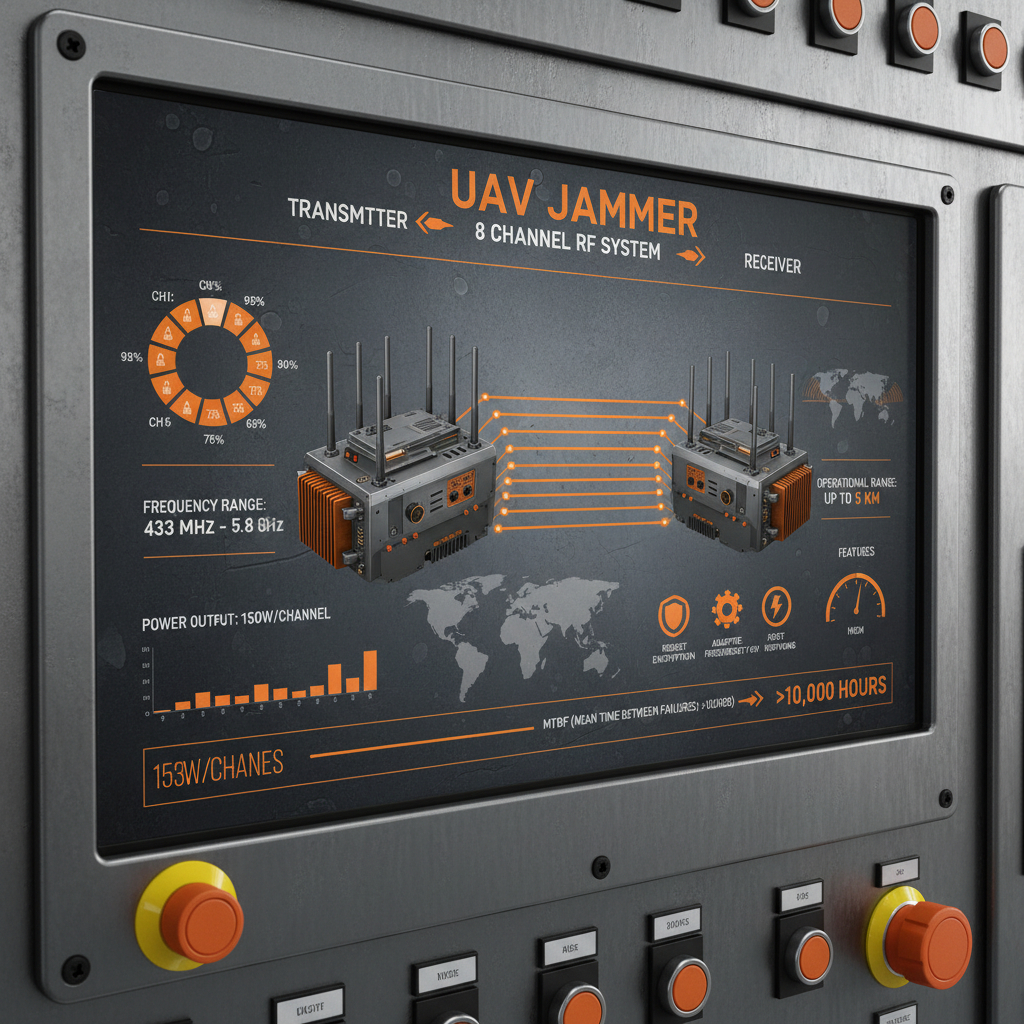
Product Specifications & Considerations
Understanding the specifications of an 8 channel RF transmitter and receiver is vital. Key parameters include frequency range, output power, sensitivity, modulation type (e.g., FSK, ASK, OOK), data rate, and antenna connector type. Power supply requirements and operating temperature range are also crucial. When choosing a system, consider future scalability, potential for interference, and the need for encryption or secure communication protocols. The following table provides a sample specification overview.
Conclusion: Powering Your Applications with Reliable 8 Channel RF
Investing in a quality 8 channel RF transmitter and receiver system is critical for applications requiring dependable wireless communication. Drone-System.com provides robust and versatile RF solutions backed by expert support. From robotics to industrial automation, our systems are designed to meet the demanding needs of diverse industries. Choose the right RF system and unlock the potential of wireless connectivity.
Frequently Asked Questions (FAQs)
What factors affect the range of an 8 channel RF system?
The range of an 8 channel RF system is influenced by several factors, including transmit power, antenna gain, receiver sensitivity, and environmental conditions. Obstacles like walls and trees can attenuate the signal. Interference from other wireless devices also plays a role. Properly selecting the antenna type and optimizing its placement are crucial for maximizing range. Choosing a system with adjustable transmit power allows you to balance range and power consumption.
How do I minimize interference in an 8 channel RF system?
Minimizing interference involves several strategies. Choosing the optimal operating frequency, away from known interference sources, is essential. Utilizing a system with frequency hopping capabilities allows it to automatically switch channels to avoid congestion. Employing shielded cables and proper grounding techniques can reduce unwanted signal pickup. Additionally, ensuring that antennas are properly positioned and aligned can improve signal clarity and reduce interference.
Can I use multiple 8 channel RF systems in close proximity?
Yes, you can use multiple 8 channel RF systems in close proximity, but careful coordination is required to avoid interference. Each system should be configured to use a different set of channels. Utilizing frequency hopping technology can further minimize interference. Proper antenna placement and shielding are also important. It's crucial to test the systems in the intended operating environment to ensure reliable performance.
What is the difference between FSK, ASK, and OOK modulation?
FSK (Frequency-Shift Keying), ASK (Amplitude-Shift Keying), and OOK (On-Off Keying) are different modulation techniques used to encode data onto the RF carrier signal. FSK is more robust to noise but generally has a lower data rate. ASK is simpler to implement but more susceptible to interference. OOK is the simplest modulation technique, where the carrier signal is turned on and off to represent data, but it is very vulnerable to noise. The choice of modulation technique depends on the specific application requirements and the trade-off between data rate, range, and noise immunity.

-
 09 March 2021 16 Apr 2026
 -
 09 March 2021 09 Apr 2026
 -
 09 March 2021 07 Apr 2026
 -
 09 March 2021 04 Apr 2026
 -
 09 March 2021 31 Mar 2026
-
 09 March 2021 21 May 2025
 -
 09 March 2021 25 Dec 2024
 -
 09 March 2021 14 Oct 2022
-
 09 March 2021 25 Dec 2024
 English
  Arabic
  Belarusian
  Danish
  Dutch
Dutch  French
  German
  Greek
Greek  Japanese
  Korean
  Myanmar
  Polish
  Portuguese
  Russian
  Spanish
  Swedish
  Thai
Thai  Ukrainian
  Vietnamese