

Comprehensive Guide to the CC1120 Module for Enhanced Drone Systems Performance
Understanding the CC1120 Module: A Deep Dive for Drone Systems
The CC1120 module is a popular choice for wireless communication in various applications, particularly within drone systems. This article provides a comprehensive overview of its features, benefits, applications, and considerations for implementation. We’ll explore how this sub-1 GHz transceiver can enhance the performance and reliability of your drone projects. The CC1120 offers a robust and flexible solution for long-range, low-power wireless connectivity.
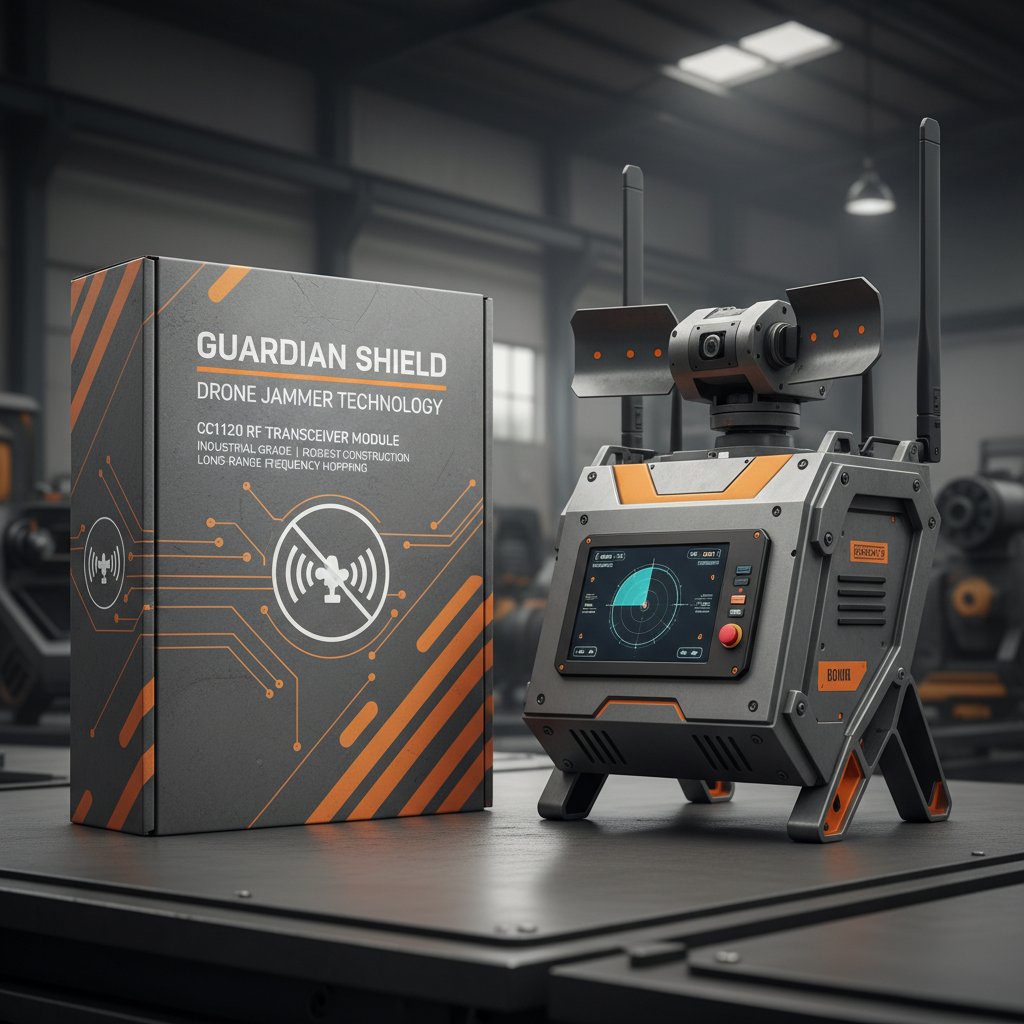
Key Features of the CC1120 Module
The CC1120 is a low-cost, low-power, and highly integrated 2.4 GHz to 3.8 GHz sub-1 GHz transceiver designed for wireless applications. Its key features include a highly configurable data rate (0.6 kbps to 600 kbps), excellent sensitivity, and a programmable output power. It supports various modulation schemes, including FSK, GFSK, MSK, and OOK. The module's low power consumption makes it ideal for battery-powered devices like drones, extending flight times. Furthermore, it offers built-in hardware support for packet handling, including address filtering and error detection, simplifying software development. For drone communication, this translates to reliable control signals and telemetry data transmission.
Key Highlights: Low-cost, low-power, highly integrated, configurable data rate, excellent sensitivity, programmable output power, and built-in packet handling.
Understanding the Benefits of Sub-1 GHz Communication for Drones
Unlike 2.4 GHz Wi-Fi or Bluetooth, sub-1 GHz frequencies offer superior range and penetration through obstacles. This is because lower frequencies have longer wavelengths, allowing them to diffract around objects more effectively. For drones, this means a more stable connection with the ground station, even in challenging environments. The CC1120 module's ability to operate in the sub-1 GHz spectrum makes it particularly suitable for long-range drone applications, such as surveying, agriculture, and delivery services. The lower frequency also experiences less interference from other wireless devices, contributing to a more reliable link.
Sub-1 GHz Advantages:
• Longer range compared to 2.4 GHz
• Better penetration through obstacles
• Reduced interference
• Improved signal stability
CC1120 Module vs. Other Wireless Technologies: A Comparison
When choosing a wireless communication solution for drones, several options exist, including Wi-Fi, Bluetooth, and LoRa. The CC1120 module offers a unique set of advantages and disadvantages compared to these alternatives. While Wi-Fi provides high data rates, it consumes more power and has a shorter range. Bluetooth is suitable for short-range communication but lacks the range required for most drone applications. LoRa offers long range but has a limited data rate. The CC1120 strikes a balance between range, power consumption, and data rate, making it a compelling choice for many drone-based applications.
Applications of the CC1120 Module in Drone Systems
The CC1120 module finds diverse applications within drone technology. These include remote control communication, telemetry data transmission (altitude, speed, battery voltage), video streaming (with appropriate encoding), and even drone-to-drone communication for cooperative tasks. Its low latency and reliable connection are crucial for maintaining precise control of the drone. Furthermore, it's increasingly used in drone-based IoT solutions, transmitting sensor data to a central server for analysis and action. Drone System actively utilizes the CC1120 in several of its long-range communication products.
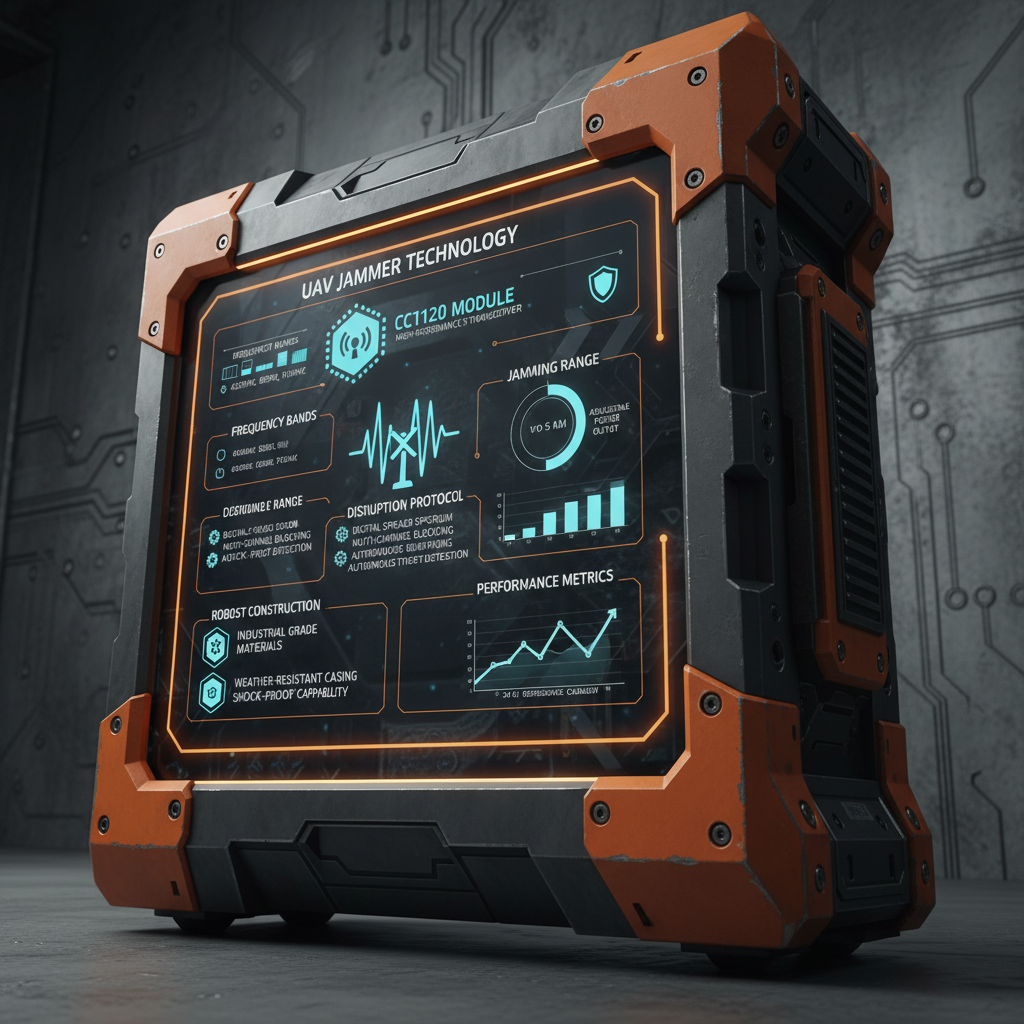
Technical Specifications and Considerations
Here's a breakdown of key technical specifications and things to consider when implementing the CC1120 module. The operating frequency ranges from 300-348 MHz, 387-464 MHz, and 779-928 MHz. Power consumption varies based on data rate and output power, typically ranging from a few milliamps in sleep mode to tens of milliamps during transmission. Antenna selection is crucial for optimal performance – a properly matched antenna is essential for maximizing range and signal strength. Software configuration is required to set the desired operating parameters, such as data rate, modulation scheme, and output power. It’s important to adhere to local radio regulations regarding frequency usage and transmit power limits.
Conclusion: Leveraging the CC1120 for Robust Drone Communication
The CC1120 module presents a compelling solution for developers seeking reliable, long-range wireless communication for their drone systems. Its combination of low power consumption, excellent sensitivity, and configurable features makes it well-suited for a variety of applications. By carefully considering the technical specifications and implementation guidelines, you can harness the full potential of the CC1120 to enhance the performance and capabilities of your drone projects. Drone System continues to innovate utilizing this and other robust technologies.
Frequently Asked Questions (FAQs)
What is the typical range achievable with the CC1120 module in a drone application?
The range achievable with the CC1120 module in a drone application is highly dependent on several factors, including antenna design, operating frequency, transmit power, and environmental conditions. However, in optimal conditions, ranges of up to 1 kilometer can be achieved. In real-world scenarios, expect a range of 500 meters to 800 meters, especially in areas with obstacles or interference. Proper antenna selection and placement are crucial for maximizing range. Remember to comply with local regulations regarding transmit power.
What is the recommended antenna impedance for the CC1120 module?
The recommended antenna impedance for the CC1120 module is 50 ohms. Using an antenna with a mismatched impedance can result in significant signal loss and reduced range. It's important to select an antenna that is specifically designed for the operating frequency of the CC1120 and has a 50-ohm impedance. A Vector Network Analyzer (VNA) can be used to measure the impedance match between the antenna and the module.
How can I reduce power consumption with the CC1120 module?
Several strategies can be employed to reduce power consumption with the CC1120 module. Utilize the module's sleep mode whenever possible, waking it up only when necessary for transmission or reception. Lowering the transmit power to the minimum required level can also significantly reduce power consumption. Optimize the data rate – lower data rates generally consume less power. Implement efficient packet handling protocols to minimize the amount of time the module spends transmitting and receiving data. Finally, ensure that the module is properly configured to minimize unnecessary operations.
What is the role of packet handling in CC1120 communication?
Packet handling is a crucial aspect of CC1120 communication, as it provides a structured way to transmit and receive data reliably. The CC1120's built-in packet handling features include address filtering, CRC error detection, and automatic packet retransmission. Address filtering allows the module to ignore packets that are not addressed to it, reducing interference. CRC error detection ensures that data is transmitted accurately. Automatic packet retransmission helps to overcome errors caused by interference or noise. Effective packet handling minimizes the risk of data corruption and ensures reliable communication.

-
 09 March 2021 16 Apr 2026
 -
 09 March 2021 09 Apr 2026
 -
 09 March 2021 07 Apr 2026
 -
 09 March 2021 04 Apr 2026
 -
 09 March 2021 31 Mar 2026
-
 09 March 2021 21 May 2025
 -
 09 March 2021 25 Dec 2024
 -
 09 March 2021 14 Oct 2022
-
 09 March 2021 25 Dec 2024
 English
  Arabic
  Belarusian
  Danish
  Dutch
Dutch  French
  German
  Greek
Greek  Japanese
  Korean
  Myanmar
  Polish
  Portuguese
  Russian
  Spanish
  Swedish
  Thai
Thai  Ukrainian
  Vietnamese