

A Comprehensive Guide about RF Transmitter and Receiver Technology and Applications
Understanding RF Transmitter and Receiver Technology
Radio Frequency (RF) transmitters and receivers are fundamental components in countless wireless communication systems. From remote controls and wireless sensors to sophisticated radar systems and drone technology, these devices enable the transmission and reception of data without physical connections. At Drone System, we leverage advanced RF technology to provide reliable and efficient communication solutions for our drone products and services. This article will delve into the core principles, types, applications, and future trends of RF transmitter and receiver technology.

Core Principles of RF Transmission
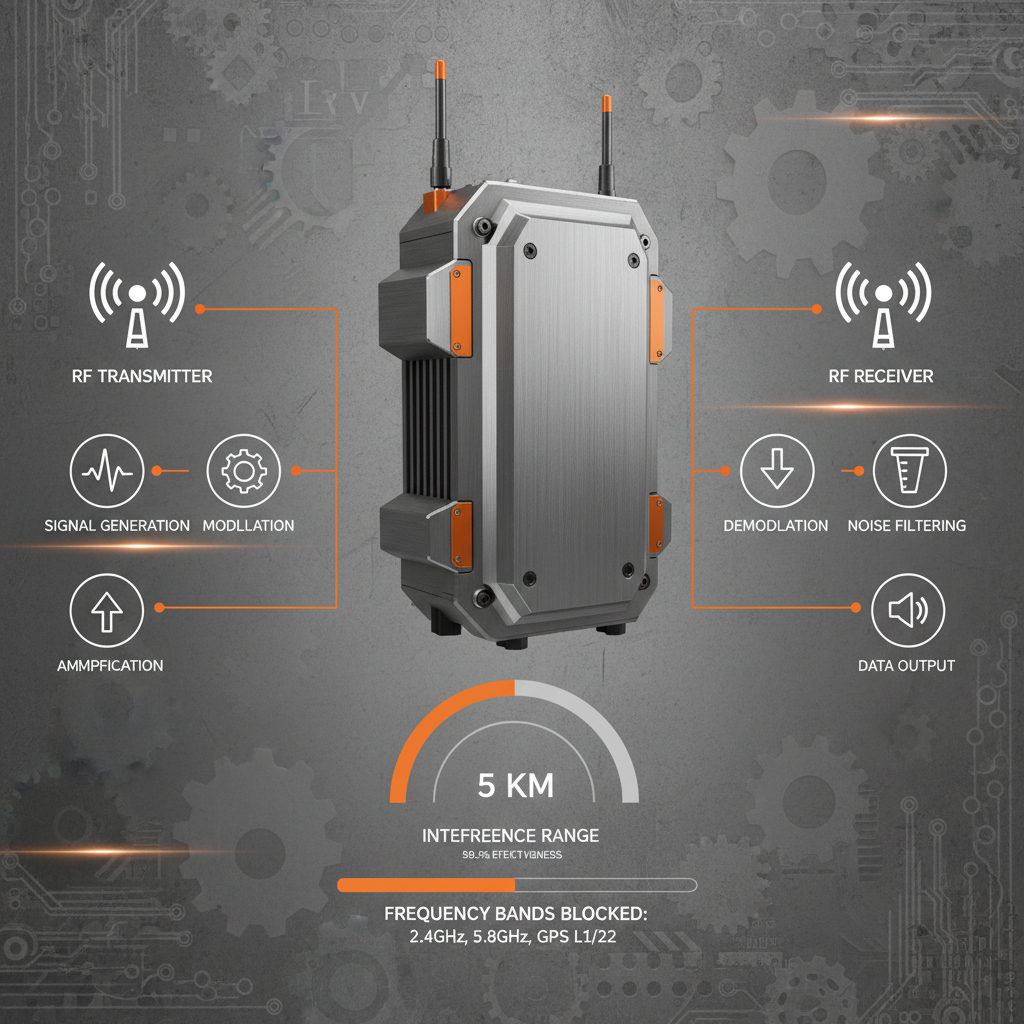
At its core, RF transmission involves converting information into radio waves, propagating these waves through space, and then reconverting them back into usable information at the receiving end. A transmitter generates a carrier frequency, modulates it with the input signal (data), amplifies the modulated signal, and then radiates it via an antenna. The receiver performs the reverse process: capturing the RF signal with an antenna, amplifying it, demodulating it to extract the original data, and then outputting the information. Key factors influencing RF transmission include frequency, modulation schemes, antenna design, and propagation characteristics. These elements directly impact the range, bandwidth, and reliability of the communication link. Understanding these principles is crucial for designing and implementing effective wireless systems.
Key Concepts: Modulation schemes (AM, FM, PM, ASK, FSK, PSK) determine how information is encoded onto the carrier wave. Antenna gain affects signal strength and directionality. Propagation characteristics influence how radio waves travel through the environment.
Types of RF Transmitters and Receivers
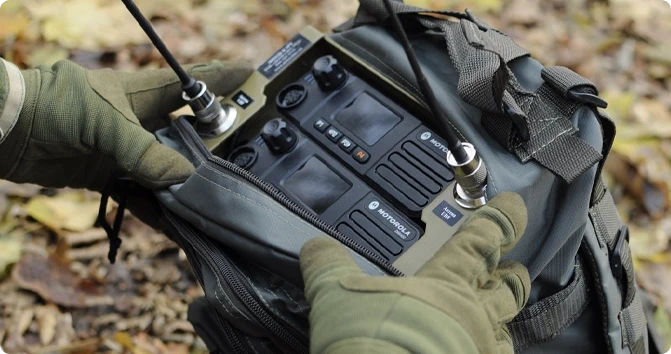
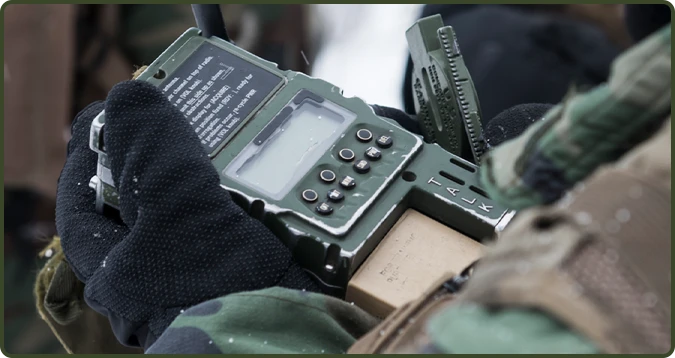
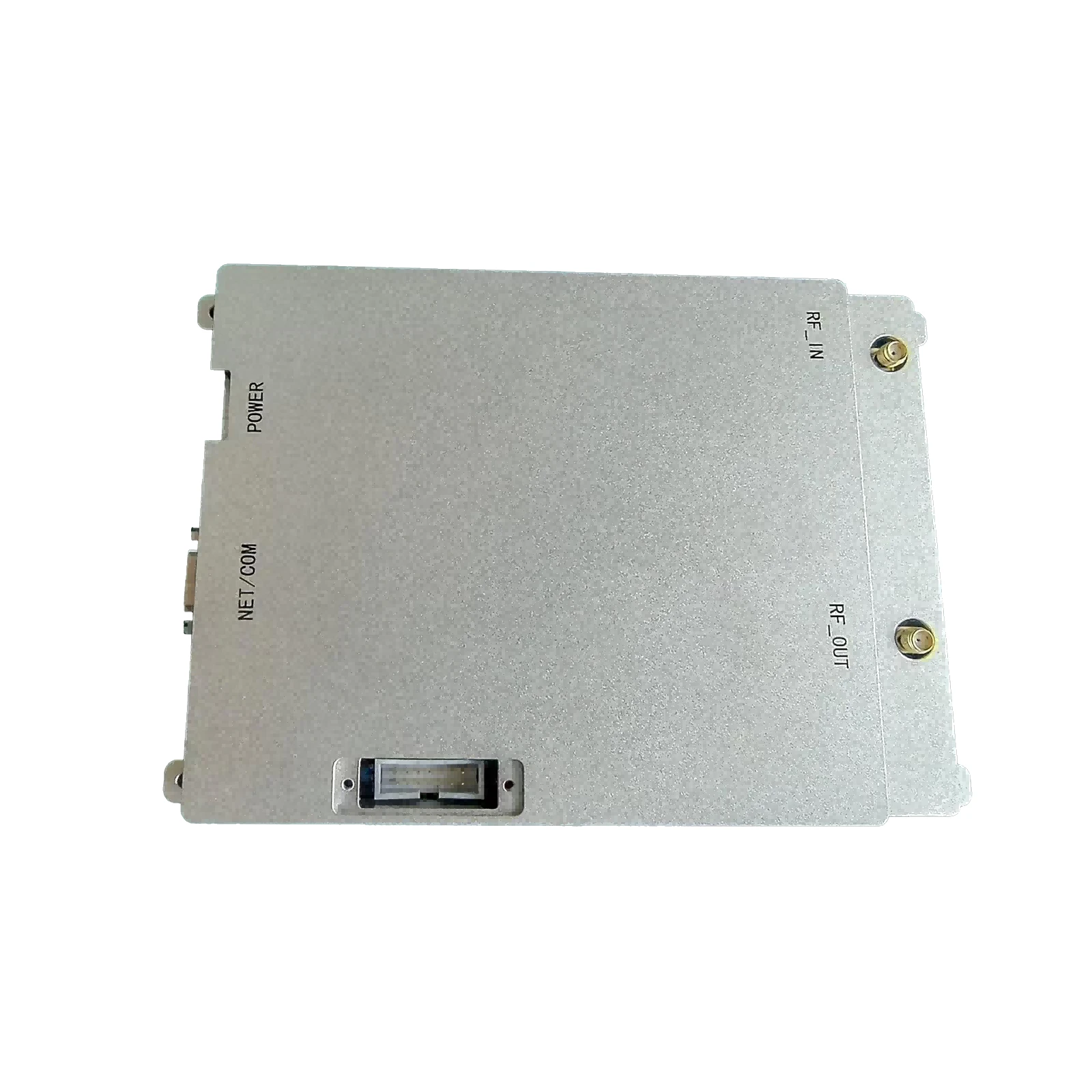
RF transmitters and receivers come in various forms, each tailored to specific applications. Some common types include: low-power transmitters for short-range devices (e.g., Bluetooth, Zigbee), high-power transmitters for broadcast and long-distance communication, and specialized transceivers integrated into drones for remote control and telemetry. Receivers also vary widely, from simple superheterodyne receivers to more complex software-defined radios (SDRs). The choice of transmitter and receiver depends on factors like frequency, power requirements, data rate, and desired range. At Drone System, we carefully select components to ensure optimal performance and reliability in our drone systems.
Common RF Transceiver Types:
• Bluetooth Transceivers: Short-range, low-power communication.
• Wi-Fi Transceivers: Medium-range, high-data-rate communication.
• LoRaWAN Transceivers: Long-range, low-power communication for IoT applications.
• Cellular Transceivers: Wide-area coverage, high data rates.
About RF Transmitter and Receiver Performance Metrics
Evaluating the performance of RF transmitters and receivers involves considering several key metrics. Sensitivity refers to the minimum signal strength a receiver can detect. Selectivity indicates the receiver's ability to reject unwanted signals. Signal-to-Noise Ratio (SNR) measures the strength of the desired signal relative to background noise. Effective Isotropic Radiated Power (EIRP) quantifies the power emitted by a transmitter in a specific direction. Understanding these metrics is crucial for optimizing RF system design and ensuring reliable communication. A higher SNR, better sensitivity, and selectivity contribute to a more robust and reliable link.
Applications of RF Technology
The applications of RF technology are incredibly diverse. In consumer electronics, you find it in Wi-Fi routers, Bluetooth headsets, and remote controls. Industrial applications include wireless sensor networks for monitoring equipment and automated processes. Medical devices utilize RF for telemetry and remote patient monitoring. And, of course, in the aerospace industry, RF communication is essential for drone control, data transmission, and navigation. At Drone System, we specialize in leveraging RF technology to deliver cutting-edge drone solutions.
Future Trends in RF Transmitter and Receiver Technology
The field of RF technology is constantly evolving. Key trends include the development of 5G and 6G cellular networks, the increasing use of millimeter-wave frequencies for higher data rates, the adoption of massive MIMO (Multiple-Input Multiple-Output) antenna systems, and the growing popularity of software-defined radios (SDRs) for increased flexibility and adaptability. These advancements promise to enable even more sophisticated and efficient wireless communication systems. The development of AI-powered RF systems is also a burgeoning field, promising improved signal processing and interference mitigation. At Drone System, we are actively researching and integrating these technologies into our products to stay at the forefront of innovation.
Conclusion
RF transmitter and receiver technology is the backbone of modern wireless communication. Understanding the principles, types, and emerging trends in this field is crucial for developing and deploying effective wireless systems. Drone System is committed to leveraging the latest advancements in RF technology to provide our customers with innovative and reliable drone solutions.
Frequently Asked Questions (FAQs)
What is the difference between a transmitter and a transceiver?
A transmitter only sends signals, while a receiver only receives them. A transceiver, however, combines both transmitting and receiving capabilities into a single device. Transceivers are commonly used in two-way communication systems, such as walkie-talkies and drone control links. They offer greater flexibility and convenience as they eliminate the need for separate transmitting and receiving equipment. The integrated design also often leads to smaller and more power-efficient devices.
What factors affect the range of an RF transmitter?
Several factors influence the range of an RF transmitter, including the transmit power, antenna gain, frequency of operation, and environmental conditions. Higher transmit power and higher antenna gain generally result in a longer range. Lower frequencies tend to propagate better through obstacles, while higher frequencies offer greater bandwidth. Environmental factors like buildings, trees, and atmospheric conditions can also attenuate the signal and reduce the range. Proper antenna placement and minimizing interference are also critical.
How does modulation affect RF communication?
Modulation is the process of encoding information onto a carrier wave. Different modulation schemes (like AM, FM, and digital modulation techniques) affect the bandwidth, power efficiency, and noise immunity of the communication system. Digital modulation techniques, like QPSK and OFDM, offer higher data rates and better noise immunity compared to analog modulation schemes. The choice of modulation scheme depends on the specific application requirements and the characteristics of the communication channel.
What is Software Defined Radio (SDR)?
Software Defined Radio (SDR) is a radio communication system where components that have typically been implemented in hardware (e.g., mixers, filters, modulators/demodulators, detectors, etc.) are instead implemented by software on a general-purpose digital signal processor or a specialized FPGA. SDR provides flexibility and adaptability, allowing the radio to be reconfigured to operate on different frequencies and with different modulation schemes without requiring hardware changes. This makes SDR ideal for applications requiring wideband coverage or adaptability to changing communication standards.

-
 09 March 2021 16 Apr 2026
 -
 09 March 2021 09 Apr 2026
 -
 09 March 2021 07 Apr 2026
 -
 09 March 2021 04 Apr 2026
 -
 09 March 2021 31 Mar 2026
-
 09 March 2021 21 May 2025
 -
 09 March 2021 25 Dec 2024
 -
 09 March 2021 14 Oct 2022
-
 09 March 2021 25 Dec 2024
 English
  Arabic
  Belarusian
  Danish
  Dutch
Dutch  French
  German
  Greek
Greek  Japanese
  Korean
  Myanmar
  Polish
  Portuguese
  Russian
  Spanish
  Swedish
  Thai
Thai  Ukrainian
  Vietnamese