

Exploring Low Power RF Modules for Advanced IoT Connectivity Solutions
Understanding Low Power RF Modules for IoT Applications
In the rapidly expanding world of the Internet of Things (IoT), reliable and efficient wireless communication is paramount. Low power RF modules are essential components enabling connectivity for a vast range of devices. These modules offer a compelling balance between range, data rate, and energy consumption, making them ideal for battery-powered applications. This article will delve into the specifics of these modules, their benefits, applications, key considerations, and how Drone-System provides cutting-edge solutions in this field. Choosing the right RF module can dramatically impact the performance and longevity of your IoT devices.

What are Low Power RF Modules?
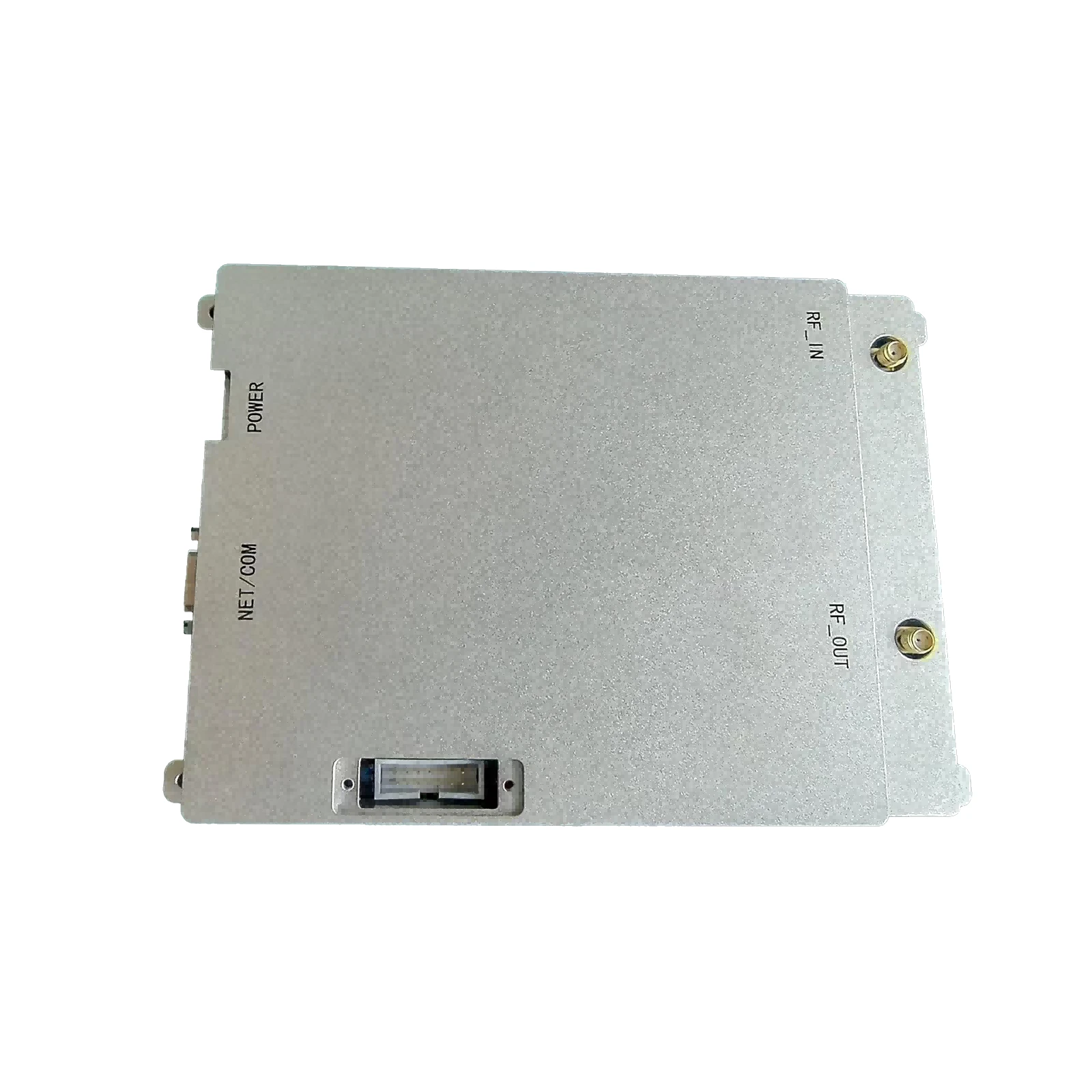
Low power RF modules are compact electronic circuits designed to transmit and receive radio frequency (RF) signals while minimizing energy consumption. They typically integrate a radio transceiver, antenna, and microcontroller, providing a complete wireless communication solution. These modules utilize various communication protocols like LoRaWAN, Sigfox, Bluetooth Low Energy (BLE), and Zigbee, each optimized for specific application requirements. The key advantage is their ability to operate for extended periods on small batteries, making them suitable for remote sensors, wearable devices, and other power-constrained applications. Drone-System specializes in providing modules that maximize battery life and performance.
Key Highlights: Low power RF modules balance range, data rate, and energy efficiency for various IoT applications. They are essential for battery-powered devices and utilize protocols like LoRaWAN, BLE, and Zigbee.
Comparing Common Low Power RF Protocols
Different RF protocols excel in various scenarios. Understanding their strengths and weaknesses is crucial for selecting the right module. Here's a comparison of some popular options:
Applications of Low Power RF Modules
The versatility of these modules leads to a wide array of applications, including:
- Smart Agriculture: Remote monitoring of soil conditions, weather data, and irrigation systems.
- Asset Tracking: Locating and monitoring valuable equipment and goods.
- Smart Homes: Connecting sensors, lights, and appliances for automated control.
- Wearable Devices: Enabling fitness trackers, smartwatches, and health monitoring devices.
- Industrial Automation: Monitoring equipment performance and enabling predictive maintenance.
Key Considerations When Choosing an RF Module
Selecting the appropriate low power RF module requires careful consideration of several factors:
- Range: Determine the required communication distance.
- Data Rate: Assess the amount of data that needs to be transmitted.
- Power Consumption: Prioritize low power consumption for battery-operated devices.
- Frequency Band: Consider regulatory requirements and potential interference.
- Cost: Balance performance with budget constraints.
- Security: Ensure the module supports encryption and security protocols.
Drone-System: Your Partner for RF Module Solutions
At Drone-System, we offer a comprehensive range of low power RF modules designed to meet diverse IoT applications. Our modules are known for their reliability, performance, and energy efficiency. We also provide expert support and custom design services to help you choose the best solution for your specific needs. We are committed to providing cutting-edge technology and exceptional customer service.
Conclusion: Empowering IoT with Reliable Connectivity
Choosing the right low power RF module is crucial for the success of any IoT deployment. Drone-System is dedicated to providing innovative and reliable solutions to empower your IoT projects. Contact us today to learn more about how we can help you achieve your connectivity goals.
Frequently Asked Questions (FAQs)
What factors contribute to the power consumption of an RF module?
Several factors influence the power consumption of an RF module, including the transmission power, data rate, duty cycle (the percentage of time the module is transmitting), and the communication protocol used. Higher transmission power and data rates generally consume more power. Optimizing the duty cycle, by transmitting data only when necessary, is a key strategy for reducing power consumption. Choosing a low-power protocol like LoRaWAN or BLE is also crucial for battery-operated devices. Drone-System modules are designed with power optimization in mind, offering various power-saving modes.
What is the role of the antenna in RF module performance?
The antenna is a critical component of any RF system. It’s responsible for efficiently transmitting and receiving radio waves. The antenna's gain, impedance matching, and polarization all significantly impact the module's range and signal quality. A poorly matched antenna can lead to signal loss and reduced performance. Drone-System offers modules with integrated antennas and provides guidance on antenna selection for optimal performance.
How do I ensure the security of my RF communication?
Security is paramount in IoT applications. Employing encryption protocols like AES is essential to protect data transmitted over the air. Authentication mechanisms, such as unique device IDs and secure key exchange, should also be implemented. Regular firmware updates are crucial to address security vulnerabilities. Drone-System modules support robust security features to safeguard your data and prevent unauthorized access.
What is LoRaWAN and why is it popular for IoT?
LoRaWAN is a Low Power Wide Area Network (LPWAN) protocol designed for long-range, low-bandwidth communication. It's particularly well-suited for IoT applications that require long battery life and the ability to connect devices over several kilometers. Its key advantages include excellent range, low power consumption, and the ability to penetrate obstacles. LoRaWAN is widely adopted in applications like smart cities, smart agriculture, and asset tracking. Drone-System offers a range of LoRaWAN modules for these applications.

-
 09 March 2021 16 Apr 2026
 -
 09 March 2021 09 Apr 2026
 -
 09 March 2021 07 Apr 2026
 -
 09 March 2021 04 Apr 2026
-
 09 March 2021 21 May 2025
 -
 09 March 2021 25 Dec 2024
 -
 09 March 2021 14 Oct 2022
-
 09 March 2021 25 Dec 2024
 English
  Arabic
  Belarusian
  Danish
  Dutch
Dutch  French
  German
  Greek
Greek  Japanese
  Korean
  Myanmar
  Polish
  Portuguese
  Russian
  Spanish
  Swedish
  Thai
Thai  Ukrainian
  Vietnamese