

Comprehensive Guide to OEM RF Modules for Wireless Communication Systems
Understanding OEM RF Modules: A Comprehensive Guide
In today’s interconnected world, reliable wireless communication is crucial for a vast array of applications, from industrial automation to consumer electronics. At the heart of many of these systems lies the OEM RF module. These modules offer a pre-certified, cost-effective, and time-saving solution for integrating radio frequency functionality into your products. This article provides an in-depth exploration of OEM RF modules, covering their benefits, applications, key considerations, and how Drone-System can provide the ideal solution for your wireless communication needs.

What is an OEM RF Module?
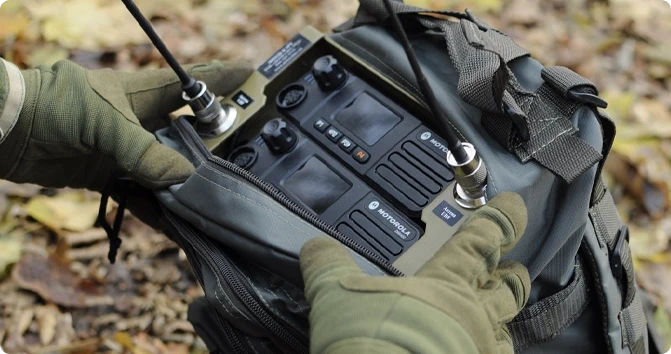
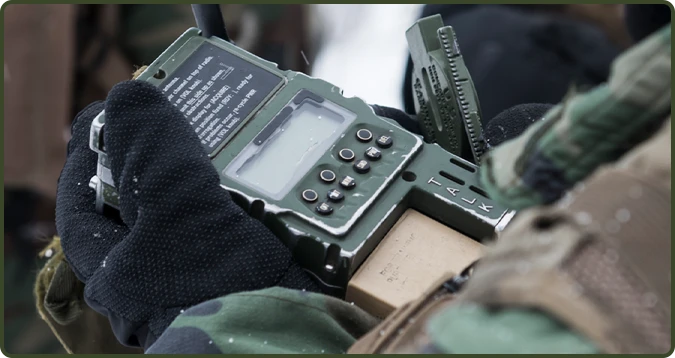
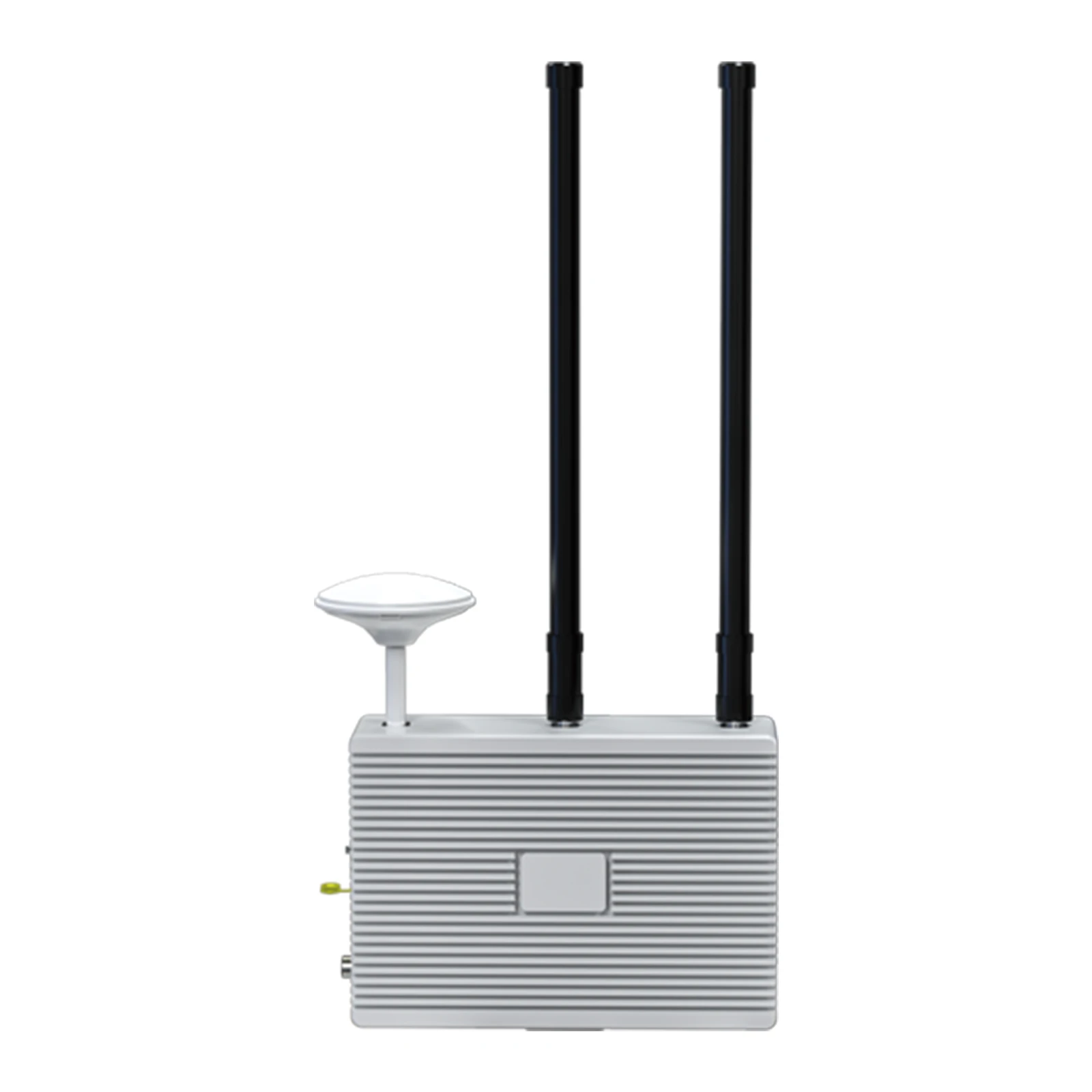
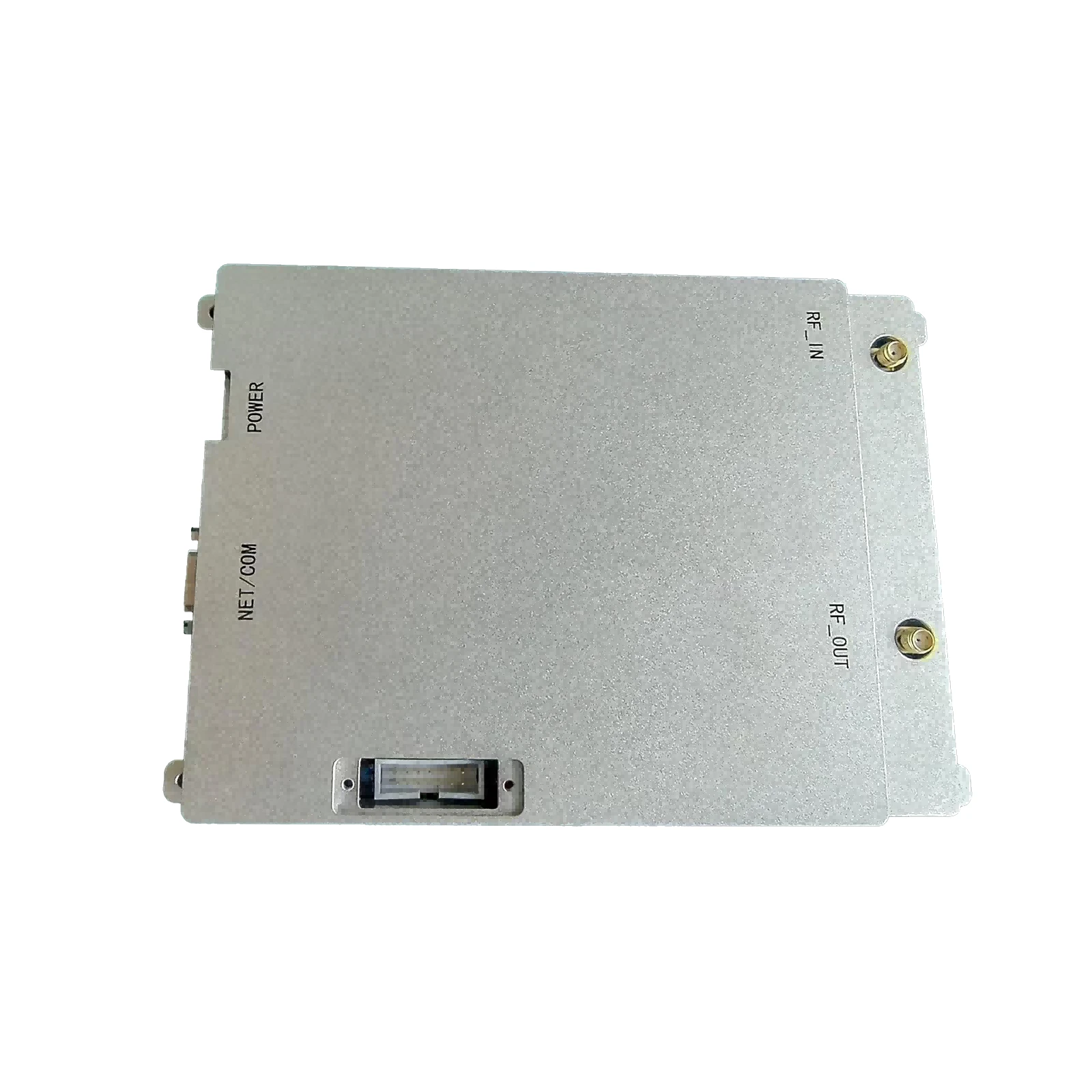
An OEM (Original Equipment Manufacturer) RF module is a pre-built radio frequency circuit designed for integration into another manufacturer's product. Unlike designing a radio from scratch, which requires significant expertise and regulatory compliance testing, using an OEM module significantly simplifies the process. These modules typically include the RF transceiver, antenna matching network, and often a microcontroller, all packaged in a compact form factor. They are designed to be easily incorporated into your product, reducing development time and cost. Choosing the right RF module is critical for the success of your wireless product.
Key Benefits: Reduced development time, lower costs, pre-certified compliance, simplified integration, and access to specialized RF expertise.
Applications of OEM RF Modules
The versatility of OEM RF modules allows them to be deployed across a wide range of industries and applications. Some common examples include wireless sensor networks for environmental monitoring, remote control systems for toys and robotics, industrial automation and control, smart home devices, healthcare monitoring equipment, and asset tracking systems. Drone-System provides modules suited for demanding applications requiring robust performance and reliability.
Common Application Areas:
• Industrial Control Systems
• Smart Home Automation
• Wireless Sensor Networks
• Remote Monitoring and Control
Choosing the Right OEM RF Module
Selecting the appropriate oem rf module requires careful consideration of several factors. Key parameters include the operating frequency (e.g., 2.4 GHz, 915 MHz, 433 MHz), the data rate, the transmission range, power consumption, and the required regulatory certifications (e.g., FCC, CE, ISM). The antenna type and impedance matching are also crucial for optimal performance. Consider the environmental conditions where the module will be deployed, such as temperature range and humidity levels. Finally, ensure the module is compatible with your existing hardware and software infrastructure.
Drone-System: Your Trusted OEM RF Module Partner
At Drone-System, we specialize in providing high-quality, reliable OEM RF modules to meet a diverse range of application needs. We offer a comprehensive portfolio of modules covering various frequencies, data rates, and power levels. Our team of experienced engineers can provide expert guidance and support throughout the integration process. We also offer custom design and manufacturing services to tailor modules to your specific requirements. We pride ourselves on delivering superior products and exceptional customer service.

Regulatory Compliance and Certification
Navigating the complex landscape of RF regulatory compliance is crucial for a successful product launch. OEM RF modules often come pre-certified for common standards such as FCC (Federal Communications Commission) in the US and CE (Conformité Européenne) in Europe. This significantly reduces the burden of compliance testing and certification. However, it’s essential to verify the specific certifications of the module and ensure they align with your target market’s requirements. Drone-System provides modules with comprehensive certifications, simplifying your compliance process.
Conclusion: Powering Your Wireless Innovation with OEM RF Modules
OEM RF modules represent a powerful solution for integrating wireless connectivity into your products. By leveraging pre-certified, readily available modules, you can significantly accelerate your time to market and reduce development costs. Drone-System is committed to providing innovative and reliable RF modules, along with expert support, to help you succeed in the wireless world.
Frequently Asked Questions (FAQs)
What is the typical range of an OEM RF module?
The range of an OEM RF module varies significantly depending on several factors, including the operating frequency, transmit power, antenna type, and environmental conditions. Lower frequencies (e.g., 433 MHz, 915 MHz) generally offer longer ranges, typically up to several kilometers in open environments. Higher frequencies (e.g., 2.4 GHz) have shorter ranges, usually up to 100 meters indoors and 300 meters outdoors. The antenna’s gain and directionality also play a crucial role in determining the effective range. Drone-System offers modules with varying range capabilities to suit different application needs.
How easy is it to integrate an OEM RF module into my product?
OEM RF modules are designed for relatively easy integration. Most modules come with a clear pinout and documentation, simplifying the connection to your microcontroller or host system. Typically, you'll need to connect power, ground, and a few data lines (e.g., UART, SPI, I2C). However, antenna matching and proper grounding are critical for optimal performance. Drone-System provides comprehensive integration guides and technical support to assist you throughout the process.
What kind of support does Drone-System offer?
Drone-System offers a range of support services, including detailed datasheets, application notes, and example code. Our team of experienced RF engineers is available to provide technical assistance with module selection, integration, and troubleshooting. We also offer custom design services for specialized applications. We are committed to ensuring your success with our RF modules.
What are the key advantages of using a pre-certified RF module?
Using a pre-certified RF module significantly simplifies the regulatory compliance process. It eliminates the need for extensive and costly testing to demonstrate compliance with standards like FCC and CE. This saves valuable time and resources, allowing you to focus on your core product development. Pre-certification also reduces the risk of delays and potential penalties associated with non-compliance.

-
 09 March 2021 16 Apr 2026
 -
 09 March 2021 09 Apr 2026
 -
 09 March 2021 07 Apr 2026
 -
 09 March 2021 04 Apr 2026
 -
 09 March 2021 31 Mar 2026
-
 09 March 2021 21 May 2025
 -
 09 March 2021 25 Dec 2024
 -
 09 March 2021 14 Oct 2022
-
 09 March 2021 25 Dec 2024
 English
  Arabic
  Belarusian
  Danish
  Dutch
Dutch  French
  German
  Greek
Greek  Japanese
  Korean
  Myanmar
  Polish
  Portuguese
  Russian
  Spanish
  Swedish
  Thai
Thai  Ukrainian
  Vietnamese