

915 MHz Power Amplifier: Boosting IoT and Industrial Connectivity Worldwide
Unlocking the Potential of 915 MHz Power Amplifiers in Today’s Connected World
If you’ve never heard about the 915 MHz power amplifier, you’re not alone. Yet, this is one of those unsung heroes quietly powering the invisible networks we rely on daily — from smart agriculture fields in the Midwest to remote disaster zones in Southeast Asia. Understanding this key component means appreciating how communication goes far beyond our phones and Wi-Fi routers. It’s a core enabler of reliable transmission in LoRaWAN, RFID, and various IoT ecosystems, contributing directly to global connectivity and efficiency.
Globally, wireless communication in the sub-GHz spectrum (which includes 915 MHz) is gaining momentum due to its excellent balance of range and penetration, crucial for diverse industries. According to the Industrial, Scientific, and Medical (ISM) radio bands registry, the 915 MHz range is open for unlicensed use in North America and many other regions, fostering millions of IoT devices that require affordable yet powerful signal amplification. This makes the 915 MHz power amplifier a vital cog in an expanding digital ecosystem.
Why the 915 MHz Band Matters
In raw terms, the 915 MHz frequency provides a “sweet spot” for applications demanding moderate data rates with extended range. Global organizations, including ISO and telecom regulators, have recognized its value in bridging remote communities and optimizing industrial processes. Yet deploying a power amplifier that is efficient, durable, and complies with tighter regulations remains somewhat tricky — hence the growing interest in advanced 915 MHz power amplifier designs.
What Is a 915 MHz Power Amplifier? Getting to Know the Basics
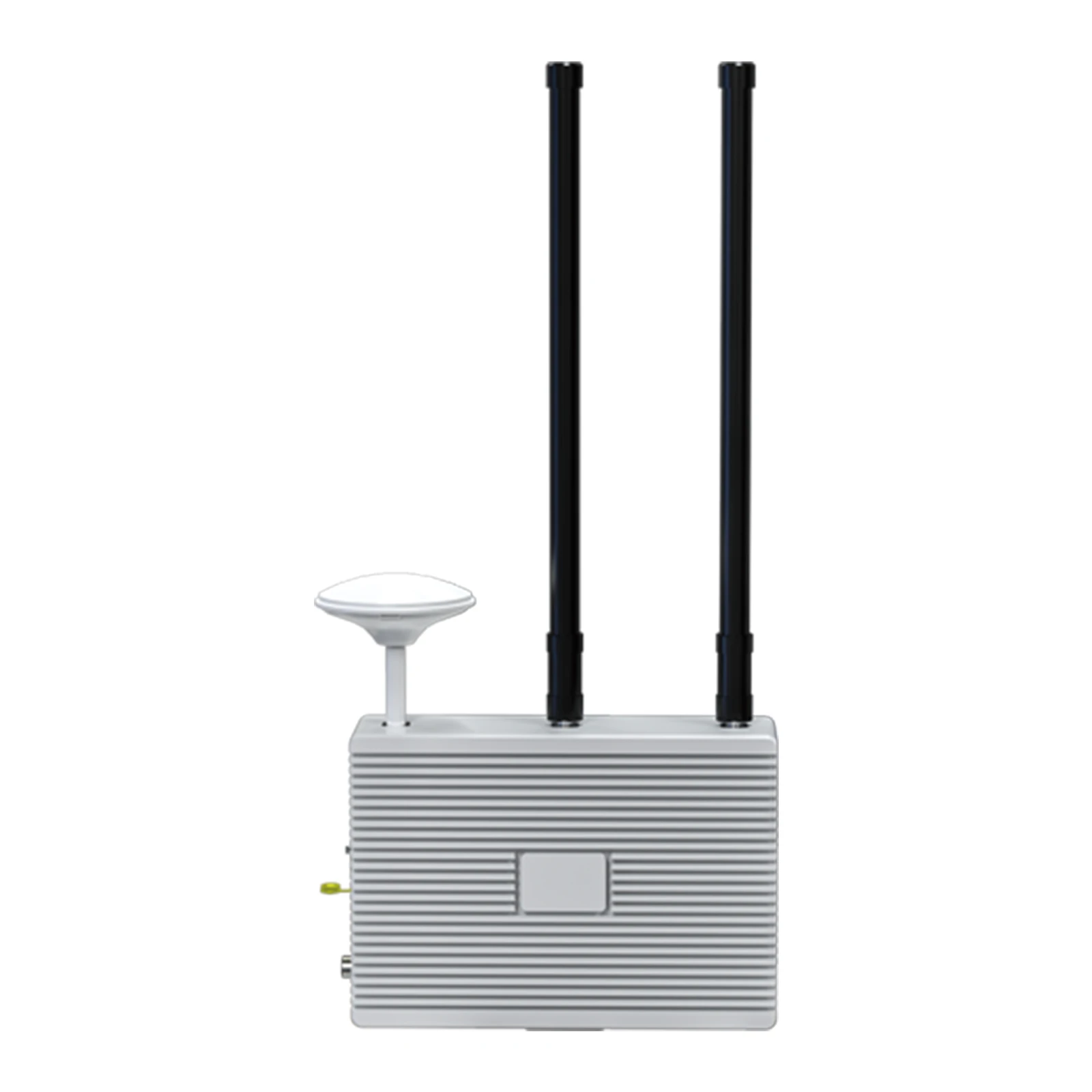
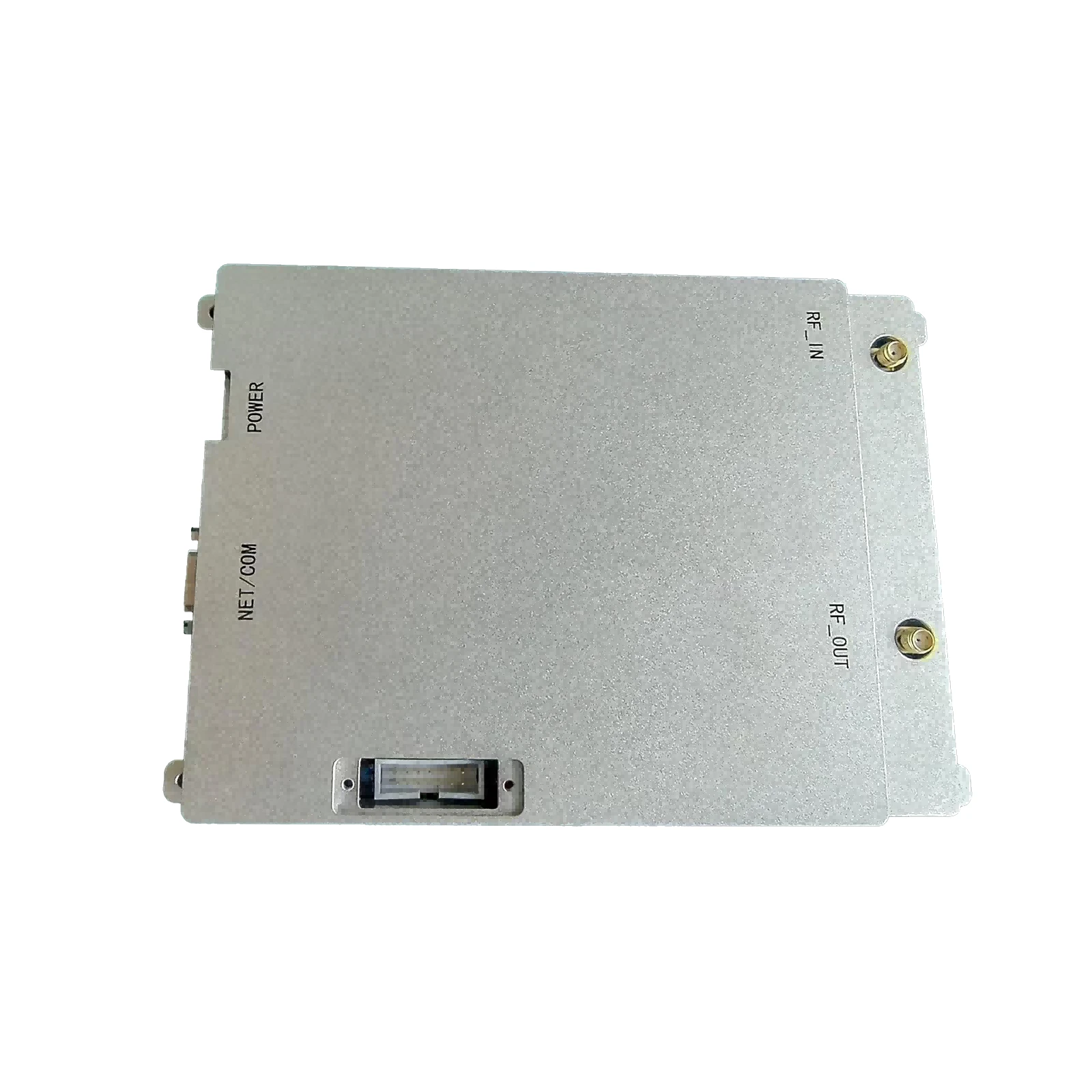
If you’ve fiddled with radio devices or wireless sensors, you know power amplifiers boost weak signals to reach further distances or punch through obstacles. Specifically, a 915 MHz power amplifier is tailored for enhancing signals around that 900 MHz frequency — crucial for many IoT and industrial communication standards.
They work by increasing the transmission power output of the radio frequency (RF) signal so that devices can communicate over longer distances without massive batteries or expensive tower infrastructure. Think of it like a megaphone for your wireless device — amplify, then broadcast.
In humanitarian efforts, such as disaster zones with limited infrastructure, these amplifiers make it possible to set up temporary communication networks fast, reducing the typical delays and data dropouts. Similarly, industrial plants use them to ensure sensor readings reach the control room reliably, enabling real-time monitoring that can prevent costly downtime or accidents.
Core Factors Behind a Top-Notch 915 MHz Power Amplifier
1. Durability & Thermal Management
This is not your average circuit board. Power amplifiers that work at 915 MHz often generate a fair bit of heat due to high power output, so solid heat sinks and careful component selection are crucial. Many engineers say a well-designed amplifier that stays cool under stress simply lasts longer and wastes less power – good for wallets and the environment.
2. Efficiency & Power Consumption
Since many applications are battery-powered or remotely installed, efficiency often takes center stage. High-efficiency amplifiers reduce wasted electricity, extending device life. Oddly enough, pushing crazy power levels isn't always beneficial if it drains power too fast.
3. Size & Integration
Compact design matters when you’re jamming components into small sensor pods or wearable devices. Integrating the power amplifier with other RF modules on a single PCB reduces production costs and improves reliability — always a win.
4. Output Power & Gain
Amplifiers can vary widely; some offer moderate gain for nearby communications, while industrial or agricultural networks demand higher output to cover several kilometers. Customizable gain profiles are ideal for differing deployments.
5. Compliance & Interference Avoidance
As spectrum becomes more crowded, ensuring your amplifier doesn’t pollute neighboring frequencies or violate local regulations is vital. Many modern devices feature spectral shaping and filtering to keep bad signals at bay.
Mini Takeaway: Designing or selecting a 915 MHz power amplifier requires balancing heat dissipation, efficiency, size, power output, and regulatory compliance. Each must suit your unique environment and use case.
Global Applications: Real-World Stories of 915 MHz Amplification
- Smart Agriculture: In the American Midwest and parts of Australia, farmers leverage IoT devices communicating via 915 MHz bands for soil moisture, crop health, and livestock tracking. Amplifiers here enable sensors to reach centralized hubs across vast fields.
- Disaster Response: After hurricanes or earthquakes, organizations deploy mobile base stations equipped with 915 MHz amplifiers to establish emergency comms rapidly. This was notably effective during the 2017 hurricane season in the Caribbean.
- Industrial Automation: Factories and mining operations use amplified sub-GHz signals to control sensors and actuators without wires, maintaining operations in tough conditions with minimal downtime risks.
- Smart Cities: Utility metering, parking management, and environmental monitoring often operate around 915 MHz frequencies, enabling consistent data streaming to municipal servers.
Mini Takeaway: The diversity of regions and sectors relying on this tech shows how critical reliable RF amplification is for modern infrastructure and emergency resilience.
Advantages & Long-Term Benefits of Using a 915 MHz Power Amplifier
- Cost Efficiency: Amplifiers reduce the need for multiple repeaters and expensive infrastructure, cutting setup and maintenance costs.
- Energy Savings: Proper device design means devices run longer on batteries, crucial for remote or off-grid applications.
- Reliability: Strong signals reduce data loss and improve the accuracy of time-sensitive systems, which can literally be a matter of safety.
- Enhanced Connectivity: Extending the network range expands service coverage for remote users or sensors often neglected by standard cellular networks.
- Social Impact: Improving communication channels in underserved areas fosters economic development and emergency preparedness.
Most interestingly, these benefits tally up beyond the technical — they build trust in technology, encourage innovation, and help communities rise to challenges with dignity.
Product Specification Table: Sample 915 MHz Power Amplifier
| Specification | Value |
|---|---|
| Operating Frequency | 902-928 MHz (ISM Band) |
| Output Power | +27 dBm (500 mW) |
| Gain | 20 dB typical |
| Power Supply | +3.3 V DC |
| Efficiency | 45% (typical at max output) |
| Operating Temperature | -40°C to +85°C |
Comparing Leading Vendors of 915 MHz Power Amplifiers
| Vendor | Output Power (dBm) | Efficiency (%) | Typical Application | Price Range (USD) |
|---|---|---|---|---|
| Amptek Solutions | 27 | 46 | IoT Sensors, Smart Grids | 45-65 |
| SignalWorks | 30 | 40 | Industrial Automation | 70-90 |
| RadioTek | 25 | 50 | Smart City Sensors | 55-70 |
Looking Ahead: Trends and Innovations in 915 MHz Power Amplification
The future of 915 MHz power amplifiers doesn’t stop at just pushing more power out. With digital transformation sweeping industries, many companies are working on:
- Green Amplifiers: Materials and designs that minimize wasted energy and reduce heat production.
- Integrated Modules: Combining amplifier, filter, and antenna tuning circuits into smarter, self-optimizing chips.
- AI-Optimized Power Control: Adapting output dynamically based on real-time environmental feedback to boost reliability and battery life.
- Global Standardization: As countries align on spectrum usage policies, amplifiers will need better adaptability to local regulations.
All these promise devices that are smaller, smarter, and kinder to the planet. It’s an exciting space if you like tech that quietly changes lives.
Overcoming Challenges: What Holds Back 915 MHz Power Amplifiers?
It’s not without hurdles. The main challenges include:
- Thermal Constraints: Heat still limits maximum output, requiring innovative cooling or material advances.
- Interference Risks: Crowded sub-GHz bands sometimes cause signal disruptions, mandating advanced filtering.
- Power vs. Battery Life: Especially in remote sensor networks, maximizing efficiency without sacrificing coverage is tricky.
Innovative approaches like gallium nitride (GaN) semiconductors and smart power control algorithms are already making waves. And frankly, as network density increases, smarter coexistence strategies will be a must.
FAQ: Your Top Questions on 915 MHz Power Amplifiers
Q1: How does a 915 MHz power amplifier improve IoT sensor networks?
A 915 MHz power amplifier boosts the signal strength from sensors, enabling them to communicate over longer distances or through obstacles like walls and foliage. This reduces data loss and allows for more reliable, low-power IoT deployments.
Q2: Can a power amplifier cause interference with other wireless devices?
Yes, if not properly designed or filtered. That’s why modern 915 MHz amplifiers feature spectral shaping and adhere to regulatory standards to minimize harmful interference with nearby devices and networks.
Q3: What factors should I consider when choosing a 915 MHz power amplifier?
Key considerations include output power, efficiency, size, cost, environmental operating range, and compliance with local regulations. Matching these to your application needs ensures optimal performance and longevity.
Q4: Are all 915 MHz power amplifiers compatible worldwide?
Mostly yes, but some countries have different rules about transmission power and frequencies. Look for models that support the specific regional requirements or configurable power settings.
In Closing: Why the 915 MHz Power Amplifier is a Silent Game-Changer
It feels like everything these days is heading towards smarter, better connectivity — and the 915 MHz power amplifier quietly keeps pushing that boundary. From extending communication in sprawling rural farms to sustaining emergency response in disaster zones, it’s a technology packed with meaning. If you're building or upgrading networks for IoT, industrial, or humanitarian projects, this is one piece you can’t afford to overlook.
Curious to see the latest in action? Check out 915 mhz power amplifier solutions that combine state-of-the-art engineering with real-world reliability.
References

-
 09 March 2021 16 Apr 2026
 -
 09 March 2021 09 Apr 2026
 -
 09 March 2021 07 Apr 2026
 -
 09 March 2021 04 Apr 2026
 -
 09 March 2021 31 Mar 2026
-
 09 March 2021 21 May 2025
 -
 09 March 2021 25 Dec 2024
 -
 09 March 2021 14 Oct 2022
-
 09 March 2021 25 Dec 2024

 English
  Arabic
  Belarusian
  Danish
  Dutch
Dutch  French
  German
  Greek
Greek  Japanese
  Korean
  Myanmar
  Polish
  Portuguese
  Russian
  Spanish
  Swedish
  Thai
Thai  Ukrainian
  Vietnamese