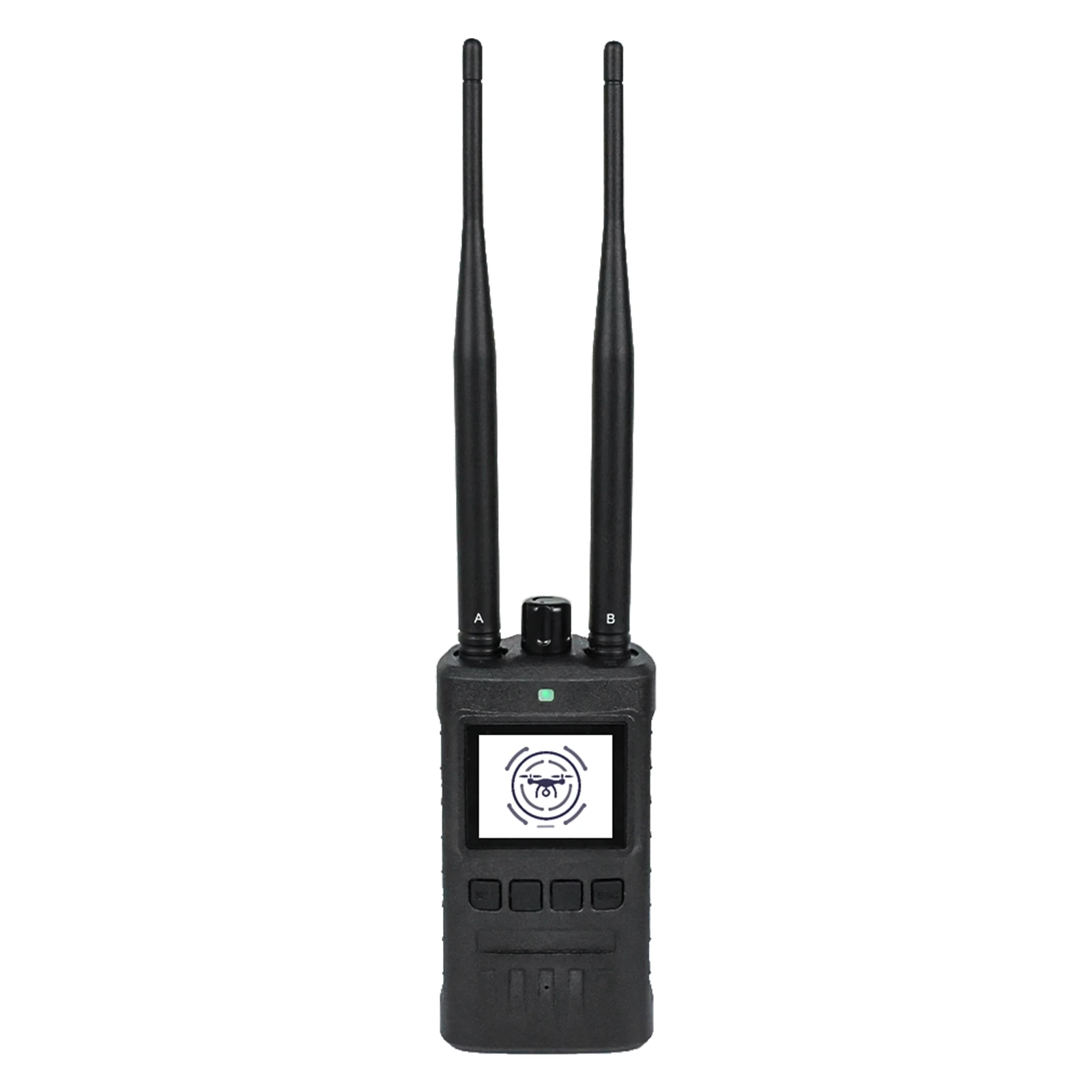
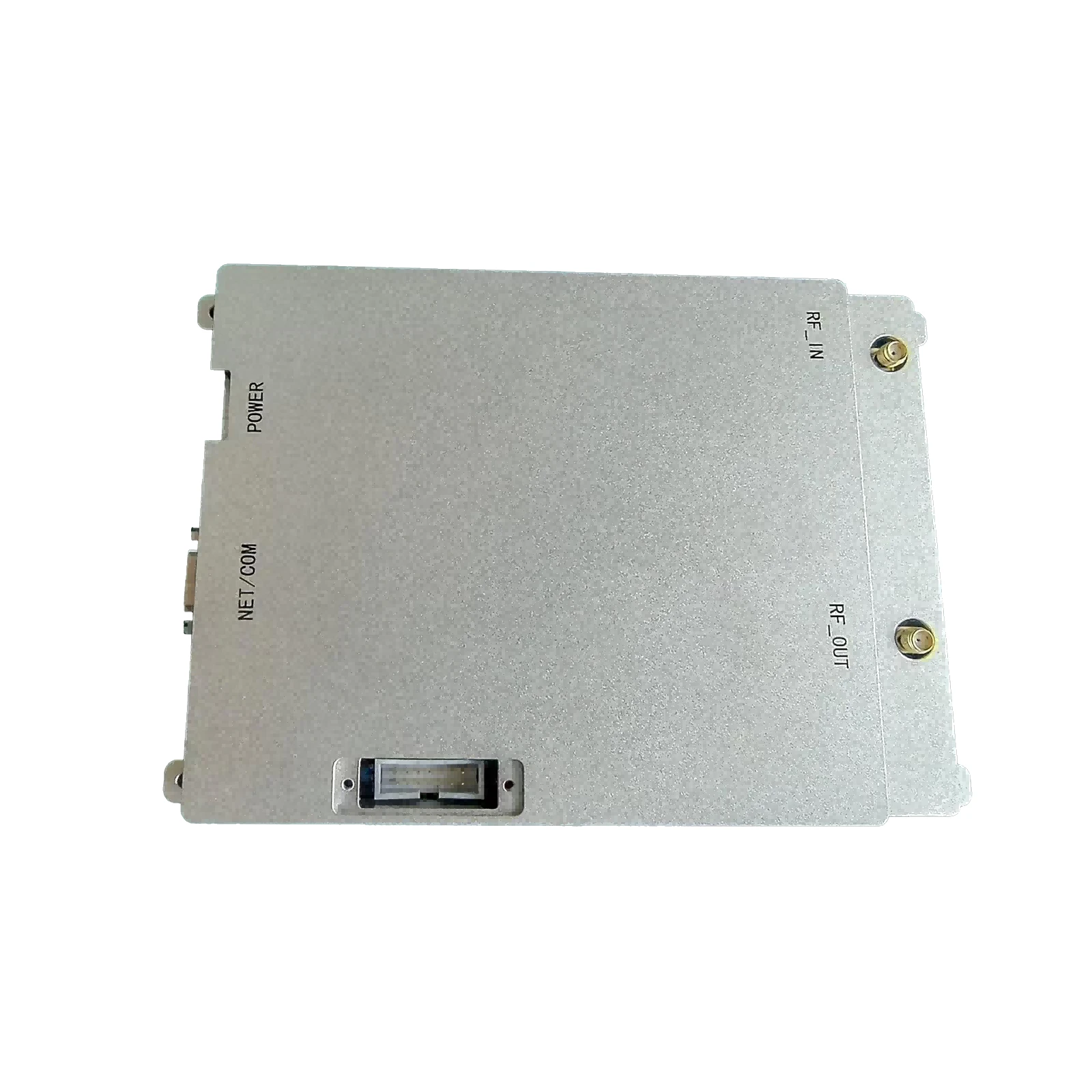
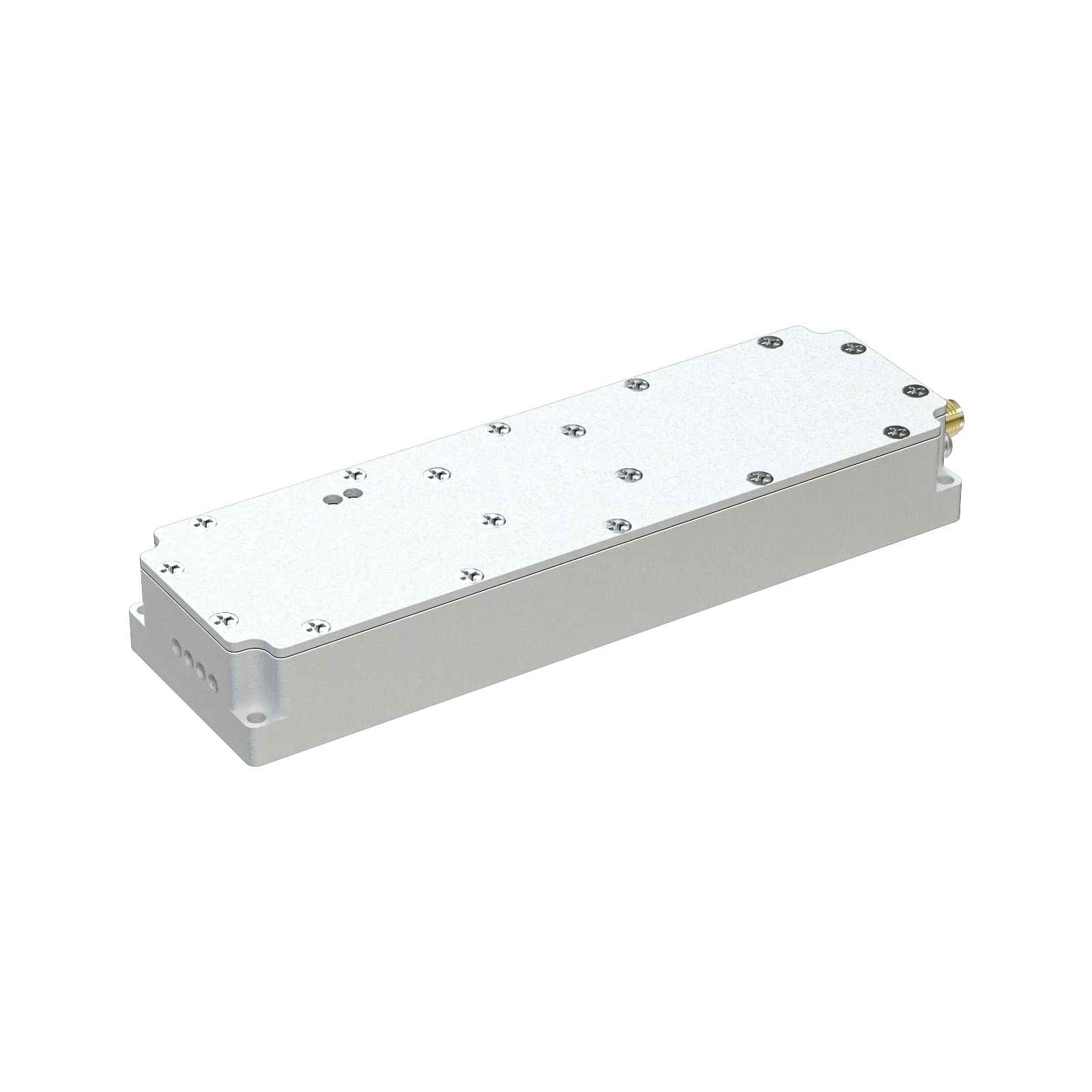
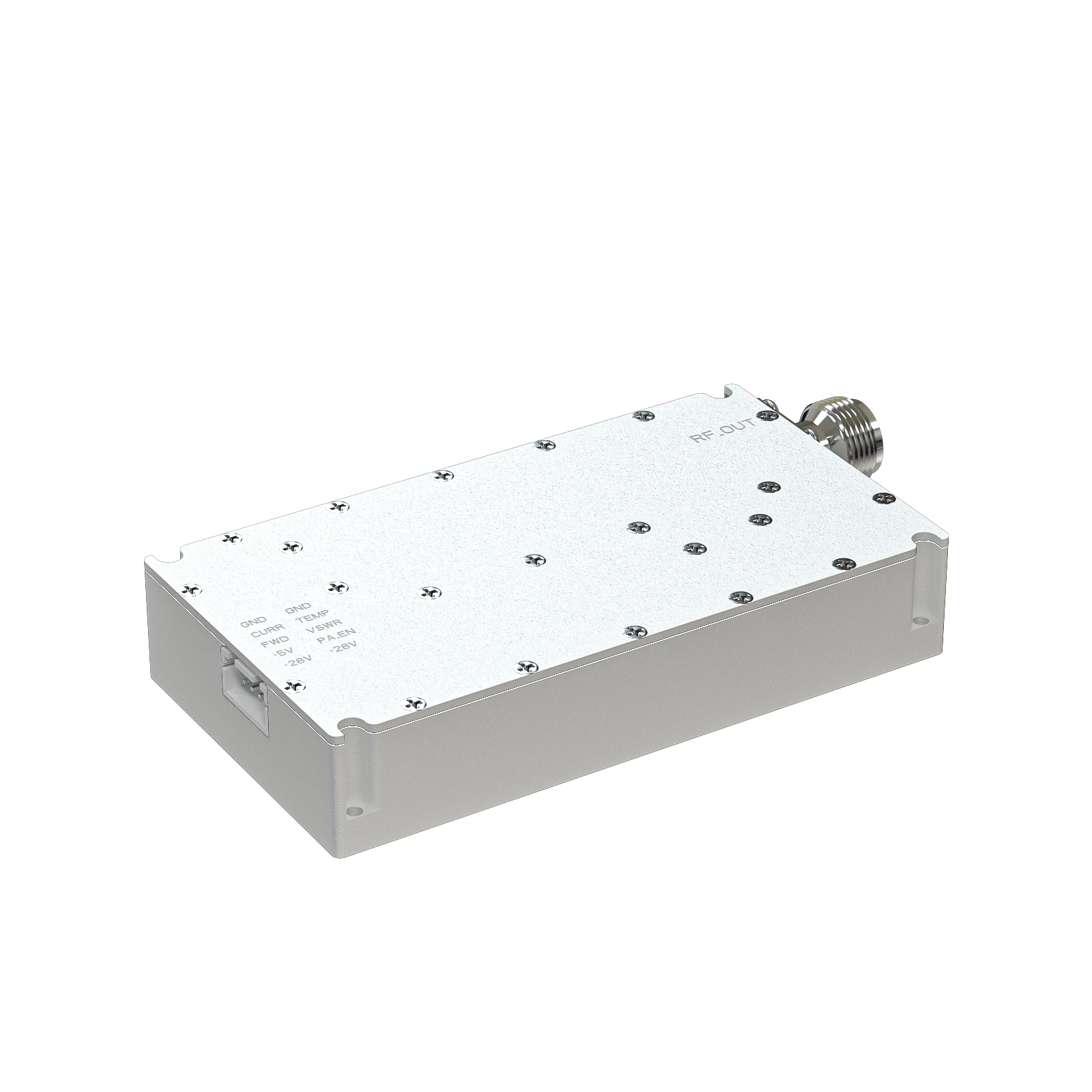
Advanced Connectivity Solutions for Myanmar via cyrf6936 module

Empowering Myanmar's industrial infrastructure with high-performance wireless transmission and customized RF hardware integration.

Advanced Connectivity Solutions for Myanmar via cyrf6936 module

Providing robust, long-range, and low-power wireless communication hardware designed to bridge the digital divide in Myanmar's challenging terrains.

Wireless Infrastructure Landscape in Myanmar

Analyzing the current state of RF communication in Southeast Asia's emerging market.

Myanmar's geography, characterized by dense jungles and mountainous regions, creates significant signal attenuation challenges. Local industries are increasingly adopting the cc1120 module to establish stable sub-GHz links that can penetrate foliage and urban obstacles more effectively than traditional high-frequency systems.

Economically, there is a surge in demand for low-cost, scalable wireless nodes. The proliferation of diy rf module implementations is evident among local tech startups and agricultural cooperatives aiming to automate irrigation and soil monitoring without expensive proprietary infrastructure.

Furthermore, the shift toward professional-grade industrial automation has led to a growing requirement for a reliable oem rf module supply chain, ensuring that local manufacturers can integrate certified wireless components into their equipment for regional export.
Evolution of RF Transmission in Myanmar

From basic analog radio to sophisticated digital transceiver networks.

Market Development History

In the early 2010s, wireless communication in Myanmar relied heavily on legacy analog systems and basic VHF/UHF radios for critical logistics and security, lacking synchronization and data encryption.

Between 2015 and 2020, the transition to digital modulation began. The introduction of the cellular transceiver module allowed for the first wave of wide-area IoT deployments, connecting remote rural areas to central hubs via existing mobile networks.

From 2021 onwards, there has been a strategic shift toward hybrid networks. Developers are now combining cellular backhaul with local mesh networks using the cyrf6936 module to ensure operational continuity during network outages.

Future Development Trends

Integration of LPWAN and Satellite

Future trajectories indicate a convergence of low-power wide-area networks with satellite links to ensure 100% coverage across Myanmar's border regions.

AI-Driven Frequency Adaptation

Search trends show a spike in "adaptive frequency hopping," suggesting that future modules will automatically bypass interference in congested urban areas like Yangon.

Edge Computing at the Node

The move toward processing data at the transceiver level will reduce latency and bandwidth consumption for critical industrial monitoring.

RF Industry Outlook and Strategic Forecast

Predicting the trajectory of wireless communication hardware over the next 5 years.

Ultra-Low Power Consumption
Optimization of sleep currents in transceivers to allow sensor nodes to operate for 10+ years on a single battery.
Enhanced Encryption Protocols
Implementing AES-256 at the hardware level to secure critical industrial and government data transmissions.
Multi-Band Versatility
Development of modules capable of switching between multiple RF bands to avoid local regulatory conflicts.
Modular Hardware Ecosystems
Standardization of plug-and-play RF modules to accelerate the prototyping phase for local engineers.

Industry Outlook

Based on Google search trends for industrial IoT in the MEA and Asia regions, there is a clear trajectory toward autonomous "dark factories" and smart agriculture. In Myanmar, this will likely manifest as an increased demand for robust RF links that can withstand high humidity and extreme temperatures.

We anticipate that within 3-5 years, the integration of AI-optimized signal processing will become the standard, allowing wireless modules to maintain connectivity even in high-interference environments, drastically reducing the cost of infrastructure maintenance.

Localized RF Application Scenarios in Myanmar

Real-world implementations of wireless technology tailored to Myanmar's unique environment.

01. Remote Agricultural Monitoring in Shan State

Utilizing the cc1120 module for long-range soil moisture and temperature sensing, enabling farmers to optimize water usage across hilly terrains.

02. Urban Smart Metering in Yangon

Deploying cyrf6936 module based mesh networks for automated electricity and water meter reading, reducing manual labor in densely populated areas.

03. Logistics Tracking for Port Operations

Integrating cellular transceiver module technology for real-time container tracking and vessel coordination at major shipping hubs.

04. Industrial Prototype Development for SMEs

Providing diy rf module kits for local engineering students and startups to accelerate the development of custom wireless controllers.

05. Custom Telemetry for Mining Equipment

Supplying high-durability oem rf module components for heavy machinery telemetry in remote mining sites, ensuring safe operations through remote monitoring.

Brand Story

Global Development Journey of Shenzhen Jiachen Communication Co., Ltd.

Foundational Innovation

Started with a vision to simplify RF complexity, focusing on creating stable and accessible wireless components for the global electronics market.

Global Market Expansion

Expanded distribution networks across Asia, specializing in adapting hardware to meet the diverse regulatory requirements of different countries.

Industrial Grade Specialization

Shifted focus toward high-reliability OEM solutions, solving critical signal drop issues for industrial clients in extreme environments.

IoT Ecosystem Integration

Developed a comprehensive ecosystem where RF modules seamlessly integrate with cloud platforms for end-to-end data transparency.

Commitment to Connectivity

Today, we strive to empower emerging markets like Myanmar by providing the building blocks for their digital industrial revolution.

Wireless Communication FAQ for Myanmar

Technical guidance and common inquiries regarding RF module deployment.

Which cc1120 module frequency is best for jungle environments in Myanmar?

Sub-GHz frequencies, particularly those around 433MHz or 868/915MHz, are ideal as they offer better diffraction and penetration through dense foliage compared to 2.4GHz signals.

How can I integrate a cellular transceiver module into existing industrial machinery?

Integration typically involves using UART or SPI interfaces to connect the module to your main MCU, followed by configuring the APN settings for local Myanmar carriers.

Is the cyrf6936 module suitable for low-power battery operated sensors?

Yes, it is specifically designed for low-power applications, featuring optimized current consumption during transmission and reception, making it perfect for long-term remote deployments.

What are the advantages of using an oem rf module over generic boards?

OEM modules provide consistent performance, certified signal stability, and professional shielding, which are critical for industrial-grade products intended for commercial sale.

Can I use a diy rf module for professional agricultural automation?

While great for prototyping and small-scale pilots, we recommend transitioning to industrial-grade modules for full-scale deployment to ensure reliability against humidity and temperature fluctuations.

How do I handle signal interference in urban areas like Mandalay?

Implementing frequency hopping spread spectrum (FHSS) or utilizing modules with high selectivity and narrow-band filters can significantly mitigate urban noise and interference.

Ready to Upgrade Your Wireless Infrastructure?

Contact our expert engineers today for customized RF solutions tailored specifically for the Myanmar market.

Contact Us Now

If you are interested in our products, you can choose to leave your information here, and we will be in touch with you shortly.


en_USEnglish