

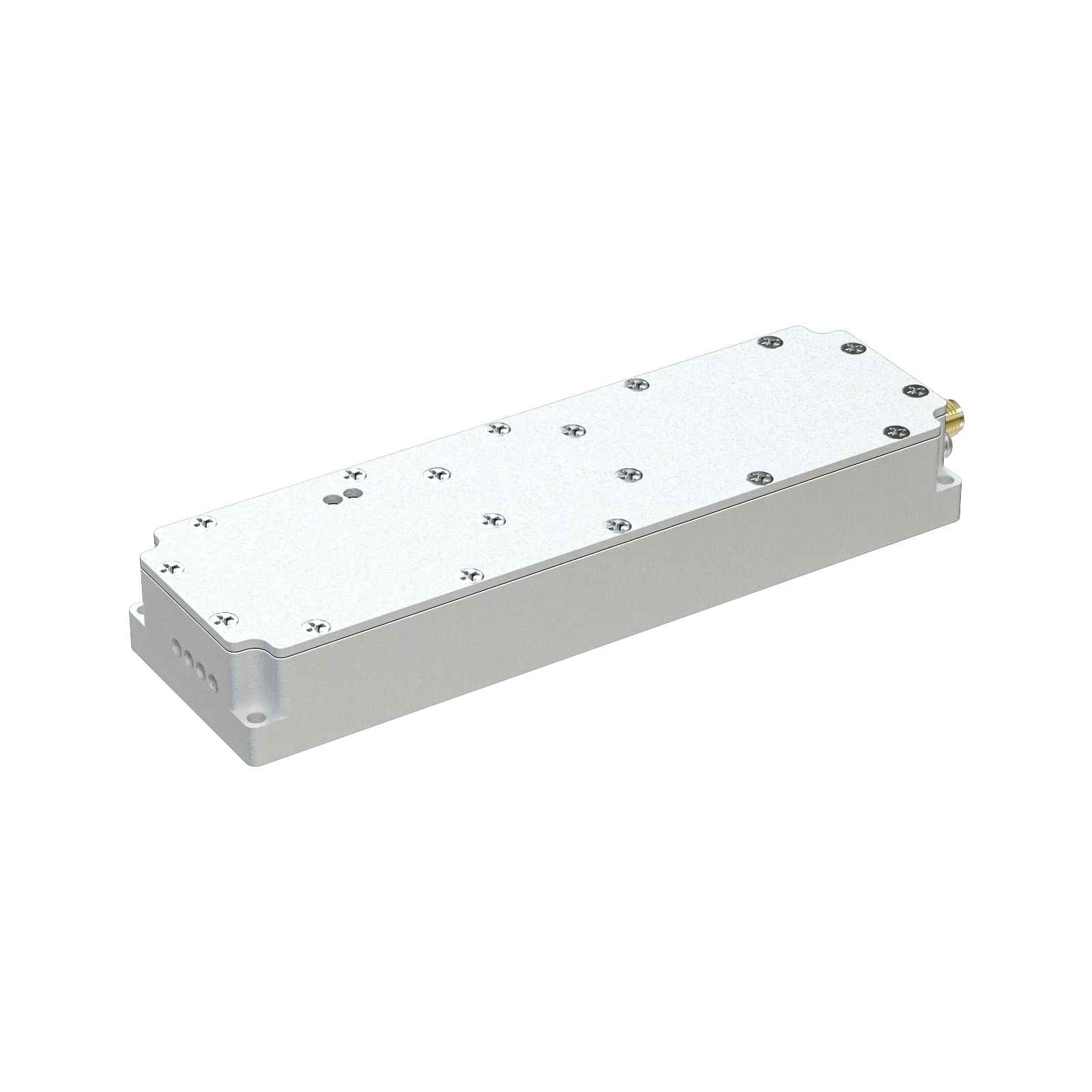
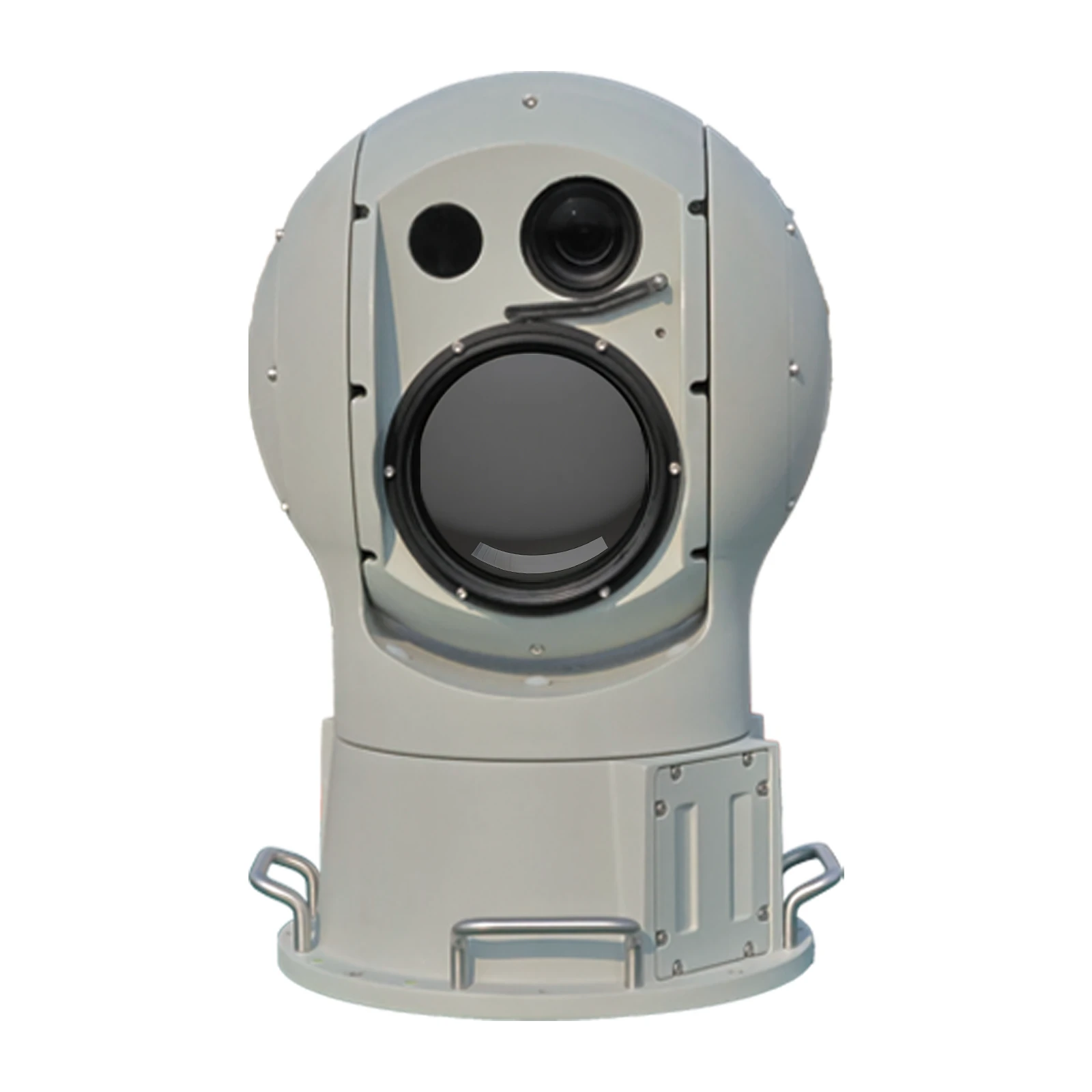
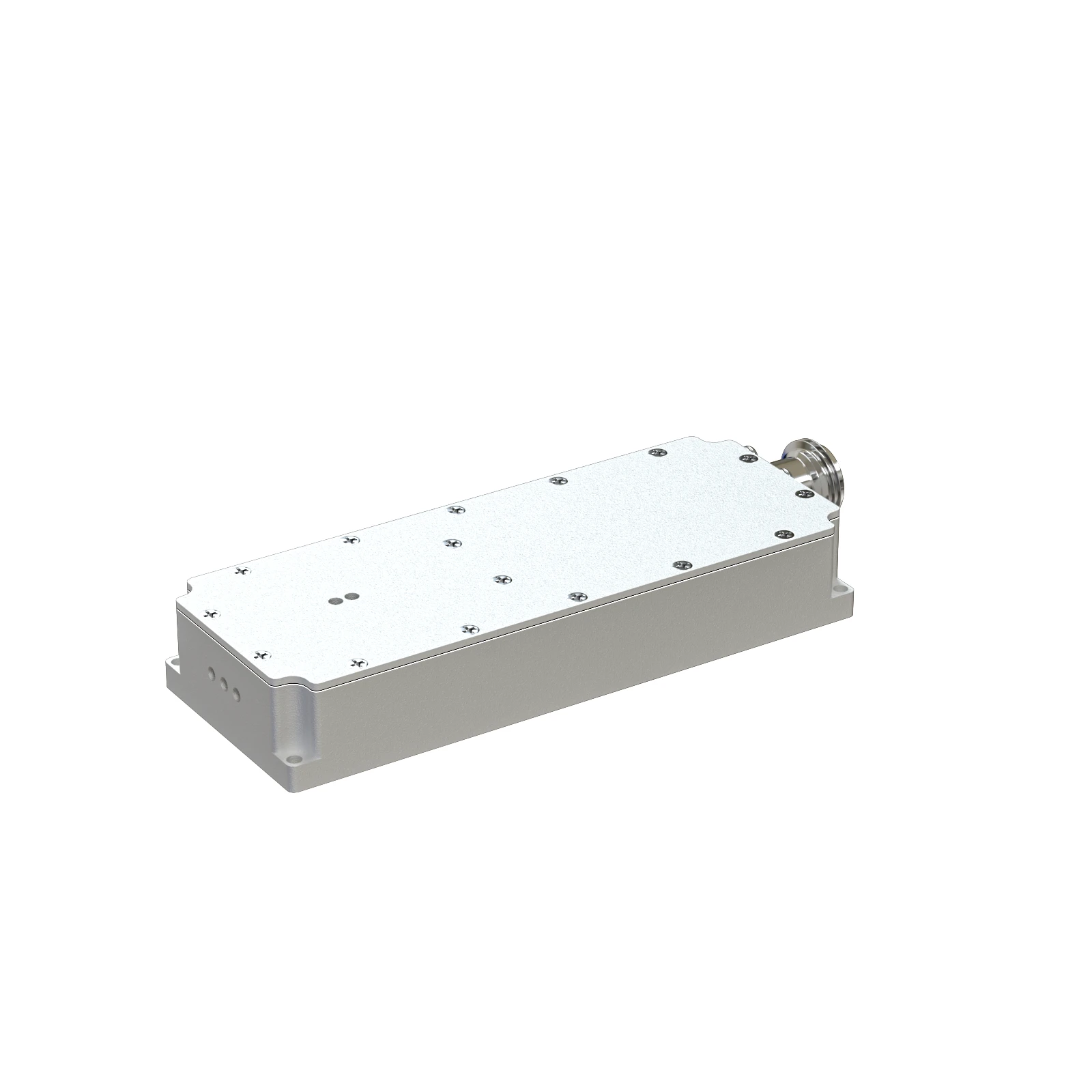
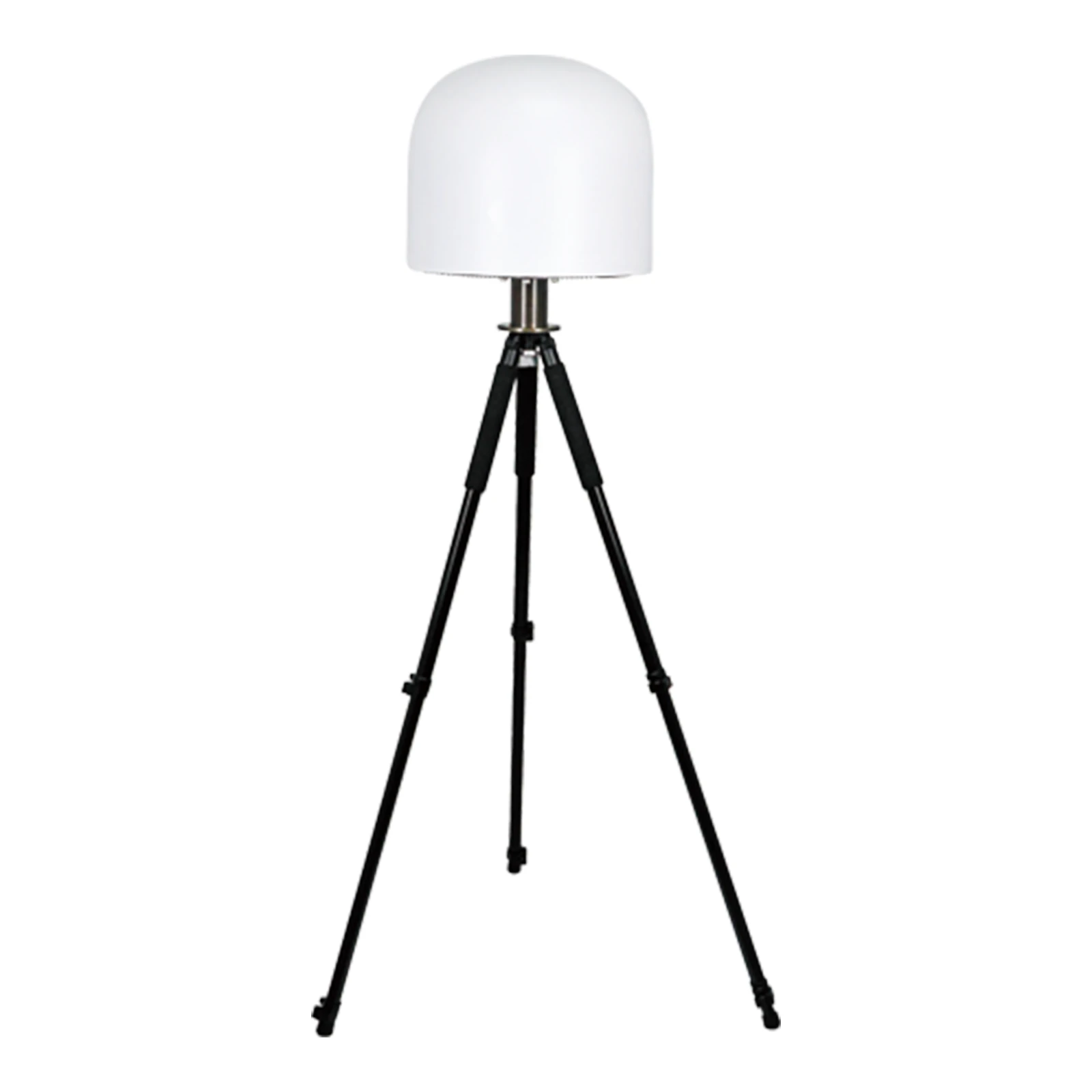
Germany's wireless communication sector is characterized by a relentless pursuit of "Industrie 4.0" standards. In regions like Baden-Württemberg and Bavaria, the demand for highly stable cellular transceiver module integration is soaring as factories transition to fully autonomous logistics. The local market prioritizes electromagnetic compatibility (EMC) and long-term hardware lifecycle stability over low-cost iterations.
Environmental factors in Germany, including the prevalence of dense industrial concrete structures and strict regulatory frameworks (BNetzA), necessitate RF solutions that offer superior penetration and interference rejection. This has led to a surge in the adoption of specialized cc1120 module implementations for sub-GHz telemetry, ensuring connectivity where standard Wi-Fi fails.
Furthermore, the strong presence of the "Mittelstand" (small-to-medium enterprises) creates a unique niche for highly customizable hardware. There is a significant trend toward integrating a diy rf module approach during the R&D phase to rapidly prototype bespoke sensors before moving to mass production.
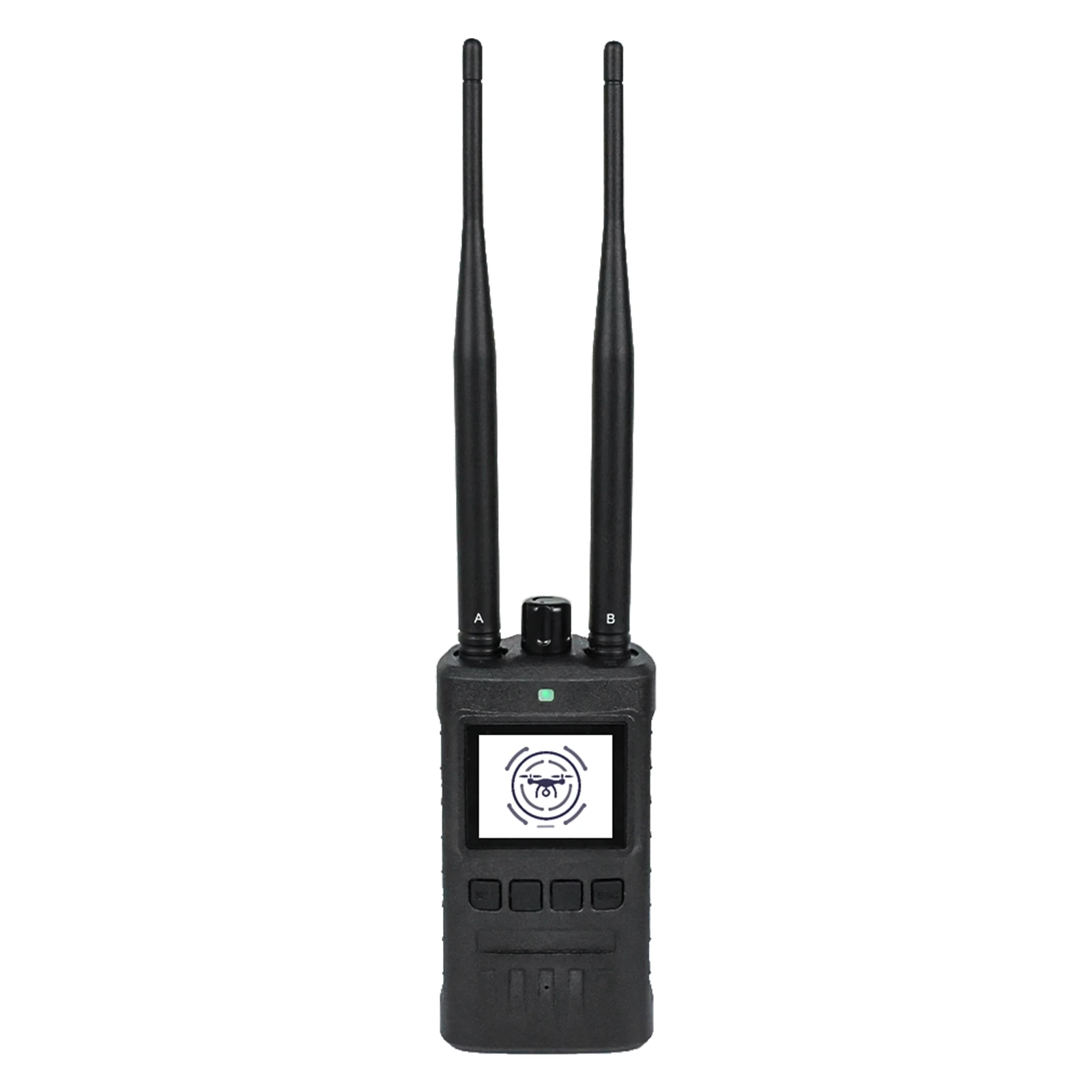
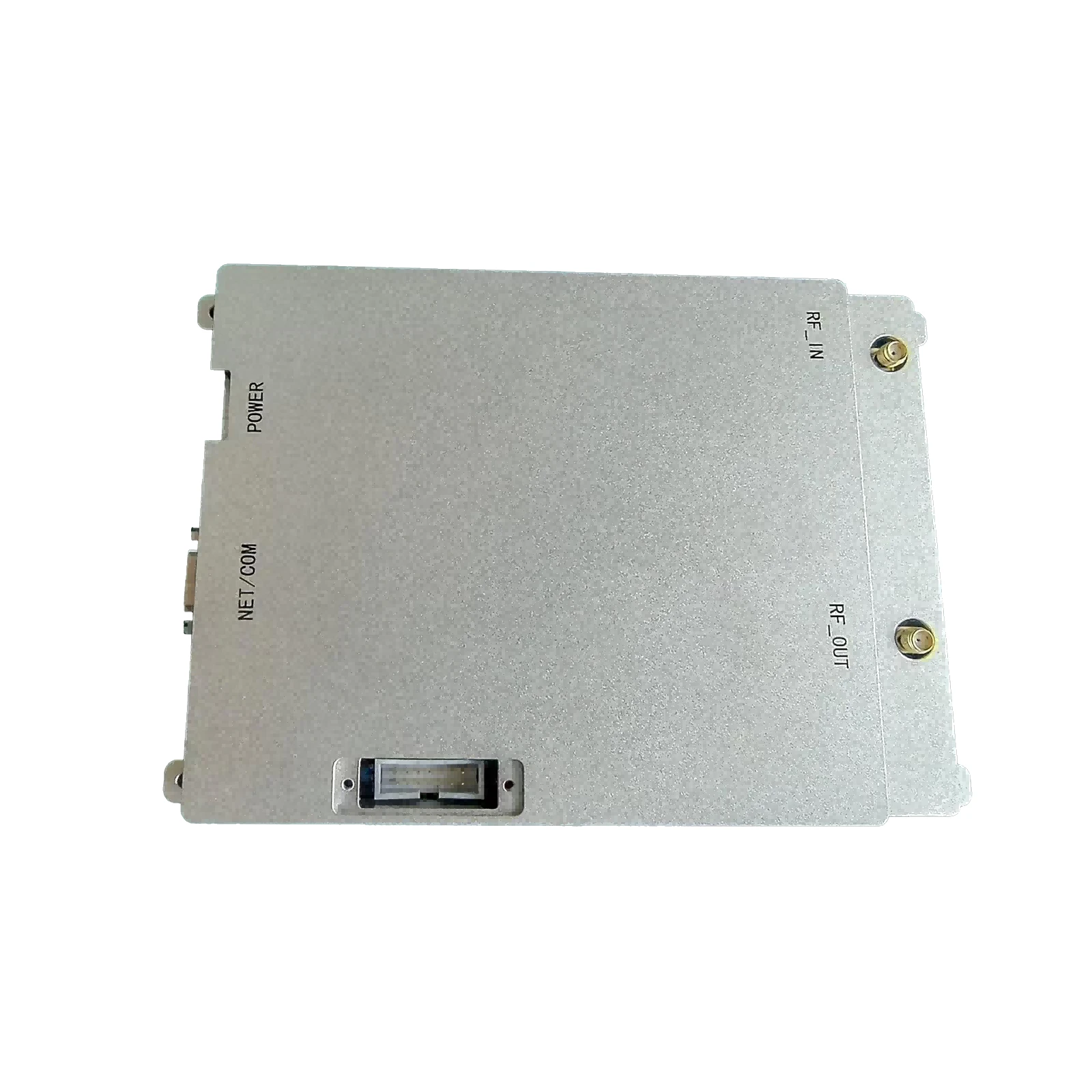
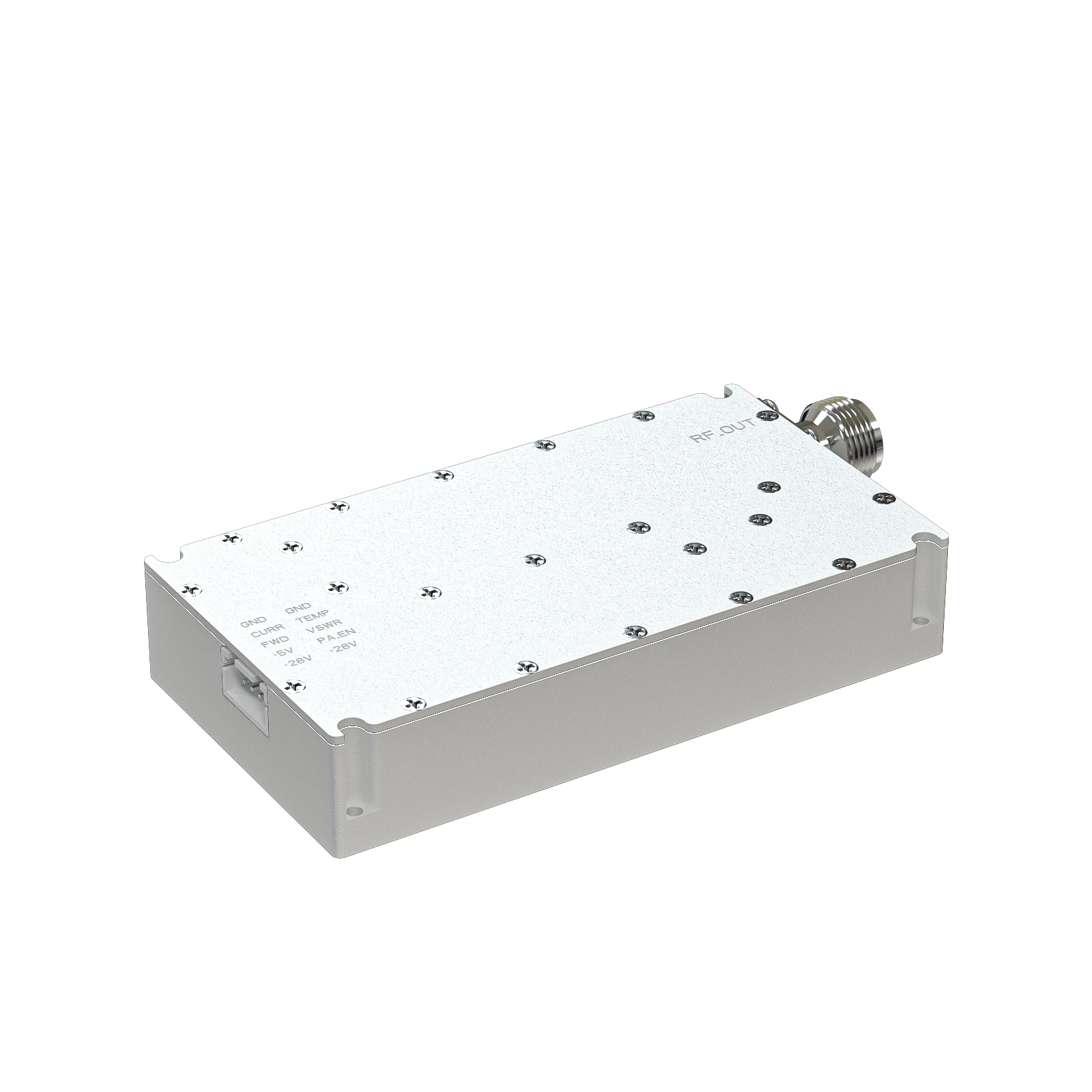
 English
  Arabic
  Belarusian
  Danish
  Dutch
Dutch  French
  German
  Greek
Greek  Japanese
  Korean
  Myanmar
  Polish
  Portuguese
  Russian
  Spanish
  Swedish
  Thai
Thai  Ukrainian
  Vietnamese