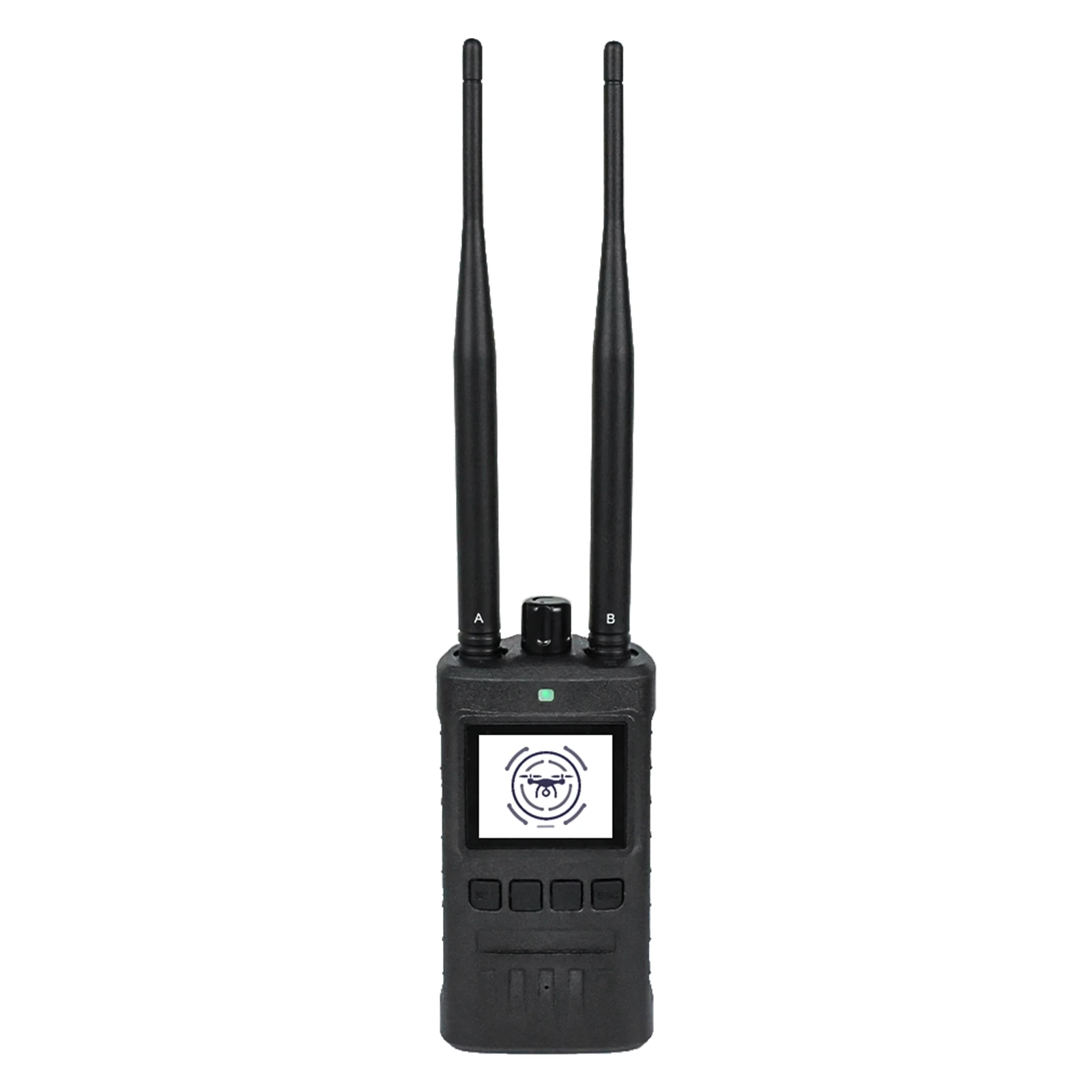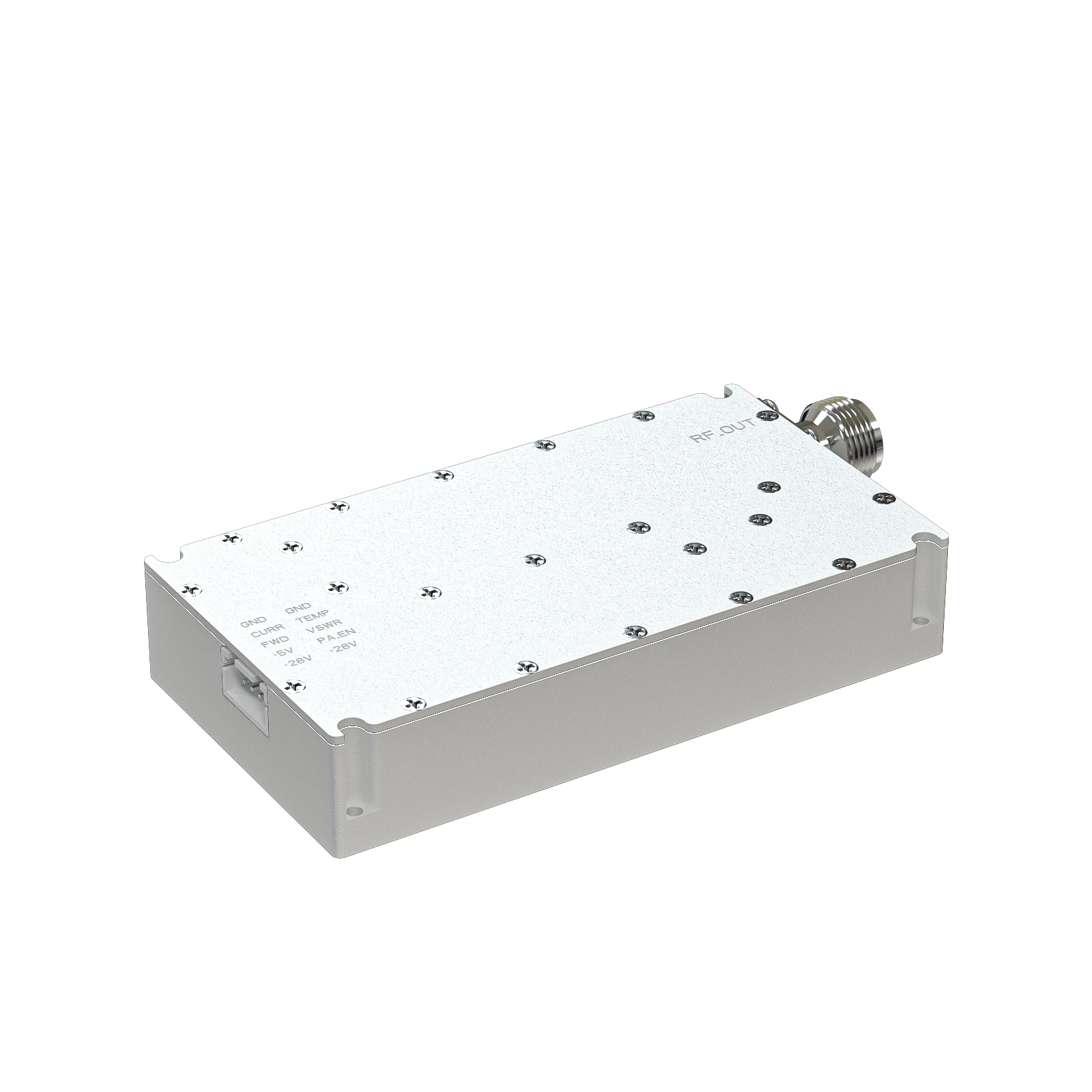
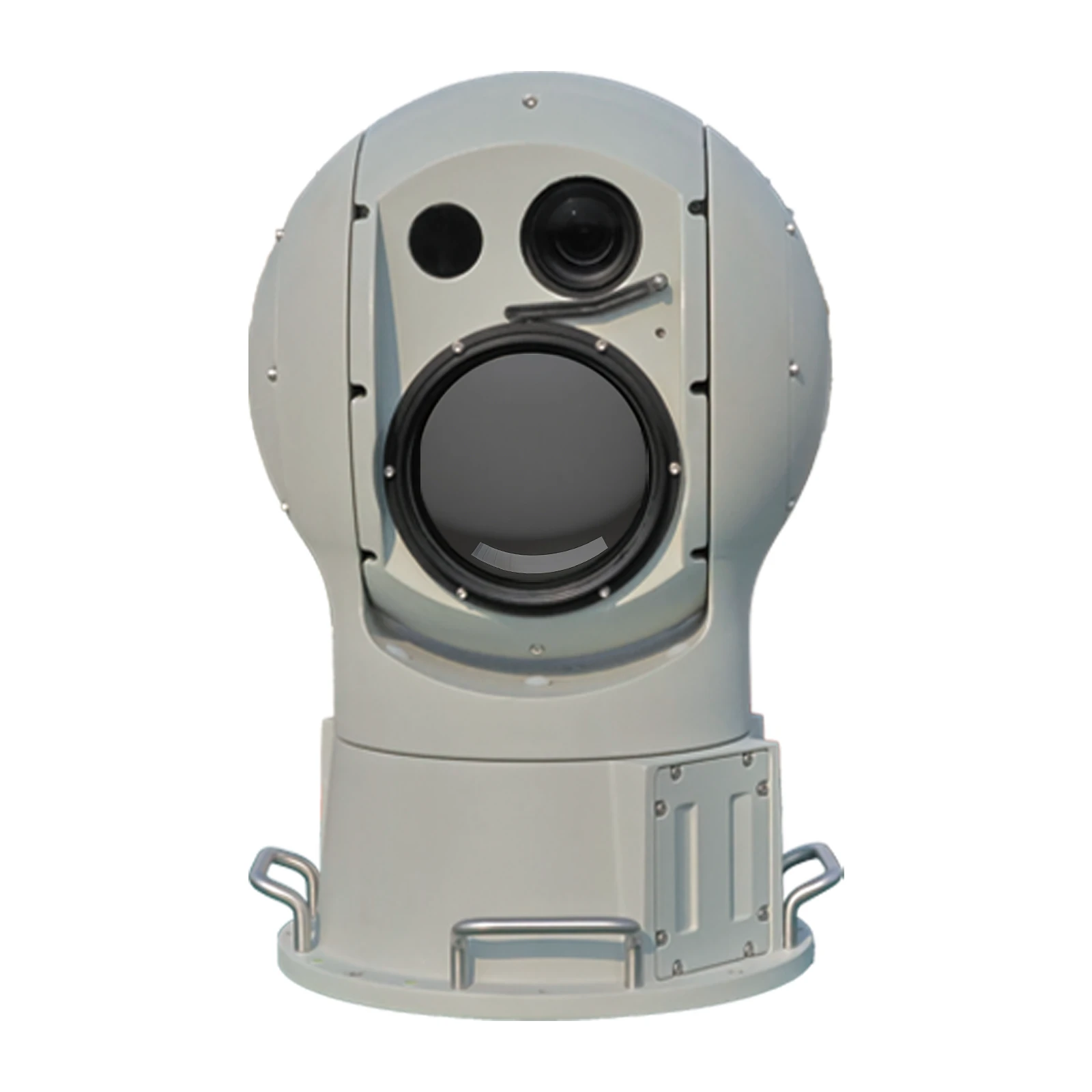
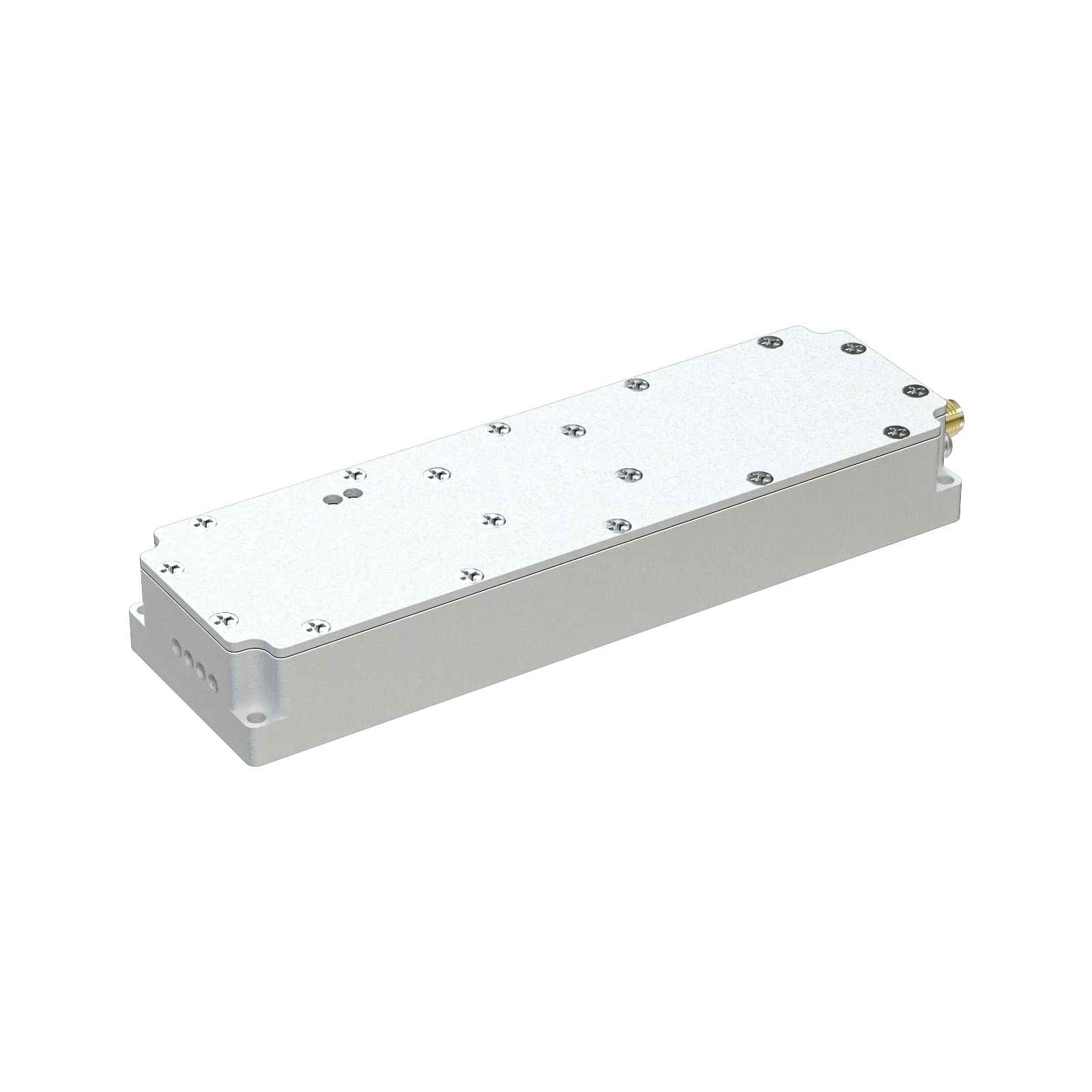
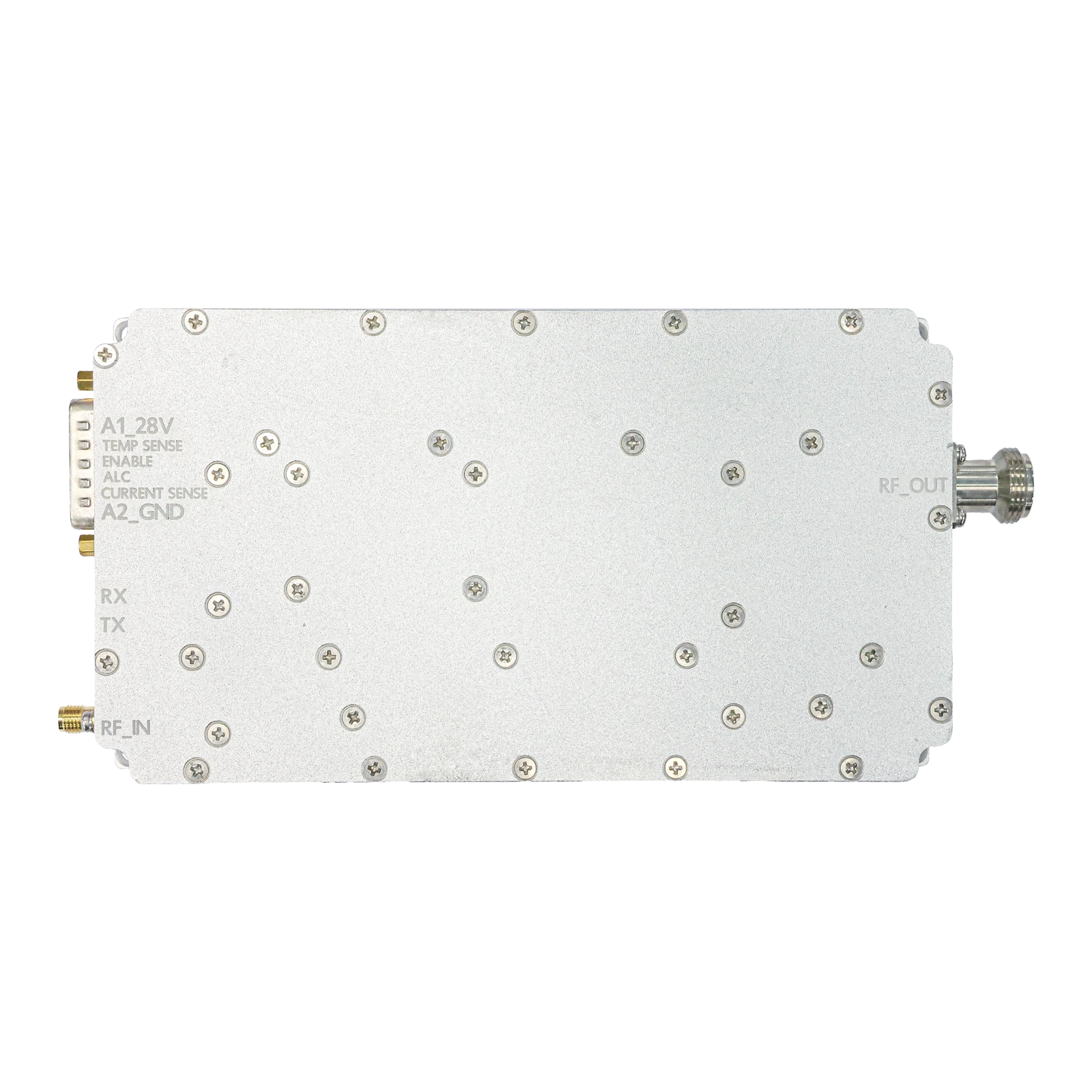
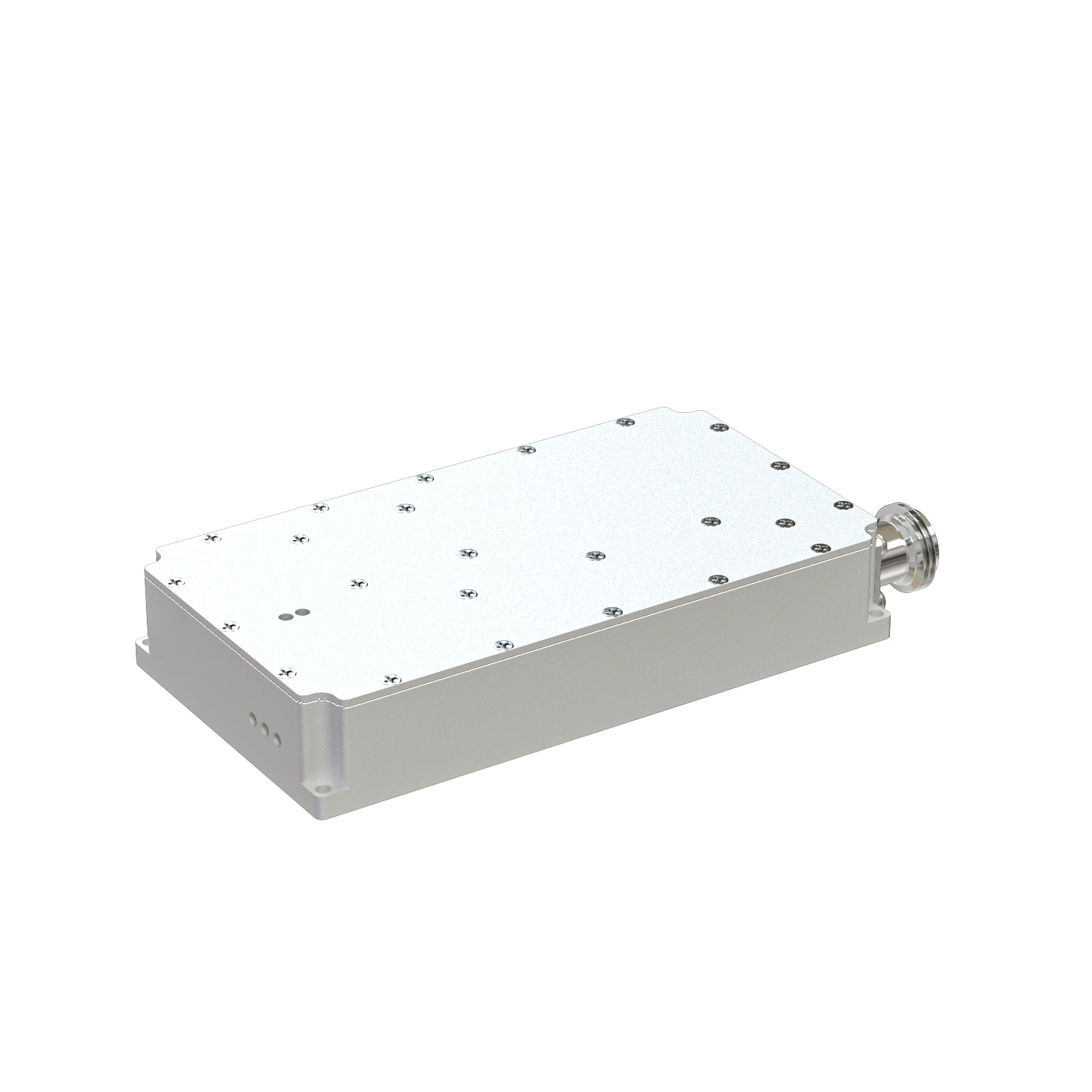
Advanced Wireless Connectivity Solutions featuring cyrf6936 module for Laos

Empowering the Lao PDR digital infrastructure with high-performance RF transceivers and industrial-grade wireless communication hardware.

Advanced Wireless Connectivity Solutions featuring cyrf6936 module for Laos

We provide a comprehensive suite of radio frequency components designed to overcome the geographical challenges of Asia - Laos, ensuring stable data transmission across diverse terrains.

Wireless Communication Landscape in Laos

Analyzing the adoption of RF technology in the heart of Southeast Asia.

In Asia - Laos, the wireless communication industry faces unique challenges due to the mountainous terrain and dense jungle canopy. This environment creates significant signal attenuation, making the demand for a robust cellular transceiver module critical for remote area connectivity and rural development projects.

Currently, the local market is transitioning from basic analog systems to digitized RF solutions. There is a growing trend among local engineers and tech hubs in Vientiane to integrate a diy rf module for rapid prototyping of agricultural monitoring systems and smart city initiatives.

Economic growth and the expansion of the logistics sector have increased the need for standardized industrial parts. Consequently, the shift towards a professional oem rf module is evident as local companies seek to scale their hardware production for regional export.
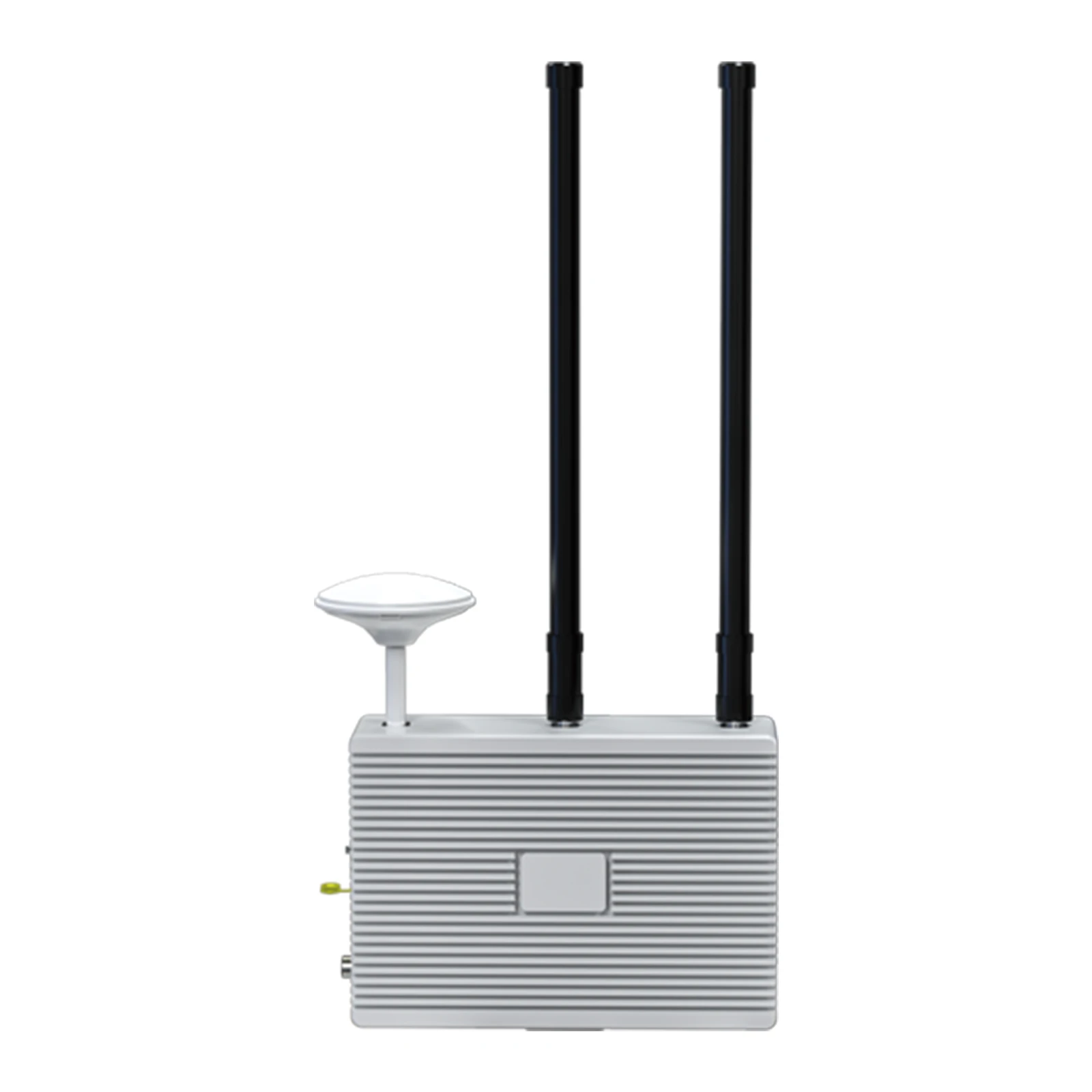
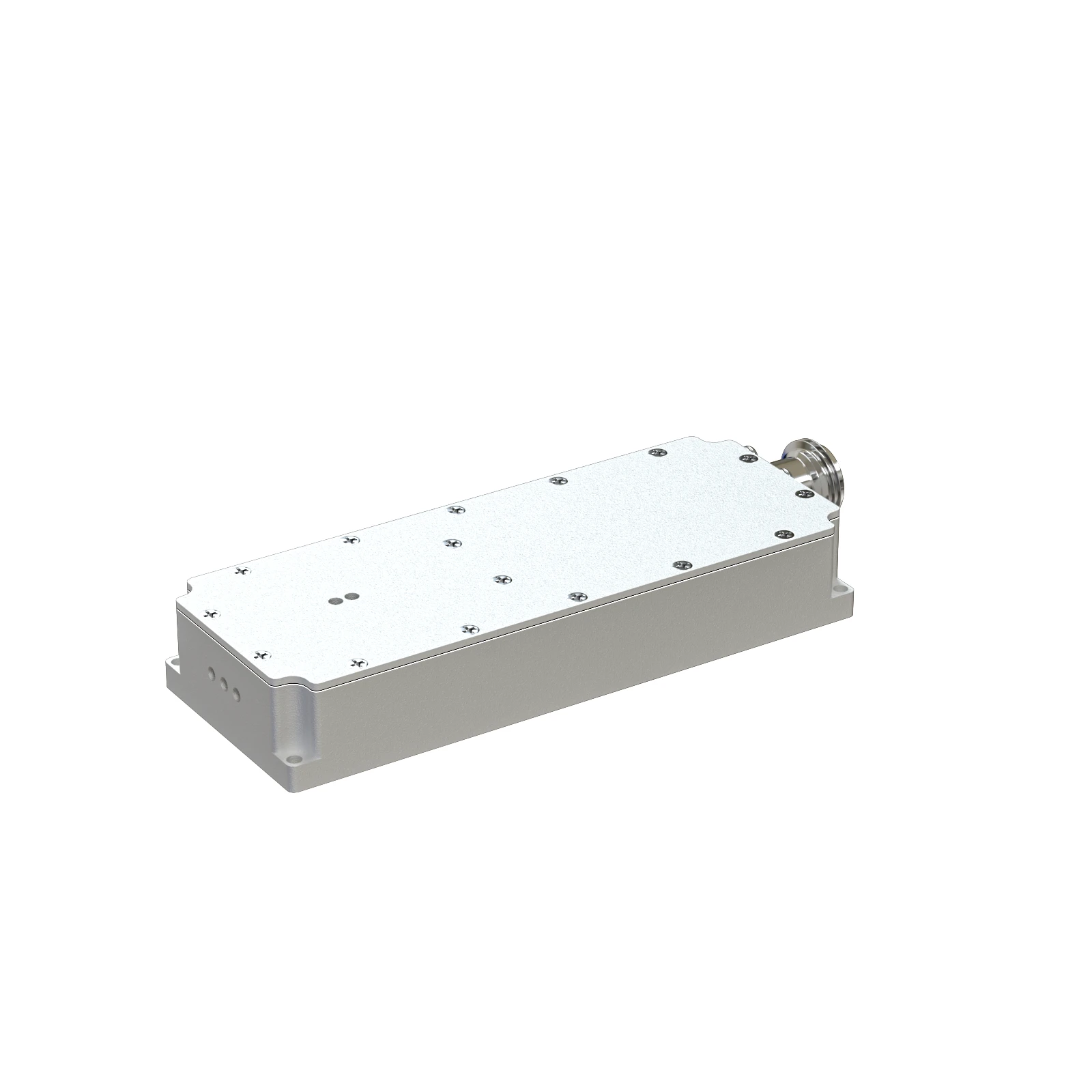
Evolution of Wireless Tech in Asia - Laos

From rudimentary radio links to sophisticated software-defined wireless systems.

Market Development History

During the early 2010s, wireless communication in Laos relied heavily on basic VHF/UHF systems for government and emergency services. Connectivity was limited, and the hardware was largely monolithic and difficult to modify.

Between 2015 and 2020, the introduction of versatile components like the cc1120 module allowed for the emergence of low-power wide-area networks (LPWAN), enabling the first waves of IoT in Lao agriculture.

Entering the 2020s, the industry has pivoted toward high-integration and energy efficiency. The adoption of advanced transceivers has allowed for more complex mesh networks that can bypass geographical obstacles common in the Lao highlands.

Future Development Trends

Hyper-Local Mesh Networking

Expect a surge in community-driven networks using optimized RF protocols to provide internet access to remote villages where traditional cabling is impossible.

AI-Driven Frequency Adaptation

Future systems will likely incorporate AI to dynamically shift frequencies to avoid interference and compensate for the humid, tropical climate of Laos.

Industrial IoT Standardization

There will be a move toward unified standards in the manufacturing sector, reducing reliance on custom builds and increasing the use of certified OEM hardware.

Strategic Trends and Future Outlook

Predicting the trajectory of wireless equipment manufacturing and deployment.

Energy Efficiency Shift
Increasing demand for ultra-low power consumption in remote sensors to maximize battery life in inaccessible areas.
Miniaturization
Integration of multiple RF functions into smaller form factors to support wearable tech and compact industrial drones.
Spectrum Optimization
Moving toward dynamic spectrum access to reduce congestion in growing urban centers like Luang Prabang.
Ruggedization
Developing hardware that can withstand extreme humidity and heat, specifically for Lao monsoon seasons.

Industry Outlook

Google search trends indicate a significant increase in queries related to "low-cost RF development" in Southeast Asia, suggesting that Laos is entering a phase of democratization of wireless hardware. The focus is shifting from expensive proprietary systems to flexible, modular architectures.

Over the next 3-5 years, we anticipate that the integration of satellite-linked RF modules will bridge the gap between remote Lao villages and global networks, transforming the local information technology landscape entirely.

Localized Applications in Laos

Practical implementations of RF technology tailored to the Lao environment.

1. Precision Agriculture in the Mekong Valley

Utilizing low-power RF modules to monitor soil moisture and pH levels in rice paddies, transmitting data across large fields to a central hub without requiring cellular coverage.

2. Wildlife Tracking in Northern Forests

Deploying ruggedized transceivers to track endangered species, utilizing long-range RF links that can penetrate thick foliage in protected national parks.

3. Rural Telemetry for Hydroelectric Dams

Implementing industrial-grade wireless sensors to monitor structural integrity and water levels at remote dam sites, ensuring real-time alerts for flood prevention.

4. Smart Logistics for Land-Linked Trade

Integrating RF tracking systems into freight transport between Thailand and China via Laos, optimizing customs processing and cargo monitoring.

5. Emergency Communication for Remote Villages

Setting up localized emergency alert systems that operate independently of the main grid, ensuring critical safety information reaches isolated communities during storms.

Brand Story

Global Development Journey of Shenzhen Jiazhen Communication Co., Ltd.

Founding Vision

Established with a mission to bridge the digital divide by providing affordable, high-performance RF components for emerging markets.

Technological Breakthrough

Developed proprietary noise-reduction algorithms that significantly increased the range of small-scale wireless transceivers.

Global Expansion

Extended our footprint into Asia - Laos and other Southeast Asian nations, tailoring hardware for tropical climates.

Industrial Certification

Achieved international quality standards, becoming a trusted partner for OEM RF hardware in the telecommunications sector.

Commitment to Innovation

Continually investing in R&D to solve the most complex signal transmission challenges in the world's most difficult terrains.

Common Questions for Wireless Tech in Laos

Expert answers to technical queries regarding RF deployment in the region.

Which cc1120 module is best for long-range transmission in mountains?

For mountainous regions in Laos, we recommend a version with a high-gain external antenna to overcome terrain obstruction and maximize the link budget.

How does the cellular transceiver module handle high humidity?

Our modules are available with industrial-grade conformal coating to protect the circuitry from moisture and corrosion during the Lao monsoon season.

Can I use a cyrf6936 module for low-power sensor networks?

Yes, it is an ideal choice due to its low current consumption in sleep mode, making it perfect for battery-operated agricultural sensors.

What are the benefits of using a diy rf module for prototypes?

DIY modules allow local engineers to quickly test frequency responses and protocol compatibility before moving to full-scale production.

Do you provide custom firmware for your oem rf module?

Yes, we offer tailored firmware development to ensure the module meets specific regional regulatory requirements and application needs in Laos.

How do I ensure interference-free communication in urban Vientiane?

We suggest implementing frequency-hopping spread spectrum (FHSS) techniques, which our advanced modules support to avoid signal collisions.

Get Expert RF Guidance

Ready to optimize your wireless infrastructure in Laos? Our technical team is here to help you choose the right hardware for your specific environment.

Contact Us Now

If you are interested in our products, you can choose to leave your information here, and we will be in touch with you shortly.


en_USEnglish