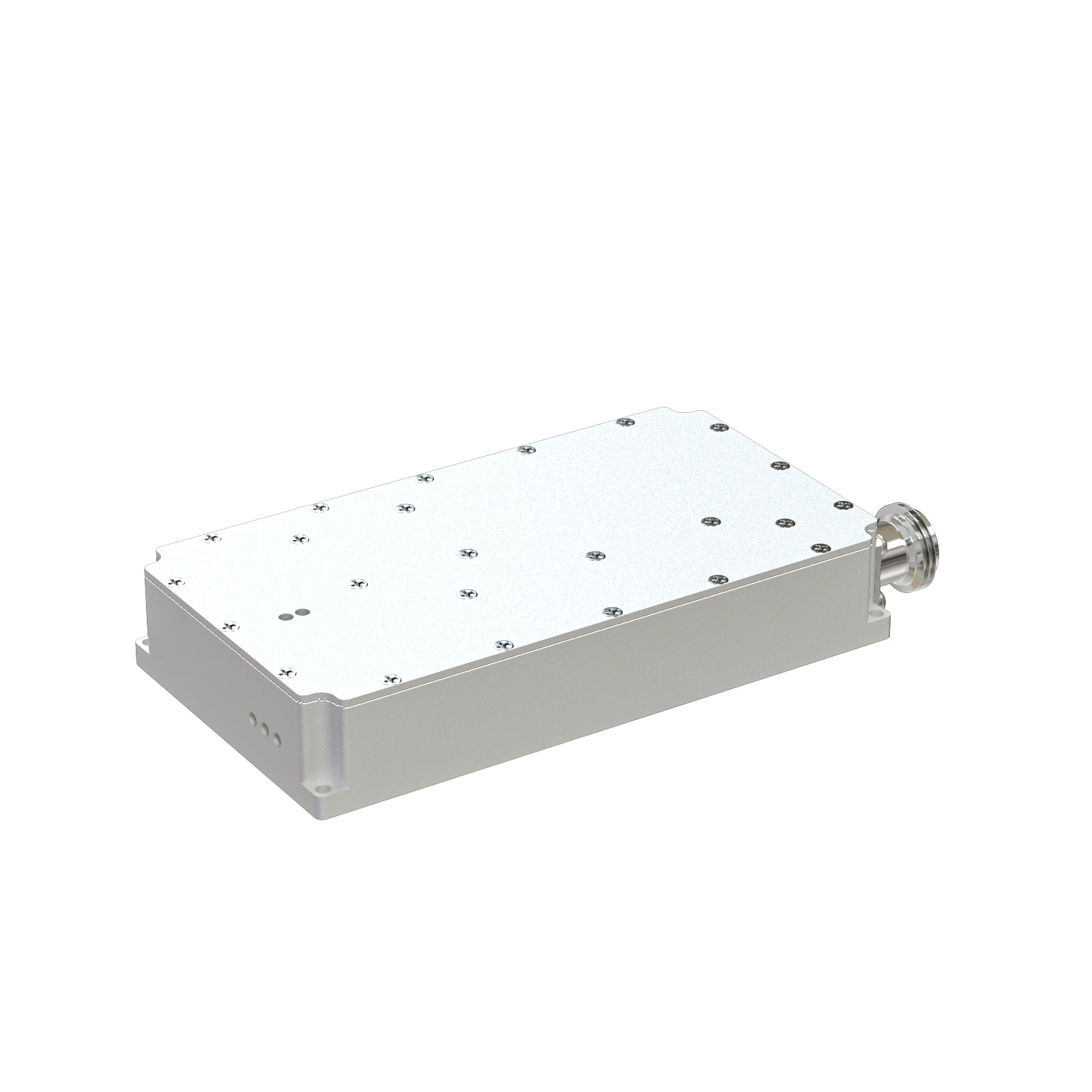
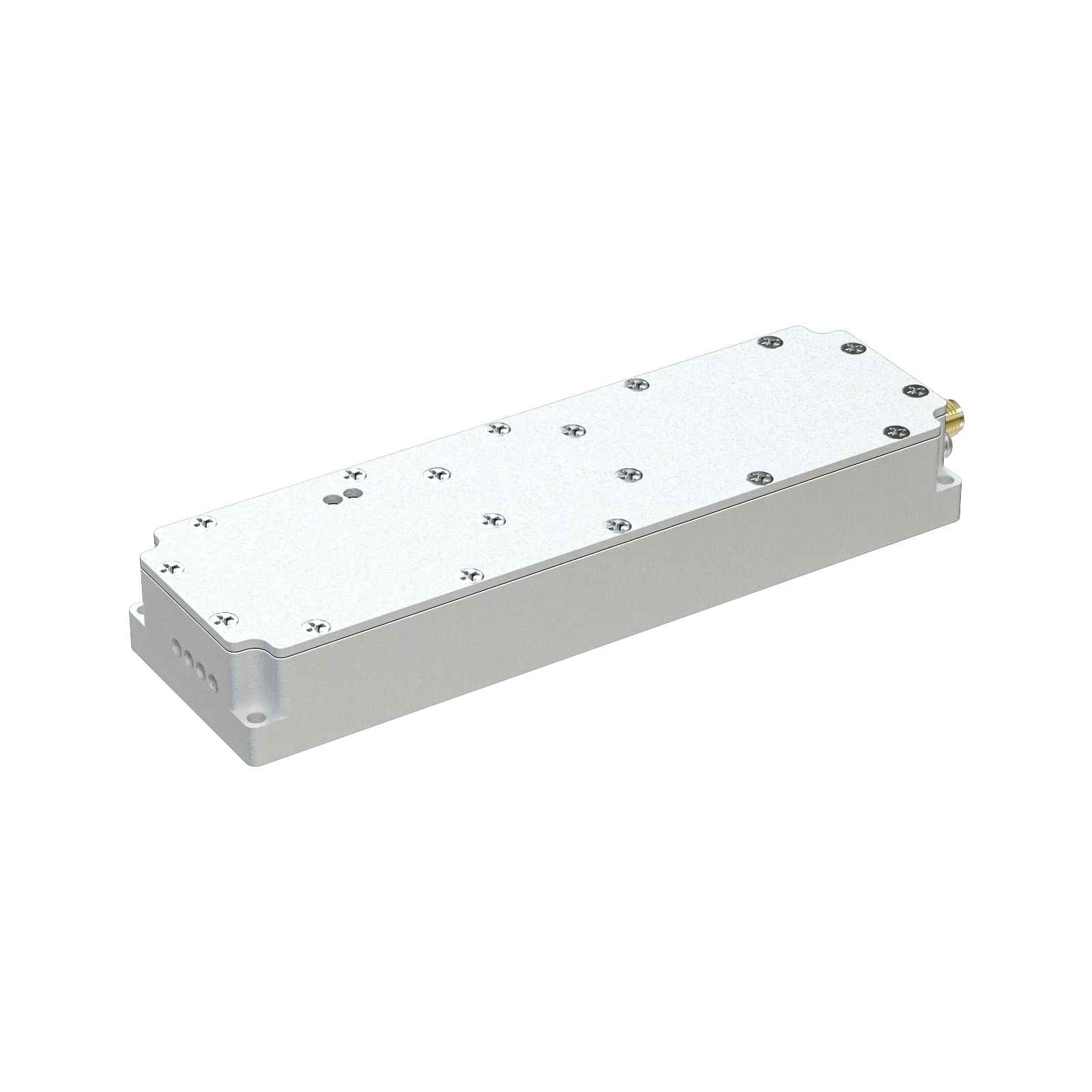
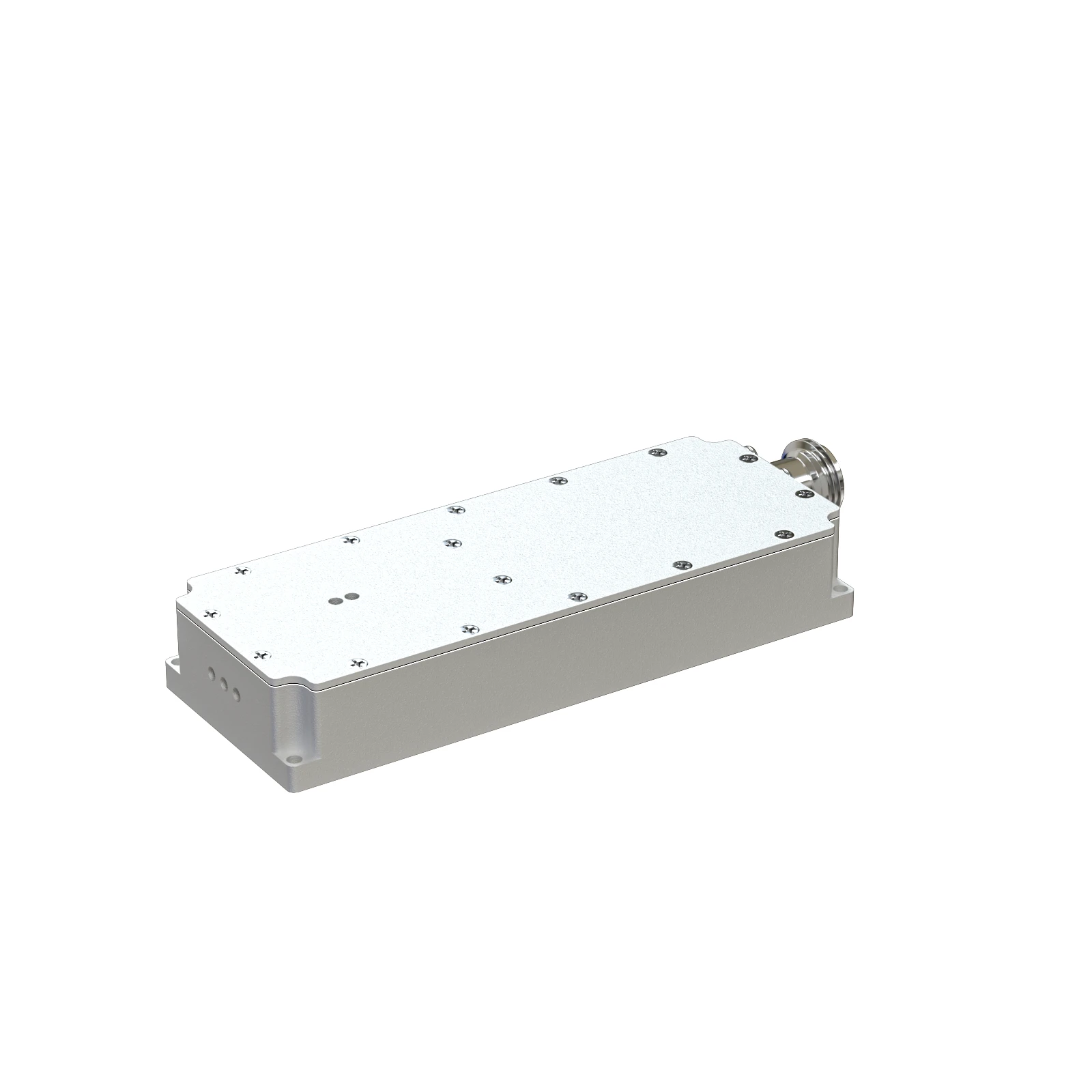
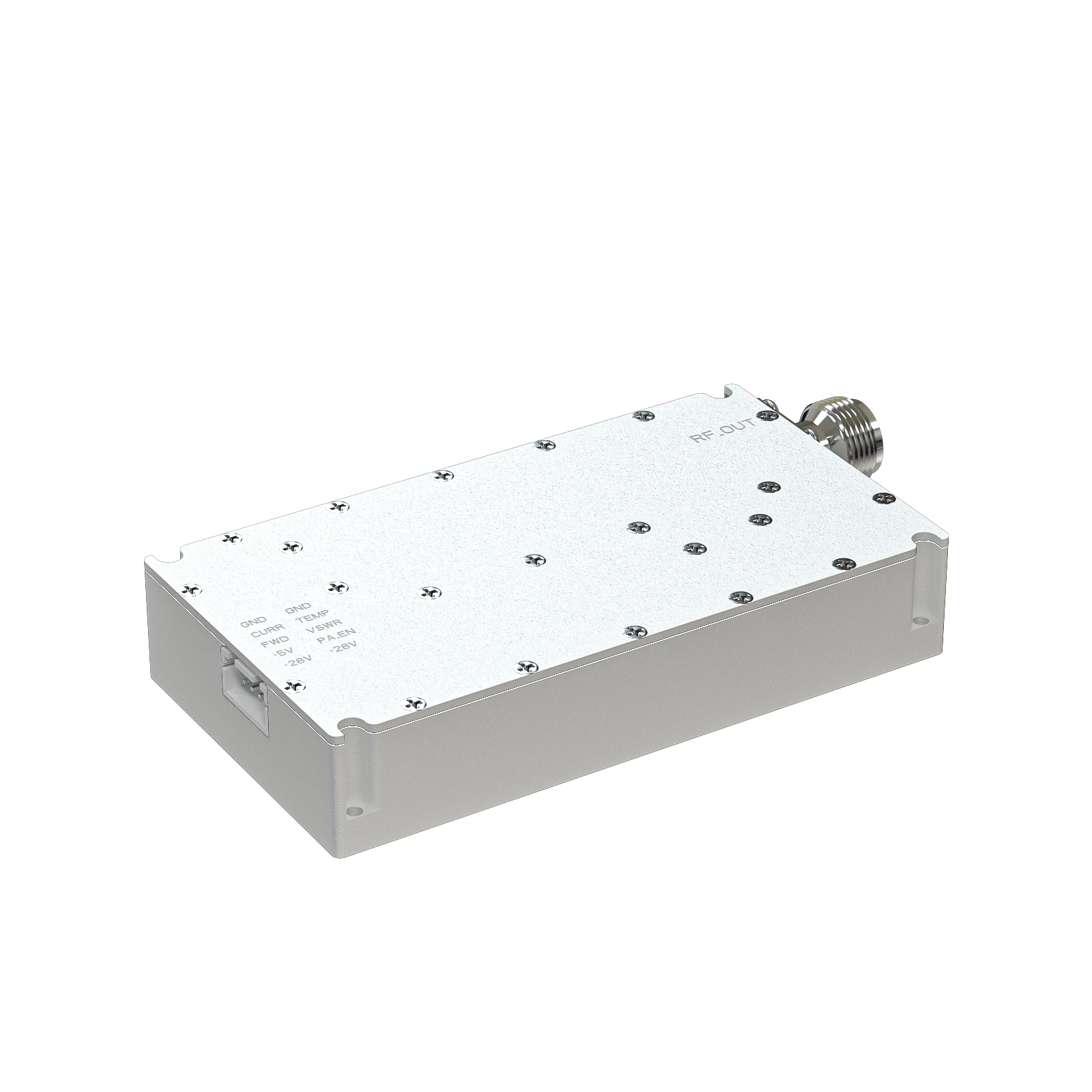
Advanced Wireless Connectivity Solutions via cyrf6936 module for Papua New Guinea

Empowering remote telecommunications and industrial automation across the rugged terrains of PNG with high-performance RF engineering.

Advanced Wireless Connectivity Solutions via cyrf6936 module for Papua New Guinea

Providing the most resilient wireless communication infrastructure for Oceania's challenging landscapes using cutting-edge transceiver technology.

The State of Wireless Communication in Papua New Guinea

Analyzing the intersection of geography and RF connectivity

Papua New Guinea presents a unique challenge for information transmission due to its extreme topography and dense rainforests. The reliance on a cellular transceiver module is high in urban centers like Port Moresby, yet vast rural areas remain digitally isolated, demanding long-range, low-power RF alternatives.

The local industry is currently transitioning from basic analog systems to digital software-defined radio. The demand for a reliable oem rf module has surged as mining and forestry companies seek to automate monitoring in areas where traditional cellular coverage is non-existent.

Climatic factors, including high humidity and heavy rainfall, necessitate hardware that is not only electronically stable but physically robust. This environment favors the deployment of specialized RF components that can penetrate dense vegetation and withstand extreme atmospheric conditions.
Evolution of RF Technology in Oceania

From legacy radio to intelligent wireless modules

Market Development History

In the early 2000s, wireless communication in PNG relied heavily on high-power VHF/UHF radios for basic voice transmission. These systems were bulky and lacked the data capacity required for modern industrial telemetry.

Between 2010 and 2020, the shift toward integrated circuits led to the adoption of the cc1120 module, allowing for more compact, energy-efficient data links. This period marked the beginning of SCADA integration in the region's resource sectors.

Today, the market is defined by a move toward agility and customization. The rise of the diy rf module culture among local engineers has accelerated the prototyping of site-specific communication tools for remote environmental monitoring.

Future Development Trends

LPWAN Integration

The integration of Low Power Wide Area Networks will likely replace short-range links to cover wider geographical spans across the Highlands.

Edge Computing Synergy

Wireless modules will increasingly be paired with edge AI to process data locally before transmitting via cellular or RF links, reducing bandwidth costs.

Cognitive Radio Adaptation

Future systems will utilize dynamic frequency selection to avoid interference in increasingly crowded spectrums in urban coastal areas.

Industry Trends and Future Outlook

Strategizing the next decade of wireless infrastructure

Spectrum Optimization
Moving toward smarter frequency hopping to ensure link stability in mountainous regions.
Energy Independence
Pairing RF modules with high-efficiency solar harvesting for perpetual remote operation.
Miniaturization
Transitioning to smaller footprints without sacrificing transmission power or sensitivity.
Mesh Networking
Deploying self-healing mesh grids to overcome signal blocking by mountainous terrain.

Industry Outlook

The trajectory of the wireless industry in Papua New Guinea is moving toward a hybrid model. By combining long-range RF modules with satellite backhaul, the region can finally bridge the connectivity gap.

Search trends indicate a growing interest in customized RF solutions, suggesting that "off-the-shelf" products are being replaced by tailored engineering to meet specific environmental needs.

Localized RF Application Scenarios in PNG

Practical implementations for real-world challenges

01. Remote Mining Telemetry

Using an oem rf module to transmit geological sensor data from remote pits to central hubs without needing expensive fiber cabling.

02. Rainforest Wildlife Monitoring

Implementing low-power cyrf6936 module based trackers to monitor endangered species movements across dense canopy covers.

03. Rural Health Alert Systems

Creating emergency trigger networks using a cc1120 module to connect village clinics to district hospitals via sub-GHz frequencies.

04. Agricultural Asset Tracking

Deploying a cellular transceiver module for high-value livestock tracking in coastal plantations where 4G coverage is available.

05. Community-Driven Mesh Networks

Leveraging the diy rf module ecosystem to build low-cost, community-maintained communication grids in remote highlands.

Brand Story

Global Development Journey of Shenzhen Jiajinn Communication Co., Ltd.

The Foundation of Precision

Established with a focus on high-frequency communication, we began by solving the basic stability issues of RF transmission for industrial clients.

Globalized R&D

We expanded our research to include diverse environmental testing, ensuring our modules work in everything from arctic cold to tropical humidity.

Bridging the Digital Divide

Our mission evolved to provide affordable, high-performance connectivity to underdeveloped regions, focusing on "last-mile" wireless solutions.

Industrial Standardization

By perfecting our OEM processes, we became a trusted partner for global enterprises needing reliable wireless components at scale.

Sustainable Connectivity

Today, we focus on energy-efficient RF designs that reduce the carbon footprint of global communication networks.

PNG Wireless Technology FAQ

Expert answers to local technical challenges

How does the cc1120 module perform in high-humidity rainforests?

The module is designed for stability; however, for PNG rainforests, we recommend industrial-grade conformal coating to prevent moisture-induced short circuits.

What is the best cellular transceiver module for remote coastal areas?

We suggest modules with wide-band frequency support to ensure compatibility with various local carrier bands available in coastal provinces.

Can a cyrf6936 module be used for long-range telemetry in the Highlands?

Yes, by optimizing the antenna gain and utilizing sub-GHz frequencies, it can achieve significant range despite the undulating terrain.

Are diy rf module kits suitable for university projects in Port Moresby?

Absolutely. They provide an excellent hands-on way for students to learn about modulation and signal processing in a controlled environment.

What certifications are required for an oem rf module in PNG?

Compliance with NICTA (National Information and Communications Technology Authority) regulations regarding frequency allocation is essential.

How to reduce power consumption for wireless modules in solar-powered sites?

Utilize deep-sleep modes and implement a "wake-on-radio" protocol to minimize the active duty cycle of the transceiver.

Get Expert RF Consultation

Ready to optimize your wireless infrastructure in Papua New Guinea? Our engineers are here to help.

Contact Us Now

If you are interested in our products, you can choose to leave your information here, and we will be in touch with you shortly.


en_USEnglish