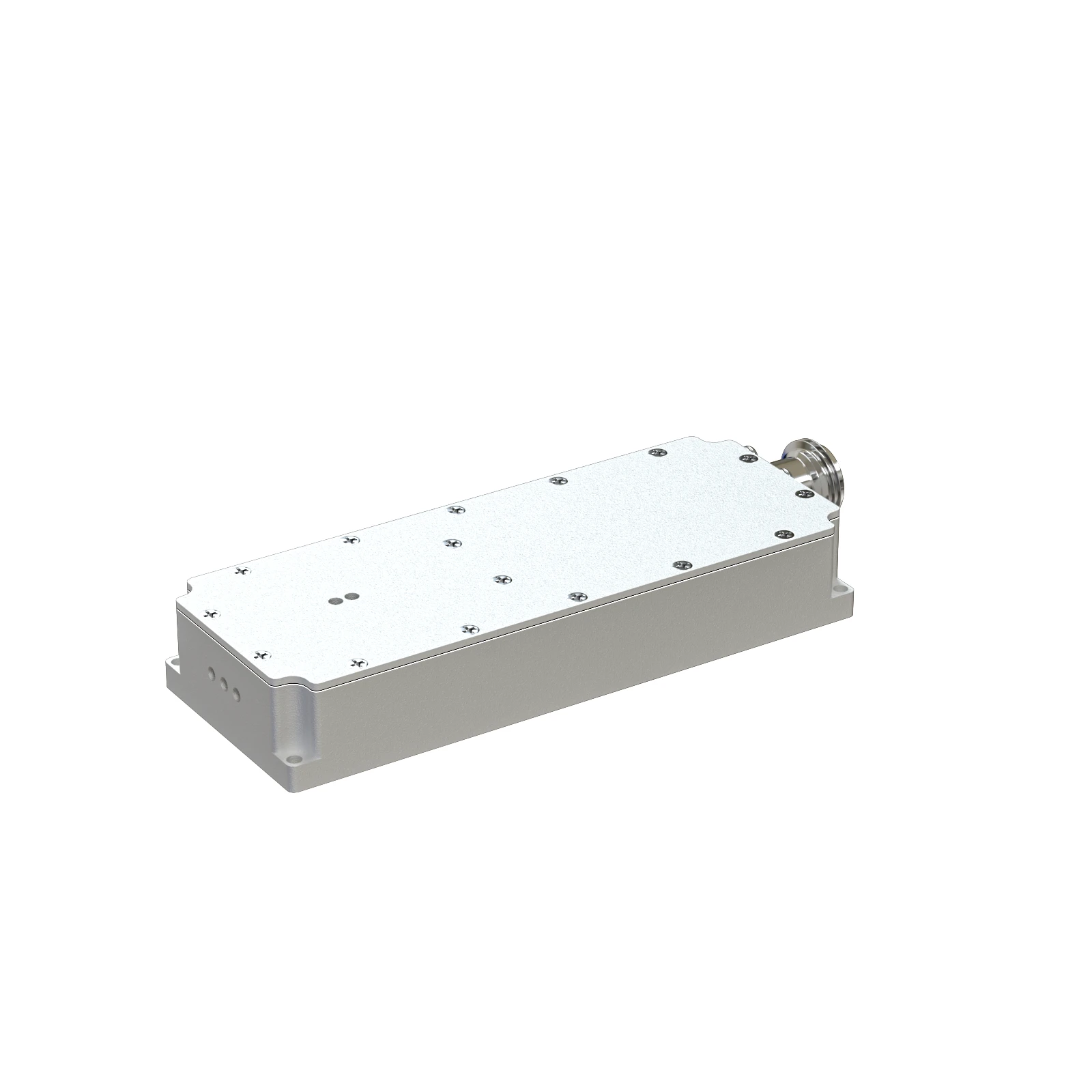
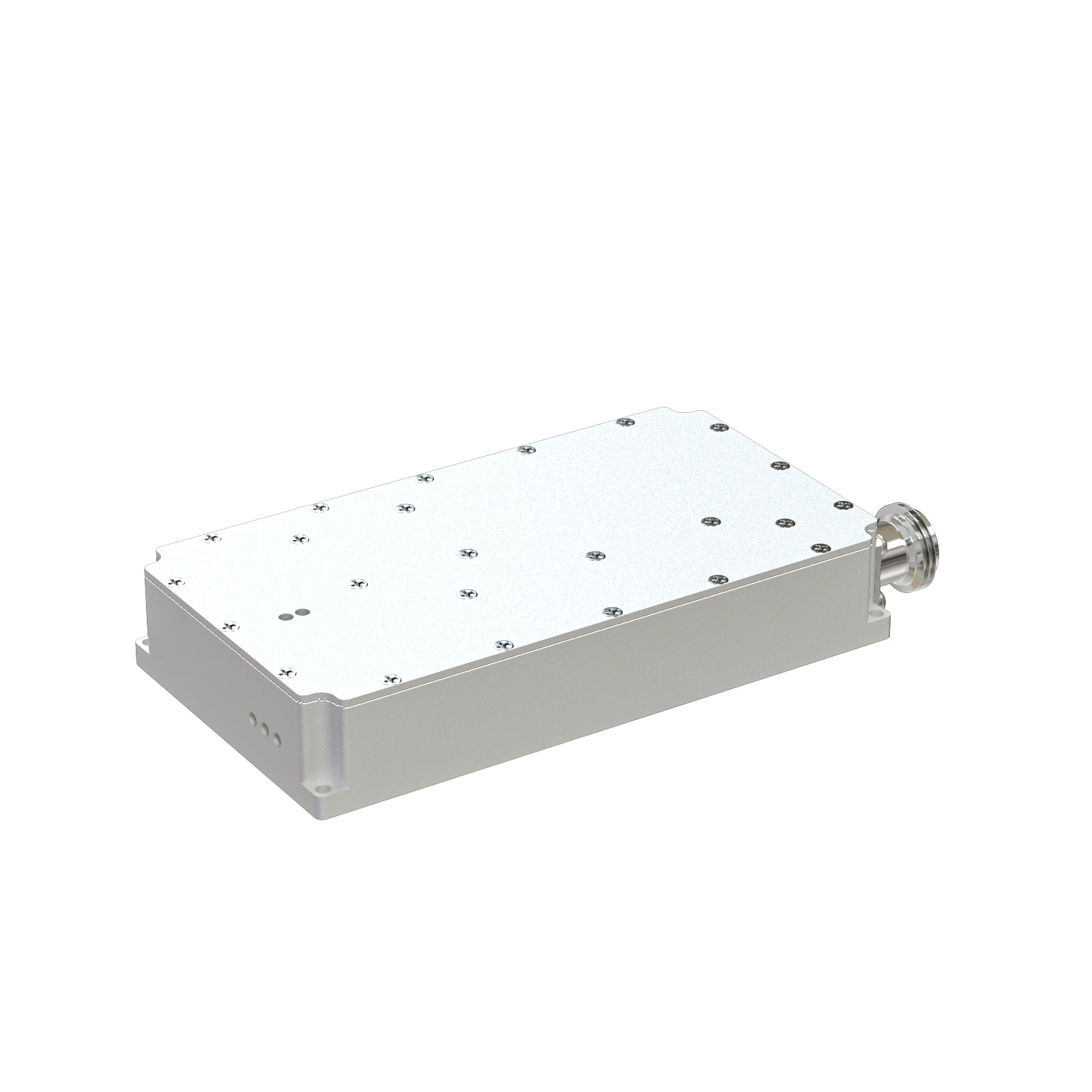
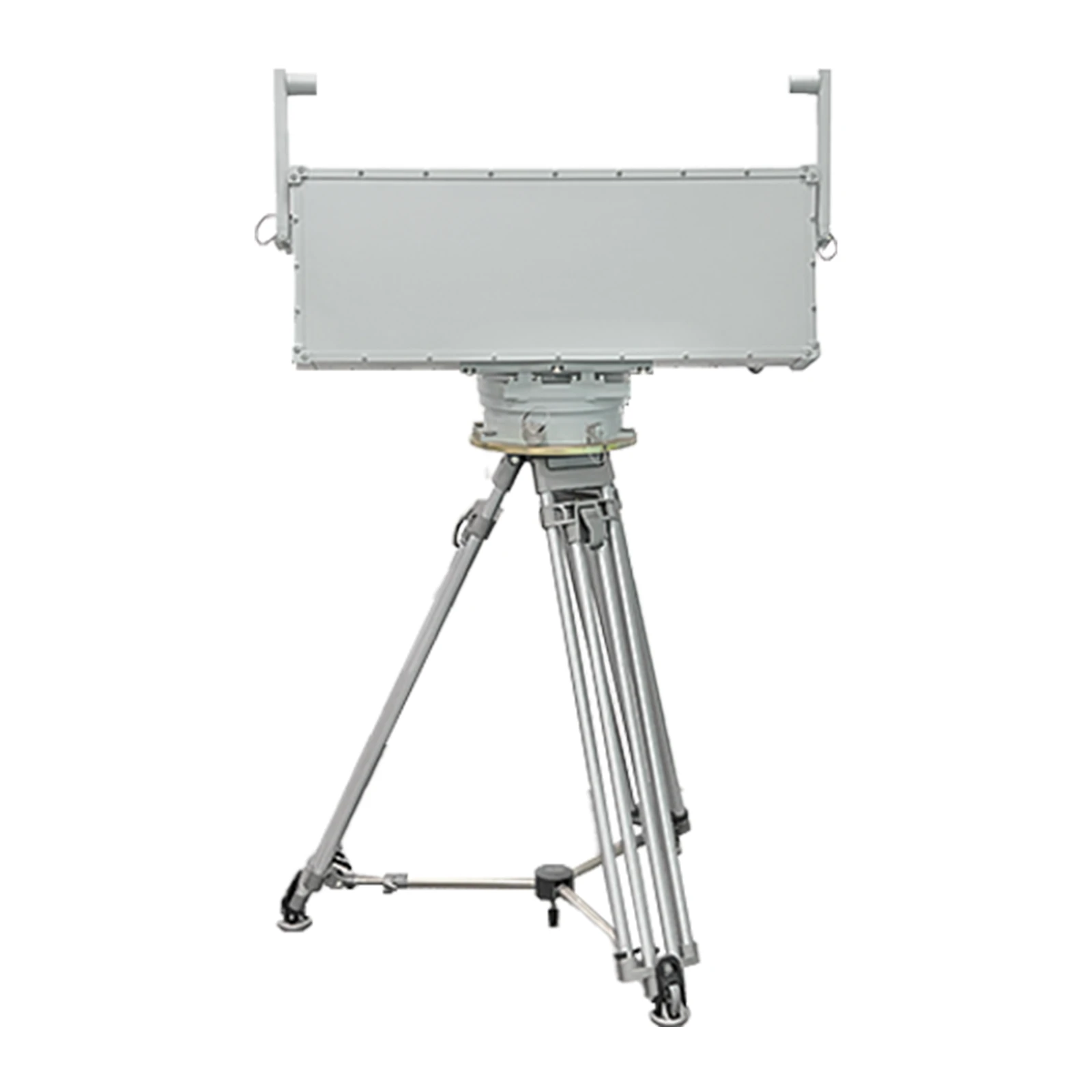

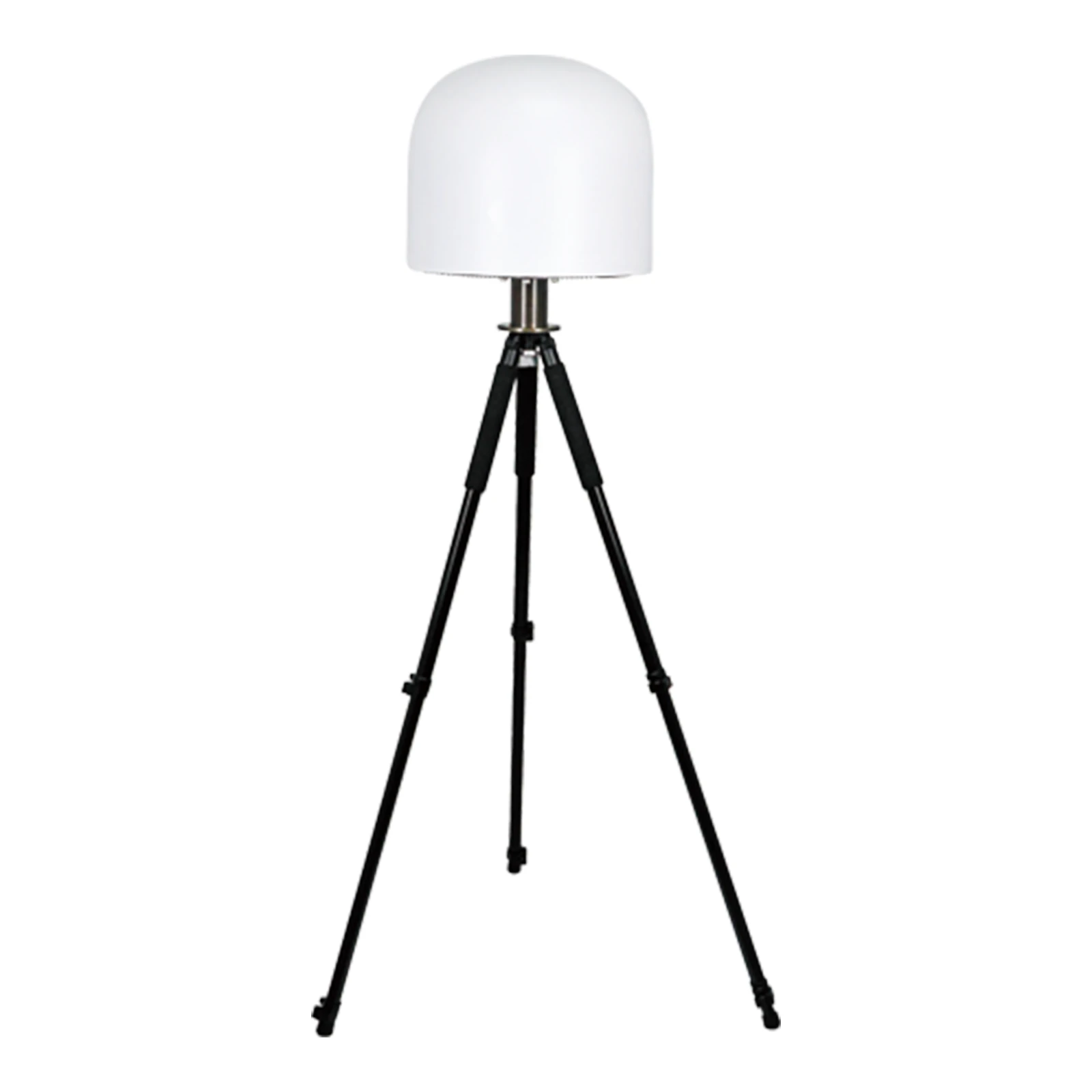
Advanced Wireless Connectivity Solutions via cyrf6936 module in Turkey

Empowering Turkish industrial automation and secure telecommunications with high-performance RF transceiver technology and customized OEM integration.

Advanced Wireless Connectivity Solutions via cyrf6936 module in Turkey

Providing the Turkish market with cutting-edge wireless communication components, from rapid prototyping with a diy rf module to large-scale industrial deployments using professional oem rf module designs.

The State of Wireless Device Manufacturing in Turkey

Analyzing the intersection of RF technology and Turkey's industrial landscape.

Turkey's unique geographical position as a bridge between Europe and Asia has fostered a robust electronics manufacturing sector. In the realm of wireless communication, there is an increasing demand for a reliable cellular transceiver module to support the country's expanding smart city initiatives and agricultural automation across the Anatolian plateau.

The local market is characterized by a strong culture of engineering innovation, where many firms utilize a diy rf module for initial R&D. However, as these projects scale to meet the rigorous standards of the Turkish industrial sector, the transition to high-stability components like the cc1120 module becomes critical for long-range reliability.

Economic shifts toward "Industry 4.0" in hubs like Istanbul and Ankara have pushed local manufacturers to seek integrated oem rf module solutions. This shift ensures that wireless devices can withstand the diverse climatic conditions of Turkey, from the humid coasts to the arid central highlands.
Evolution of RF Communication Technology

From basic analog transmissions to sophisticated digital transceiver ecosystems.

Market Development History

In the early 2000s, the Turkish wireless market relied heavily on basic analog RF systems. By 2010, the introduction of programmable digital transceivers allowed for more secure and frequency-agile communications, marking the rise of the cc1120 module in industrial remote control applications.

Between 2015 and 2020, the focus shifted toward energy efficiency and miniaturization. The adoption of the cyrf6936 module enabled Turkish developers to create low-power wireless sensor networks (WSN) that could operate for years on a single battery, crucial for remote monitoring in Turkey's vast rural areas.

Currently, the market has evolved into a hybrid era. We see a convergence where a cellular transceiver module is often paired with short-range RF modules to create seamless "edge-to-cloud" architectures for real-time data transmission.

Future Development Trends

AI-Driven Spectrum Management

Integration of machine learning to optimize frequency hopping and reduce interference in densely populated urban areas like Istanbul.

Ultra-Low Power Mesh Networking

Moving beyond point-to-point links toward self-healing mesh networks using advanced low-power RF chips to cover larger industrial sites.

Hardware-Level Security Encryption

Increasing demand for modules with built-in AES encryption to protect critical infrastructure and government communications within Turkey.

Industry Trends and Future Outlook

Strategic projections for the wireless device manufacturing sector in Turkey.

IoT Ecosystem Expansion
The rapid growth of smart agriculture in Turkey is driving the need for wide-area RF coverage and low-cost sensor nodes.
5G Industrial Integration
Integrating local RF modules with 5G cellular backhauls to achieve ultra-low latency in automotive manufacturing plants.
Custom OEM Dominance
A shift from generic components to highly customized OEM solutions tailored to specific Turkish regulatory frequencies.
Green RF Engineering
Developing energy-harvesting wireless nodes to reduce battery waste in environmental monitoring projects across Turkey.

Industry Outlook

Looking ahead, the Turkish wireless market is poised for a transition toward software-defined radio (SDR) capabilities. Google search trends indicate a rising interest in "low power wide area networks" and "custom RF circuit design" within the region, suggesting a move toward more flexible, programmable hardware.

We expect the demand for integrated cellular and RF hybrid modules to double in the next 3-5 years, as Turkey continues to digitize its logistical corridors and energy infrastructure, requiring robust communication links that can operate in both urban and extreme remote environments.

Localized RF Applications in Turkey

Real-world deployment scenarios for wireless communication modules.

1. Smart Vineyard Monitoring in Central Anatolia

Using the cyrf6936 module to create a low-power wireless sensor network that monitors soil moisture and temperature, optimizing water usage in Turkey's agricultural heartland.

2. Industrial Remote Control for Steel Mills

Implementing the cc1120 module for high-reliability, interference-resistant remote control of overhead cranes in heavy industrial zones like Kocaeli.

3. City-Wide Asset Tracking in Istanbul

Combining a cellular transceiver module with short-range RF for real-time logistics tracking across the Bosphorus bridge and urban corridors.

4. Rapid Prototyping for Tech Startups

Empowering Ankara's growing tech hubs with the diy rf module, allowing entrepreneurs to quickly validate wireless concepts before moving to mass production.

5. Custom Secure Comms for Maritime Logistics

Deploying a professional oem rf module in customized ship-to-shore communication devices for the busy ports of Izmir and Mersin.

Brand Story

Global Development Journey of Shenzhen Jiajinn Communication Co., Ltd.

Founding Vision

Established with the goal of bridging the gap between complex RF chipsets and practical industrial applications, focusing on stability and ease of integration.

Technical Breakthroughs

Perfected the integration of high-sensitivity transceivers, solving the critical pain point of signal drop-out in high-interference industrial environments.

Global Market Entry

Expanded operations to the Asia-Pacific and Middle East regions, specializing in localized frequency adaptation for diverse regulatory environments.

Strategic Partnerships

Collaborated with leading OEM manufacturers to standardize the deployment of energy-efficient wireless modules in smart city projects.

Commitment to Innovation

Continuing to lead the industry by developing the next generation of hybrid cellular-RF modules for a fully connected global infrastructure.

Complete RF Product Portfolio for the Turkish Market

From flexible prototyping modules to robust industrial-grade transceivers.

Wireless Communication FAQ - Turkey

Expert answers to the most common technical queries in the RF industry.

How to choose between a cc1120 module and a cyrf6936 module for industrial use?

The choice depends on your priority: the CC1120 is generally preferred for its robust long-range performance and flexibility in sub-GHz bands, while the CYRF6936 is ideal for ultra-low power applications and short-to-medium range wireless sensor networks.

Can a diy rf module be scaled for commercial production in Turkey?

Yes, but we recommend transitioning to an OEM RF module for mass production. OEM versions offer better EMI shielding, certified components, and consistent performance, which are necessary to pass local Turkish regulatory certifications.

What are the advantages of integrating a cellular transceiver module with RF?

This hybrid approach allows you to use the RF module for low-power, local device communication and the cellular module as a gateway to upload aggregated data to the cloud, providing both local autonomy and global connectivity.

Does your oem rf module support custom frequency tuning?

Absolutely. Our OEM services allow for precise frequency tuning and firmware customization to ensure full compliance with the specific wireless spectrum regulations of Turkey and the surrounding regions.

How do these RF modules perform in Turkey's extreme temperature variations?

Our industrial-grade modules are tested for wide temperature ranges, ensuring stability from the cold winters of Eastern Anatolia to the hot summers of the Mediterranean coast.

What is the typical lead time for customized RF solutions for Turkish companies?

Standard modules are available for immediate shipping. For customized OEM RF solutions, the lead time typically ranges from 2 to 6 weeks depending on the complexity of the hardware modifications and firmware requirements.

Get Expert RF Guidance Today

Ready to elevate your wireless infrastructure in Turkey? Our engineers are here to provide tailored technical support and high-performance modules.

Contact Us Now

If you are interested in our products, you can choose to leave your information here, and we will be in touch with you shortly.


en_USEnglish