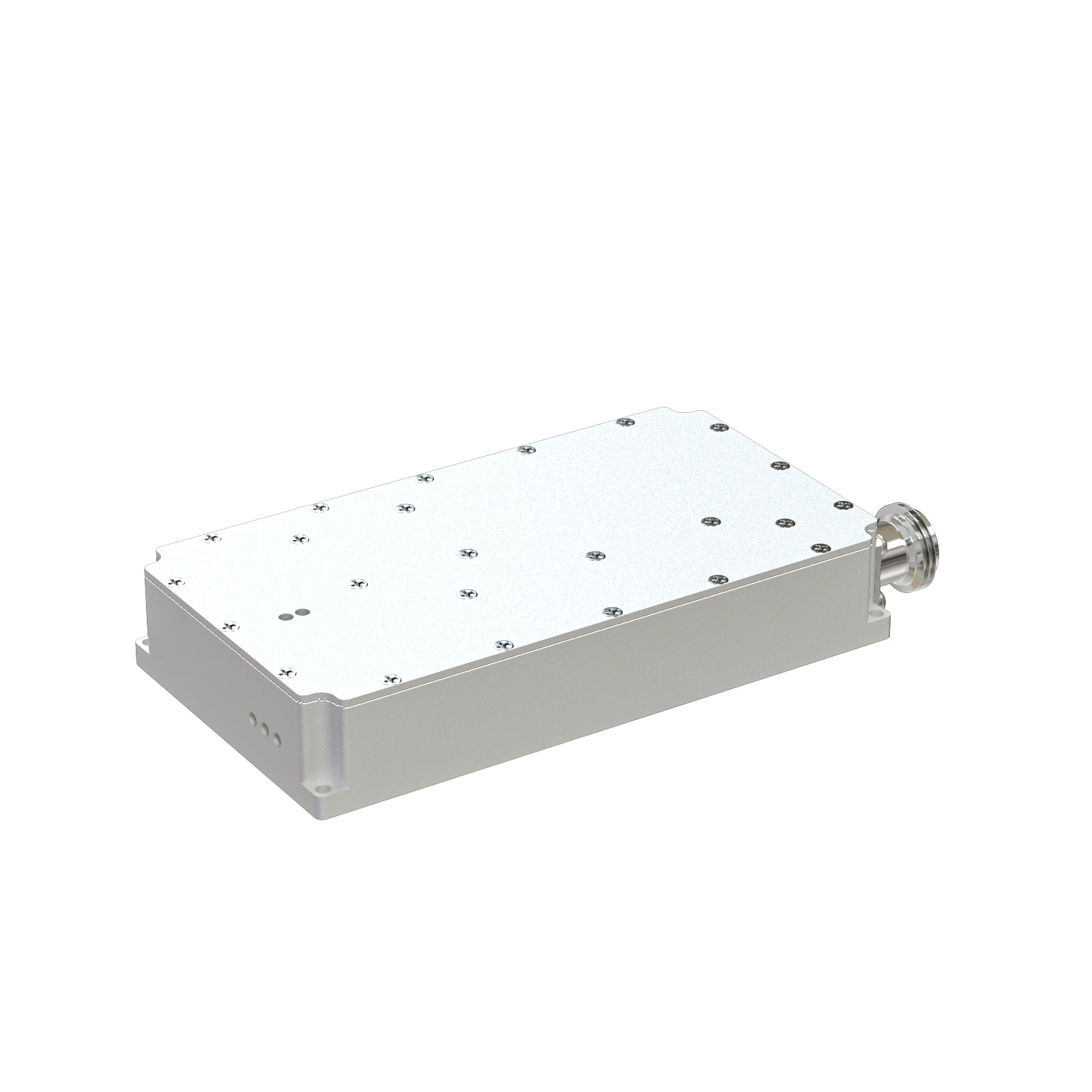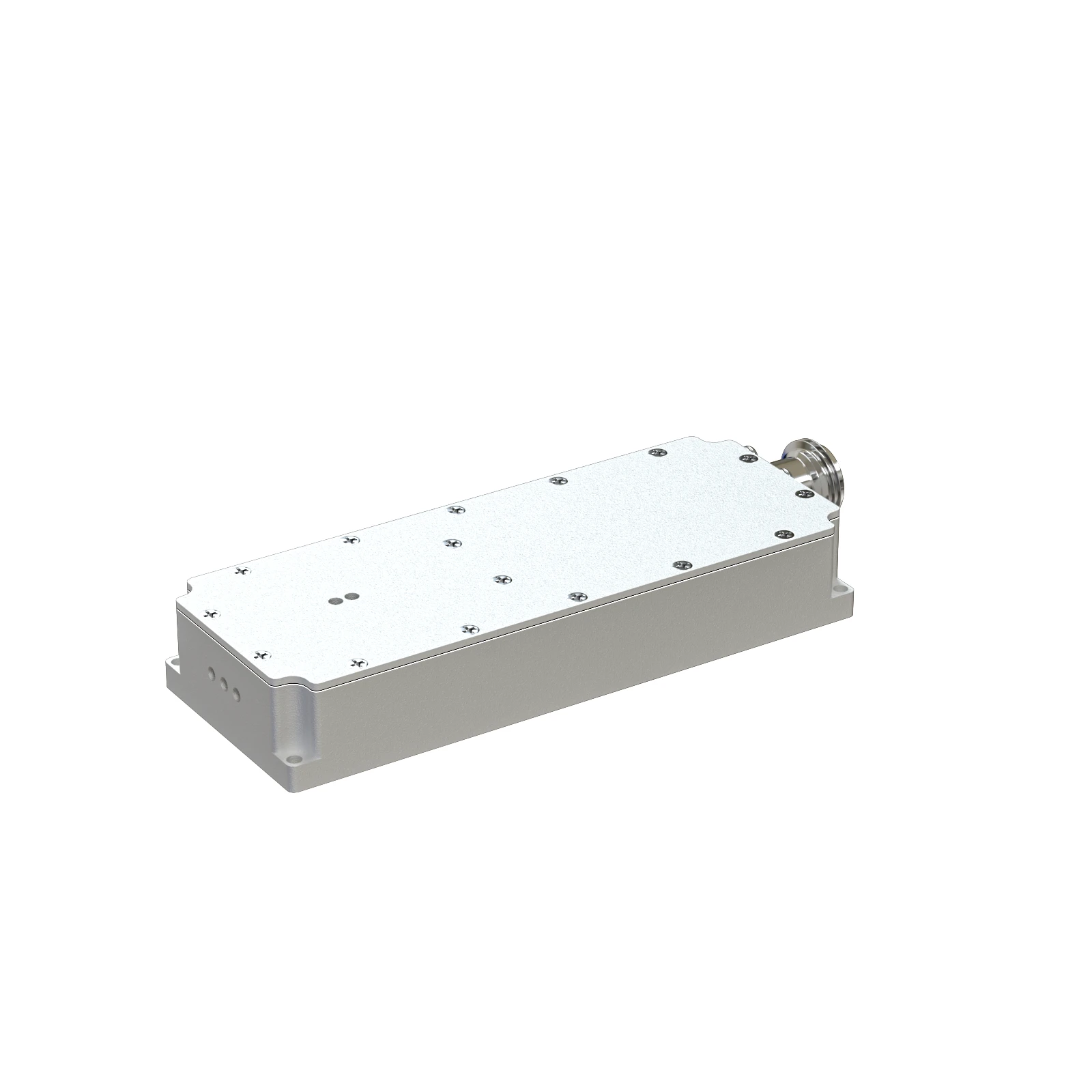
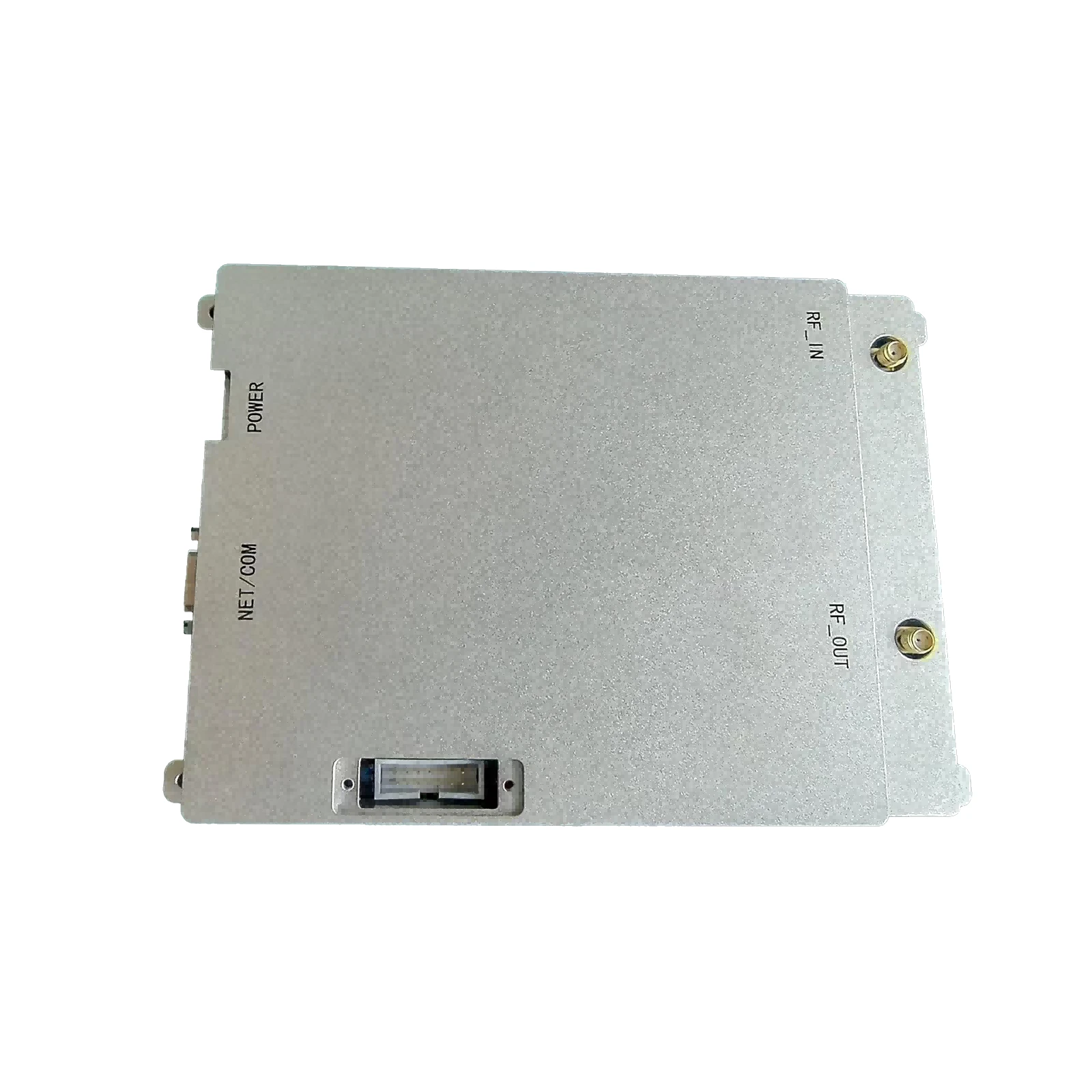
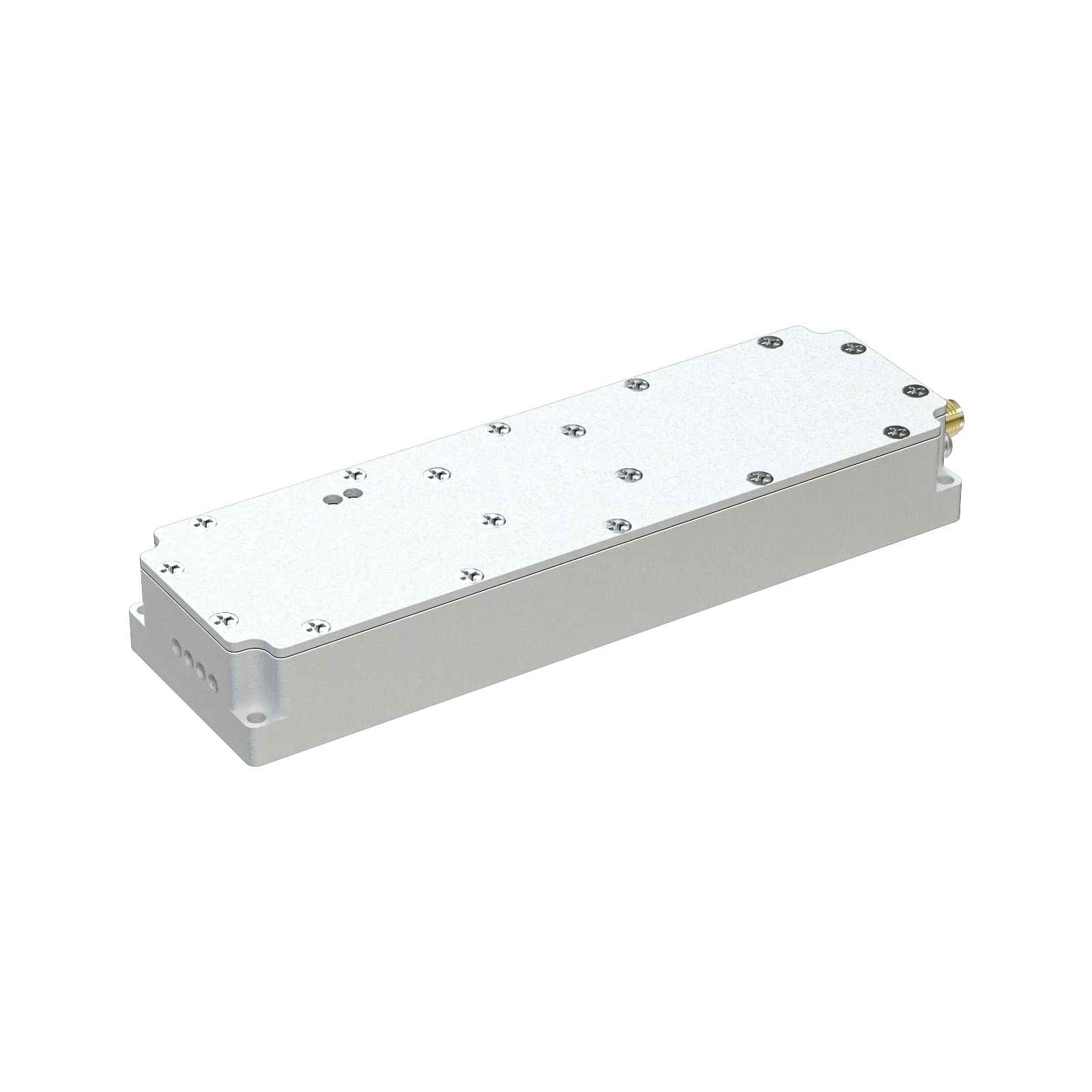
Advanced Wireless Connectivity Solutions with cyrf6936 module in Netherlands

Empowering Dutch industrial automation and IoT infrastructure with high-precision RF transceiver technology for seamless data transmission.

Advanced Wireless Connectivity Solutions with cyrf6936 module in Netherlands

Providing the Netherlands market with professional-grade RF components, ranging from flexible diy rf module options to industrial-scale integration services.

The RF Communication Landscape in the Netherlands

Analyzing the demand for high-reliability wireless transmission in the Dutch logistical and agricultural hubs.

The Netherlands, known for its dense urban infrastructure and world-leading logistics centers like Rotterdam, requires highly stable wireless communication. The prevalence of maritime and greenhouse automation has driven a surge in the adoption of the cc1120 module to ensure reliable low-power data exchange across humid and metallic environments.

Economically, the Dutch "Silicon Fen" influence promotes a strong culture of rapid prototyping. This has led to a significant market for the diy rf module, allowing local engineers to iterate quickly on smart city sensors and water management systems that monitor the country's complex polder network.

Furthermore, the stringent EU regulatory standards (CE) and the Dutch focus on sustainability mean that energy-efficient components like the oem rf module are preferred for long-term industrial deployments, reducing the carbon footprint of large-scale IoT networks.
Evolution and Trajectory of RF Technology in Europe

From basic analog signals to sophisticated digital cellular and sub-GHz transceivers.

Market Development History

In the early 2000s, wireless transmission in the Netherlands relied heavily on basic analog RF. However, around 2010, the shift toward digital modulation led to the widespread adoption of the cc1120 module, which offered better interference immunity for industrial telemetry.

Between 2015 and 2020, the rise of the "Smart Greenhouse" era in the Westland region demanded more flexible and integrated solutions. This period saw the cyrf6936 module becoming a staple for its balance of power consumption and data rate in agricultural monitoring.

Currently, the market is transitioning toward hybrid connectivity. The integration of a cellular transceiver module alongside sub-GHz RF allows Dutch companies to bridge local sensor clusters with global cloud platforms via 4G/5G backhaul.

Future Development Trends

AI-Driven Spectrum Management

Future modules will incorporate edge AI to dynamically switch frequencies, reducing congestion in the densely populated Randstad area.

Ultra-Low Power Harvesting

Integration of energy harvesting with RF modules to eliminate battery replacements in remote Dutch water-level sensors.

Enhanced Security Protocols

Transitioning toward quantum-resistant encryption within the hardware layer of RF transceivers to protect critical national infrastructure.

Industry Trends and Future Outlook

Predicting the next wave of wireless innovation based on European search trends and industrial shifts.

LPWAN Integration
Convergence of short-range RF and long-range cellular networks to optimize Dutch logistics tracking.
Miniaturized Form Factors
Development of ultra-compact modules for wearable industrial sensors used in Dutch shipyards.
Software-Defined Radio (SDR)
Moving toward programmable RF front-ends to allow remote firmware updates across the EU.
Green-RF Initiatives
Implementing biodegradable substrate materials for disposable environmental sensors.

Industry Outlook

Based on Google search trends in the Benelux region, there is a marked increase in queries regarding "Industrial IoT security" and "Sub-GHz connectivity." This indicates that Dutch enterprises are moving away from generic Wi-Fi toward dedicated RF solutions that offer better penetration and security for critical infrastructure.

Over the next 3-5 years, we expect a convergence where the cellular transceiver module acts as the primary gateway, while low-power RF modules handle the dense "last-meter" sensor networks, creating a hierarchical communication architecture.

Local Application Scenarios in the Netherlands

Practical implementations of wireless modules in Dutch industrial and environmental contexts.

01. Automated Greenhouse Climate Control

Using the cyrf6936 module to wirelessly synchronize humidity and temperature sensors across thousands of square meters in Westland greenhouses.

02. Port of Rotterdam Container Tracking

Integrating an oem rf module into asset tags for real-time tracking of shipping containers in high-interference metallic environments.

03. Polder Water Level Monitoring

Deploying low-power cc1120 module networks to monitor dyke stability and water levels across rural provinces.

04. Smart City Parking in Amsterdam

Implementing a hybrid system where diy rf module sensors detect car presence and relay data via a cellular gateway to city apps.

05. Industrial Robot Coordination in Eindhoven

Utilizing high-speed cellular transceiver module systems for low-latency coordination between autonomous mobile robots (AMRs) in high-tech factories.

Brand Story

Global Development Journey of Shenzhen JIAJIN Communication Co., Ltd.

Foundation and RF Focus

Started with a mission to solve the instability of industrial wireless transmission, focusing on high-precision transceiver architecture.

Technological Breakthroughs

Developed proprietary antenna matching circuits that significantly increased the range and reliability of sub-GHz modules.

European Market Entry

Expanded into the EU market, tailoring products to meet strict CE standards and the specific needs of the Dutch industrial sector.

Diversification of Portfolio

Evolved from simple RF components to providing complete cellular and hybrid communication solutions for global OEMs.

Commitment to Innovation

Continuing to lead in the "Green RF" movement, ensuring that connectivity doesn't come at the cost of the environment.

Common RF Technical Questions in Netherlands

Expert answers to the most frequent challenges faced by Dutch wireless engineers.

How does the cc1120 module perform in high-humidity Dutch greenhouses?

The cc1120 module is designed for robust sub-GHz transmission, which penetrates moisture and foliage far better than 2.4GHz signals, making it ideal for Dutch agricultural environments.

Is the cyrf6936 module compatible with EU ETSI standards?

Yes, our cyrf6936 module implementations are fully tuned to comply with ETSI regulations for the European market, ensuring legal and interference-free operation.

What is the best cellular transceiver module for NB-IoT in the Netherlands?

For NB-IoT deployments in the Netherlands, we recommend modules that support KPN and Vodafone NL bands to ensure maximum coverage across both urban and rural areas.

Can I use a diy rf module for commercial product prototypes in EU?

Absolutely. A diy rf module is excellent for the PoC stage. Once moving to mass production, we suggest transitioning to our certified oem rf module for easier CE certification.

What are the benefits of an oem rf module over discrete components?

An oem rf module provides pre-matched impedance and filtered outputs, reducing the R&D time for Dutch engineers and ensuring consistent RF performance across all units.

How to reduce power consumption in remote wireless sensors?

We recommend using the deep-sleep modes available in our RF modules and implementing a TDMA (Time Division Multiple Access) protocol to minimize radio active time.

Get Expert RF Support in the Netherlands

Ready to optimize your wireless infrastructure? Our engineering team provides localized support and custom RF design for clients across the Netherlands.

Contact Us Now

If you are interested in our products, you can choose to leave your information here, and we will be in touch with you shortly.


en_USEnglish