
Advanced Wireless Connectivity Solutions with cyrf6936 module in Switzerland

Providing high-precision RF components for Switzerland's industrial automation and secure communication networks.

Advanced Wireless Connectivity Solutions with cyrf6936 module in Switzerland

Empowering Swiss engineering with reliable RF transceivers, from rapid diy rf module prototyping to scalable industrial deployments.

RF Manufacturing Landscape in Switzerland

The intersection of precision engineering and wireless innovation.

Switzerland's wireless communication sector is characterized by a demand for extreme reliability and precision, mirroring the nation's reputation for high-end watchmaking and medical technology. In the Alpine regions, signal propagation challenges necessitate the use of robust oem rf module solutions that can withstand diverse topographical interference and harsh winter climates.

The Swiss market prioritizes energy efficiency and long-term stability. Industries such as smart agriculture in the valleys and urban automation in Zurich and Geneva are increasingly adopting specialized cc1120 module designs to facilitate low-power, long-range data transmission for critical infrastructure monitoring.

Furthermore, the strong presence of research institutions like ETH Zurich fuels a thriving ecosystem for custom wireless development. This has led to a surge in demand for flexible cellular transceiver module integration to bridge the gap between local sensor networks and global cloud infrastructures.
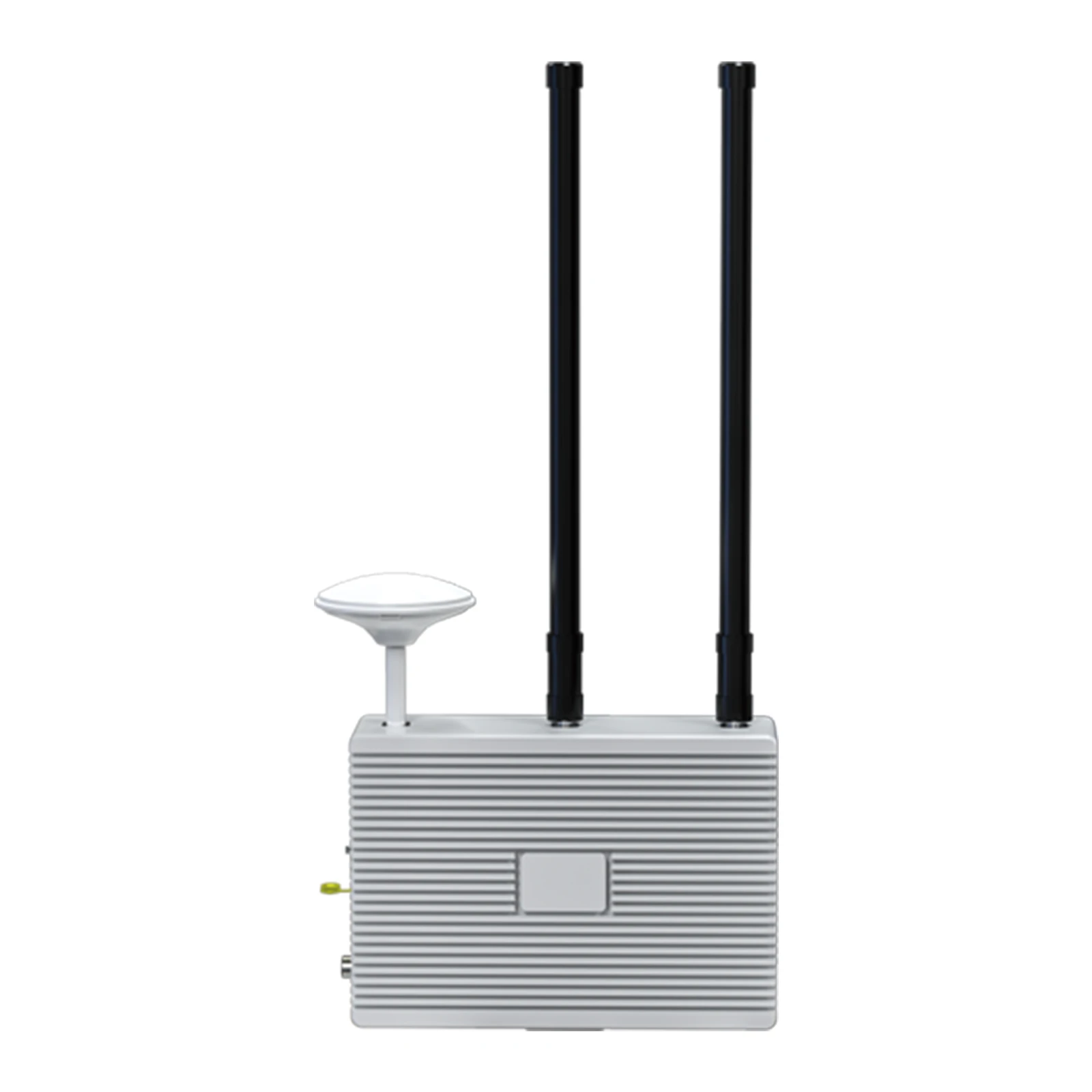
Evolution of RF Technology in Switzerland

From analog foundations to software-defined wireless ecosystems.

Market Development History

During the late 1990s and early 2000s, Swiss wireless communication relied heavily on fixed-frequency analog systems. The focus was primarily on point-to-point reliability for industrial control, utilizing basic RF components with limited flexibility.

By 2010, the transition toward digital modulation and programmable transceivers accelerated. The introduction of versatile modules allowed Swiss firms to shift from rigid hardware to more adaptable software-defined parameters, enabling better coexistence in crowded spectrums.

In the current era, the convergence of IoT and 5G has redefined the industry. The shift has moved toward highly integrated, low-power silicon solutions that combine the stability of traditional RF with the agility of modern cellular networks.

Future Development Trends

Ultra-Low Power Edge Intelligence

Integration of AI at the chip level within RF modules to reduce data transmission frequency and extend battery life for remote Alpine sensors.

Spectrum Agility and Dynamic Access

Moving toward cognitive radio systems that can automatically switch frequencies to avoid interference in dense Swiss urban centers.

Enhanced Hardware-Level Encryption

Integrating AES-256 and quantum-resistant encryption directly into the transceiver hardware to meet stringent Swiss data privacy laws.

Industry Trends and Future Outlook

Analyzing the trajectory of wireless communication in the DACH region.

Miniaturization of RF Front-ends
Reduction in footprint for wearable medical devices common in Swiss biotech hubs.
LPWAN Dominance
Increased shift toward LoRaWAN and NB-IoT for widespread environmental monitoring.
Green Energy Integration
Development of energy-harvesting RF modules to eliminate battery replacement.
Software-Defined Radio (SDR)
Shift toward flexible firmware updates to adapt to changing EU regulations.

Industry Outlook

Based on Google search trends in the European region, there is a marked increase in queries regarding "industrial IoT security" and "low-latency wireless." This suggests that the Swiss market is moving beyond basic connectivity toward high-integrity, real-time data exchange.

The future 3-5 years will likely see a hybridization of short-range RF and wide-area cellular networks, where edge devices use local RF for efficiency and a central gateway uses a cellular transceiver for cloud synchronization.

Localized Wireless Application Scenarios

Real-world implementations of RF modules in the Swiss landscape.

01. Alpine Environmental Monitoring

Deploying low-power sensors across the Swiss Alps to monitor avalanche risks and snow depth, utilizing high-sensitivity RF modules for long-distance transmission through rugged terrain.

02. Smart City Infrastructure in Zurich

Implementing intelligent parking and waste management systems using mesh-networked transceivers to optimize urban logistics and reduce traffic congestion.

03. Precision Viticulture in Valais

Wireless soil moisture and temperature sensors integrated into vineyards, allowing winemakers to optimize irrigation via low-frequency RF links.

04. Secure Banking Data Links

Establishing redundant, air-gapped wireless communication channels for financial institutions in Geneva to ensure business continuity during network outages.

05. Industrial Automation in Pharma

Utilizing interference-free wireless modules for robotic coordination in sterile pharmaceutical clean-rooms, where cabling is prohibited.

Brand Story

Global Development History of Shenzhen Jiajinn Communication Co., Ltd.

Founding and Vision

Established with the mission to bridge the gap between complex RF theory and practical industrial application, solving the pain point of high entry barriers for wireless design.

Technical Breakthroughs

Developed a series of highly stable transceiver modules that reduced power consumption by 30% compared to industry standards, enabling longer device lifespans.

European Market Expansion

Strategically expanded into Europe, focusing on the high-precision demands of Swiss and German engineering firms to refine product reliability.

Standardization Leadership

Contributed to the optimization of OEM RF standards, ensuring seamless interoperability across different hardware platforms globally.

The Future of Connectivity

Currently leading the charge in integrating AI-driven RF optimization to create the next generation of autonomous wireless communication networks.

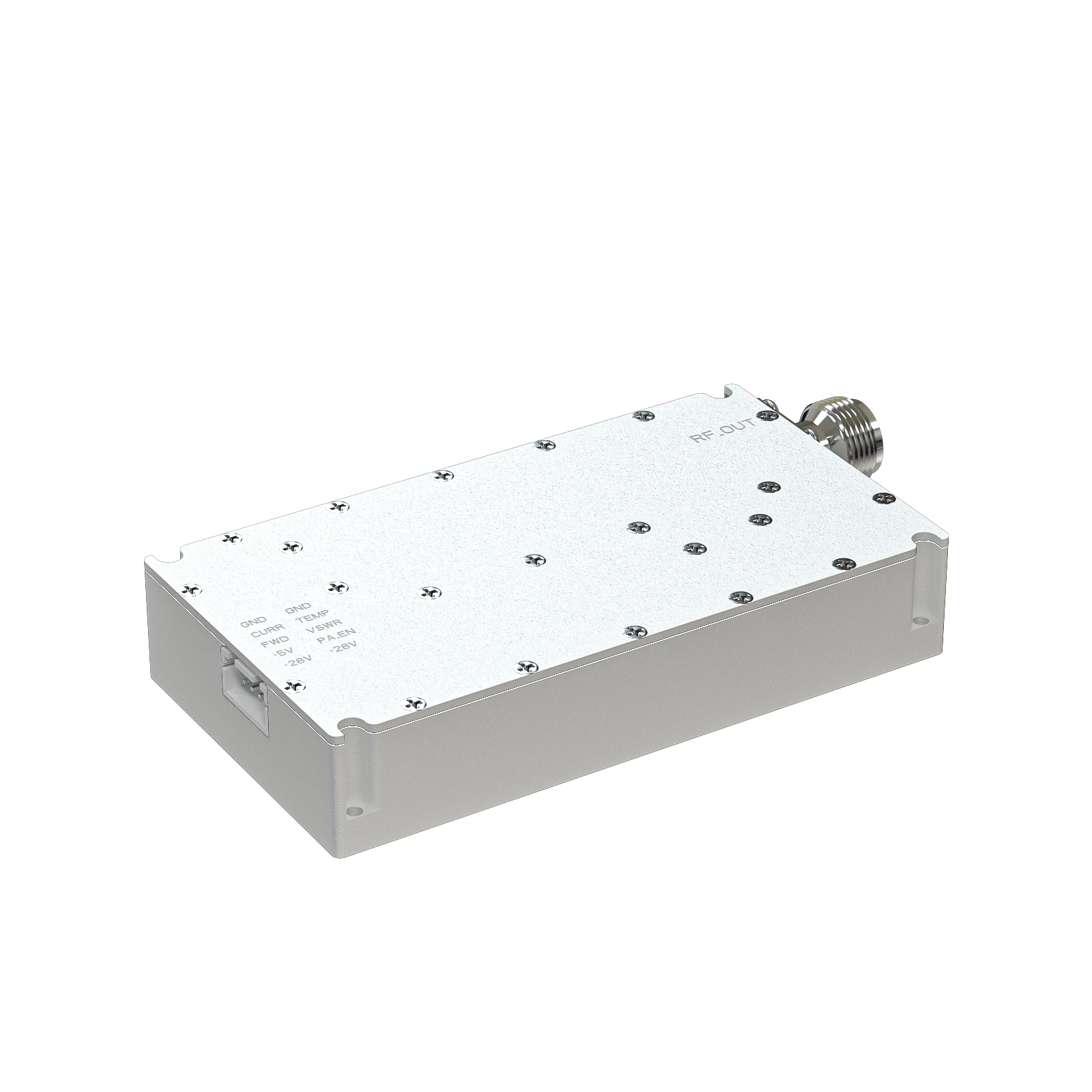
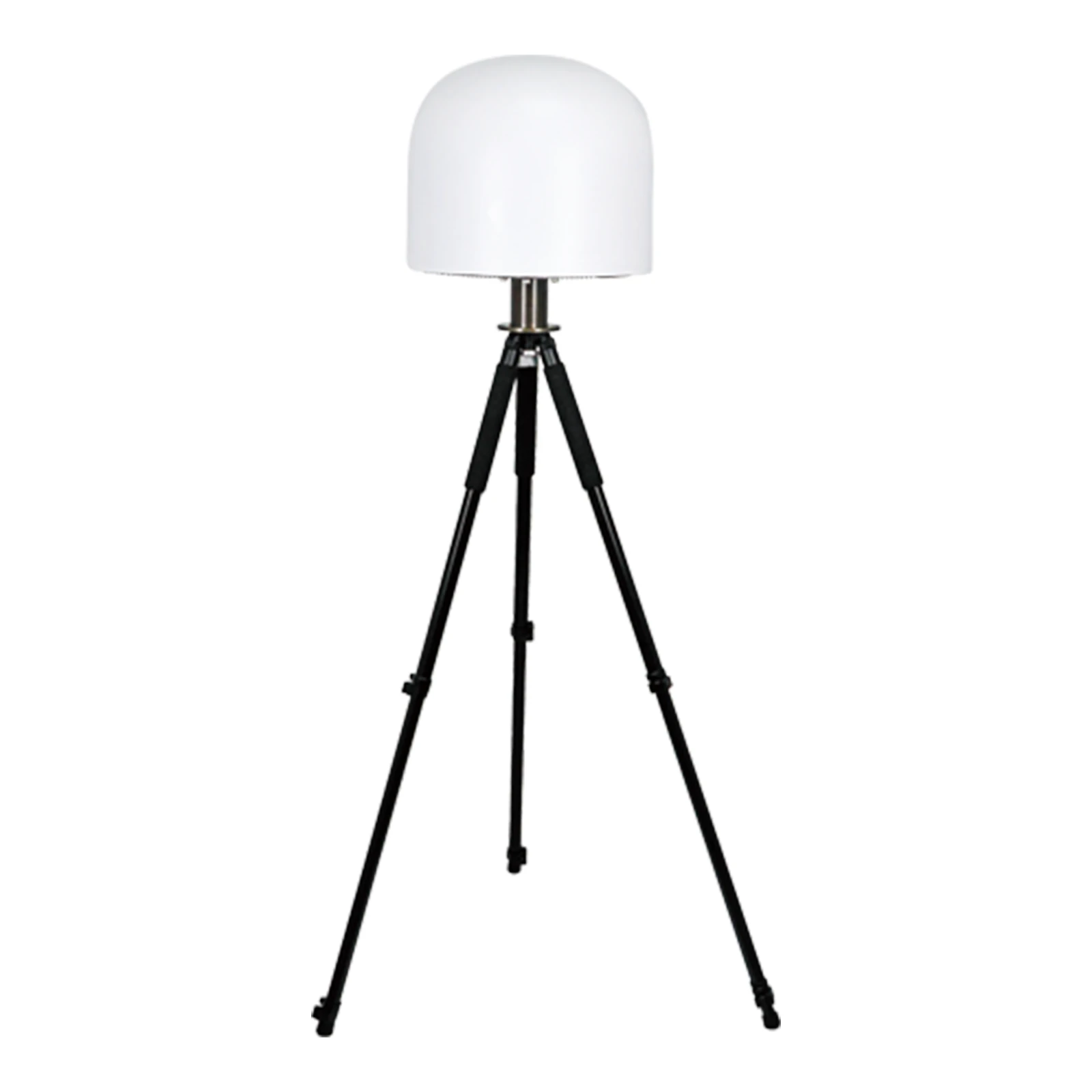
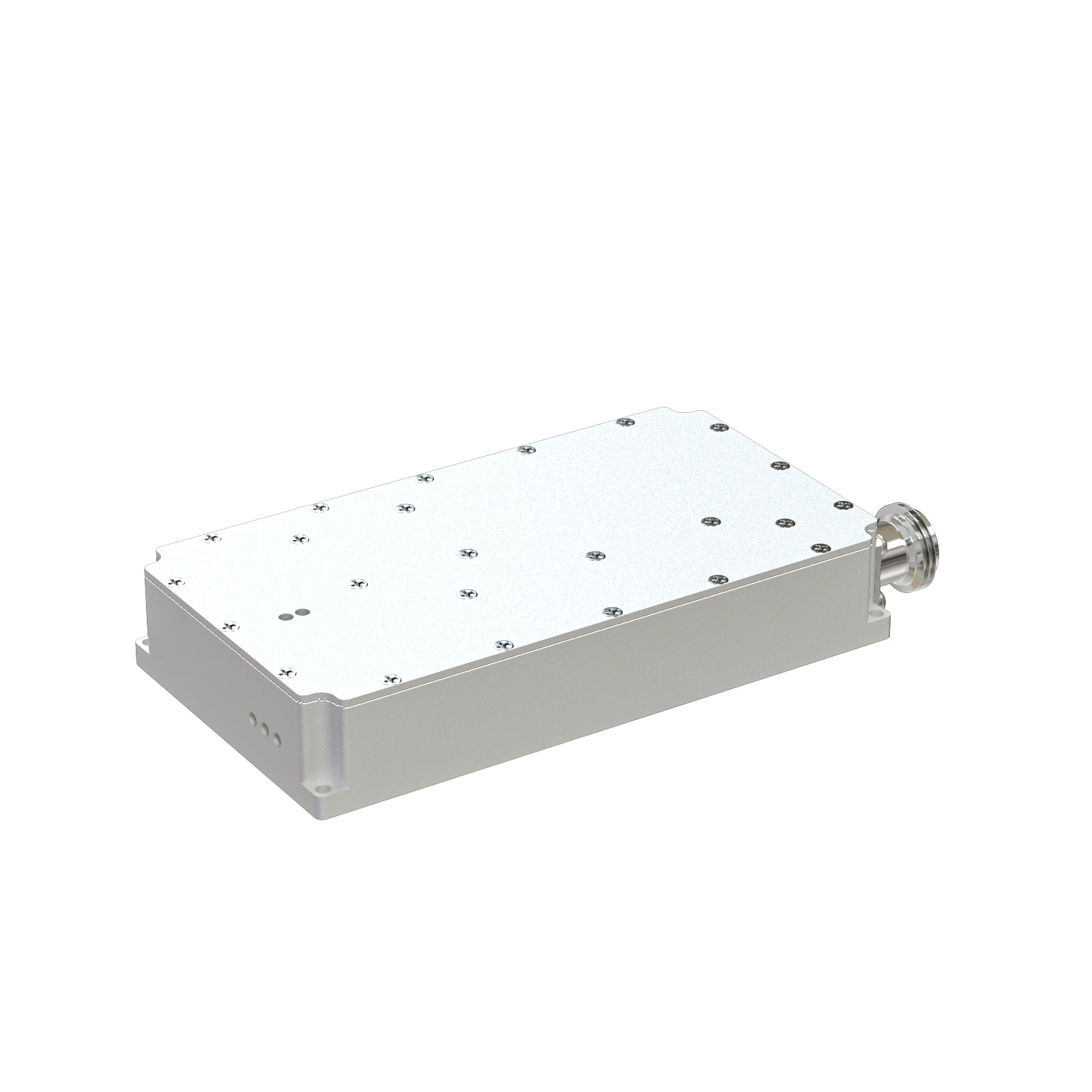
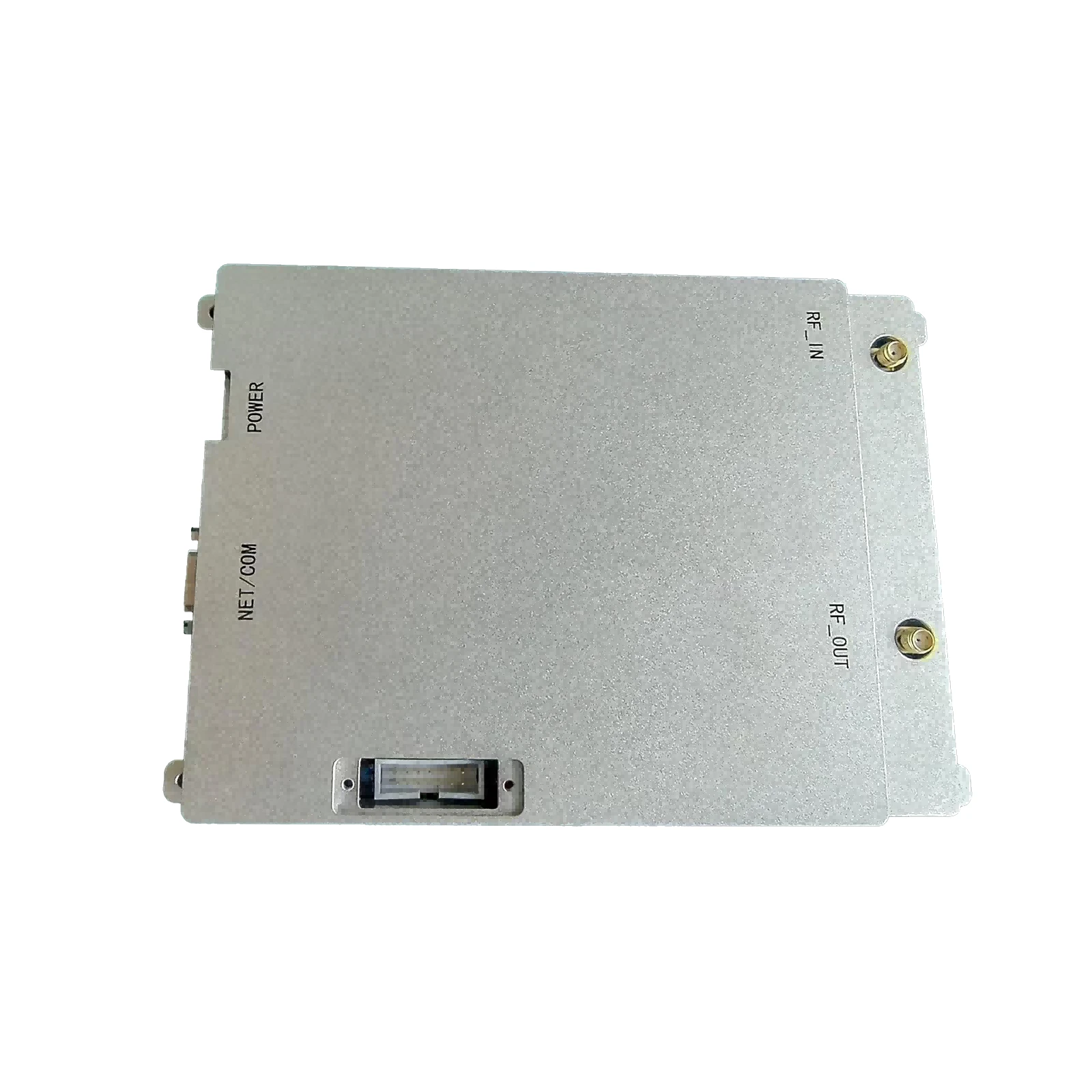
Comprehensive RF Product Portfolio for Switzerland

From rapid prototyping modules to industrial-grade cellular solutions.

Wireless Communication FAQ - Switzerland

Expert answers to technical challenges in RF deployment.

How to choose between a cc1120 module and other sub-GHz transceivers?

The choice depends on the required frequency flexibility and power budget. The cc1120 is ideal for applications needing high sensitivity and wide frequency tuning in industrial environments.

Can a cellular transceiver module operate reliably in remote Swiss mountain regions?

Yes, by selecting modules with high-gain antenna support and multi-band compatibility, you can maintain connectivity even in areas with sparse cellular coverage.

What are the best practices for diy rf module shielding in high-noise environments?

We recommend using CNC-machined aluminum enclosures and high-quality coaxial connectors to prevent EMI/RFI interference in industrial settings.

Does the cyrf6936 module comply with European ETSI standards?

Our modules are designed to facilitate compliance with ETSI standards, although final certification depends on the complete system integration and antenna choice.

What is the lead time for a custom oem rf module order for Swiss clients?

Standard OEM lead times vary by volume, but we offer expedited prototyping for Swiss engineering firms to accelerate their time-to-market.

How do I optimize power consumption for battery-operated RF devices?

Utilize deep-sleep modes, optimize transmission intervals, and use hardware-based wake-up timers available in our advanced transceiver modules.

Ready to Elevate Your Wireless Connectivity?

Our technical experts are ready to support your next RF project in Switzerland. Contact us for customized engineering solutions.

Contact Us Now

If you are interested in our products, you can choose to leave your information here, and we will be in touch with you shortly.


en_USEnglish