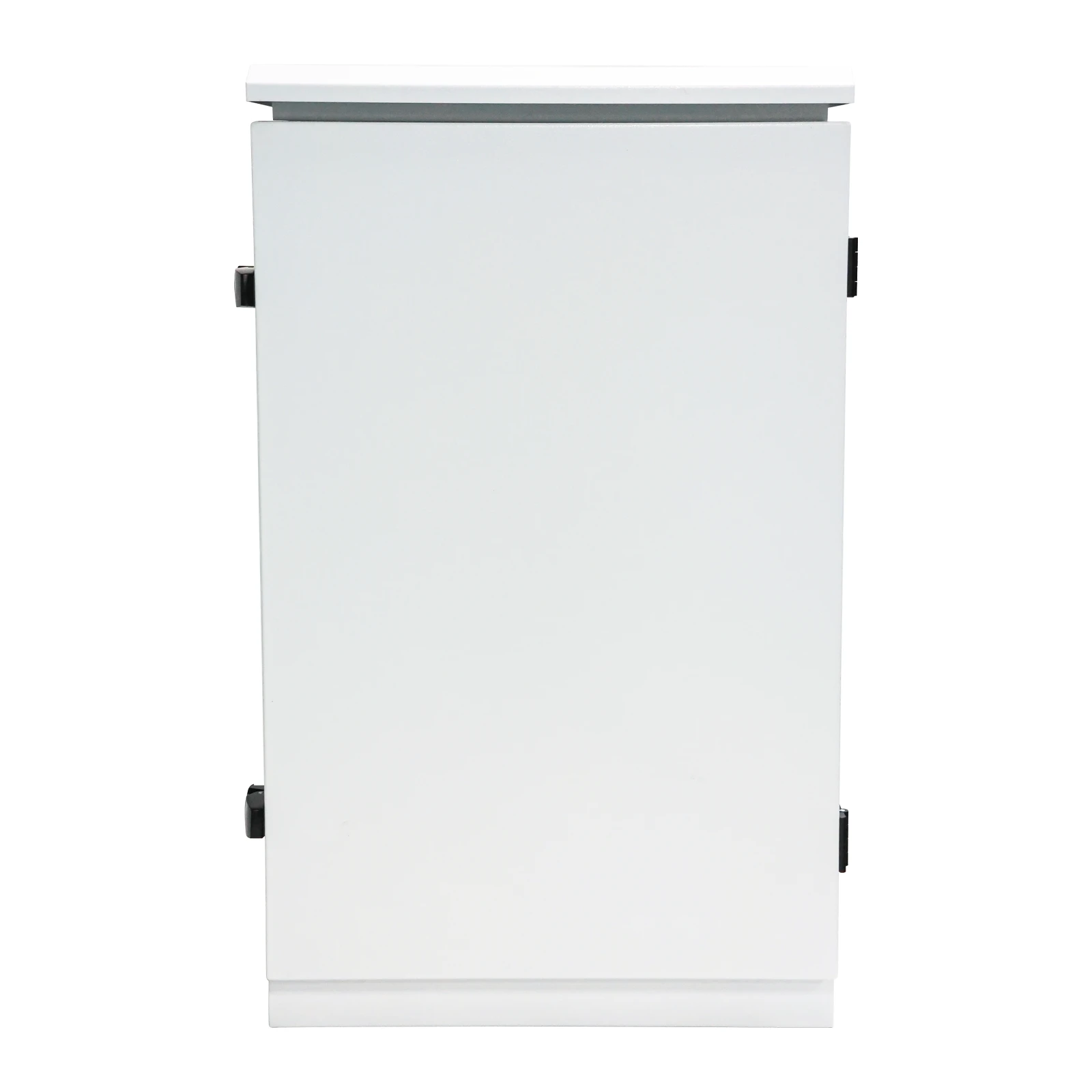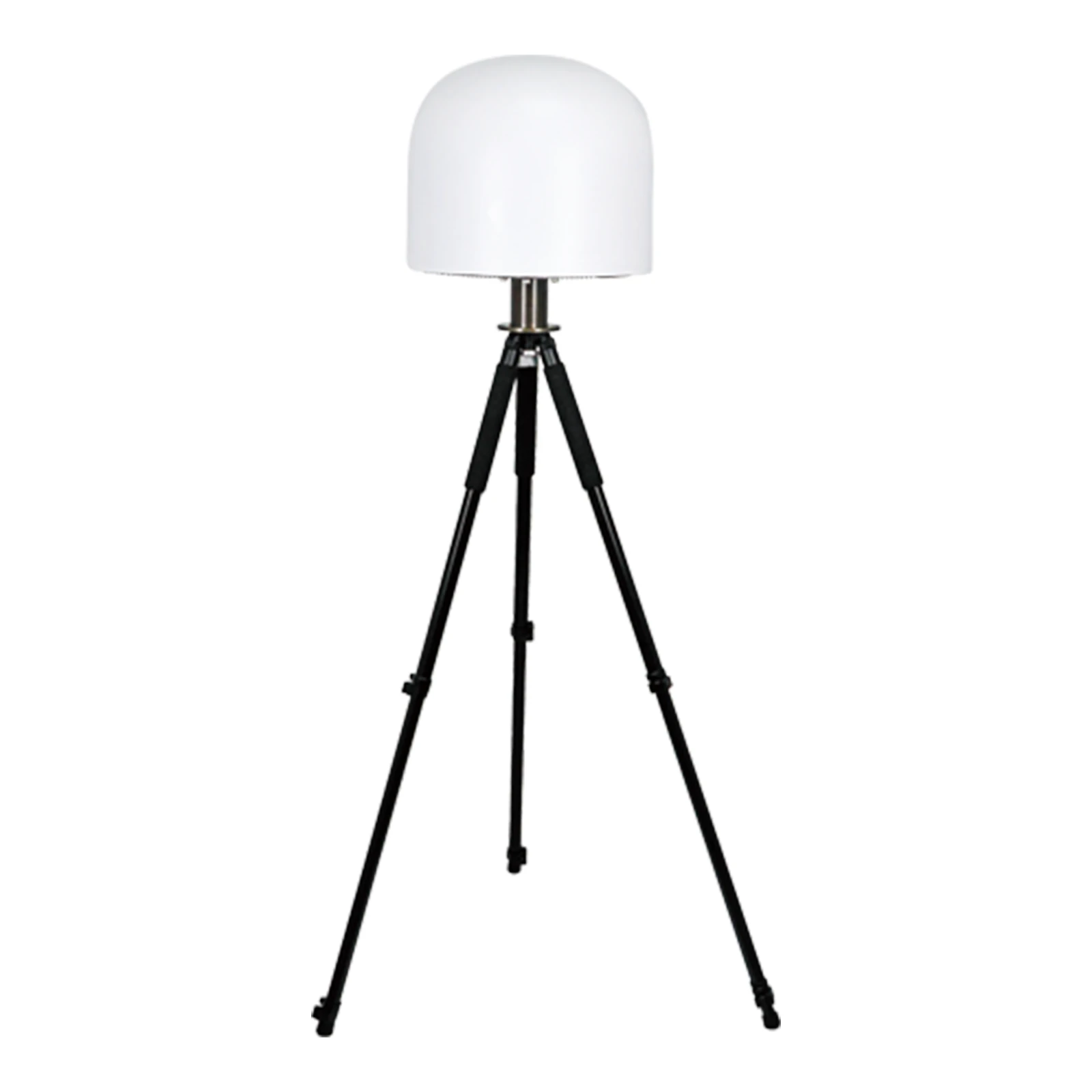
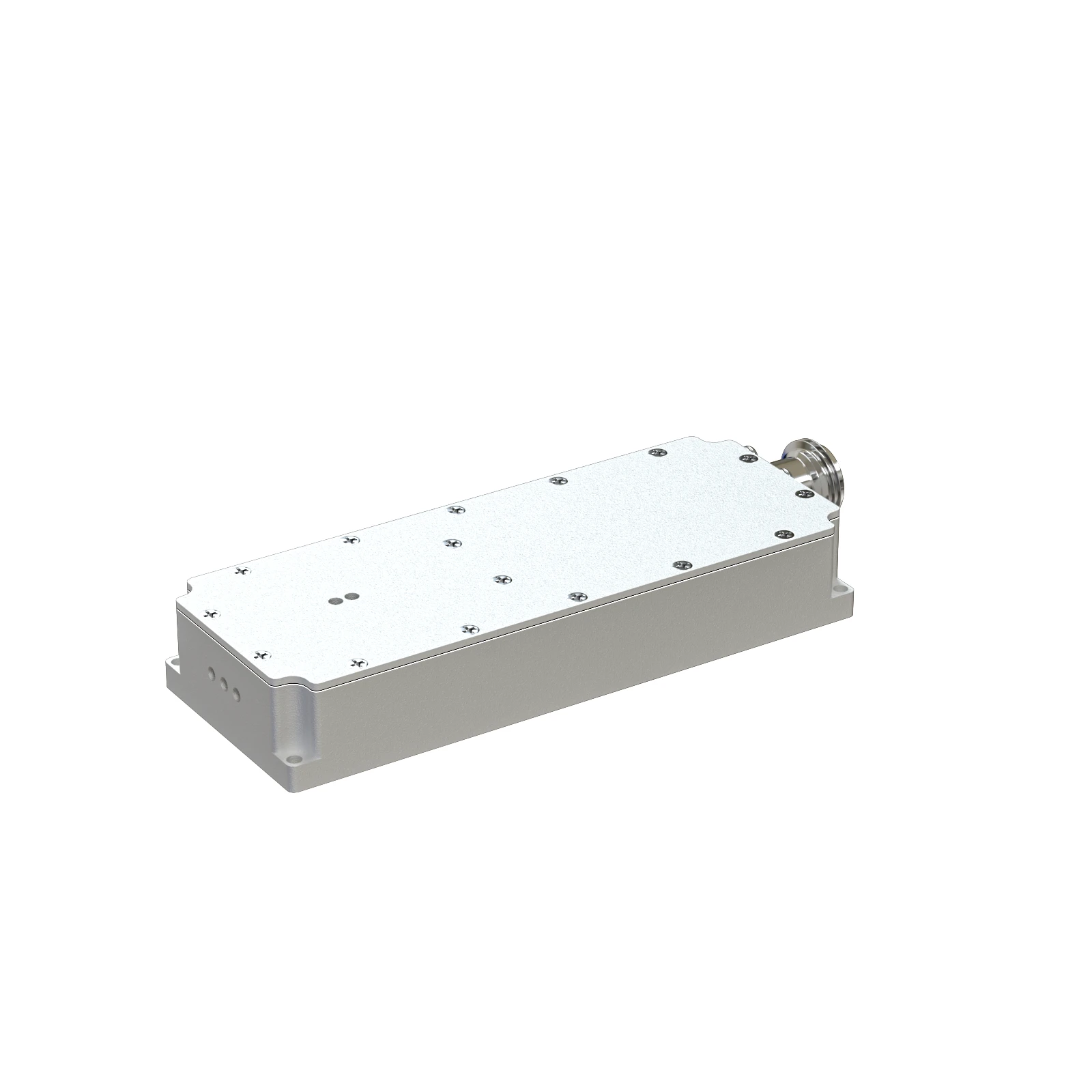
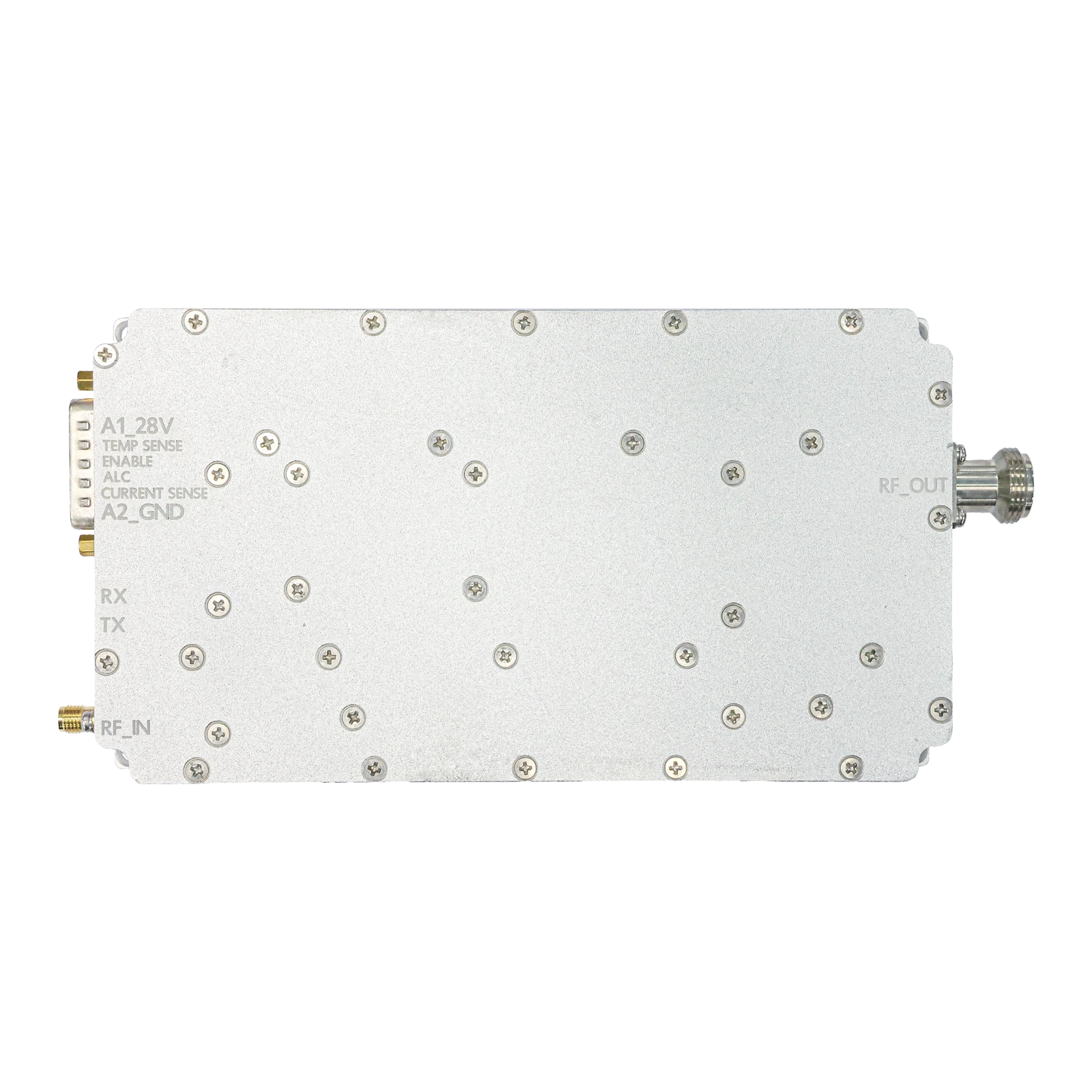
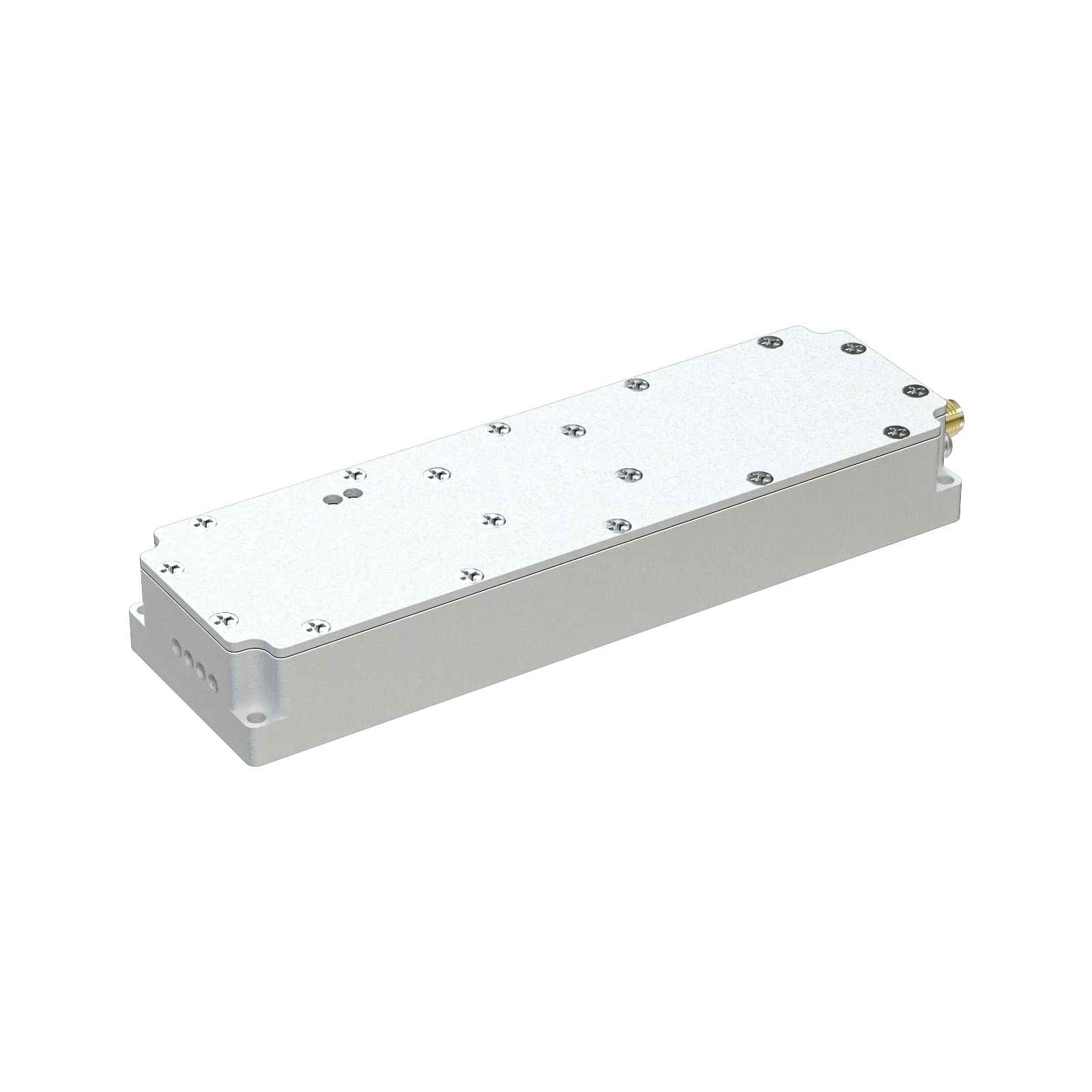
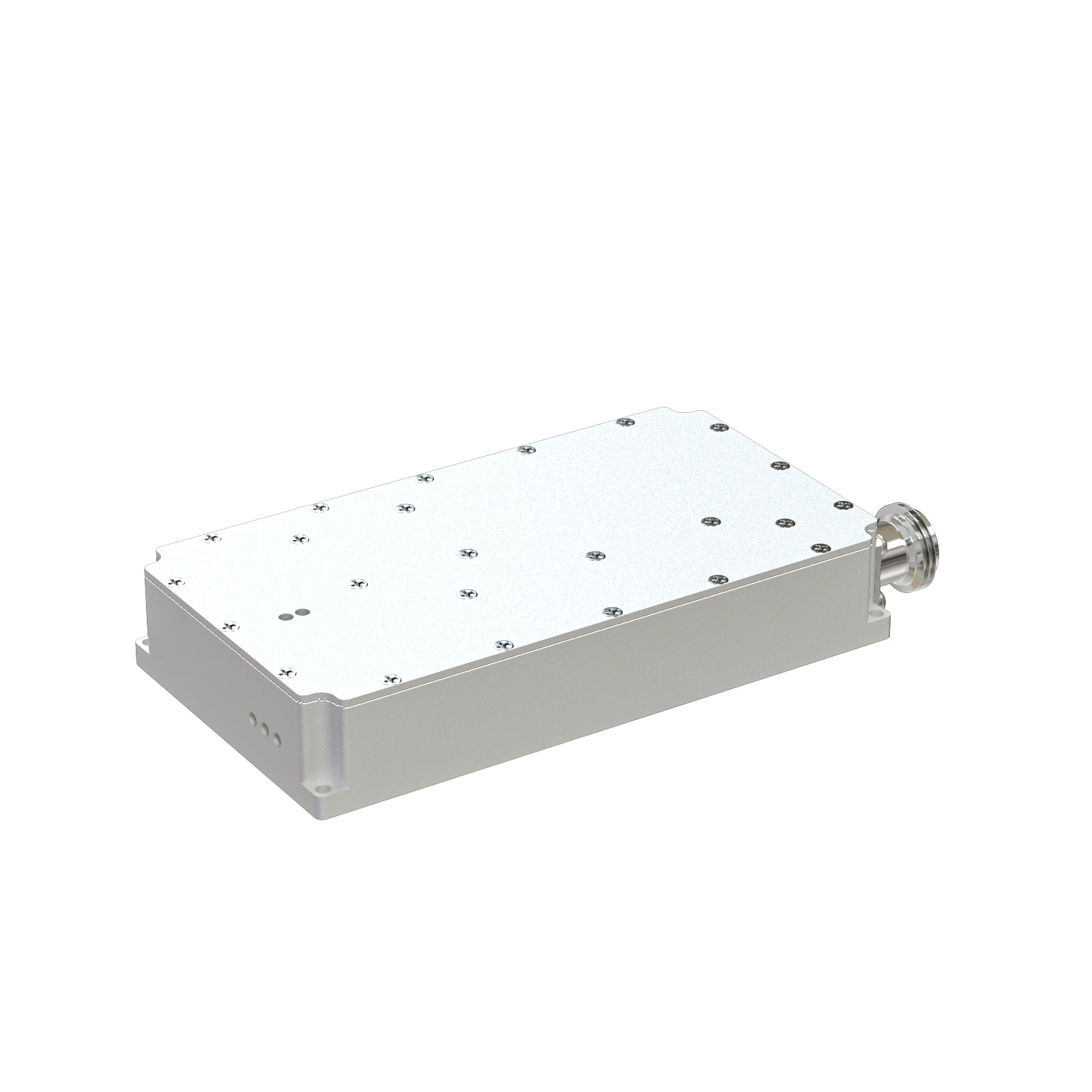
Advanced Wireless connectivity with cyrf6936 module for Qatar Industrial Systems

Providing high-performance RF solutions tailored for the extreme environmental conditions and digital transformation needs of Asia - Qatar.

Advanced Wireless connectivity with cyrf6936 module for Qatar Industrial Systems

Specialized radio frequency transmission components engineered for the unique infrastructure of Qatar, ensuring seamless data exchange in energy and urban sectors.

The State of RF Wireless Manufacturing in Asia - Qatar

Analyzing the intersection of extreme heat and high-demand data transmission.

In Qatar, the wireless communication landscape is defined by a rapid push toward "Smart City" initiatives and a heavy reliance on the oil and gas sector. The adoption of the cellular transceiver module has become critical for monitoring remote pipeline assets where traditional wired infrastructure is impossible to deploy.

The local environment presents a significant challenge: extreme thermal stress. High ambient temperatures in the desert require hardware that maintains frequency stability. This has led to an increased demand for a high-quality oem rf module that can be integrated into ruggedized, climate-controlled enclosures for industrial reliability.

Furthermore, the Qatar National Vision 2030 is driving a surge in specialized electronic device manufacturing. There is a growing niche for a diy rf module among local tech incubators and researchers who are prototyping low-power wide-area networks (LPWAN) for agricultural optimization in arid zones.
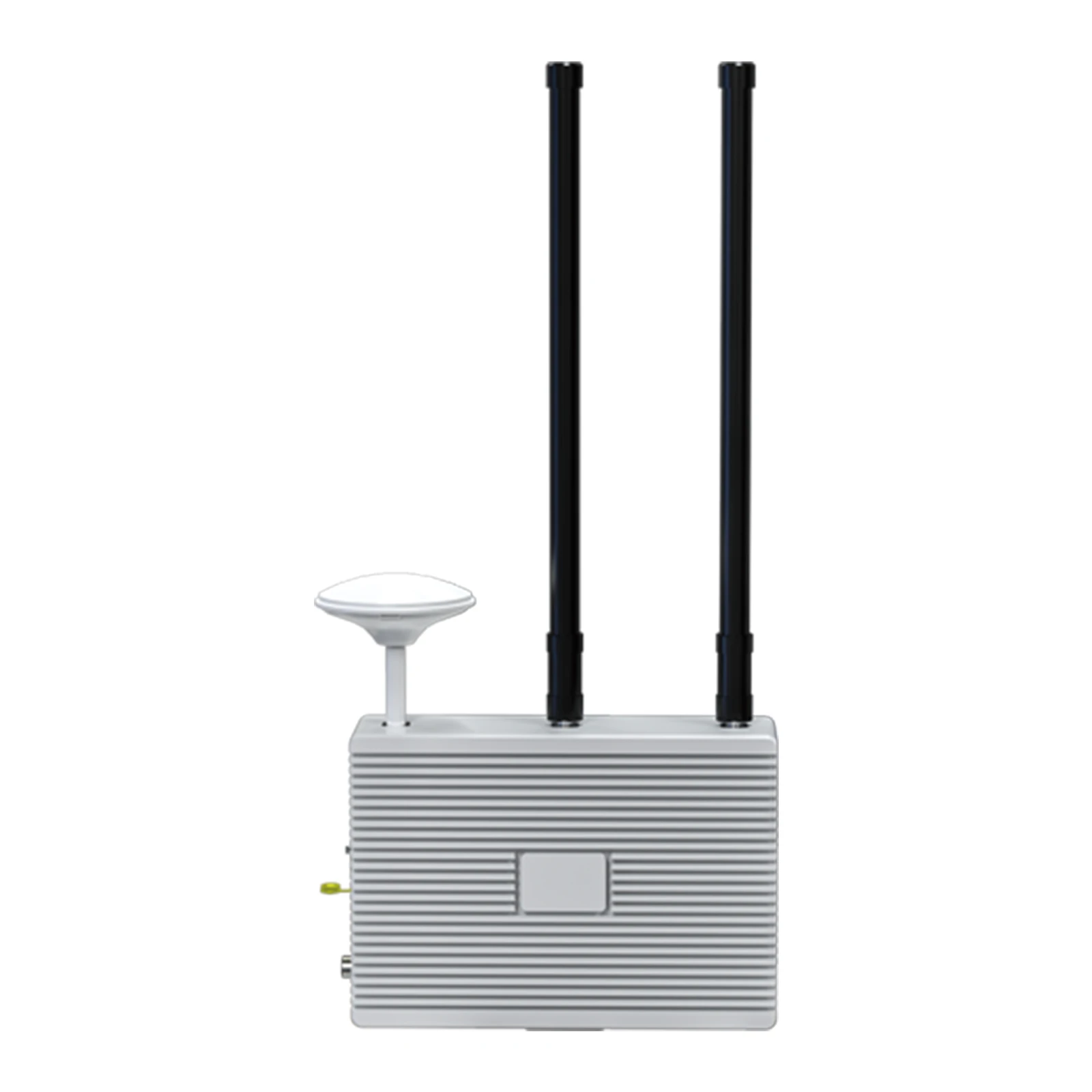
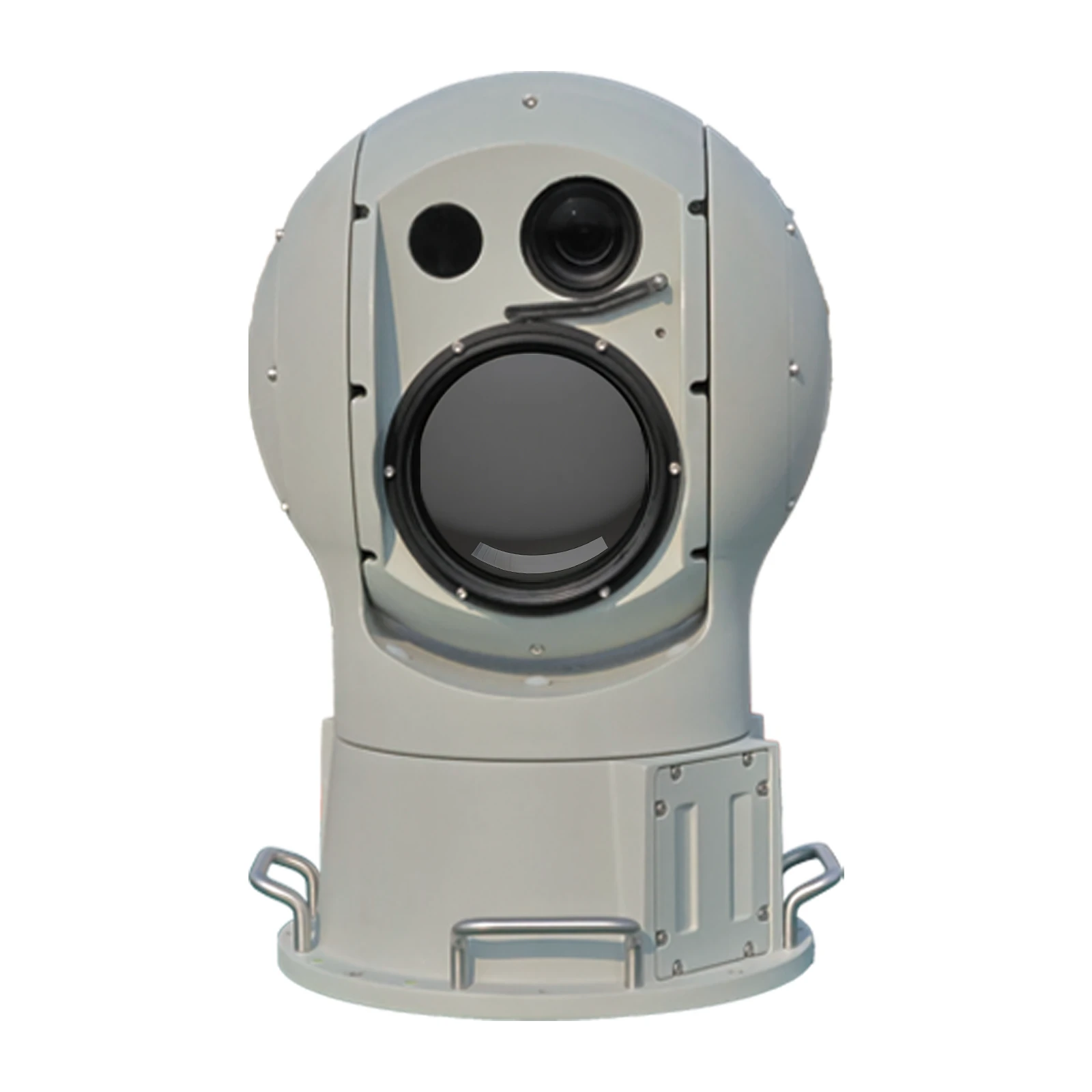
Evolution of Wireless Transmission in Qatar

From basic telemetry to sophisticated software-defined radio systems.

Market Development History

During the early 2000s, wireless transmission in Qatar relied on basic analog systems for oil field telemetry. These systems were prone to interference and offered limited data throughput, creating a bottleneck for operational efficiency.

By 2010-2015, the transition toward digital modulation occurred. The introduction of the cc1120 module allowed for more reliable sub-GHz communication, enabling secure remote control of industrial valves and sensors across vast distances.

From 2018 to the present, the focus has shifted toward high-integration and low-power consumption. The market now prioritizes modules that support agile frequency hopping and encrypted transmission to protect critical national infrastructure from cyber-physical threats.

Future Development Trends

AI-Driven Spectrum Management

Integration of machine learning to dynamically adjust frequencies, reducing congestion in densely populated areas like Doha.

Ultra-Low Power IoT Mesh

A shift towards decentralized mesh networks where every node acts as a repeater, enhancing coverage in underground utility tunnels.

6G-Ready Hardware Foundations

Developing hardware that supports terahertz frequencies, preparing the regional software and information technology services for the next era of connectivity.

Industry Outlook and Future Projections

Strategic forecasting for the wireless equipment manufacturing sector in the Gulf region.

Edge Computing Integration
Moving data processing from the cloud to the RF module level to reduce latency in critical energy shutdowns.
Energy-Harvesting RF
Developing modules that can operate on solar energy, eliminating battery replacement in desert environments.
Quantum-Safe Encryption
Implementing post-quantum cryptographic algorithms into the hardware layer of RF transceivers.
Satellite-RF Hybridization
Creating modules that seamlessly switch between terrestrial RF and LEO satellite links for absolute coverage.

Industry Outlook

Based on regional search trends and the "Qatar National Vision 2030", we expect a 15% annual growth in the demand for industrial-grade wireless modules. The focus is shifting from "connectivity" to "intelligent connectivity," where the hardware must support autonomous decision-making.

The integration of software-defined radio (SDR) will allow a single hardware platform to support multiple protocols, significantly reducing the cost of maintenance for the vast arrays of sensors deployed across the Qatari peninsula.

Localized RF Application Scenarios in Qatar

Real-world implementations of wireless communication technology in the local Qatari market.

01. Oil & Gas Pipeline Monitoring

Using a cellular transceiver module to provide real-time pressure and leak detection alerts from remote desert sites to central control rooms in Doha.

02. Smart Grid Energy Management

Implementing the cyrf6936 module for low-power synchronization of smart meters across residential districts, optimizing electricity load during peak summer months.

03. Industrial Automation in Lusail City

Deploying an oem rf module within automated building management systems to control HVAC and lighting via secure, interference-free radio links.

04. Agricultural IoT in Al Khor

Utilizing a diy rf module for precision farming, where sensors monitor soil salinity and humidity, transmitting data to irrigation controllers.

05. Logistics and Port Security at Hamad Port

Integrating the cc1120 module for asset tracking and secure access control of cargo containers moving through the logistics hub.

Brand Story

Global Development Journey of Shenzhen Jiajinh Communication Co., Ltd.

Founding Vision

Established with a commitment to bridge the gap between complex RF engineering and commercial scalability, focusing on high-stability wireless modules.

Technical Breakthroughs

Perfected the integration of low-power transceivers, solving the critical pain point of battery drain in industrial IoT deployments.

Global Expansion

Expanded operations into the Middle East, adapting hardware to withstand extreme temperatures and diverse regulatory frequency bands.

Strategic Partnerships

Collaborated with leading software firms to create integrated "Hardware + Cloud" solutions for the energy sector.

Future Leadership

Leading the transition toward 6G and AI-integrated RF modules, ensuring secure and efficient data transmission for the next generation.

Local RF Technology FAQ

Answers to common technical queries regarding RF deployment in Qatar.

How does the cc1120 module perform in Qatar's high-temperature environment?

The module is designed with industrial-grade oscillators to minimize frequency drift. When paired with our recommended thermal shielding, it operates reliably up to 85°C.

Can the cellular transceiver module integrate with local Qatari telecom networks?

Yes, our modules are fully compatible with the 4G/5G bands utilized by Ooredoo and Vodafone Qatar, ensuring seamless wide-area connectivity.

What are the advantages of using a cyrf6936 module for smart city apps?

It offers an exceptional balance of low power consumption and high sensitivity, making it ideal for battery-powered sensors in urban deployments.

Is the diy rf module suitable for prototyping industrial sensors?

Absolutely. It provides the flexibility needed for rapid iteration and testing of proprietary protocols before moving to mass production.

What customization options are available for the oem rf module?

We provide custom firmware, antenna matching for specific chassis, and specialized coating for corrosion resistance in coastal areas.

How to handle signal interference in dense industrial zones in Doha?

We recommend using modules that support Frequency Hopping Spread Spectrum (FHSS) to automatically bypass congested channels.

Get Expert RF Guidance Today

Ready to optimize your wireless infrastructure in Qatar? Our engineering team is here to provide tailored solutions for Asia - Qatar.

Contact Us Now

If you are interested in our products, you can choose to leave your information here, and we will be in touch with you shortly.


en_USEnglish