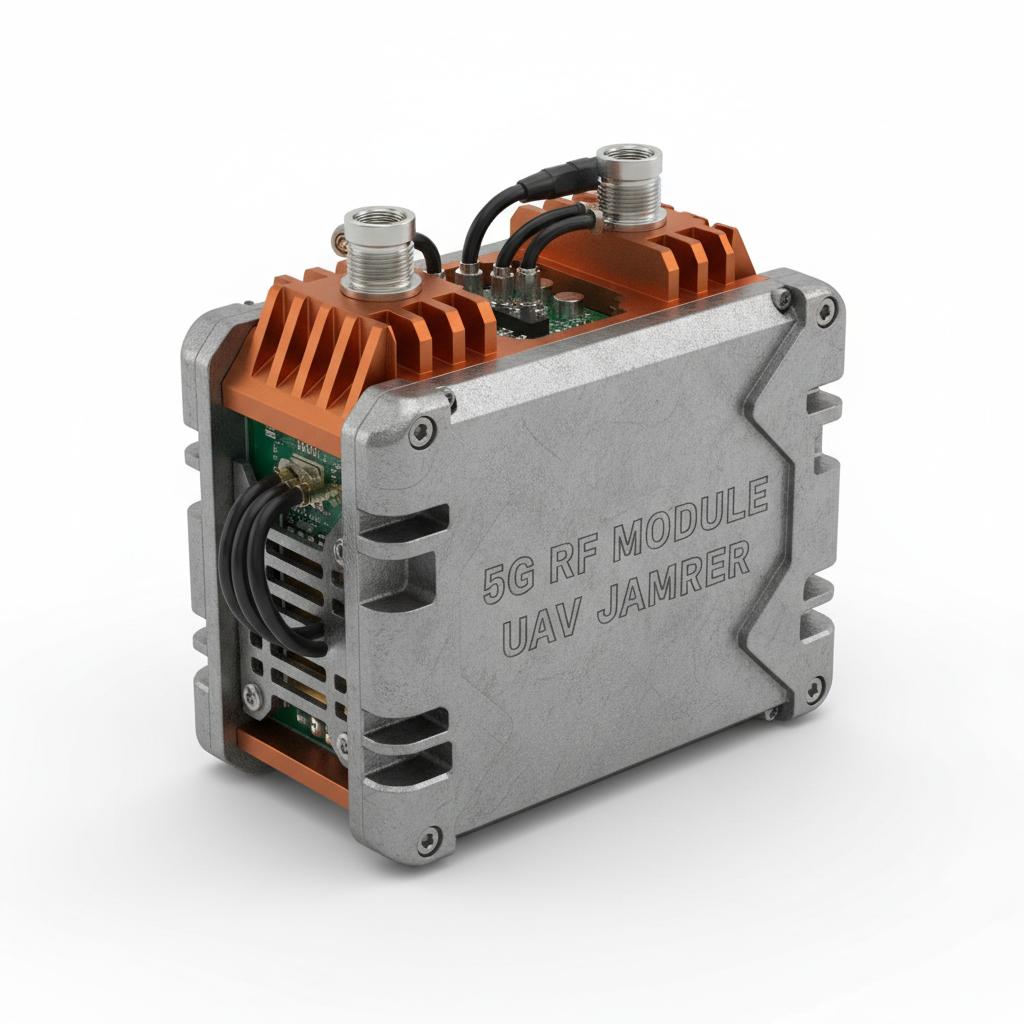
The realm of radio frequency (RF) power detection is increasingly critical across numerous industries, from telecommunications and wireless charging to defense and medical applications. A sophisticated rf power detector module is no longer just a component; it’s a fundamental building block for ensuring signal integrity, optimizing performance, and maintaining safety standards in a world saturated with wireless technology. Understanding its principles, applications, and future trends is paramount for engineers, researchers, and businesses alike.
The demand for accurate and reliable RF power detection stems from the ever-growing complexity of wireless systems. The proliferation of 5G networks, IoT devices, and advanced radar systems requires precise monitoring and control of RF power levels to avoid interference, comply with regulatory requirements, and maximize efficiency. The global RF power detection market is projected to experience significant growth, driven by the need for more sophisticated and sensitive rf power detector module solutions.
Essentially, an rf power detector module is a circuit that converts a radio frequency (RF) signal into a DC voltage proportional to the signal’s power. This allows for the monitoring and measurement of RF power levels, essential for applications ranging from signal strength indication in mobile devices to precise power control in base stations. This technology isn’t simply about hardware; it’s integral to the functioning of our increasingly connected world.


At its core, the operation of an rf power detector module relies on the fundamental principles of RF signal processing. It typically involves rectifying the RF signal, filtering out unwanted frequencies, and converting the resulting signal into a DC voltage. The accuracy and speed of this conversion are paramount, dictating the module’s overall performance and suitability for various applications.
Crucially, the design choices made during the development of an rf power detector module—including the type of diode used for rectification, the characteristics of the filter network, and the calibration techniques employed—significantly impact its sensitivity, dynamic range, and linearity. Optimizing these factors is essential to achieving reliable and accurate power measurements.
For 5G, prioritize modules with a wide bandwidth, high linearity, and fast response time to accurately handle the complex and dynamic signal characteristics of 5G networks. Look for modules specifically designed to operate within the 5G frequency bands and with low insertion loss to minimize signal degradation. Consider the dynamic range needed for your specific application and ensure the module's sensitivity is sufficient to detect weak signals. Accurate calibration is also vital.
Temperature variations can significantly impact the accuracy of rf power detector module measurements, primarily due to changes in the diode's forward voltage and the module's internal impedance. High-quality modules utilize temperature compensation techniques to minimize these effects. Calibration across a range of temperatures is crucial, and consider modules with built-in temperature sensors for real-time correction. Careful thermal management of the module is also important.
Linear power detectors provide an output voltage directly proportional to the input power, offering high accuracy within their limited dynamic range. Logarithmic detectors, however, produce an output voltage proportional to the logarithm of the input power, providing a much wider dynamic range but with slightly reduced accuracy. The choice depends on the application; logarithmic detectors are best for signals with varying power levels, while linear detectors are ideal when high precision is paramount within a narrow range.
The lifespan of an rf power detector module varies depending on factors like operating temperature, input power levels, and quality of components. Generally, a well-designed and properly operated module can last for 5-10 years or longer. Proper cooling and adherence to manufacturer's specifications are crucial for maximizing lifespan. Regular calibration can also help maintain accuracy over time and extend the module’s useful life.
Calibration involves comparing the module's output to a known RF power standard. This is typically done using a calibrated power meter and a signal generator. The process involves adjusting the module's internal parameters to ensure the output voltage accurately reflects the input power. Regular calibration, recommended annually or more frequently depending on the application, is crucial for maintaining accuracy.
Yes, research is ongoing into alternatives to traditional diode-based modules. Thermistor-based detectors offer high accuracy but are slower in response time. More recently, MEMS-based detectors are gaining traction, offering a compact form factor and potentially higher sensitivity. Furthermore, research into advanced semiconductor materials is paving the way for more efficient and accurate power detection solutions.
In conclusion, the rf power detector module represents a critical component underpinning a vast array of modern technologies. From optimizing wireless networks and enabling medical advancements to bolstering national defense and aiding disaster relief, these modules play a pivotal role in ensuring the reliability, safety, and efficiency of our increasingly connected world. A comprehensive understanding of their principles, applications, and future trends is essential for continued innovation.
Looking ahead, the convergence of advanced materials, machine learning, and miniaturization will drive further advancements in rf power detection technology. Investing in research and development, and fostering collaboration between industry and academia, will be crucial for unlocking the full potential of these modules and shaping the future of wireless communications. Visit our website at www.drone-system.com to learn more about our comprehensive range of rf power detector modules and solutions.