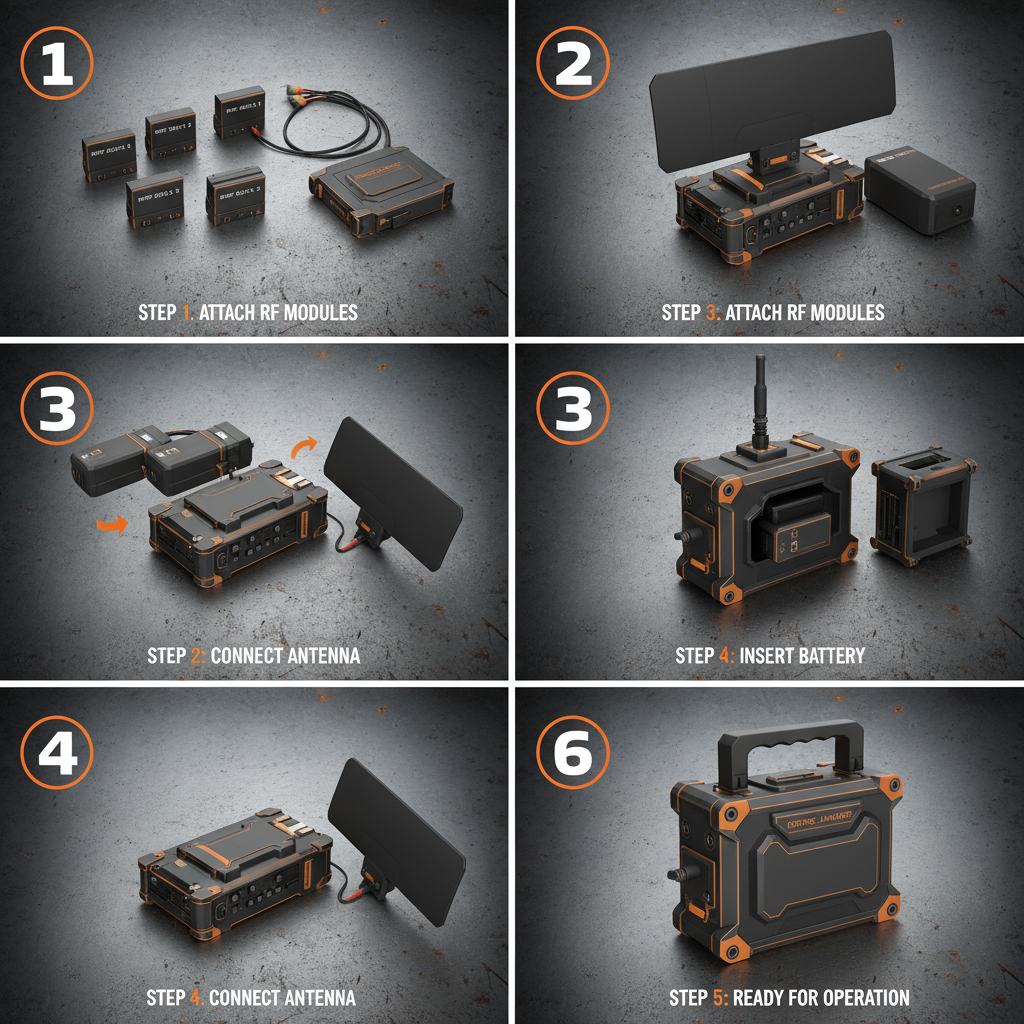
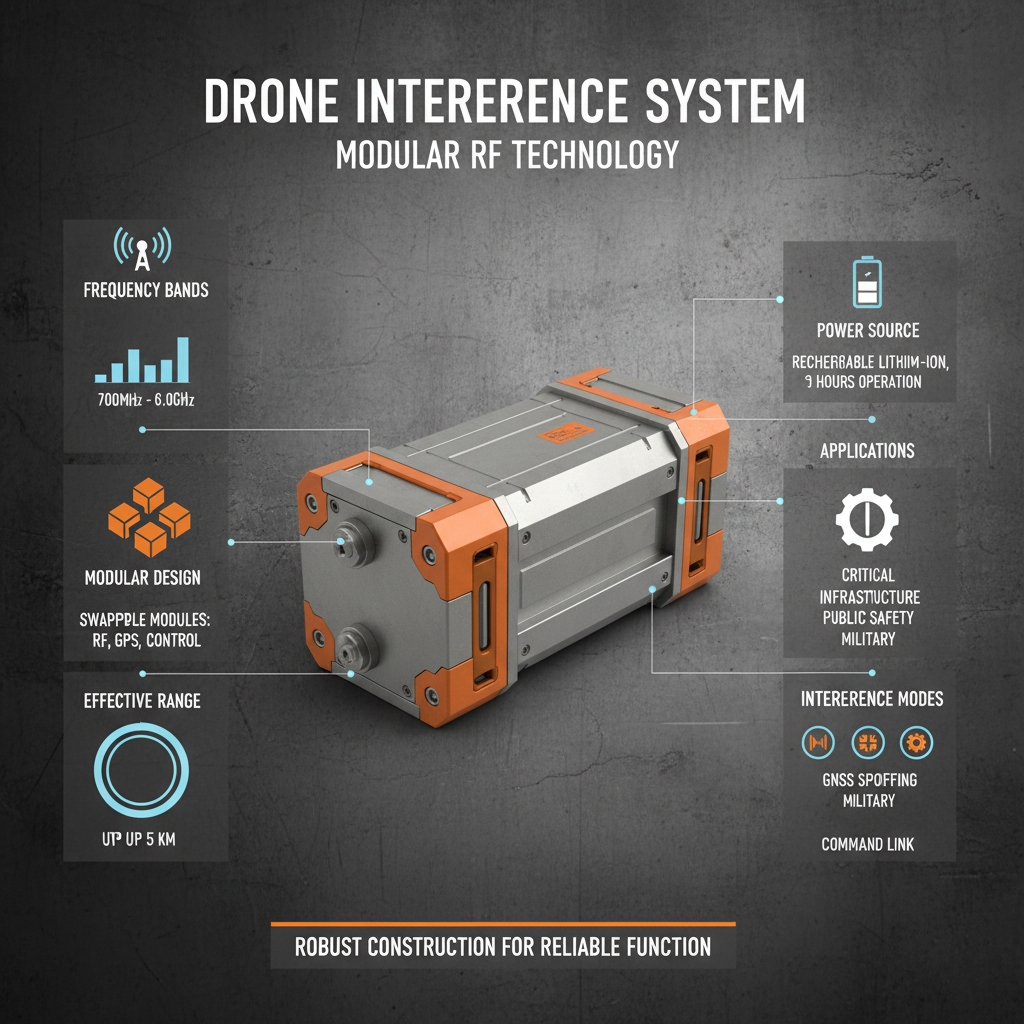
Modular RF, encompassing the design and implementation of radio frequency (RF) systems using modular building blocks, is rapidly becoming the cornerstone of modern wireless communication infrastructure. Its adaptability and scalability address the escalating demands for diverse and customizable RF solutions, essential for applications ranging from defense and aerospace to telecommunications and commercial drone defense systems. This technology isn’t simply about components; it’s a paradigm shift in how RF systems are developed, deployed, and maintained.
Globally, the wireless communication market is experiencing unprecedented growth, projected to reach $200 billion by 2028 according to Statista. This surge is driven by the proliferation of 5G, IoT devices, and the expanding need for secure and reliable wireless connectivity. The inherent complexity of these systems demands more agile and flexible architectures. Traditional, monolithic RF designs struggle to keep pace with this evolution, resulting in longer development cycles and higher costs.
Modular RF offers a compelling solution to these challenges. By utilizing pre-characterized, interchangeable modules, engineers can rapidly prototype, configure, and upgrade RF systems, dramatically reducing time-to-market and overall project expenses. This efficiency is crucial in a competitive landscape where innovation and speed are paramount. Furthermore, it enables a higher degree of customization to meet specific application requirements, without the need for extensive and costly redesigns.
The Fundamentals of Modular RF
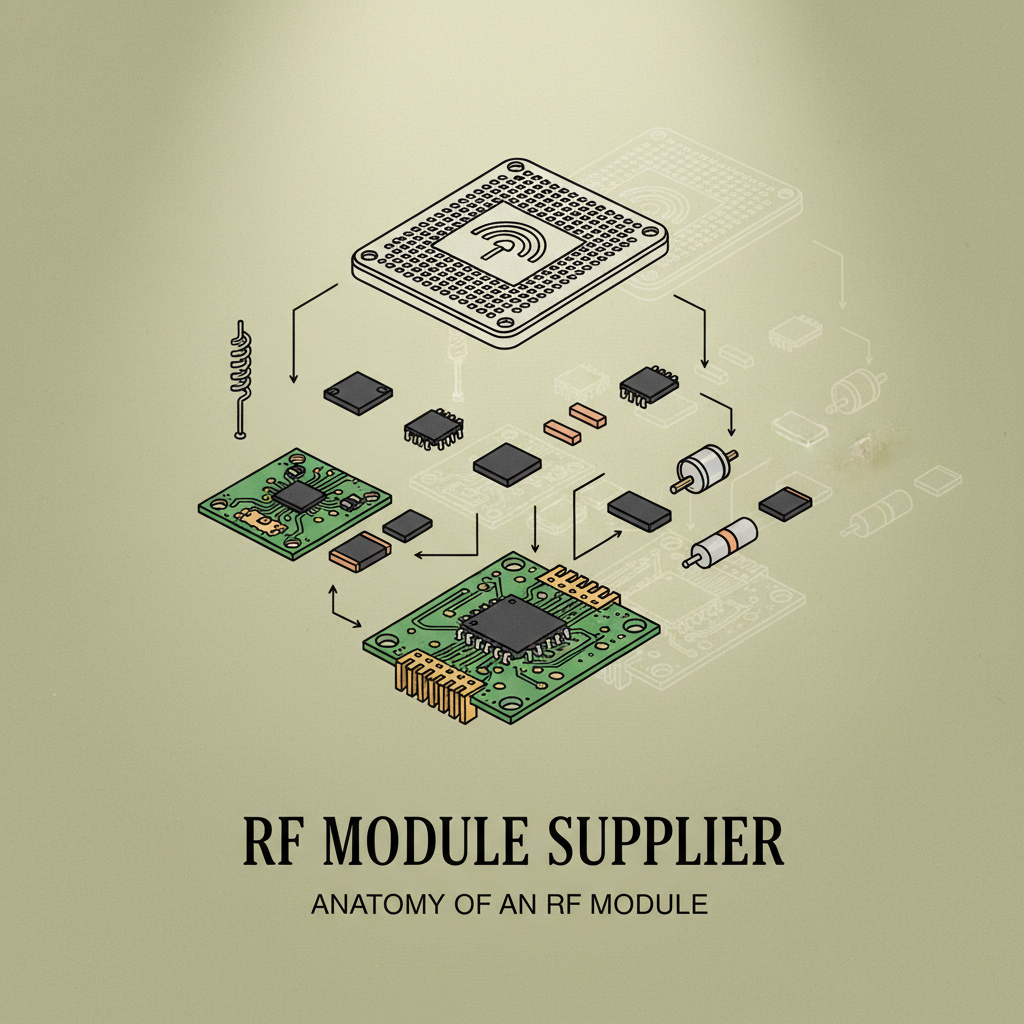
At its core, modular RF centers around the concept of building RF systems from pre-designed, independently testable modules. These modules can include power amplifiers, mixers, filters, oscillators, and low-noise amplifiers, each encapsulated in a standardized package. This approach contrasts with traditional RF designs, where components are often custom-built and tightly integrated. The benefits of using modular rf are numerous, particularly in rapidly evolving fields like drone detection and counter-UAS technology.
The power of modularity lies in its flexibility. Engineers can select and combine modules based on specific requirements, creating systems tailored to a wide range of frequencies, power levels, and functionalities. This “building block” approach significantly reduces development time and allows for rapid prototyping and iteration, fostering innovation and quicker responses to market needs.
Global Relevance and Industry Context
The global RF and microwave component market is estimated to reach $45 billion by 2027, driven by the increasing demand for wireless communication infrastructure and electronic warfare systems. This growth is particularly pronounced in regions with rapidly expanding economies, such as Asia-Pacific and the Middle East, where governments are investing heavily in defense and telecommunications. The demand for effective counter-drone solutions alone is surging, creating a significant opportunity for modular rf-based systems.
However, this growth is accompanied by challenges. The complexity of modern RF systems, coupled with shrinking development cycles, requires innovative solutions that can accelerate time-to-market and reduce costs. Traditional RF design methods often fall short in addressing these demands, leading to delays, budget overruns, and compromised performance.
Consequently, modular RF is gaining traction across various industries, including defense, aerospace, telecommunications, and industrial automation. The ability to quickly adapt to changing requirements and deploy customized solutions is becoming increasingly critical, positioning modular RF as a key enabler of future wireless communication technologies.
Defining Modular RF Technology
Modular RF can be defined as an architectural approach to RF system design that utilizes pre-characterized, self-contained modules to create functional systems. These modules are typically designed to operate across a broad frequency range and can be easily interconnected using standardized interfaces, minimizing the need for custom integration. Understanding modular rf means understanding the difference between system-level and component-level design philosophies.
The connection to modern industry stems from the need for agility and rapid deployment. Industries such as defense require systems that can quickly adapt to emerging threats, while commercial sectors demand fast-paced innovation to maintain a competitive edge. Modular RF provides the foundation for this adaptability, enabling engineers to create customized solutions on demand.
Furthermore, modular RF also addresses critical humanitarian needs. In disaster relief scenarios, for example, quickly deployable communication systems are essential for coordinating rescue efforts and providing vital support to affected populations. Modular RF-based systems offer the flexibility and portability needed to establish reliable communication networks in challenging environments.
Key Advantages of Modular RF Systems
The appeal of modular RF lies in its numerous advantages over traditional RF design approaches. Perhaps the most significant benefit is Reduced Development Time. By leveraging pre-characterized modules, engineers can drastically shorten the prototyping and testing phases, accelerating time-to-market. This is particularly crucial in dynamic markets where responsiveness is key.
Another key advantage is Scalability and Flexibility. Modular RF systems can be easily scaled to meet changing requirements. Adding or replacing modules is a straightforward process, allowing engineers to adapt to evolving needs without significant redesigns. This is especially important in fields like drone defense, where the threat landscape is constantly evolving.
Modular RF Performance Metrics
Applications of Modular RF in the Real World
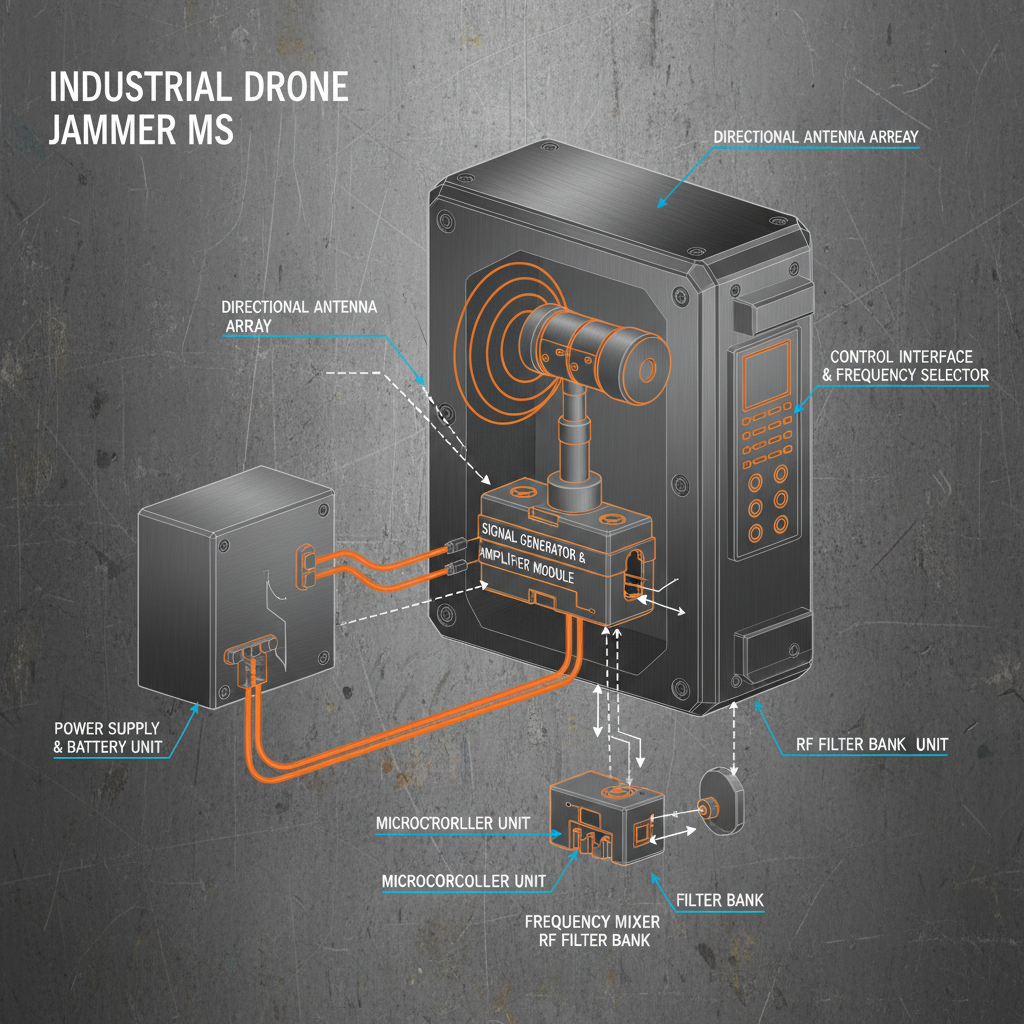
The versatility of modular rf shines through its wide range of applications. In the defense sector, it’s employed in electronic warfare systems, radar systems, and communication networks, providing the agility needed to counter evolving threats. Specifically, the jammer systems and drone detectors we manufacture leverage this technology.
Furthermore, in the telecommunications industry, modular RF enables the rapid deployment of 5G infrastructure, allowing operators to quickly respond to growing bandwidth demands. This is especially critical in rural areas and remote locations where infrastructure deployment can be challenging.
Long-Term Value and Benefits
The advantages of adopting modular RF extend beyond initial cost savings. The reduced development time translates into faster revenue generation, and the scalability of modular systems allows businesses to adapt to changing market conditions without significant investments. This translates into a higher return on investment over the lifecycle of the system.
Moreover, the inherent reliability of well-designed modular RF systems enhances operational efficiency and reduces maintenance costs. The ability to quickly replace faulty modules minimizes downtime and ensures continuous operation, contributing to improved productivity and customer satisfaction. In high-stakes environments, such as security applications, this reliability is paramount.
From a sustainability perspective, modular RF promotes a more circular economy. Modules can be reused and repurposed, reducing electronic waste and minimizing the environmental impact. This aligns with the growing demand for environmentally responsible technologies.
Future Trends and Innovation
The future of modular RF is inextricably linked to advancements in materials science, digital signal processing, and artificial intelligence. New materials, such as gallium nitride (GaN) and silicon carbide (SiC), are enabling the development of more efficient and powerful RF modules. These materials offer superior performance characteristics, allowing for smaller, lighter, and more reliable systems.
Furthermore, advances in digital signal processing are enabling more sophisticated modulation techniques and improved interference mitigation capabilities, enhancing the performance of modular RF systems in challenging environments. The integration of AI and machine learning algorithms is also opening up new possibilities for adaptive RF systems that can automatically optimize performance based on real-time conditions. modular rf is at the forefront of these developments.
The trend towards software-defined radio (SDR) is also driving innovation in modular RF. SDR allows for greater flexibility and programmability, enabling engineers to reconfigure RF systems remotely and adapt to changing requirements without the need for hardware modifications.
FAQS
Modular RF offers significant advantages including reduced development time, increased flexibility, easier scalability, and lower costs. Traditional designs often require extensive custom engineering and are less adaptable to changing requirements. Modularity allows for faster prototyping, quicker adaptation to new standards, and simplified maintenance through individual module replacement.
By utilizing pre-characterized and tested modules, the integration process is significantly streamlined. Engineers don't need to design and test every component from scratch. This drastically reduces the time required to assemble and deploy a complete RF system, allowing for quicker response to market demands and faster rollout of new technologies.
Yes, modular RF is increasingly used in high-frequency applications. While high-frequency design presents unique challenges, advancements in module materials and construction techniques have enabled the development of modular RF components that perform effectively at mmWave frequencies. The ability to quickly prototype and test different configurations is particularly valuable in this rapidly evolving field.
Key considerations include frequency range, power output, noise figure, linearity, and interface compatibility. It's crucial to ensure that the modules meet the specific requirements of the application and that they can be seamlessly integrated with other system components. Carefully evaluating the module’s specifications and performance characteristics is essential for optimal system performance.
Modular RF generally reduces costs by shortening development time, minimizing the need for custom engineering, and facilitating easier maintenance. While the initial cost of modules may be comparable to discrete components, the overall system cost is often lower due to reduced labor and testing expenses. The reusability of modules can also contribute to long-term cost savings.
Absolutely. While initially attractive for prototyping and low-volume production, modular RF is now scalable to large-scale manufacturing. Automated assembly and testing processes can be implemented to streamline production, and the standardized nature of modules simplifies supply chain management. The economies of scale associated with modular RF can lead to significant cost reductions in high-volume production.
Conclusion
In conclusion, modular RF represents a transformative approach to RF system design, offering unparalleled flexibility, scalability, and cost-effectiveness. Its ability to accelerate innovation, reduce time-to-market, and adapt to evolving needs makes it an indispensable technology for a wide range of industries, from defense and aerospace to telecommunications and beyond. Embracing modular rf is not simply adopting a new technology; it's embracing a new paradigm for RF system development.
Looking ahead, the continued integration of advanced materials, digital signal processing, and artificial intelligence will further enhance the capabilities of modular RF systems. Businesses that proactively adopt this technology will be well-positioned to capitalize on the opportunities presented by the rapidly evolving wireless communication landscape. Visit our website at www.drone-system.com to learn more about our innovative modular RF solutions.