

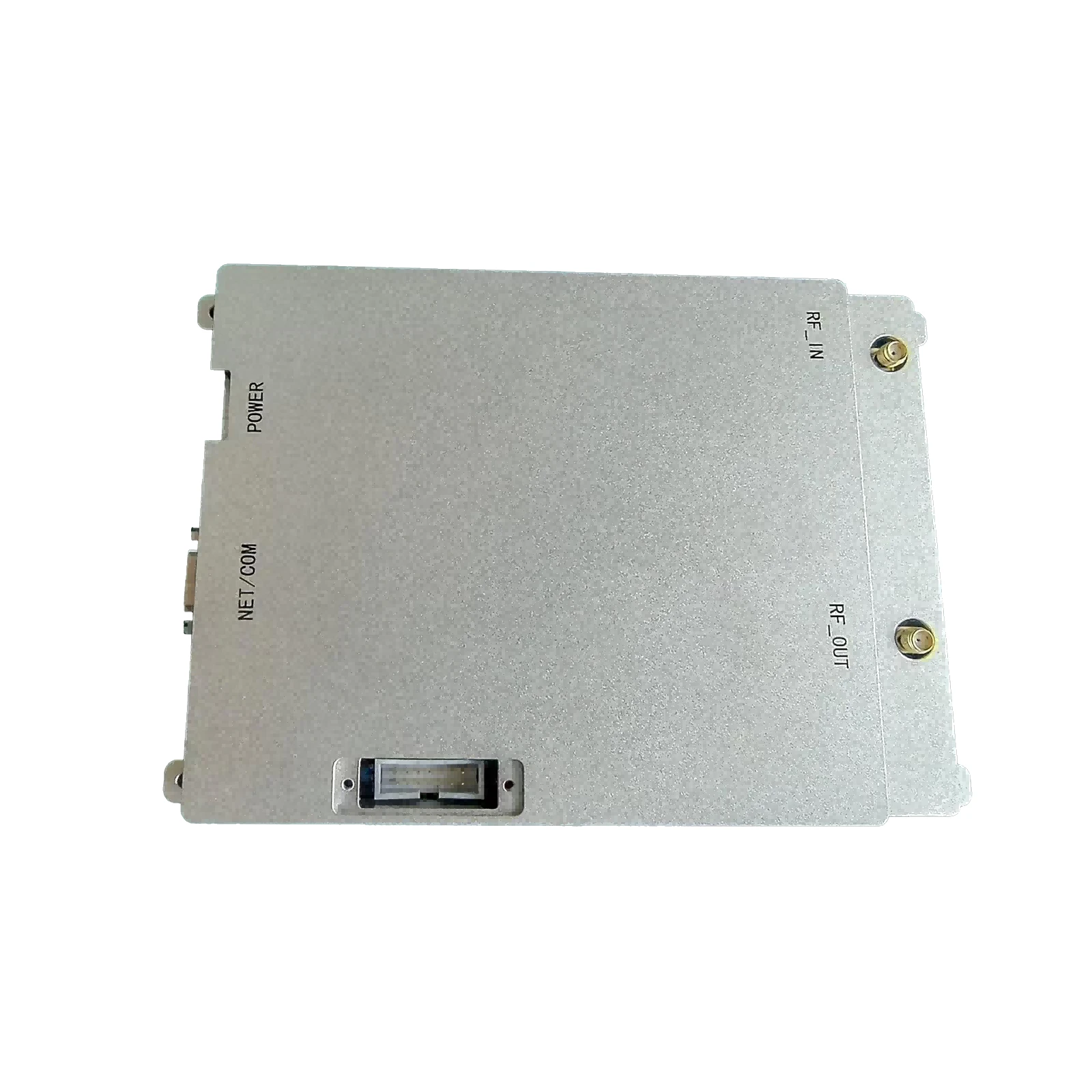
Advanced Tx/Rx Module for Seamless Wireless Communication
Industry Trends in Advanced Communication Modules
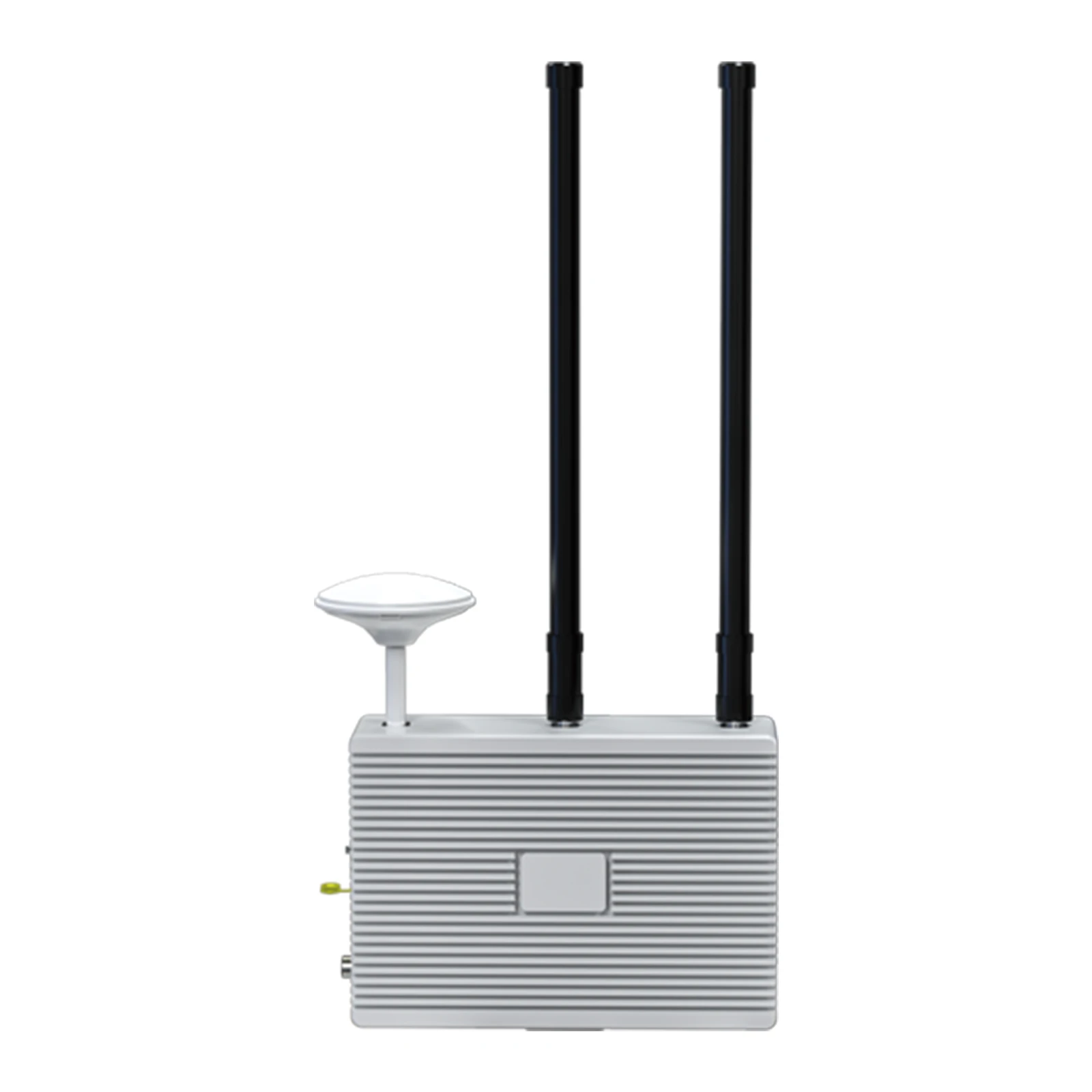
The landscape of modern industrial and defense communication is undergoing rapid evolution, driven by the imperative for higher bandwidth, lower latency, and enhanced reliability. Central to this transformation is the advanced Tx/Rx Module, a critical component enabling seamless data exchange in complex systems. We are witnessing a significant shift towards integrated, miniaturized, and intelligent transceivers that can support diverse communication protocols, from high-speed data links for drone swarm operations to robust, interference-resistant connections for industrial automation. Key trends include the proliferation of software-defined radio (SDR) architectures within these modules, allowing for greater flexibility and adaptability to changing spectral environments and modulation schemes. Furthermore, the demand for wider operating frequencies, often extending into the millimeter-wave (mmWave) bands, is pushing the boundaries of material science and RF engineering to develop components capable of sustained high performance under extreme conditions.
Miniaturization, driven by advancements in System-in-Package (SiP) and Monolithic Microwave Integrated Circuit (MMIC) technologies, is another dominant trend. This allows for the integration of complex functionalities, including power amplifiers, low-noise amplifiers, filters, and mixers, into a compact footprint, essential for space-constrained applications such as unmanned aerial vehicles (UAVs) and compact radar systems. The emphasis on energy efficiency is also paramount, with modules designed to minimize power consumption while maximizing transmission efficiency, thereby extending battery life in portable or remotely deployed systems. These trends collectively underscore the critical role of the Tx/Rx Module as the linchpin for next-generation communication and sensing systems across various high-stakes industries.
Technical Specifications and Parameters
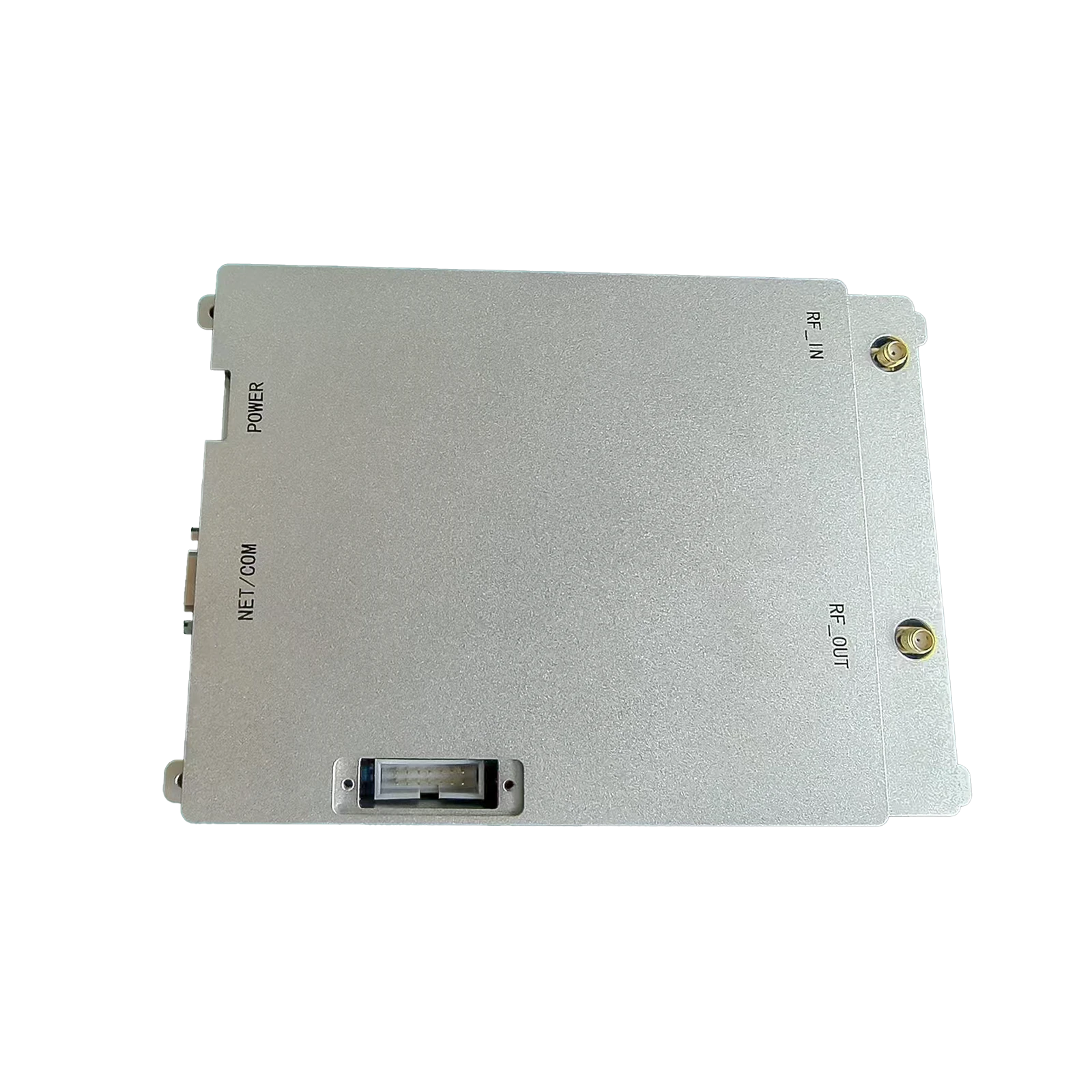
The performance of a Tx/Rx Module is defined by a rigorous set of technical specifications critical for its intended application. These parameters ensure the module's compatibility, reliability, and effectiveness within complex communication architectures. Understanding these specifications is paramount for engineers and system integrators.
Key Parameters Explained:
- Operating Frequency Range: This defines the band of frequencies over which the module can effectively transmit and receive. For specialized applications, ranges can extend from VHF/UHF to Ku-band, Ka-band, and beyond into mmWave, crucial for high-capacity data links and advanced radar systems.
- Output Power (Tx): Measured in dBm, this indicates the strength of the transmitted signal. High output power is essential for long-range communications or penetrating challenging environments, often requiring advanced GaN (Gallium Nitride) amplifiers.
- Noise Figure (Rx): A measure in dB of how much noise the receiver adds to the signal. A lower noise figure is critical for detecting weak signals, enhancing sensitivity and overall link budget.
- Data Rate/Bandwidth: Specifies the maximum data transfer speed (e.g., Mbps, Gbps) and the frequency range occupied by the signal. Higher data rates are increasingly required for real-time video, sensor data fusion, and command-and-control applications.
- Modulation Schemes: Supported modulation types (e.g., QPSK, QAM, OFDM) determine data efficiency and robustness against noise and interference.
- Spurious Emissions: Unwanted signals generated outside the intended transmit band. Low spurious emissions are vital for regulatory compliance and avoiding interference with other systems.
- Power Consumption: The electrical power consumed by the module, particularly important for battery-powered or energy-constrained applications. Efficient designs leverage advanced semiconductor processes.
- Operating Temperature Range: Defines the environmental conditions under which the module can reliably operate, typically ranging from -40°C to +85°C for industrial and military grades.
Typical Product Specification Table:
Manufacturing Process Flow of the Tx/Rx Module
The production of a high-performance Tx/Rx Module involves a sophisticated multi-stage manufacturing process, meticulously controlled to ensure precision, reliability, and adherence to stringent industry standards. From raw material selection to final testing, each step is critical.
Process Stages:
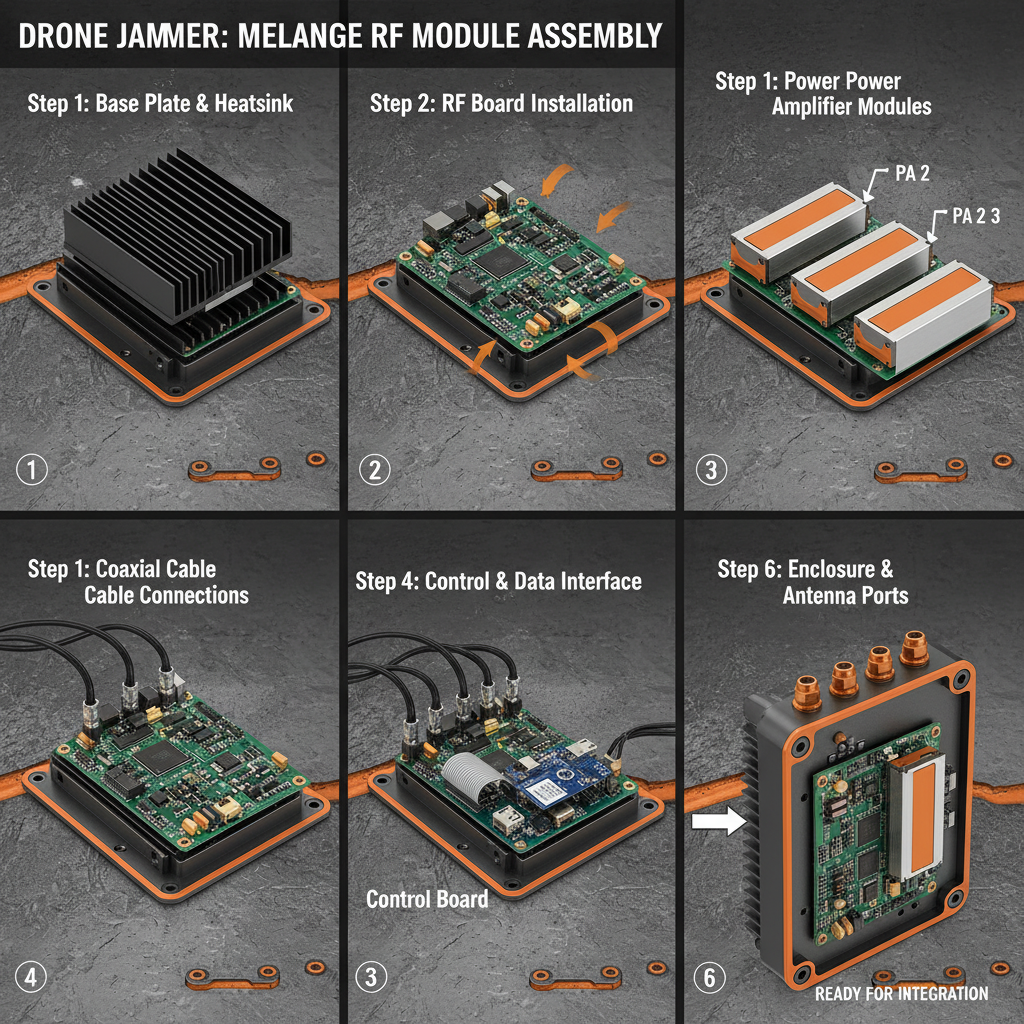
- Substrate Fabrication: High-frequency substrates, often made from advanced ceramics (e.g., Alumina, AlN) or specialized low-loss laminates (e.g., PTFE, RO4000 series), are prepared. This includes precision cutting, etching, and metallization processes to form the foundational circuitry.
- Component Integration (SMT & Die Bonding): Miniature active and passive components (e.g., MMICs, discrete transistors, resistors, capacitors, filters) are precisely placed onto the substrate using automated Surface Mount Technology (SMT) lines. For higher integration and performance, bare die components are often directly attached using advanced die bonding techniques, ensuring minimal parasitic effects.
- Wire Bonding: For bare die components, ultra-fine gold or aluminum wires are bonded between the die pads and the substrate traces, creating electrical connections. This process requires extreme precision to maintain signal integrity at high frequencies.
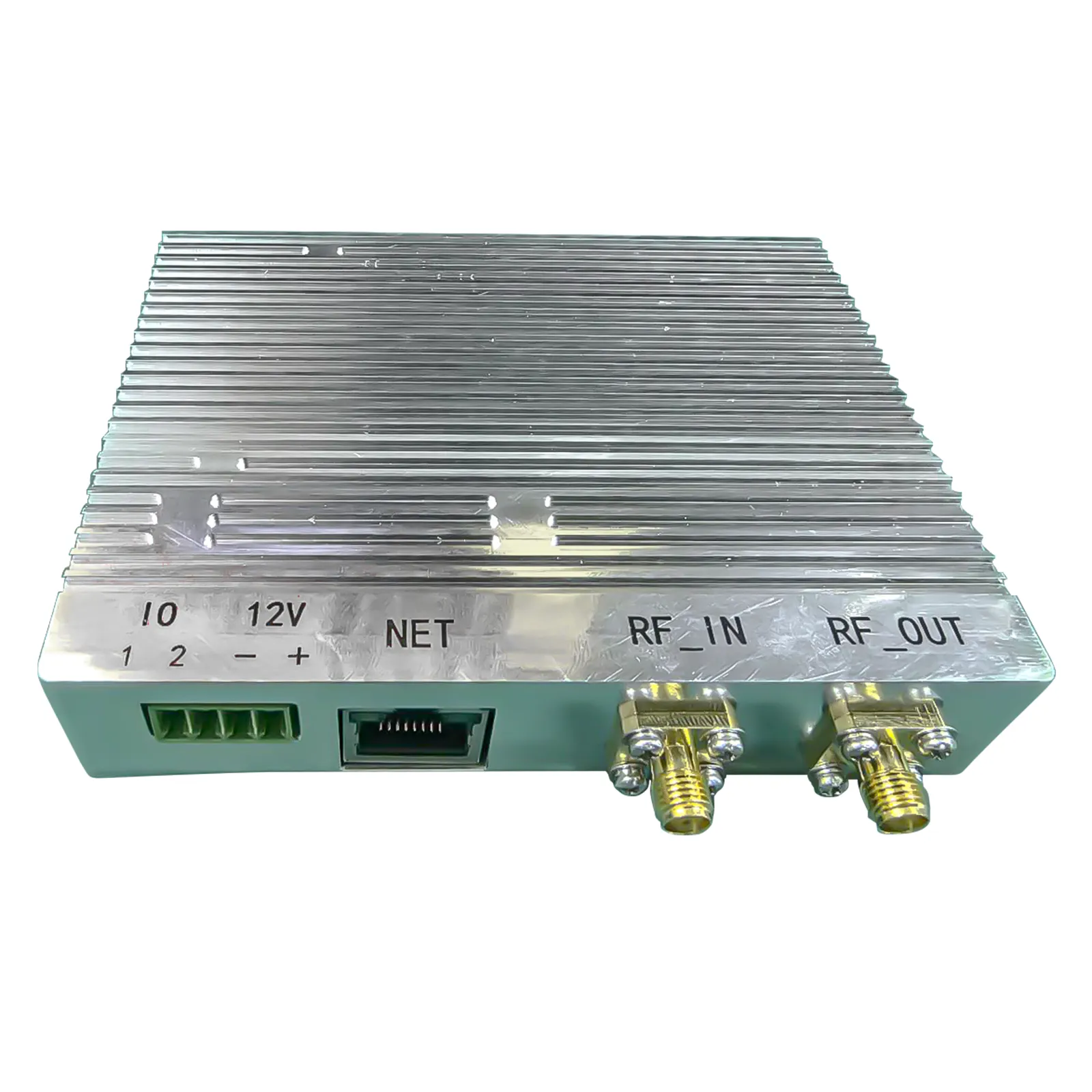
- Packaging and Encapsulation: The assembled circuit is protected within a robust, often hermetically sealed, package. Materials such as specialized low-loss plastics, ceramics, or metallic housings (which can be formed via precision CNC machining from aluminum or copper alloys) are used. Encapsulation protects against environmental factors like moisture, dust, and mechanical shock.
- Initial RF Testing: Each module undergoes initial functional testing to verify basic RF performance, including transmit power, receiver sensitivity, and frequency accuracy. This stage identifies early failures.
- Thermal and Environmental Stress Testing: Modules are subjected to rigorous thermal cycling, vibration, and humidity tests to simulate extreme operating conditions. This identifies potential reliability issues and validates performance stability across the specified operating temperature range (-40°C to +85°C typically).
- Performance Calibration and Final Testing: Comprehensive RF calibration is performed using advanced network analyzers, spectrum analyzers, and signal generators. This includes measuring parameters like S-parameters, EVM (Error Vector Magnitude), spurious emissions, and noise figure against ISO 17025 certified standards. Modules are fine-tuned for optimal performance.
- Quality Assurance & Certification: Final inspection ensures compliance with design specifications and relevant industry standards such as ISO 9001 for quality management and ANSI standards for specific electrical and mechanical properties. A typical service life for these modules is projected at 10-15 years, depending on application stress and maintenance protocols.
Application Scenarios and Target Industries
The versatility and robust performance of the Tx/Rx Module make it indispensable across a multitude of critical industrial and defense sectors. Its ability to facilitate reliable, high-speed, and secure communication under diverse environmental conditions is a key differentiator.
Target Industries:
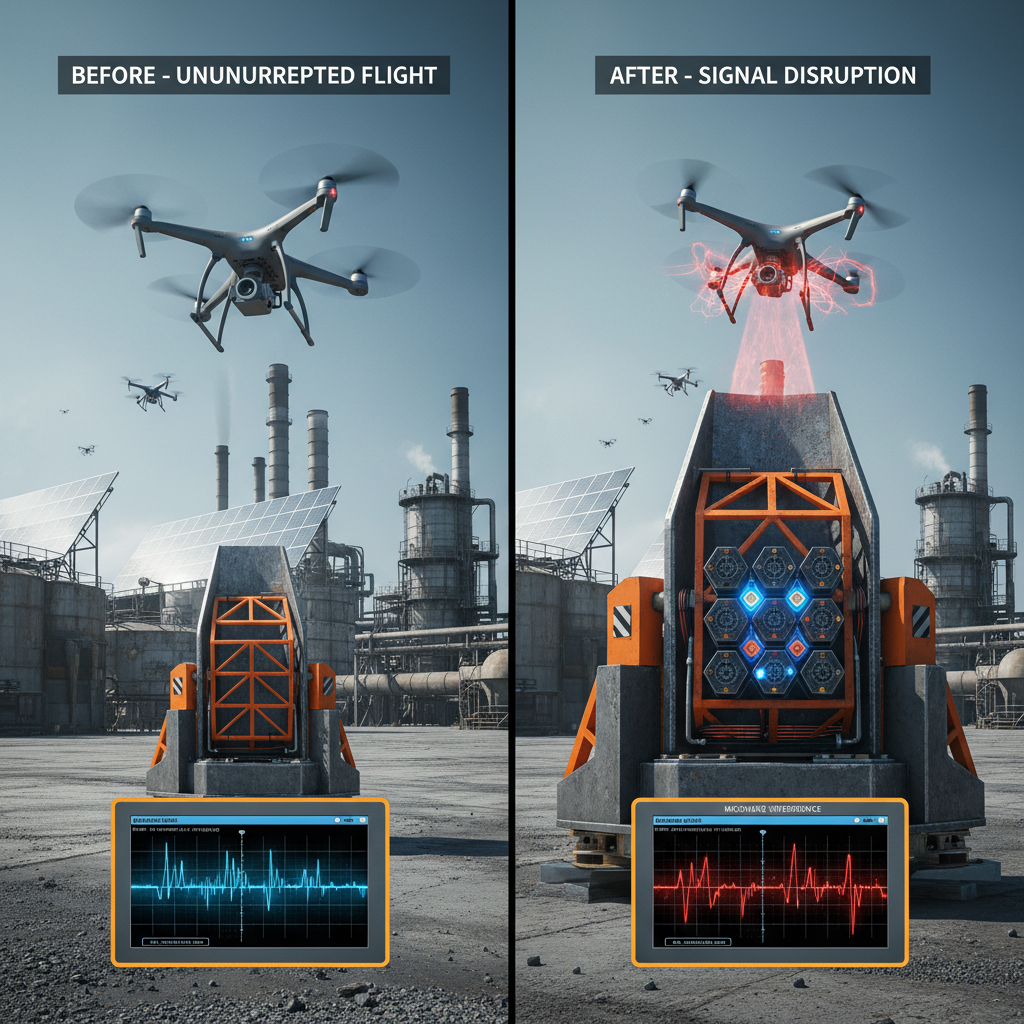
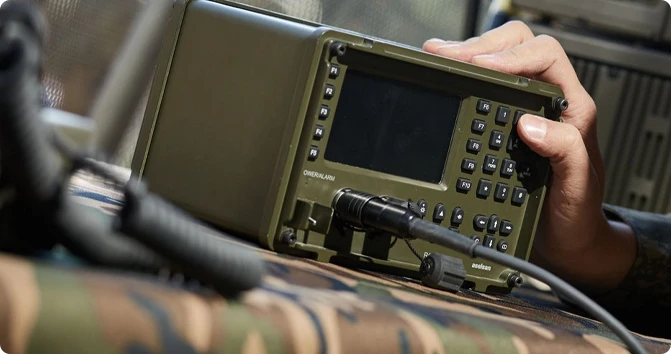
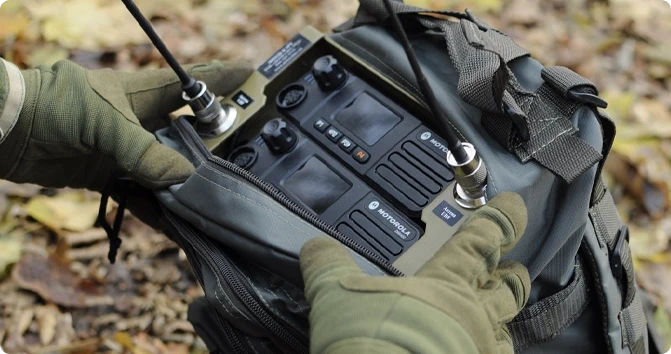
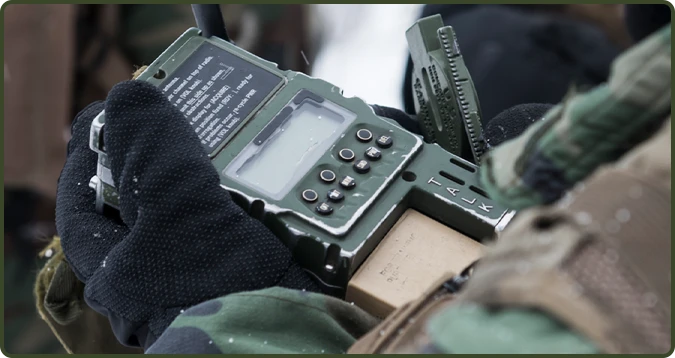
- Defense & Aerospace: Essential for UAV communication links, secure military radios, satellite communications, radar systems, and electronic warfare applications.
- Telecommunications: Critical for 5G base stations, microwave backhaul links, and point-to-point wireless communication systems demanding high spectral efficiency.
- Industrial Automation (IIoT): Enables robust wireless sensor networks, remote control of machinery in harsh environments, and real-time data acquisition for predictive maintenance.
- Petrochemical & Energy: Used in pipeline monitoring, offshore platform communications, and remote asset management where reliability and corrosion resistance are paramount.
- Metallurgy: Facilitates communication in high-temperature environments, critical for monitoring furnace operations and material handling systems.
- Water Supply & Drainage: Provides reliable data transmission for remote monitoring of water levels, pump stations, and control valves, ensuring efficient resource management and preventing wastage.
Typical Application Advantages:
- Energy Saving: In remote monitoring units for water supply systems, low-power Tx/Rx Module designs extend battery life, reducing maintenance frequency and operational costs for difficult-to-access sites.
- Corrosion Resistance: For petrochemical or offshore applications, modules encased in specialized, corrosion-resistant housings (e.g., stainless steel, marine-grade aluminum) ensure long-term operational integrity despite exposure to harsh chemicals and saltwater.
- High Data Throughput: In defense, high-bandwidth modules allow for real-time streaming of high-definition video from surveillance drones, providing critical situational awareness.
- Reliable Connectivity: In industrial settings, robust modules ensure uninterrupted communication for critical control systems, preventing costly downtime and ensuring safety.
Technical Advantages and Innovation
Our Tx/Rx Module distinguishes itself through a suite of technical advantages rooted in cutting-edge RF engineering and material science. These innovations are critical for meeting the escalating demands of modern B2B applications.
- Wideband Operation with Agile Frequency Switching: Our modules offer exceptional spectral agility, capable of rapid frequency hopping across broad bandwidths. This not only enhances resistance to jamming and interference but also supports multiple communication standards within a single hardware platform, providing unparalleled flexibility for dynamic operational environments.
- Advanced Error Correction and Robust Modulation: Incorporating sophisticated Forward Error Correction (FEC) algorithms and adaptive modulation schemes (e.g., LDPC coding, dynamic QAM selection), our modules ensure high data integrity and reliability even in severely degraded signal conditions, characteristic of long-range or obstructed communication paths.
- Integrated Power Management and Thermal Dissipation: Designed with efficiency in mind, our modules feature intelligent power management units that optimize energy consumption. Coupled with advanced thermal dissipation techniques (e.g., specialized heatsinks, thermal vias, low-thermal-resistance packaging), this ensures stable performance and extended operational lifespan even at high power levels and elevated ambient temperatures.
- Miniaturized Footprint with High Integration: Leveraging SiP and advanced PCB manufacturing techniques, our modules achieve a remarkably compact size while integrating multiple RF front-end components. This miniaturization is crucial for space-constrained applications like compact drones, man-portable devices, and embedded systems, without compromising performance.
- Enhanced Security Features: For sensitive applications, our modules incorporate hardware-level encryption acceleration and secure boot mechanisms. These features provide a robust foundation for secure communications, protecting against eavesdropping and unauthorized data access, vital for defense and critical infrastructure.
Vendor Comparison and Competitive Analysis
Selecting the right Tx/Rx Module vendor is a critical decision for B2B enterprises, impacting system performance, cost-efficiency, and long-term reliability. A comparative analysis highlights the unique strengths of various offerings in the market.
Comparative Overview of Leading Tx/Rx Module Providers:
Our modules excel in offering broader frequency coverage, superior power efficiency, and significantly higher customization capabilities, making them ideal for specialized and demanding B2B applications where performance and adaptability are non-negotiable.
Customized Solutions
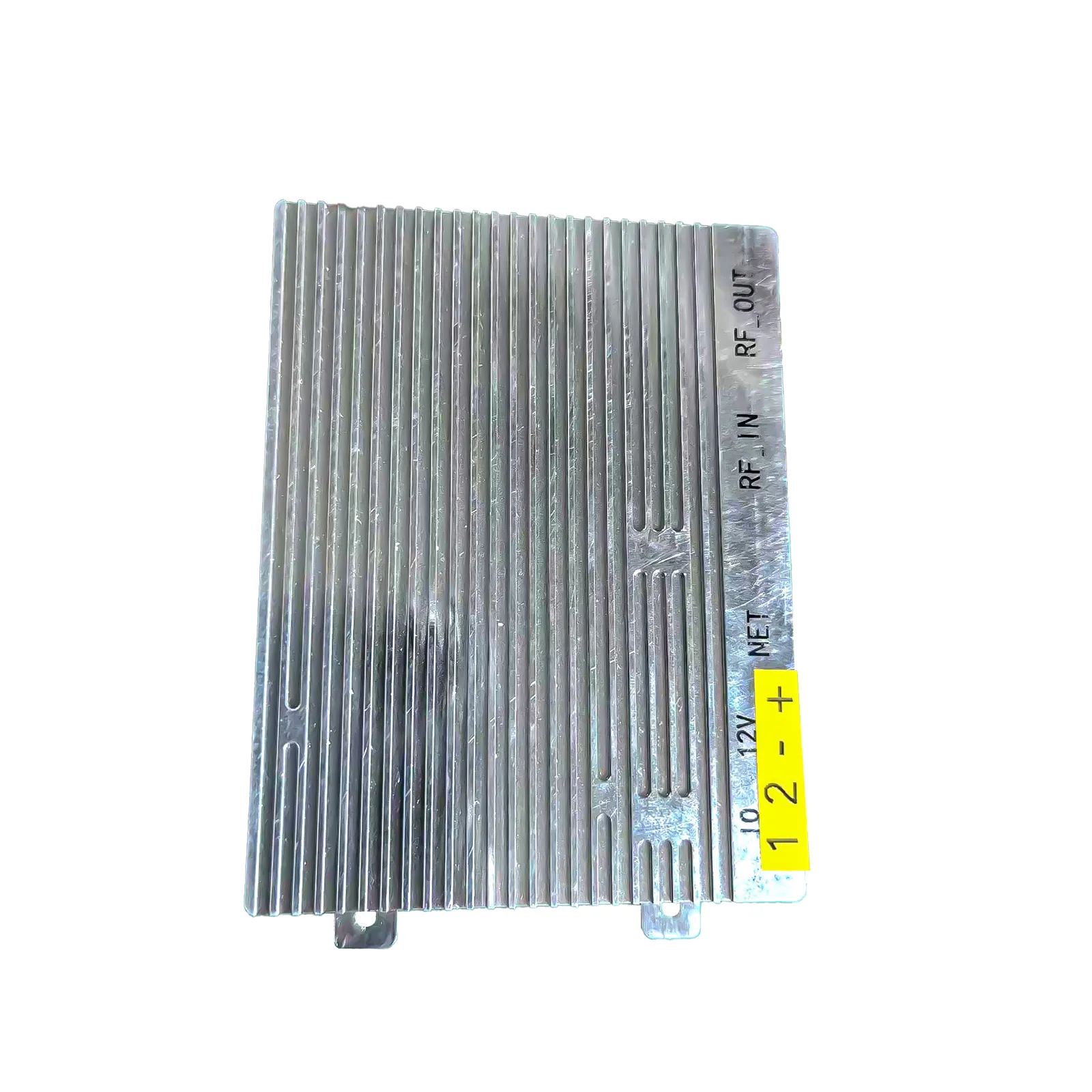
Recognizing that off-the-shelf solutions may not always perfectly align with unique operational requirements, we specialize in providing highly customized Tx/Rx Module solutions. Our engineering team collaborates closely with clients to tailor every aspect of the module, ensuring seamless integration and optimal performance within their specific systems.
Customization Capabilities:
- Frequency Band Adaptation: Modification of operating frequency ranges to match specific spectral allocations or proprietary communication links, including licensed and unlicensed bands, from L-band to Ka-band.
- Power Output and Sensitivity Tuning: Adjustment of transmit power amplifiers (PAs) and low-noise amplifiers (LNAs) to meet precise link budget requirements, optimizing for range, power consumption, or specific interference scenarios.
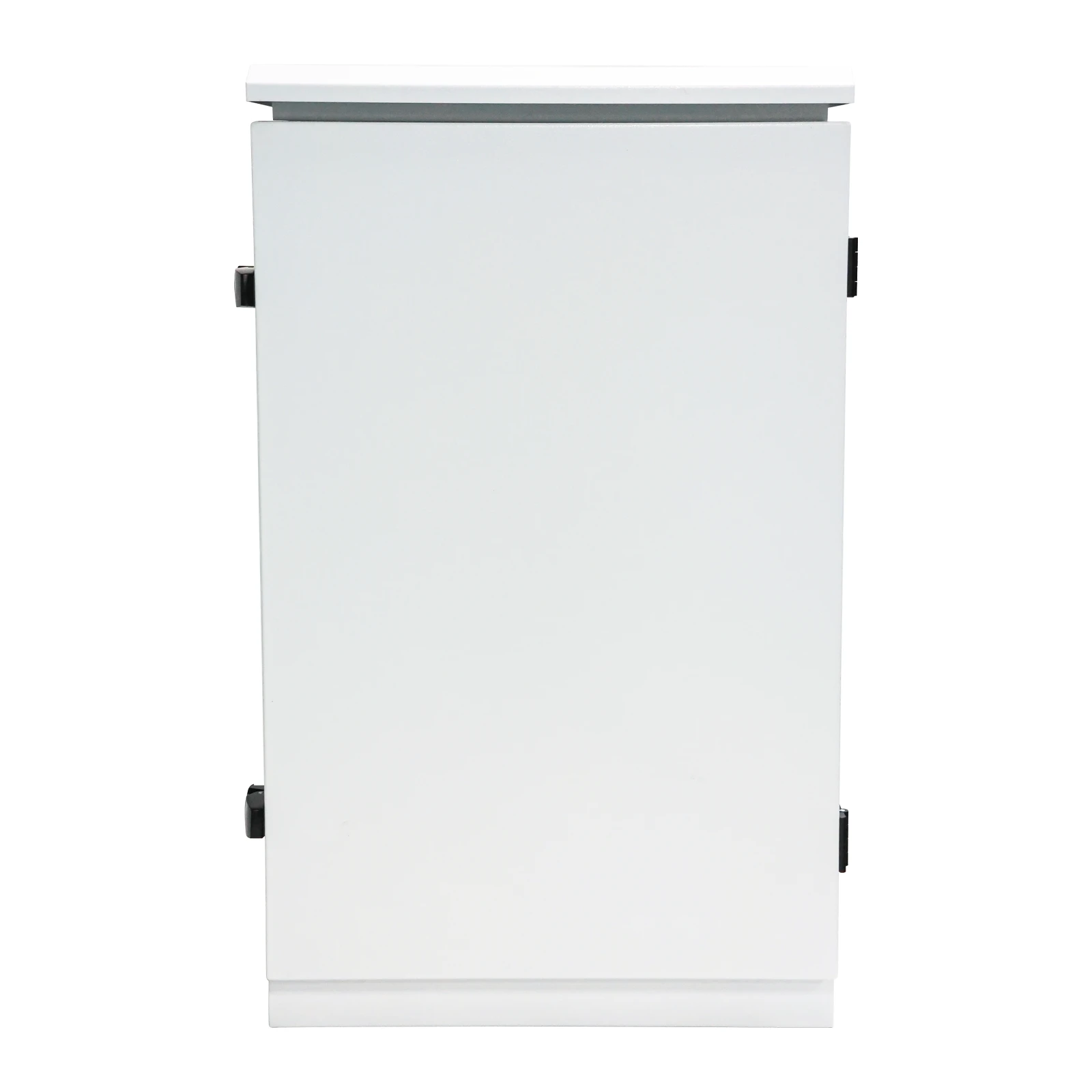
- Form Factor and Packaging Design: Custom mechanical designs to fit unusual spaces or integrate with existing enclosures, including ruggedized options for extreme vibration, shock, or chemical exposure. This can involve specialized CNC machined aluminum or titanium housings.
- Interface and Protocol Customization: Development of specific digital interfaces (e.g., PCIe, Ethernet, custom serial protocols) and implementation of client-specific communication protocols or waveform modifications.
- Embedded Software and Firmware Development: Tailoring of embedded operating systems, drivers, and application-layer firmware to facilitate unique control functionalities, data processing, or security protocols.
- Integrated Functionality: Integration of additional capabilities such as GPS synchronization, advanced signal processing, or multi-channel capabilities within a single module.
Our agile design and manufacturing processes enable rapid prototyping and validation of customized solutions, ensuring that project timelines and performance expectations are met with precision. This bespoke approach minimizes integration risks and maximizes system efficiency.
Application Case Studies & Customer Feedback
Real-world deployment demonstrates the superior performance and reliability of our Tx/Rx Modules. These case studies highlight practical applications and underscore the tangible benefits our clients experience.
Case Study 1: High-Throughput Drone Data Link for Precision Agriculture
Client: AgriTech Solutions Inc., a leading provider of autonomous agricultural drone systems.
Challenge: AgriTech required a robust, high-bandwidth communication link for their fleet of autonomous crop-monitoring drones. Existing modules struggled with interference in agricultural areas and couldn't provide the necessary throughput for real-time multispectral imaging and AI-driven plant analysis.
Solution: We provided a customized Tx/Rx Module optimized for the 5.8 GHz ISM band with enhanced interference rejection capabilities and a proprietary adaptive modulation scheme. The module achieved a stable 800 Mbps data link over distances up to 10 km.
Outcome & Feedback: "The Drone-System Tx/Rx Module revolutionized our drone's data capabilities. We now process imagery on-board and transmit actionable insights in real-time, reducing our field-to-analysis time by 40%. The reliability is unmatched." - Dr. Elena Rodriguez, CTO, AgriTech Solutions Inc.
Case Study 2: Remote Asset Monitoring in Petrochemical Facilities
Client: Global Energy Partners, an operator of vast petrochemical complexes.
Challenge: Monitoring critical sensors across hazardous and expansive areas within a petrochemical plant was hindered by corrosive environments, electromagnetic interference from heavy machinery, and the need for extremely long battery life in inaccessible locations.
Solution: We developed a ruggedized, low-power Tx/Rx Module with an IP68-rated, corrosion-resistant housing (316L stainless steel) and robust LoRa-based communication for long-range, low-data-rate sensor communication. The module included advanced power-saving modes to achieve 5+ years of battery life.
Outcome & Feedback: "Deploying Drone-System's modules allowed us to establish a highly reliable wireless sensor network across our entire facility. The extended battery life and resilience to our harsh environment have drastically reduced manual inspections and improved safety protocols. It's a testament to robust engineering." - Mark Thompson, Head of Operations, Global Energy Partners.
Authoritativeness & Trustworthiness
Our commitment to quality, reliability, and customer satisfaction is underpinned by rigorous adherence to industry standards, transparent processes, and unwavering support.
Certifications & Quality Assurance:
- ISO 9001:2015 Certified: Our manufacturing facilities and quality management systems adhere to international standards for consistent product quality.
- CE & FCC Compliance: All modules meet European CE directives and US Federal Communications Commission regulations, ensuring electromagnetic compatibility and safety.
- MIL-STD-810G Tested: For defense and aerospace applications, modules undergo testing to meet military standards for environmental engineering considerations and laboratory tests.
Partnerships & Experience:
With over 15 years of specialized experience in RF and microwave module design, we have forged strategic partnerships with industry leaders in defense, telecommunications, and industrial automation. Our client roster includes Fortune 500 companies and government agencies globally, a testament to our proven track record.
Frequently Asked Questions (FAQ):
Q: What is the typical lead time for a standard Tx/Rx Module order?
A: For standard modules, lead time is typically 4-6 weeks, subject to current stock levels and order volume. Expedited options are available upon request.
Q: What is the warranty period for your Tx/Rx Modules?
A: We offer a standard 2-year warranty covering manufacturing defects and material failures from the date of purchase. Extended warranty options are available for critical applications.
Q: Do you provide technical support for integration?
A: Absolutely. Our dedicated engineering support team provides comprehensive assistance throughout the integration process, including documentation, application notes, and direct consultation. We also offer on-site support for complex deployments.
Q: Can your modules operate in extreme temperature environments?
A: Yes, our industrial and military-grade modules are designed and tested to operate reliably from -40°C to +85°C. Custom solutions can extend this range further for specialized needs.
Lead Time & Fulfillment:
Our production facilities are equipped to manage both small-batch specialized orders and large-volume industrial demands. Standard fulfillment is typically 4-6 weeks. For custom designs, a development and prototyping phase of 8-12 weeks is common, followed by agreed-upon production lead times. We maintain a robust supply chain to ensure timely delivery and consistent quality.
Warranty & After-Sales Support:
All products are backed by a comprehensive 2-year warranty. Our commitment extends beyond the sale with readily available technical support, troubleshooting, and maintenance services. We offer various service level agreements (SLAs) tailored to client operational needs, including 24/7 critical support and field service options.
References
- IEEE Transactions on Microwave Theory and Techniques. "Advances in Millimeter-Wave Transceiver Architectures for 5G and Beyond."
- Journal of Solid-State Circuits. "Integrated GaN Power Amplifiers for High-Efficiency RF Transmitters."
- International Journal of Distributed Sensor Networks. "Robust Communication Protocols for Industrial IoT Applications in Harsh Environments."

-
 09 March 2021 16 Apr 2026
 -
 09 March 2021 09 Apr 2026
 -
 09 March 2021 07 Apr 2026
 -
 09 March 2021 04 Apr 2026
 -
 09 March 2021 31 Mar 2026
-
 09 March 2021 21 May 2025
 -
 09 March 2021 25 Dec 2024
 -
 09 March 2021 14 Oct 2022
-
 09 March 2021 25 Dec 2024
 English
  Arabic
  Belarusian
  Danish
  Dutch
Dutch  French
  German
  Greek
Greek  Japanese
  Korean
  Myanmar
  Polish
  Portuguese
  Russian
  Spanish
  Swedish
  Thai
Thai  Ukrainian
  Vietnamese