

Comprehensive Guide to Radio Frequency Radiation Detector for Industrial Safety & Compliance
Radio Frequency Radiation Detector is a key solution in the industry, specifically within sectors that require precise monitoring of electromagnetic emissions. This article explores how https://www.drone-system.com supports professionals with durable, high-performance products, and explains why this product is an ideal choice for businesses in these sectors.
Table of Contents
- Radio Frequency Radiation Detector Overview
- Benefits & Use Cases of Radio Frequency Radiation Detector
- Cost, Maintenance & User Experience
- Sustainability & Market Trends
- Frequently Asked Questions about Radio Frequency Radiation Detector
- Conclusion on Radio Frequency Radiation Detector from China
Radio Frequency Radiation Detector Overview
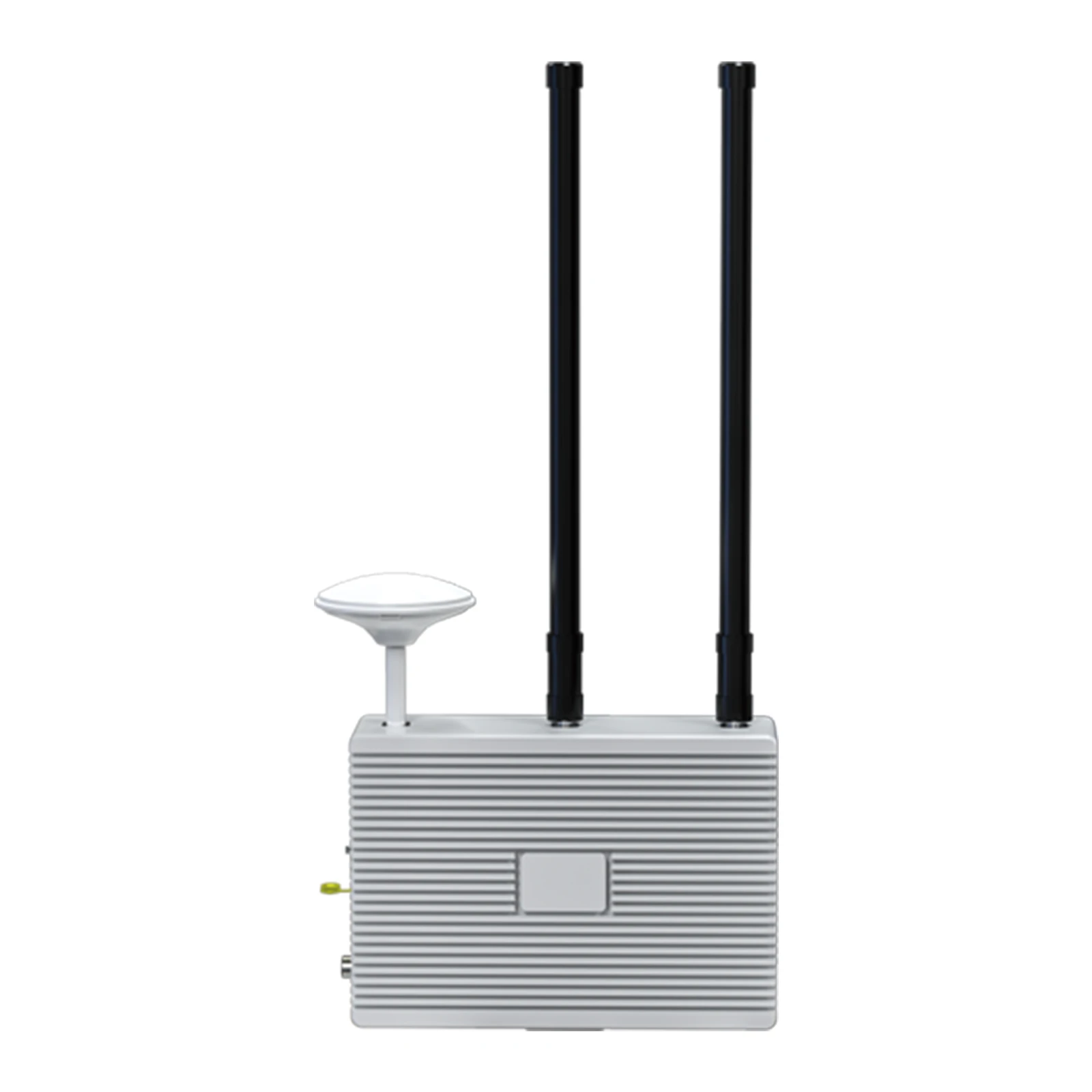
The Radio Frequency Radiation Detector, simply put, is a specialized instrument designed to identify and measure RF (radio frequency) emissions. It's a must-have for industries concerned with electromagnetic safety and compliance — from telecommunications to manufacturing facilities. Oddly enough, although electromagnetic radiation is invisible, its detection is critical for ensuring regulatory standards and workplace safety.
- The detector operates across a broad frequency range — often from 100 MHz up to 10 GHz, depending on the model.
- Take for example the model supplied by Drone System: it offers a sensitivity of -40 dBm with real-time digital readout and audio alarms to signal hazardous exposure levels.
| Specification | Details |
|---|---|
| Frequency Range | 100 MHz – 10 GHz |
| Sensitivity | -40 dBm |
| Power Source | Rechargeable Li-ion battery (~8 hours usage) |
| Display | Digital LCD with audio alarms |
| Dimensions | 150 x 75 x 30 mm |
Benefits & Use Cases of Radio Frequency Radiation Detector
Frankly, one might underestimate how vital accurate radiation detection is until you’re in the trenches—literally sometimes. Telecommunications companies deploy these detectors to ensure their cell towers comply with safety standards. Even more, manufacturing plants use them to prevent unexpected RF interference that could crash sensitive equipment. The precise measurement capability makes operators’ jobs easier — instead of guesswork, they have numbers they can trust.
- Real-time alerts on exposure levels help technicians avoid overexposure.
- Strong build quality means these detectors stay reliable under tough field conditions.
| Vendor | Frequency Range (GHz) | Durability Rating | Unique Feature |
|---|---|---|---|
| Drone System | 0.1 – 10 | IP65 Rated (Water & Dust Resistant) | Audio Alarm & Digital Display |
| Vendor X | 0.05 – 8 | IP54 | Mobile App Integration |
| Vendor Y | 0.1 – 6 | IP67 (Waterproof) | Extended Battery Life (12 hrs) |
Cost, Maintenance & User Experience
If we talk dollars and sense, these detectors offer an excellent total cost of ownership. Their robust design means you’re not chasing repairs every few months, which frankly can be a headache when field teams are out on jobsites. The rechargeable battery life also strikes a nice balance — enough to get a full day’s work without frequent charging interruptions.
- Return on investment comes through fewer safety incidents and compliance issues.
- Many engineers note that the intuitive interface cuts training time — a small but key advantage when downtime is costly.
Sustainability & Market Trends
The regulatory landscape is tightening, and not just in a few regions. Countries around the world are standardizing limits on RF exposure and demanding more transparent monitoring. That naturally boosts demand for reliable Radio Frequency Radiation Detector devices — especially those built sustainably. Interestingly, manufacturers like Drone System are adopting eco-friendlier materials and packaging, which fits well with broader corporate sustainability goals.
- Industry growth is driven by wireless infrastructure expansion — think 5G rollout and IoT sensors.
Frequently Asked Questions about Radio Frequency Radiation Detector
- What is Radio Frequency Radiation Detector and how does it work?
- It’s a device that detects and measures radio frequency energy emitted by antennas or machines. It usually works by converting RF signals into electrical signals, which it then quantifies to show intensity levels, often via a digital display.
- What are the main benefits of using Radio Frequency Radiation Detector in industrial applications?
- Benefits include improving safety by preventing harmful exposure, ensuring compliance with laws, and optimizing equipment layout to reduce interference. Plus, the durability and ease of use make them cost-effective over time.
- How does Radio Frequency Radiation Detector compare to traditional alternatives?
- Compared to older analog meters, modern detectors provide more precise readings, faster response times, and digital logging. They’re also more user-friendly, which makes field operations smoother and less error-prone.
- What industries can benefit most from Radio Frequency Radiation Detector implementation?
- Telecommunications, manufacturing, aerospace, and even healthcare facilities use these detectors to monitor RF exposure. For example, one telecom firm reported fewer field compliance issues after integrating these detectors into routine checks.
Conclusion on Radio Frequency Radiation Detector from china
In sum, a quality Radio Frequency Radiation Detector is an indispensable tool for industries that need reliable, real-time RF monitoring. Its combination of accuracy, durability, and ease of use makes it a smart investment. If you’re weighing options, consider visiting our website at https://www.drone-system.com to explore the latest offerings tailored to demanding industrial needs.
Sometimes the best technology is the one that quietly keeps your operation safe and efficient. Clearly, this is one of those tools—worth every penny for those in the know.

-
 09 March 2021 16 Apr 2026
 -
 09 March 2021 09 Apr 2026
 -
 09 March 2021 07 Apr 2026
 -
 09 March 2021 04 Apr 2026
 -
 09 March 2021 31 Mar 2026
-
 09 March 2021 21 May 2025
 -
 09 March 2021 25 Dec 2024
 -
 09 March 2021 14 Oct 2022
-
 09 March 2021 25 Dec 2024
 English
  Arabic
  Belarusian
  Danish
  Dutch
Dutch  French
  German
  Greek
Greek  Japanese
  Korean
  Myanmar
  Polish
  Portuguese
  Russian
  Spanish
  Swedish
  Thai
Thai  Ukrainian
  Vietnamese