

Comprehensive Guide to RF Power Amplifiers for Mobile Communications Technology
RF Power Amplifiers for Mobile Communications: A Comprehensive Guide
The demand for robust and efficient mobile communication networks continues to surge, driving innovation in key components like RF power amplifiers. These amplifiers are essential for boosting signal strength, extending coverage, and ensuring reliable connectivity. This article delves into the world of RF power amplifiers for mobile communications, exploring their types, applications, key specifications, and the latest advancements. Understanding these crucial components is vital for anyone involved in the design, deployment, and maintenance of modern mobile networks.

Understanding the Role of RF Power Amplifiers
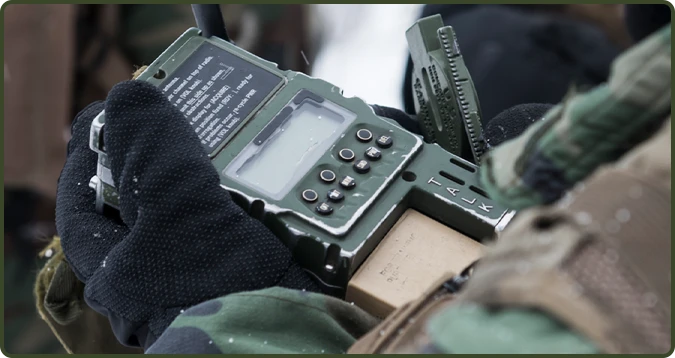
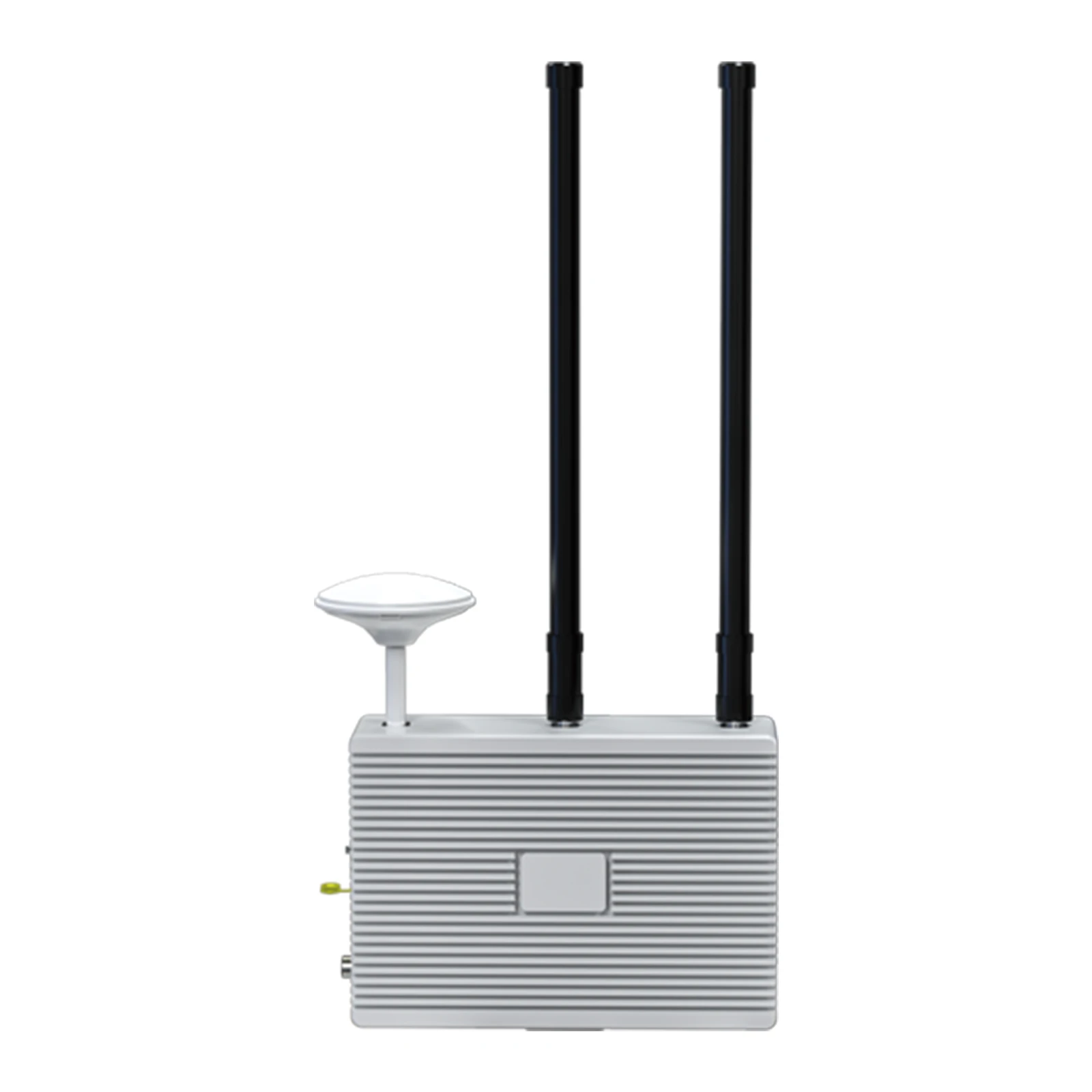
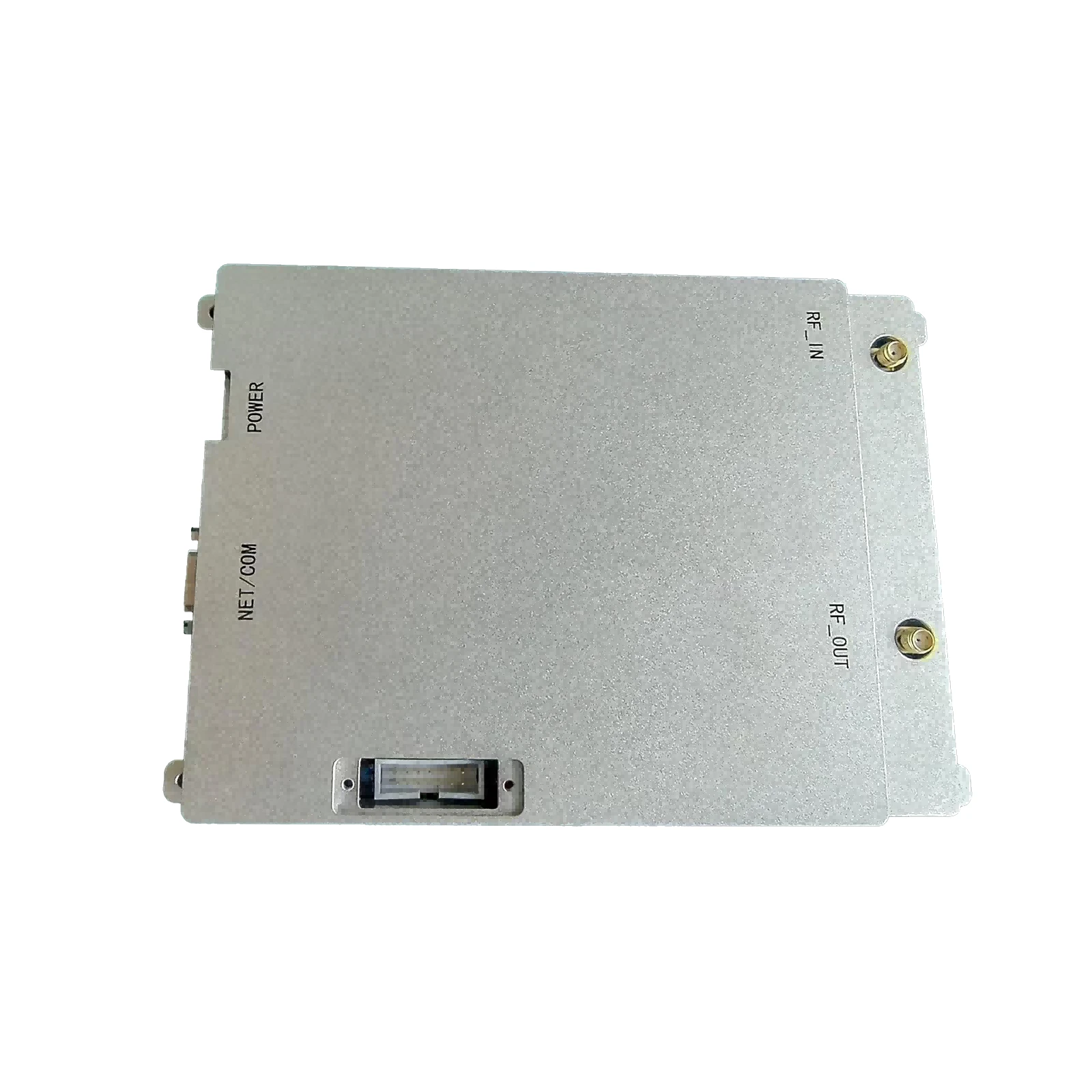
RF power amplifiers (RFPAs) are fundamental building blocks in mobile communication systems. They take a low-power RF signal and increase its amplitude, allowing it to travel longer distances and overcome signal attenuation. These amplifiers are used in both base stations (cell towers) and mobile devices (smartphones, tablets). The efficiency, linearity, and power output of an RFPA directly impact the performance of the entire communication system. Choosing the right RFPA is crucial for optimizing network capacity, reducing interference, and ensuring a high quality of service for end-users. Drone-System offers a range of RF power amplifiers designed to meet the evolving needs of the mobile communications industry.
Key Function: RF power amplifiers boost the signal strength of radio frequency (RF) signals, enabling longer transmission distances and reliable communication. They are critical components in both base stations and mobile devices.
Types of RF Power Amplifiers for Mobile Communications
Several types of RF power amplifiers are used in mobile communications, each with its own advantages and disadvantages. Common types include:
- Class A Amplifiers: Known for their high linearity but low efficiency.
- Class B Amplifiers: Offer higher efficiency than Class A, but with increased distortion.
- Class AB Amplifiers: A compromise between Class A and Class B, offering a balance of linearity and efficiency.
- Class C Amplifiers: Provide the highest efficiency but suffer from significant distortion, making them suitable for applications where linearity is not critical.
- Class F & Class G Amplifiers: Advanced designs offering high efficiency and improved linearity for specific applications.
The selection of the appropriate amplifier class depends on the specific requirements of the mobile communication system, considering factors like signal bandwidth, power output, and desired level of distortion. Explore our RF amplifier solutions for various mobile applications.
Key Specifications of RF Power Amplifiers
When choosing an RF power amplifier, several key specifications should be considered:
RF Power Amplifier Technology Trends
The field of RF power amplifiers is constantly evolving. Key trends include:
- GaN Technology: Gallium Nitride (GaN) amplifiers offer higher power density and efficiency compared to traditional silicon-based amplifiers.
- Envelope Tracking: This technique dynamically adjusts the supply voltage to the amplifier, maximizing efficiency.
- Digital Predistortion (DPD): DPD minimizes distortion and improves linearity, enabling higher data rates.
- Integration and Miniaturization: Increasing demand for smaller, more integrated amplifiers to fit into compact mobile devices and base stations.
These advancements are driving improved performance and enabling the development of more sophisticated mobile communication systems.

Applications in 5G and Beyond
RF power amplifiers play a critical role in the deployment of 5G and future mobile communication technologies. 5G requires higher frequencies, wider bandwidths, and increased data rates, demanding amplifiers with superior performance characteristics. GaN-based amplifiers are particularly well-suited for 5G applications due to their ability to deliver high power and efficiency at millimeter-wave frequencies. As mobile networks continue to evolve, RF power amplifier technology will remain at the forefront of innovation. Explore our 5G RF amplifier solutions to learn more.
Conclusion: The Future of Mobile Communication Relies on Advanced RF Amplifiers
The RF power amplifier is a cornerstone of modern mobile communication. Continuous innovation in amplifier technology, such as the adoption of GaN and advanced modulation techniques, is essential for meeting the ever-increasing demands of wireless networks. Choosing the right amplifier solution from a trusted provider like Drone-System ensures optimal network performance and a reliable user experience.
Frequently Asked Questions (FAQs)
What is the difference between a Doherty and a traditional Class AB amplifier?
A Doherty amplifier is a specific type of power amplifier architecture designed to improve efficiency, particularly at higher power levels. Unlike a traditional Class AB amplifier that operates in a single saturation region, a Doherty amplifier utilizes two amplifiers working in phase quadrature. One amplifier operates in Class A for lower power levels, providing high linearity, while the other operates in Class C for higher power levels, maximizing efficiency. This allows the Doherty amplifier to maintain efficiency over a wider power range. This makes them particularly valuable for mobile base stations where power demand varies greatly.
How does GaN technology improve RF amplifier performance?
Gallium Nitride (GaN) offers significant advantages over traditional silicon (Si) in RF amplifier design. GaN materials have higher electron mobility and higher breakdown voltage, allowing for higher power density and improved efficiency. This results in amplifiers that can operate at higher frequencies and deliver more power without overheating. GaN amplifiers also exhibit better linearity, reducing distortion and improving signal quality. This makes them ideal for demanding applications like 5G and millimeter-wave communications.
What is Digital Predistortion (DPD) and why is it important?
Digital Predistortion (DPD) is a technique used to compensate for the nonlinearities inherent in RF power amplifiers. Amplifiers introduce distortion, especially at higher power levels, which degrades signal quality. DPD algorithms analyze the amplifier's output and create a pre-distortion signal that is applied to the input. This effectively cancels out the distortion, resulting in a cleaner and more accurate amplified signal. DPD is crucial for achieving high data rates and minimizing interference in modern wireless communication systems.
What factors influence the choice of RF power amplifier for a mobile base station?
Several factors dictate the selection of an RF power amplifier for a mobile base station. These include the operating frequency band, required output power, linearity requirements (to minimize interference), efficiency (to reduce energy consumption and cooling costs), and overall system cost. The specific application (e.g., macro cell, small cell) also plays a crucial role, as different applications have varying performance demands. It’s important to choose an amplifier that meets all these criteria to ensure optimal network performance and reliability.

-
 09 March 2021 16 Apr 2026
 -
 09 March 2021 09 Apr 2026
 -
 09 March 2021 07 Apr 2026
 -
 09 March 2021 04 Apr 2026
 -
 09 March 2021 31 Mar 2026
-
 09 March 2021 21 May 2025
 -
 09 March 2021 25 Dec 2024
 -
 09 March 2021 14 Oct 2022
-
 09 March 2021 25 Dec 2024

 English
  Arabic
  Belarusian
  Danish
  Dutch
Dutch  French
  German
  Greek
Greek  Japanese
  Korean
  Myanmar
  Polish
  Portuguese
  Russian
  Spanish
  Swedish
  Thai
Thai  Ukrainian
  Vietnamese