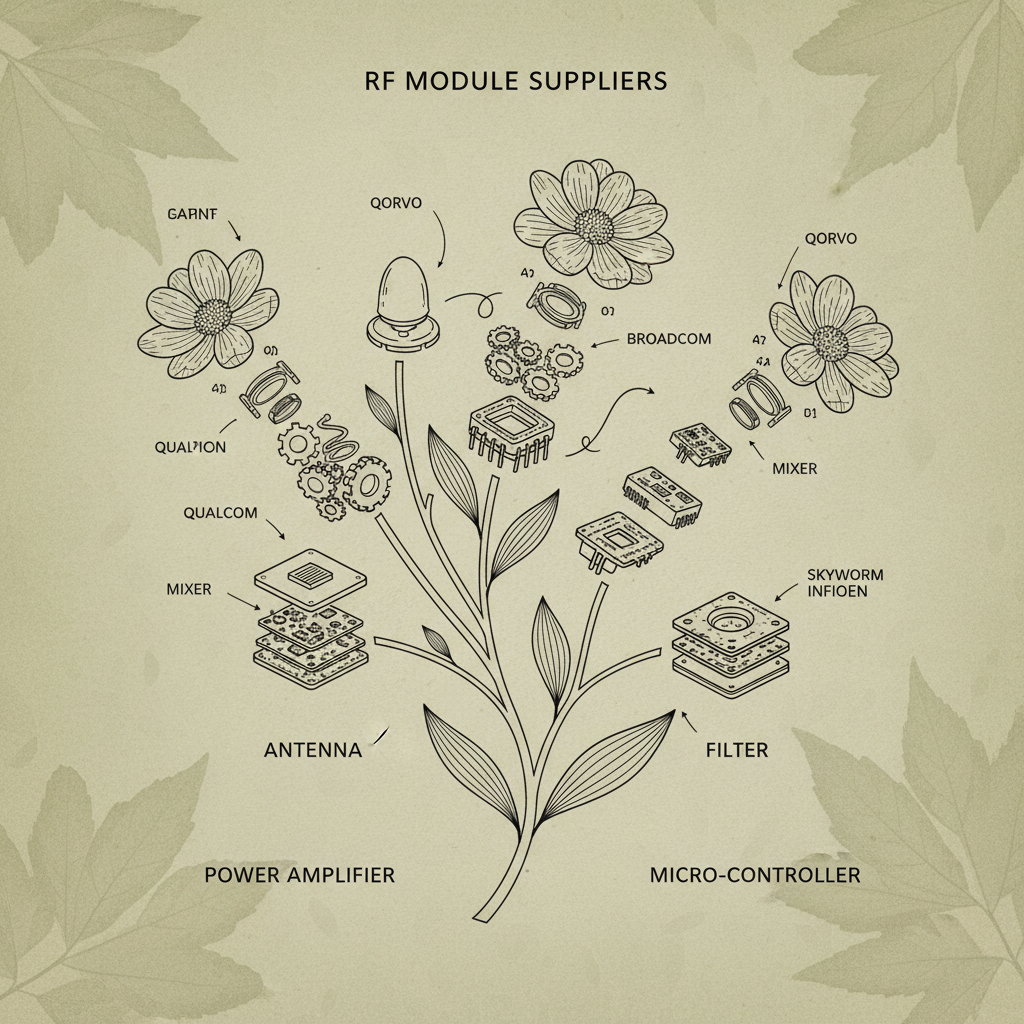
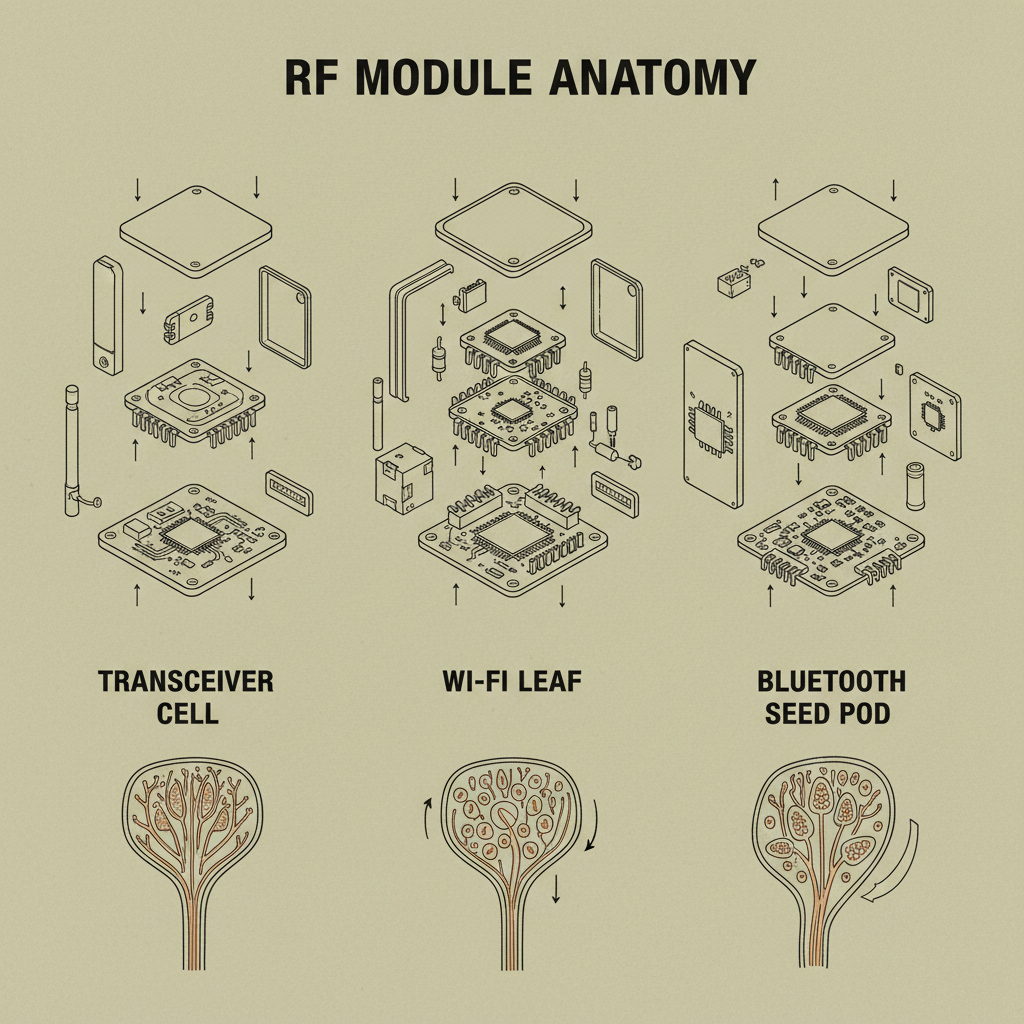
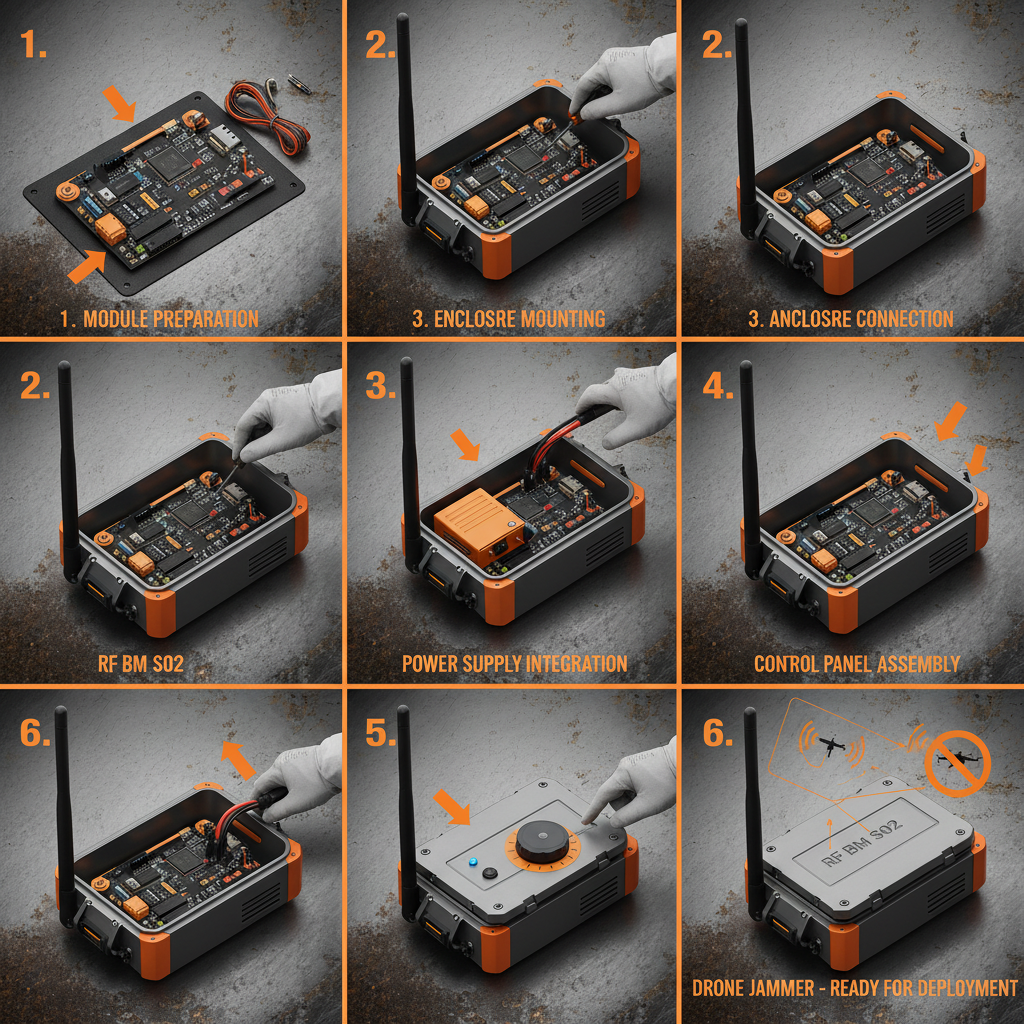
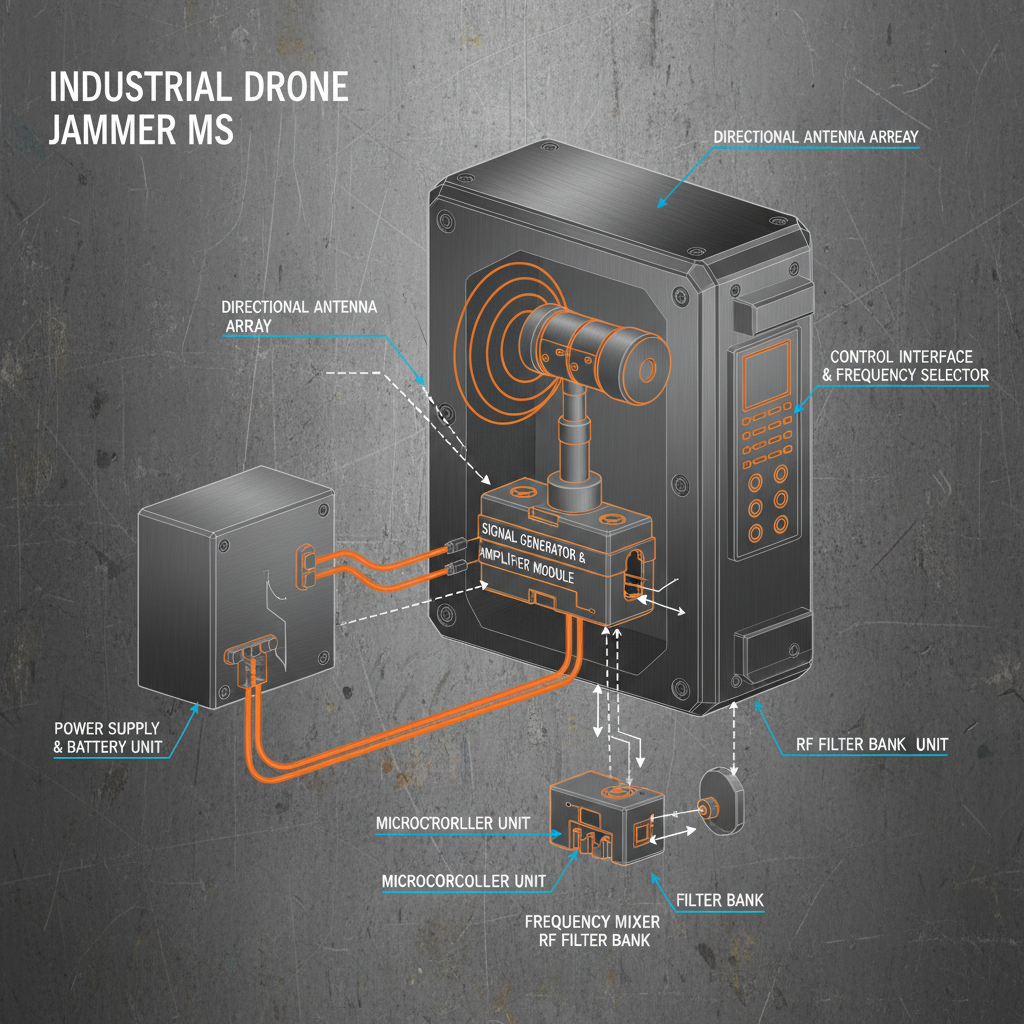
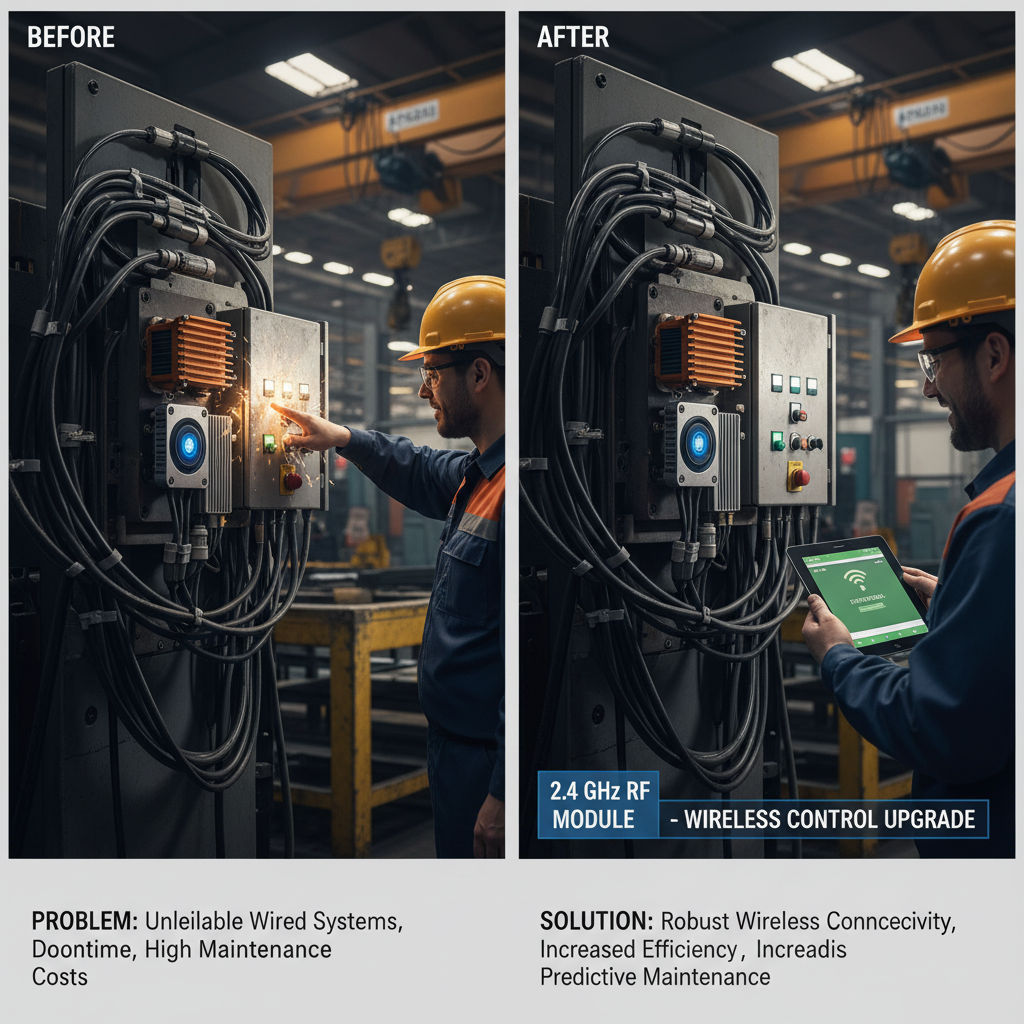
Look, I've been running around construction sites all year, getting my hands dirty with materials, chatting with engineers… honestly, these rf module suppliers, they've been a hot topic lately. Everyone's chasing smaller, faster, more reliable. It’s not just about specs on a datasheet anymore, it’s about will it actually hold up when someone drops a wrench on it?
Have you noticed, everyone's trying to cram more and more functionality into these things? That’s good, in theory. But I've seen it backfire. Over-engineering can lead to more points of failure, and then you're chasing your tail trying to fix it. Simplicity, that’s key. It’s like… you don’t need a Swiss Army knife if all you're doing is cutting bread, right?
And the supply chain stuff… still a mess, if you ask me. Covid really threw a wrench in everything. It's not just the chips themselves, it's the connectors, the antennas, even the packaging. Getting everything to line up on time? Forget about it.
Current Industry Trends in rf module suppliers
Honestly, low-power Wide Area Networks (LPWAN) are huge right now. Think LoRaWAN, NB-IoT… everyone wants to connect everything without draining the battery. It’s a good idea, makes sense. But getting the range and reliability right? That's the hard part. And then there’s the move towards more integrated modules – fewer components to solder, less chance for errors. Which, from a field guy's perspective, is fantastic. Less to carry, less to screw up.
Another thing is the demand for multi-protocol modules. You want Bluetooth, Wi-Fi, and Zigbee all in one little package? Sure, why not. It's convenient, but it also adds complexity. More protocols mean more potential interference, more debugging. Strangely enough, sometimes simpler is better.
Common Design Pitfalls with rf module suppliers
I encountered this at a factory in Dongguan last time. This guy was so proud of his "high-performance" antenna design. Looked great in simulations, but when you actually put it inside an enclosure… signal dropped like a stone. It’s a classic. You’ve got to account for the real-world environment, the metal, the plastic, the other components. Simulations are helpful, but they’re not reality.
Another one is impedance matching. Get that wrong, and you're losing power, reducing range. It seems basic, but it’s surprisingly easy to mess up. And then there’s grounding. Proper grounding is crucial for reducing noise and interference. I’ve seen boards where the grounding is just… a mess. Spaghetti junction of wires. Doesn’t work, trust me.
And don’t even get me started on power supply filtering. rf module suppliers are sensitive creatures. They need clean power. Any noise on the line, and they’ll glitch out.
Materials Used in rf module suppliers
Okay, so the PCB material itself is important. FR4 is standard, but for high-frequency applications, you need something better. Rogers, Taconic… those are the names to know. They’re more expensive, yeah, but they have lower loss tangents, which means less signal attenuation. You can feel the difference, honestly. They feel… stiffer, more solid. The smell is different too, a little more chemical-y.
The components themselves… those tiny capacitors and inductors. They're often ceramic, but the quality varies wildly. Cheap ones can have high ESR and ESL, which degrades performance. And the soldering paste... you need a good quality paste, one that doesn't leave a lot of residue. I’ve spent hours cleaning up messy solder joints. It’s not fun, let me tell you. It's also about the shielding. Copper tape, aluminum cans… anything to block out unwanted signals.
The connectors? That's a whole other story. SMA, U.FL, IPEX… each has its pros and cons. U.FL are tiny, convenient, but they’re also fragile. SMA are robust, but bulky. Anyway, I think choosing the right connector is a balancing act.
Real-World Testing of rf module suppliers
Forget the lab, seriously. Those anechoic chambers are good for getting baseline measurements, but they don’t tell you how the module will perform in the real world. I like to take them out to the actual deployment site. Stick them on a metal pole, bury them in a box, see how they perform with interference from nearby equipment.
We had a project last year, smart agriculture sensors. They worked perfectly in the lab, but when we installed them in the fields, the signal kept dropping. Turns out, the trees were blocking the signal. Simple fix – move the antennas higher up. But you wouldn’t have found that out in a lab, would you?
rf module suppliers Performance Under Different Conditions
User Applications of rf module suppliers
You wouldn't believe the stuff people are using these things for. Smart thermostats, industrial sensors, drone control... the list goes on. But sometimes, they use them for things I never would have imagined. I was talking to a guy who was using them to track the location of beehives! Apparently, it helps prevent theft. Who knew?
The biggest demand I’m seeing is in asset tracking. Companies want to know where their stuff is. Forklifts, pallets, valuable equipment. It saves them money, reduces loss.
Advantages and Disadvantages of rf module suppliers
Okay, the advantages are obvious. Small size, low power consumption, relatively low cost. They make it easy to add wireless connectivity to almost anything. But they’re not perfect, not by a long shot. The range can be limited, especially in urban environments. Interference is a constant problem. And the security… well, let's just say you need to be careful about protecting your data.
And the documentation? Often terrible. Written by engineers for engineers, with no thought given to usability. I’ve spent days trying to decipher datasheets that are just… incomprehensible.
Customization Options for rf module suppliers
Most suppliers will offer some level of customization. Antenna tuning, firmware modifications, even custom enclosures. Last month, that small boss in Shenzhen who makes smart home devices insisted on changing the interface to , and the result was… a complete disaster. It added cost, reduced reliability, and didn't even provide any real benefit. Sometimes, you’ve got to tell the customer “no.” It's hard, but it’s the right thing to do.
But seriously, small tweaks can make a big difference. Changing the antenna impedance to match your specific application, optimizing the firmware for power consumption… those are the kinds of things that can really improve performance.
Brief Summary of Key rf module suppliers Customization Aspects
| Customization Aspect |
Complexity |
Cost Impact |
Performance Gain |
| Antenna Tuning |
Medium |
Low |
High |
| Firmware Optimization |
High |
Medium |
Medium |
| Enclosure Modification |
Low |
Medium |
Low |
| Protocol Stack Customization |
Very High |
High |
High |
| Component Selection (Specific Brand) |
Low |
Low-Medium |
Low-Medium |
| RF Shielding Customization |
Medium |
Low |
Medium-High |
FAQS
Honestly, it's not understanding their actual requirements. They look at the specs – range, power consumption, data rate – but they don’t think about the real-world environment. Will it be exposed to harsh temperatures? Will it be subjected to vibration? Will it be near sources of interference? You need to consider all of that. Don't just chase the highest number on a datasheet.
Massively important. A poorly designed antenna can kill your signal. It’s not just about the antenna itself, it’s about the placement, the orientation, the surrounding environment. You need to test it thoroughly. And don't assume that a bigger antenna is always better. Sometimes, a smaller, more optimized antenna is the way to go.
Reliability, quality control, and good support. You want a supplier who stands behind their products. And you want someone who can help you troubleshoot problems when they arise. Don’t just go for the cheapest option. You’ll end up paying more in the long run, trust me.
Yeah, definitely. Ultra-Wideband (UWB) is gaining traction, especially for indoor positioning. It’s more accurate than Bluetooth, but also more complex. And then there’s the evolution of LPWAN technologies, like NB-IoT and LTE-M. They’re getting more mature and reliable.
Huge issue. Don’t underestimate it. Make sure your rf module suppliers supports encryption and authentication. And be careful about transmitting sensitive data over the air. You don’t want someone sniffing your traffic.
It depends, of course, on the environment and the application. But a good quality module, properly protected, should last at least 5-10 years. But remember, batteries are usually the limiting factor. If you’re using a battery-powered device, you need to optimize the power consumption to maximize battery life.
Conclusion
So, yeah, rf module suppliers. They’re small, but they’re powerful. They’re getting more complex, more sophisticated, and more important. Choosing the right module, designing it properly, and testing it thoroughly… it all matters. It's not just about the technology; it’s about understanding the application and the environment.
Ultimately, whether this thing works or not, the worker will know the moment he tightens the screw. If it’s a smooth operation, everything fits, and the signal is strong… then you’ve done your job right. If it’s a struggle, if things don’t line up, if the signal is weak… then you need to go back to the drawing board. And don't be afraid to get your hands dirty. That's where the real learning happens.