

Comprehensive Guide to VHF Power Amplifier Modules: Key Benefits and Global Applications
Understanding the VHF Power Amplifier Module: A Vital Component in Modern Communications
In today's fast-paced world, communication technologies form the backbone of countless industries and humanitarian efforts alike. Among these, the vhf power amplifier module stands out as a small but mighty piece of hardware that supports radio frequency transmission in various global contexts. Frankly, without efficient amplification of VHF signals, many communication infrastructures would falter—impacting everything from emergency response to remote industrial operations.
Introduction: The Global Relevance of VHF Power Amplifier Modules
The Very High Frequency (VHF) spectrum, ranging from 30 MHz to 300 MHz, is critical for diverse applications worldwide. According to the International Telecommunication Union (ITU), VHF bands are heavily utilized for public safety communications, maritime navigation, and broadcasting services. However, one ongoing challenge is ensuring that VHF signals maintain strength and clarity over long distances and through complex environments.
This is where the vhf power amplifier module comes in, offering the crucial function of boosting these signals reliably. As urbanization and digital transformation accelerate, the demand for robust VHF amplification solutions grows globally.
Mini Takeaway: Amplifying VHF signals ensures reliable communication worldwide, especially where quick and clear info exchange can save lives or boost productivity.
What Is a VHF Power Amplifier Module?
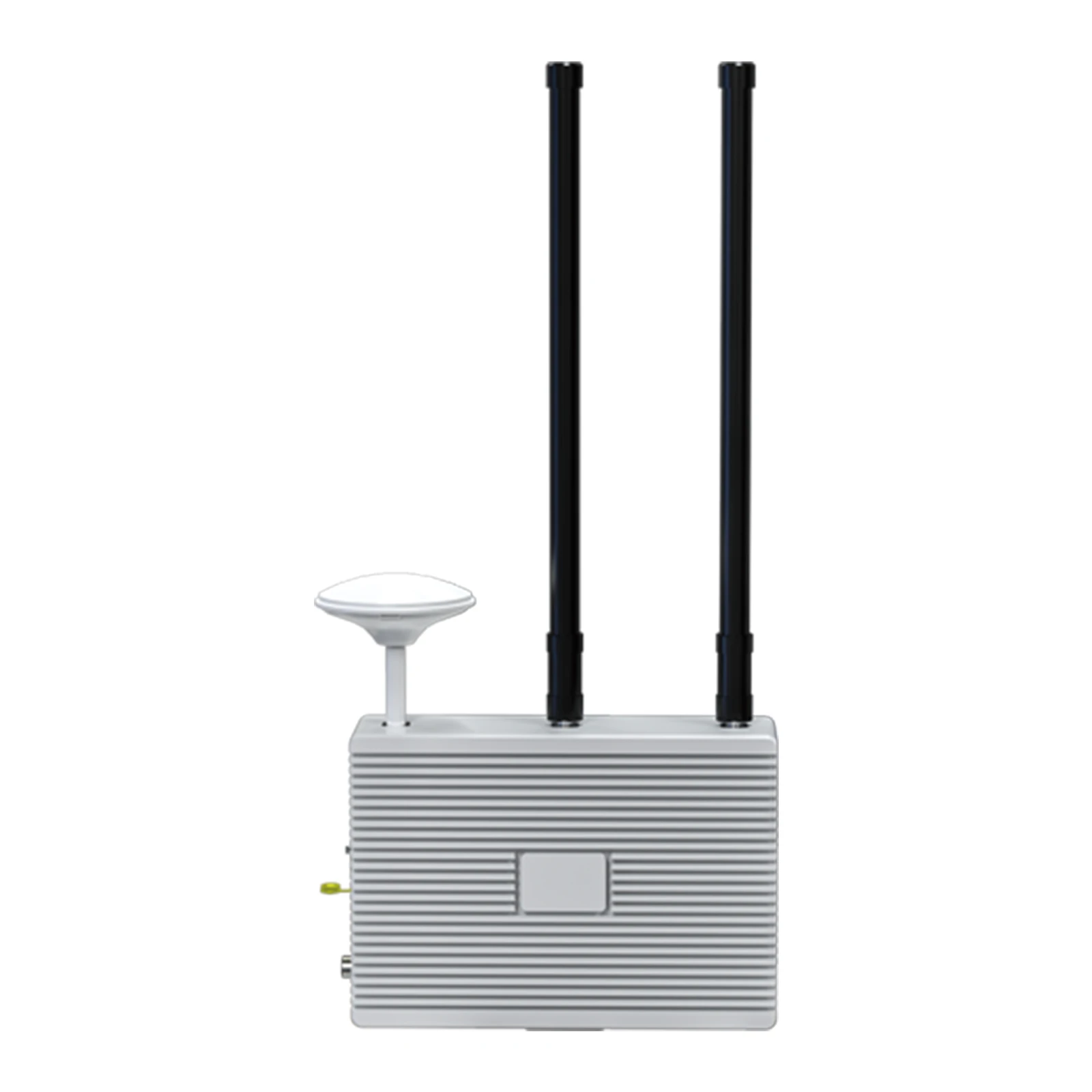
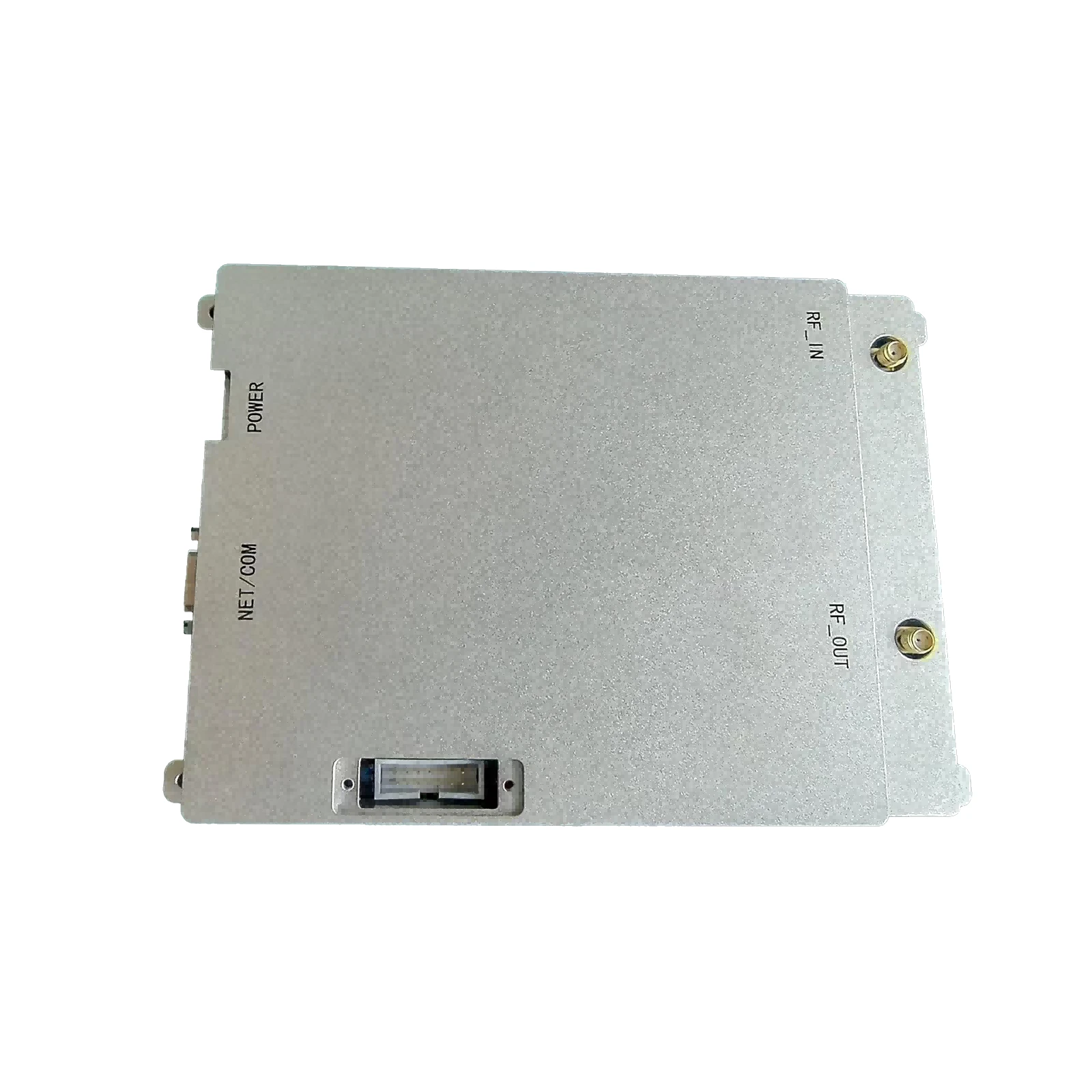
Simply put, a vhf power amplifier module is an electronic component designed to increase the power of VHF radio frequency signals. It takes a relatively weak input signal and boosts its output power, allowing the transmission to cover greater distances or penetrate obstacles more efficiently.
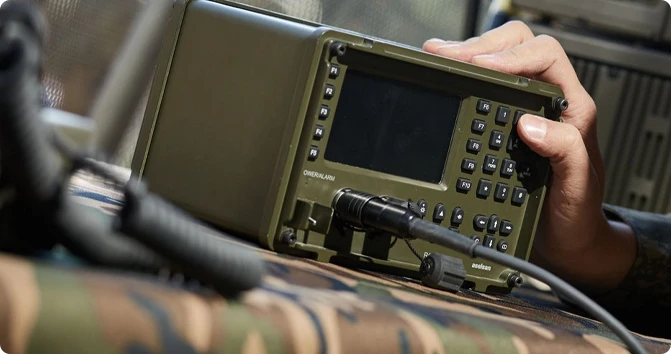
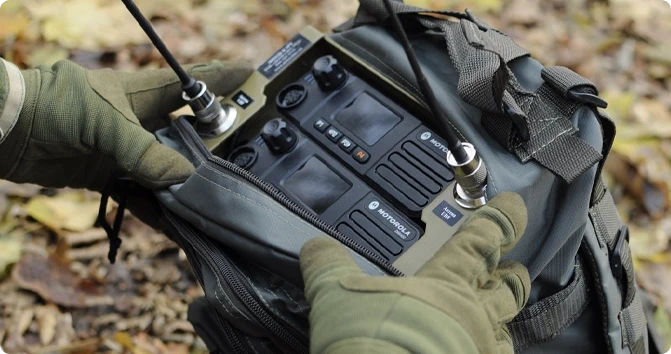
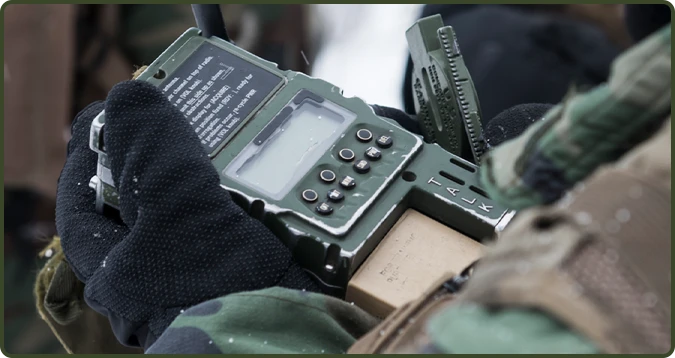
These modules are integral to radios, transceivers, and other communication devices and serve sectors from commercial aviation to disaster relief teams needing stable and clear radio links.
Core Components and Key Factors of VHF Power Amplifier Modules
1. Durability
Given that many VHF applications operate in harsh environments—think remote weather stations or field hospitals—the durability of the amplifier module is paramount. Modules must resist temperature extremes, vibration, and moisture to avoid unexpected failures.
2. Power Efficiency
Amplifying signals can be energy-intensive, so power efficiency is a core engineering consideration. Efficient modules help reduce operating costs and extend battery life in portable units, which is especially critical for remote or off-grid applications.
3. Frequency Stability and Linearity
Maintaining signal integrity means the module must provide stable gain across the designated VHF band without distortion. Engineers emphasize linearity to ensure that amplified signals remain faithful to their original modulation, avoiding interference.
4. Scalability
Depending on network size or application, modules should be scalable—either as standalone units or integrated parts of larger amplifier systems.
5. Cost Efficiency
Although technical specs matter, cost remains a significant factor, especially for organizations deploying vast numbers of units in developing regions or disaster zones.
| Specification | Typical Range |
|---|---|
| Frequency Range | 30 MHz – 300 MHz |
| Output Power | 10 W – 200 W |
| Gain | 20 dB – 40 dB |
| Power Efficiency | 40% – 65% |
| Operating Temperature | -40°C to +85°C |
Global Applications & Use Cases of VHF Power Amplifier Modules
Oddly enough, while it sounds niche, the vhf power amplifier module has penetrated diverse fields:
- Emergency & Disaster Relief: Aid organizations rely on amplified VHF radios to maintain critical contact where cellular or internet networks fail.
- Maritime and Aviation: Ships and aircraft use VHF bands for communication; amplifier modules ensure messages reach far beyond the horizon.
- Industrial Remote Zones: Mining and oil operations employ these modules in rugged environments to keep their teams connected safely.
- Broadcast & Public Safety: Police, fire departments, and media outlets use amplified VHF signals to coordinate effectively.
For example, during flood relief efforts in Southeast Asia, improved VHF radio range — thanks to reliable amplifiers — allowed responders to communicate across previously unreachable areas, speeding rescue operations.
Mini takeaway: The module’s versatility makes it indispensable in life-saving, industrial, and media communications worldwide.
Advantages & Long-Term Value
The benefits of investing in high-quality VHF power amplifier modules are multi-layered:
- Cost Efficiency: Improved signal strength means fewer devices and less power wasted on retransmission.
- Sustainability: Enhanced efficiency aligns with reducing energy consumption and carbon footprints.
- Reliability & Safety: Stable communication links reduce the risk of operational errors in critical situations.
- Social Impact: Enabling connectivity in remote or disadvantaged regions fosters inclusion and trust.
- Innovation Potential: Modules can be integrated with newer digital technologies, future-proofing communication networks.
Looking Ahead: Future Trends & Innovations
The future of vhf power amplifier modules is closely tied to ongoing technological advances. We’re seeing:
- Green Energy Integration: Combining amplifier modules with solar power for off-grid applications.
- Digital Transformation: Moving toward software-defined radio amplifiers offering dynamic frequency tuning and adaptive power control.
- Miniaturization: Lighter, smaller modules without compromising output power.
- Automation & Remote Monitoring: Embedded sensors allowing real-time diagnostics and predictive maintenance.
These trends suggest a future where VHF communication is even more robust and energy-conscious.
Common Challenges & Innovative Solutions
Despite progress, challenges remain, such as interference from crowded frequency bands and thermal management in high-power modules. But engineers are tackling these by:
- Implementing advanced filtering and noise reduction techniques.
- Using novel heat dissipation materials like graphene composites.
- Leveraging AI-based signal optimization to minimize wasted amplification.
You know, it’s a balance of improving component design while adapting to environmental and industrial constraints.
| Vendor | Output Power Range | Efficiency | Price Range | Key Feature |
|---|---|---|---|---|
| Alpha Amplifiers | 10-100 W | 45-55% | $200-$800 | Wide operational temp range |
| Beta RF Solutions | 50-200 W | 60-65% | $500-$1500 | High efficiency, compact footprint |
| Gamma Electronics | 20-150 W | 50-60% | $350-$1200 | Modular design for scalability |
FAQ: Frequently Asked Questions About VHF Power Amplifier Modules
Q1: What determines the ideal power output for a VHF amplifier module?
The required output power depends on the communication range and environmental factors. For urban areas with many obstacles, higher power (closer to 100W or more) helps maintain signal clarity. Meanwhile, for short-range uses or battery-powered devices, lower wattage ensures energy efficiency without excessive interference.
Q2: Can VHF power amplifier modules function well in extreme environments?
Absolutely, many modules are built to withstand harsh conditions like extreme heat, cold, and vibration. Look for product specifications mentioning wide operating temperature ranges and durability certifications to ensure suitability for field use.
Q3: How do VHF power amplifier modules integrate with modern digital communication systems?
Modern amplifier modules increasingly support digital modulation types and can be integrated into software-defined radios (SDRs), enabling dynamic frequency adjustment and improved signal management. This adaptability eases upgrades in existing networks without full hardware replacements.
Q4: Are there energy-saving features in these modules?
Many recent designs include built-in power optimizers that reduce consumption during low-demand periods. Some combine with solar panels or batteries for sustainable off-grid usage. This is particularly vital for remote monitoring or humanitarian applications.
Q5: What should organizations consider when sourcing VHF power amplifier modules internationally?
Compliance with local frequency regulations, warranty and support availability, and proven vendor reliability are key. Engaging suppliers who understand import regulations and provide technical assistance helps smooth operational deployment.
Conclusion: Embracing the Long-Term Value of VHF Power Amplifier Modules
To sum it up, the vhf power amplifier module may be one piece in a complex communications puzzle, but it plays a crucial role by ensuring signals travel far and clear. This translates into tangible safety, efficiency, and connectivity benefits that ripple through industries and communities. If you’re exploring robust communication solutions, now’s a great time to dive deeper.
Visit our website for more detailed info and tailored options: vhf power amplifier module
Oddly enough, appreciating these modules often requires stepping back to see how such seemingly simple components quietly enable life-saving and industry-moving connections worldwide.
References

-
 09 March 2021 16 Apr 2026
 -
 09 March 2021 09 Apr 2026
 -
 09 March 2021 07 Apr 2026
 -
 09 March 2021 04 Apr 2026
 -
 09 March 2021 31 Mar 2026
-
 09 March 2021 21 May 2025
 -
 09 March 2021 25 Dec 2024
 -
 09 March 2021 14 Oct 2022
-
 09 March 2021 25 Dec 2024

 English
  Arabic
  Belarusian
  Danish
  Dutch
Dutch  French
  German
  Greek
Greek  Japanese
  Korean
  Myanmar
  Polish
  Portuguese
  Russian
  Spanish
  Swedish
  Thai
Thai  Ukrainian
  Vietnamese