

Comprehensive Overview of RF Power Devices: Definition, Application & Future Trends
RF Power Devices: The Unsung Heroes of Wireless Connectivity
We often take wireless signals for granted — the streaming, the phone calls, the satellite communications. But behind the scenes, a class of components called rf power devices quietly makes it all happen. They’re the backbone of efficient radio frequency transmission, and understanding them unlocks a broader perspective on modern communications infrastructure, power efficiency, and even humanitarian technology deployment.
Why does this matter globally? Because wireless connections aren’t just about convenience — they’re critical in disaster zones, remote medical care, and industrial automation. Optimizing RF power devices directly affects energy consumption at scale, network reliability, and can even extend the reach of life-saving technology to the least connected corners of the world.
Mini takeaway: RF power devices silently power our connected lives, from everyday use to lifesaving applications, underscoring their vital global importance.
The Global Context: Why RF Power Devices Are More Relevant Than Ever
Telecommunications, satellite navigation, and radar systems rely heavily on RF power components. As per the International Telecommunication Union (ITU), over 5 billion people are now connected globally, and the numbers keep climbing. And yet, many areas still struggle with weak or unreliable signals, especially in the developing world or disaster-affected regions.
RF power devices address crucial challenges like maximizing signal reach without excessive power drain or overheating. Oddly enough, as we push forward to 5G and beyond, the demand for more efficient, scalable, and durable RF components is skyrocketing. Without advancements here, our digital ambitions stall.
At the UN Global Compact (one of their goals), sustainable technologies that optimize energy use in communications are a top priority — aiming to reduce greenhouse gases tied to telecom infrastructure. So these devices aren’t just technical bits; they’re part of a larger puzzle involving environment and equity.
Mini takeaway: RF power devices serve as a pivotal link in expanding global connectivity sustainably — a challenge with technical and social dimensions.
What Exactly Are RF Power Devices?
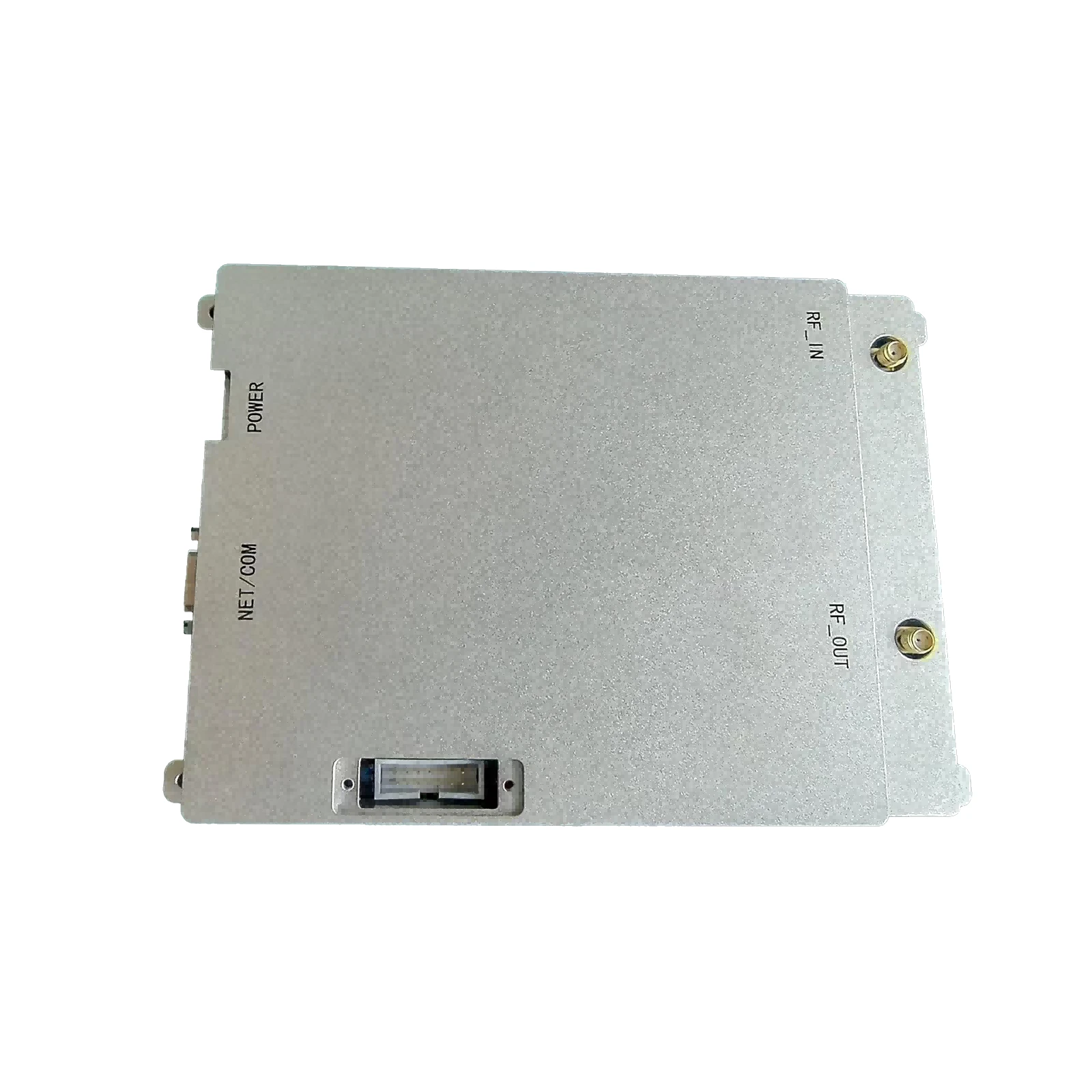
Quite simply, RF power devices are electronic components designed to generate, amplify, or control radio frequency power signals. Think of them as the "muscle" behind a transmitter, taking a low-power signal and boosting it so it can travel long distances through air or space.
They include items like power transistors, amplifiers, vacuum tubes, and combiners — all tailored to handle signals in MHz to GHz frequency ranges. In modern industry, they’re embedded in everything from cellular base stations to radar arrays and satellite equipment.
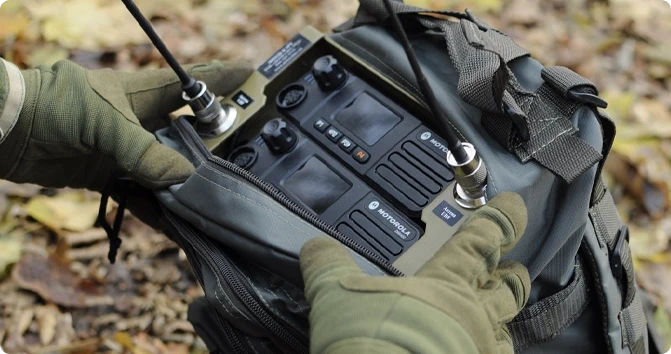
Humanitarian operations rely on these devices too. For example, emergency communication kits use RF power components to establish quick wireless links in areas where physical infrastructure has been wiped away.
Mini takeaway: RF power devices turn faint signals into powerful transmissions, enabling countless wireless applications across industry and aid.
Key Characteristics of RF Power Devices
1. Durability
In field deployments, devices face challenges like extreme temperatures, humidity, and mechanical stress. Durable RF power devices ensure continuous operation without frequent replacements.
2. Scalability
The ability to handle a wide power range — from a few watts in a handheld radio to several kilowatts in satellite transmitters — is crucial for different use cases.
3. Energy Efficiency
Efficiency isn’t just about saving energy bills. It’s about minimizing heat generation, prolonging component life, and reducing carbon footprints — key as operators aim for greener telecom solutions.
4. Frequency Range & Linearity
Broad frequency coverage and linear amplification reduce signal distortion, improving connection quality and bandwidth utilization.
5. Cost Effectiveness
Balancing top-tier performance with affordability opens doors for wider deployment, especially in developing regions.
6. Integration Capability
Seamless integration into existing systems is vital for upgrades without costly overhauls.
Mini takeaway: The holy grail is RF power devices that last long, scale well, and save energy — all while fitting budgets and system needs.
| Specification | Typical Range/Value | Notes |
|---|---|---|
| Frequency Range | 100 MHz – 50 GHz | Varies by device & application |
| Output Power | 0.5 W – 5 kW | Handheld to base station scale |
| Efficiency | 30% – 75% | Higher % means less wasted heat |
| Operating Temp. | -40°C to +85°C | Field-grade vs lab-grade difference |
| Linearity | High | Maintains signal integrity |
| Typical Lifespan | 5 – 15 years | Depends on usage & environment |
RF Power Devices in Action: Real-World Applications
From the weather stations in Canada’s North to remote oil rigs off West Africa, RF power devices form the unseen links enabling communication. Here are a few illustrative cases:
- Disaster Relief: After an earthquake or hurricane, terrestrial infrastructure often vanishes. Portable RF transmitters backed by rugged power devices restore crucial comms within hours.
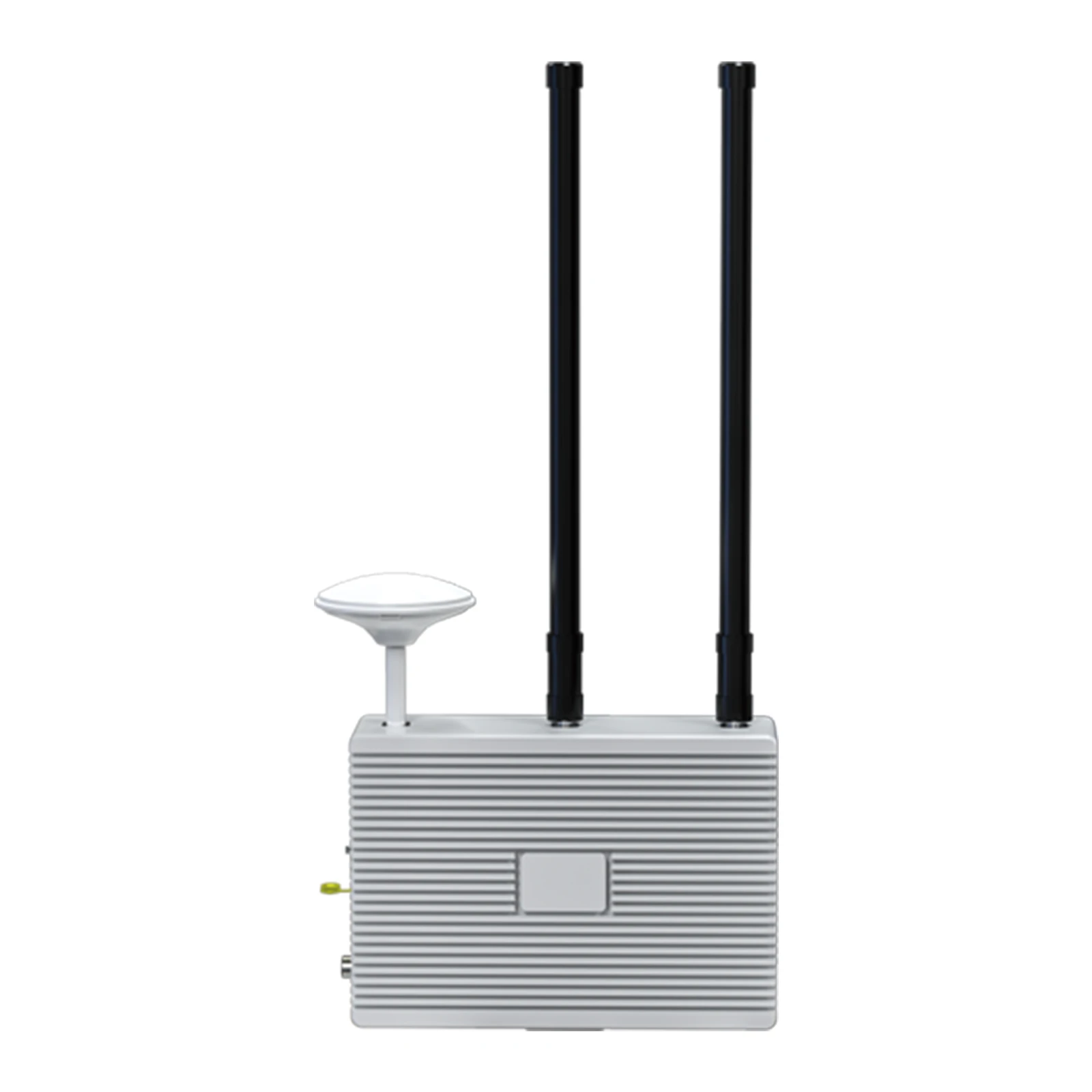
- Rural Connectivity Initiatives: Governments in India and Africa deploy RF-powered base stations to bridge digital divides where fiber optic links are impractical.
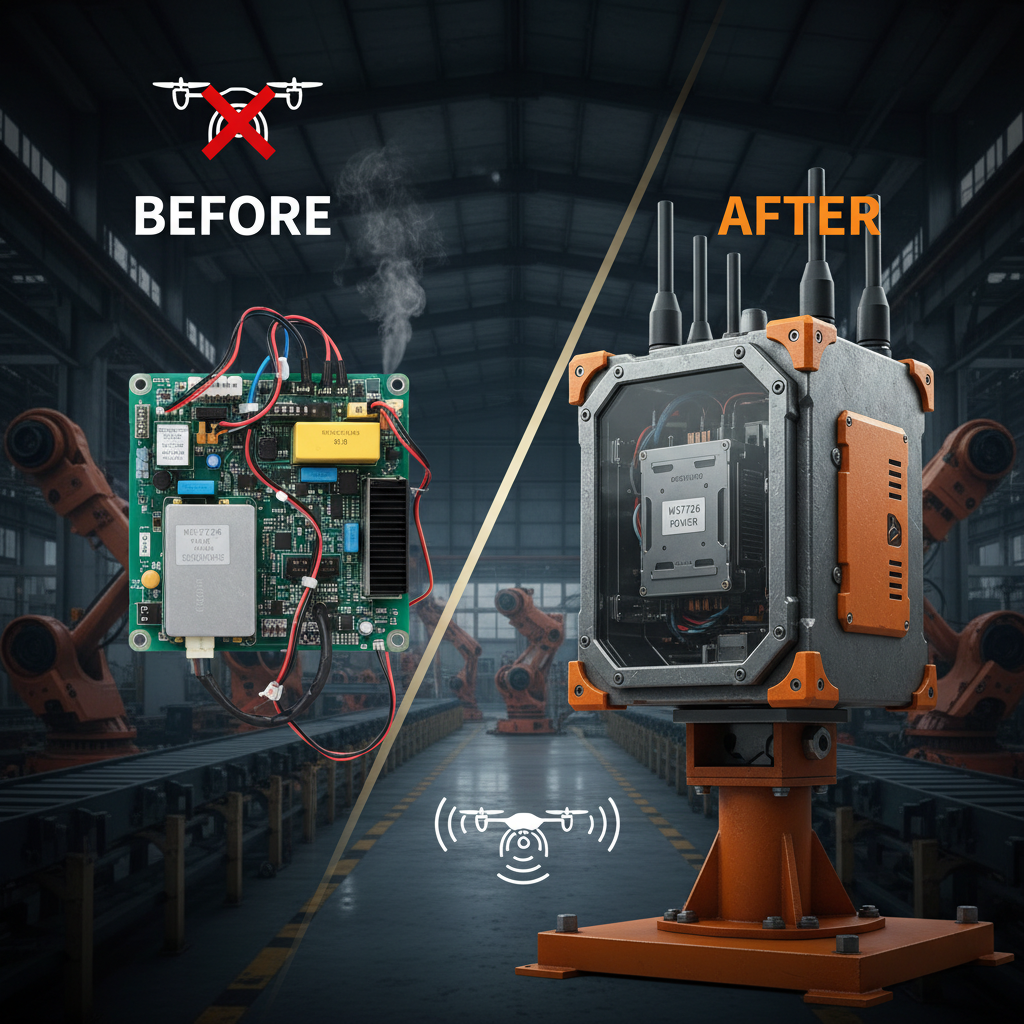
- Industrial IoT: Factories use RF power components in sensors and control units to monitor processes wirelessly, enabling automation and safety improvements.
- Space & Satellite Systems: Satellites beam weather or GPS data globally — relying heavily on high-performance RF amplifiers and power modules.
Mini takeaway: The versatility of RF power systems across sectors highlights their indispensable role in modern society and emergency scenarios.
Why Invest in Advanced RF Power Devices? The Advantages
It boils down to several tangible and intangible benefits:
- Cost reductions: More efficient devices cut energy use and cooling needs, which can translate to big savings especially at telecom scale.
- Sustainability: Lower power consumption lessens carbon emissions, aligning with global climate goals.
- Reliability & Safety: Hardened devices reduce downtime and ensure that critical messages get through when they matter most — think emergency broadcasts or military communications.
- Social Impact: Improving connectivity fosters education, healthcare access, and economic growth in underserved areas.
- Innovation Enablement: High-quality RF power modules support emerging 5G and IoT networks, fueling new technologies and services.
Mini takeaway: Advanced RF power technologies aren’t just engineering feats — they shape economies and enhance lives.
What's Next? Future Trends Shaping RF Power Devices
Emerging innovations are already nudging industry standards forward:
- GaN (Gallium Nitride) Technology: Replacing silicon in many devices, GaN offers better efficiency and higher power density. That means smaller, cooler, and more powerful components.
- Sustainability Focus: Manufacturers are exploring recyclable materials and energy harvesting to shrink environmental footprints.
- Digital Integration: Smart RF modules will self-monitor performance and faults, enabling predictive maintenance and longer lifespans.
- 5G & Beyond: Future communication networks demand wider bandwidth and ultra-low latency — pushing RF device specs to new heights.
- Automated Design: AI-assisted component modeling promises faster prototyping and customization tailored to unique applications.
Mini takeaway: The future is bright — with smarter, greener, and more capable RF power devices driving next-gen wireless tech.
Common Challenges and How Manufacturers Are Tackling Them
Despite advances, several hurdles remain:
- Thermal Management: High power outputs generate heat that must be efficiently dissipated to avoid performance issues. Solutions include advanced heat sinks and materials with superior conductivity.
- Size vs. Power Trade-offs: Shrinking devices without losing power or efficiency requires careful design and new semiconductor tech like GaN.
- Supply Chain Sensitivity: Dependence on rare materials or complex manufacturing can cause delays or price spikes.
- Compatibility: Legacy equipment and varied standards complicate integration of new RF power modules.
Innovative approaches such as modular design, alternative materials research, and open standards development are easing these pain points. Many manufacturers share extensive data with clients to optimize deployment, cutting down trial and error and boosting trust.
Mini takeaway: Challenges mean opportunities: solving these will make RF power devices even more reliable and accessible.
Vendor Comparison: Choosing the Right RF Power Device Partner
| Vendor | Product Range (Power Output) | Technology Focus | Global Presence | Lead Time |
|---|---|---|---|---|
| AmpTech Solutions | 1 W – 1 kW | GaN-based amplifiers | North America, Europe, Asia | 4–6 weeks |
| PowerWave Inc. | 500 W – 5 kW | Silicon LDMOS | Global | 6–8 weeks |
| RF Dynamics | 0.5 W – 500 W | Hybrid GaN/Si technology | Europe, Asia | 3–5 weeks |
Frequently Asked Questions About RF Power Devices
- What factors affect the efficiency of RF power devices?
- Efficiency depends mainly on the semiconductor technology used (GaN is more efficient than silicon), device design optimizing heat dissipation, and operational power levels. Operating devices near their designed linear range maximizes efficiency and lifespan.
- How long do typical RF power devices last in harsh environments?
- With proper cooling and protective housing, many can last 5 to 15 years. However, exposure to extreme temperatures or moisture without adequate protection can significantly shorten this.
- Are RF power devices scalable for both small and large telecom applications?
- Yes — devices come in power classes from under one watt (handheld radios) to multiple kilowatts (large base stations or satellite transponders). Choosing the right device matches energy demands with signal needs.
- How do advances in RF power devices support emergency response efforts?
- Newer, portable, and energy-efficient RF amplifiers allow rapid setup of communication networks in disaster zones, providing reliable links without heavy infrastructure.
Wrapping It Up: The Next Wave of RF Power Devices
RF power devices are more than just electronic components — they’re enablers of connectivity, safety, and progress worldwide. Their evolution influences everything from how we stream a movie to how aid reaches a community cut off by natural disaster.
If you’re interested in learning more about rf power devices and advanced communications technology, visit our website for in-depth resources, products, and expert advice. Let’s power the future of wireless together.
Mini takeaway: Investing in state-of-the-art RF power solutions means powering innovation, connectivity, and sustainability in tandem.
References

-
 09 March 2021 16 Apr 2026
 -
 09 March 2021 09 Apr 2026
 -
 09 March 2021 07 Apr 2026
 -
 09 March 2021 04 Apr 2026
 -
 09 March 2021 31 Mar 2026
-
 09 March 2021 21 May 2025
 -
 09 March 2021 25 Dec 2024
 -
 09 March 2021 14 Oct 2022
-
 09 March 2021 25 Dec 2024

 English
  Arabic
  Belarusian
  Danish
  Dutch
Dutch  French
  German
  Greek
Greek  Japanese
  Korean
  Myanmar
  Polish
  Portuguese
  Russian
  Spanish
  Swedish
  Thai
Thai  Ukrainian
  Vietnamese