

HF RF Power Amplifier Explained – Boosting Long-Range Communications
Understanding HF RF Power Amplifiers: Why They Matter in Today's Tech Landscape
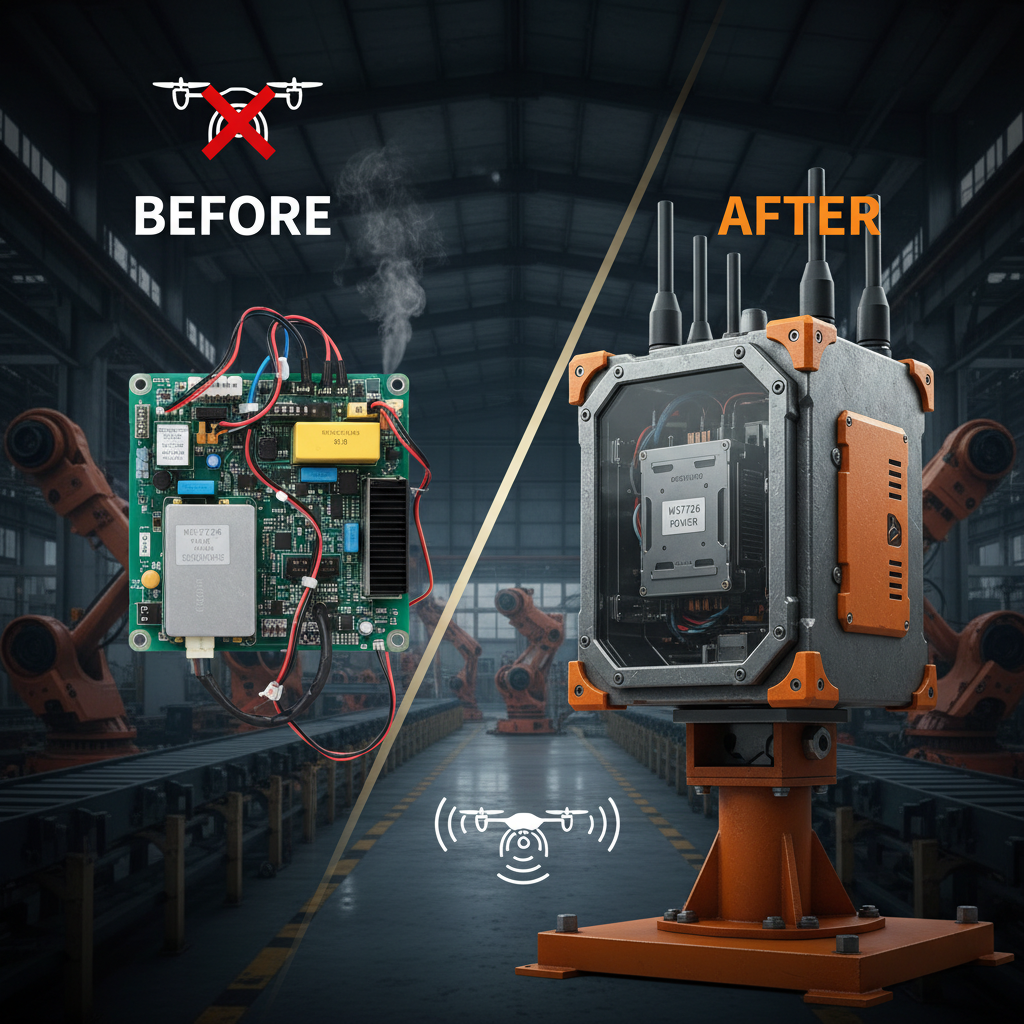
At a glance, terms like hf rf power amplifier can sound intimidating or oddly technical. Yet, these devices play a pivotal role in our interconnected world—fueling everything from critical communication networks to radar systems that save lives. Understanding how high-frequency radio frequency (RF) power amplifiers work, and why they're vital, helps industries improve efficiency and innovation.
Globally, HF RF power amplifiers underpin radio transmissions that span thousands of miles, enabling secure, long-range communication often where infrastructure is scarce. Grasping their function offers surprising benefits—not just for engineers but for policymakers, humanitarian organizations, and anyone fascinated by the invisible waves powering modern society.
The Global Context: Why HF RF Power Amplifiers Are More Important Than Ever
As of 2023, approximately 60% of the global population still relies on radio communication systems to some extent—especially in remote or unstable regions, according to the International Telecommunication Union (ITU). These systems hinge on robust HF RF power amplifiers to transmit signals clearly over long ranges despite interference or atmospheric noise.
With increasing climate-related disasters and geopolitical shifts, fast, reliable communication is an urgent need worldwide. For instance, post-disaster relief operations depend on HF bands for coordinating rescue efforts where cellular networks fail. Yet, many amplifiers today face challenges: energy inefficiency, bulkiness, or limited frequency ranges hinder their deployment in harsh environments.
Addressing these issues is not just technical but humanitarian and economic, promising a more connected, resilient future.
What Exactly Is an HF RF Power Amplifier?
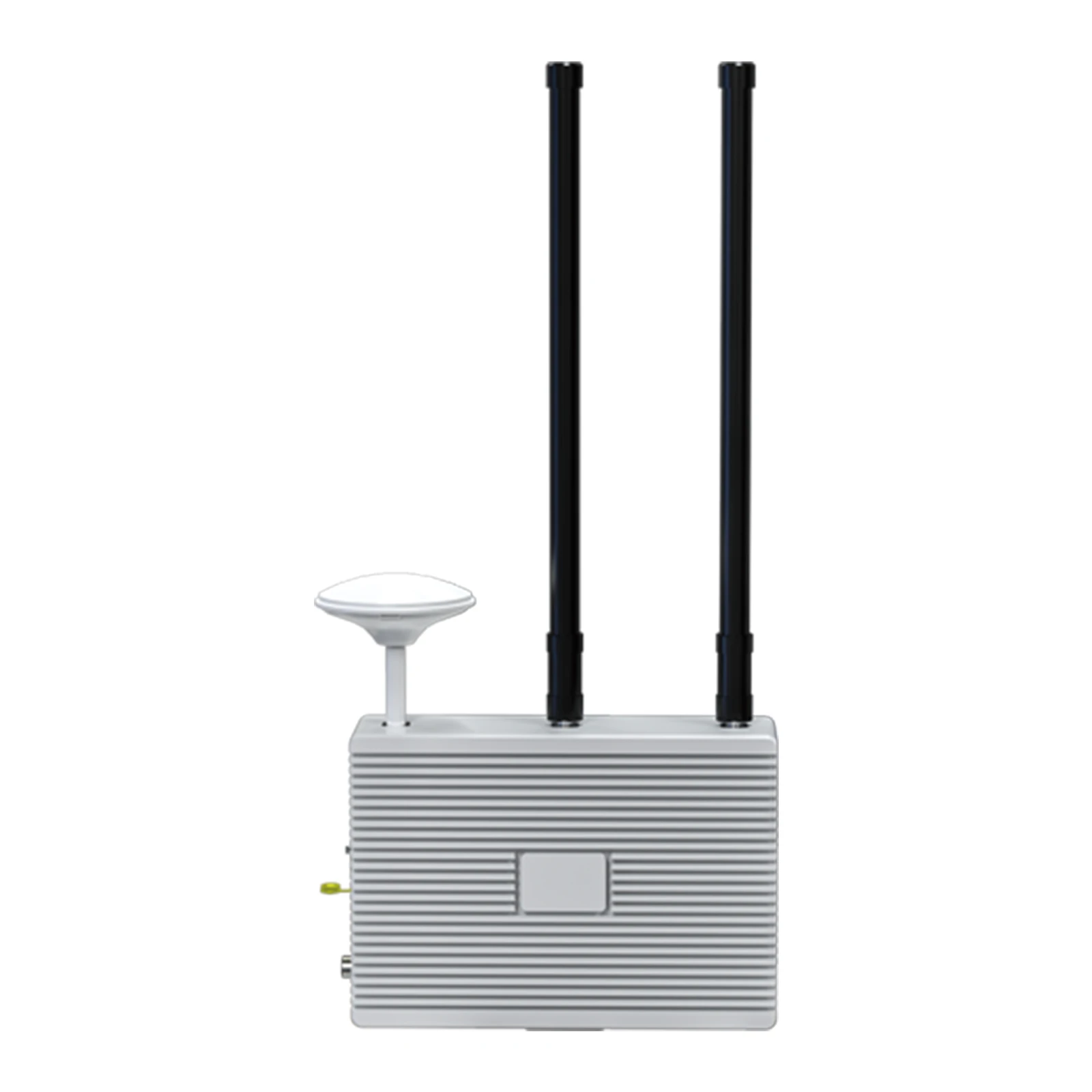
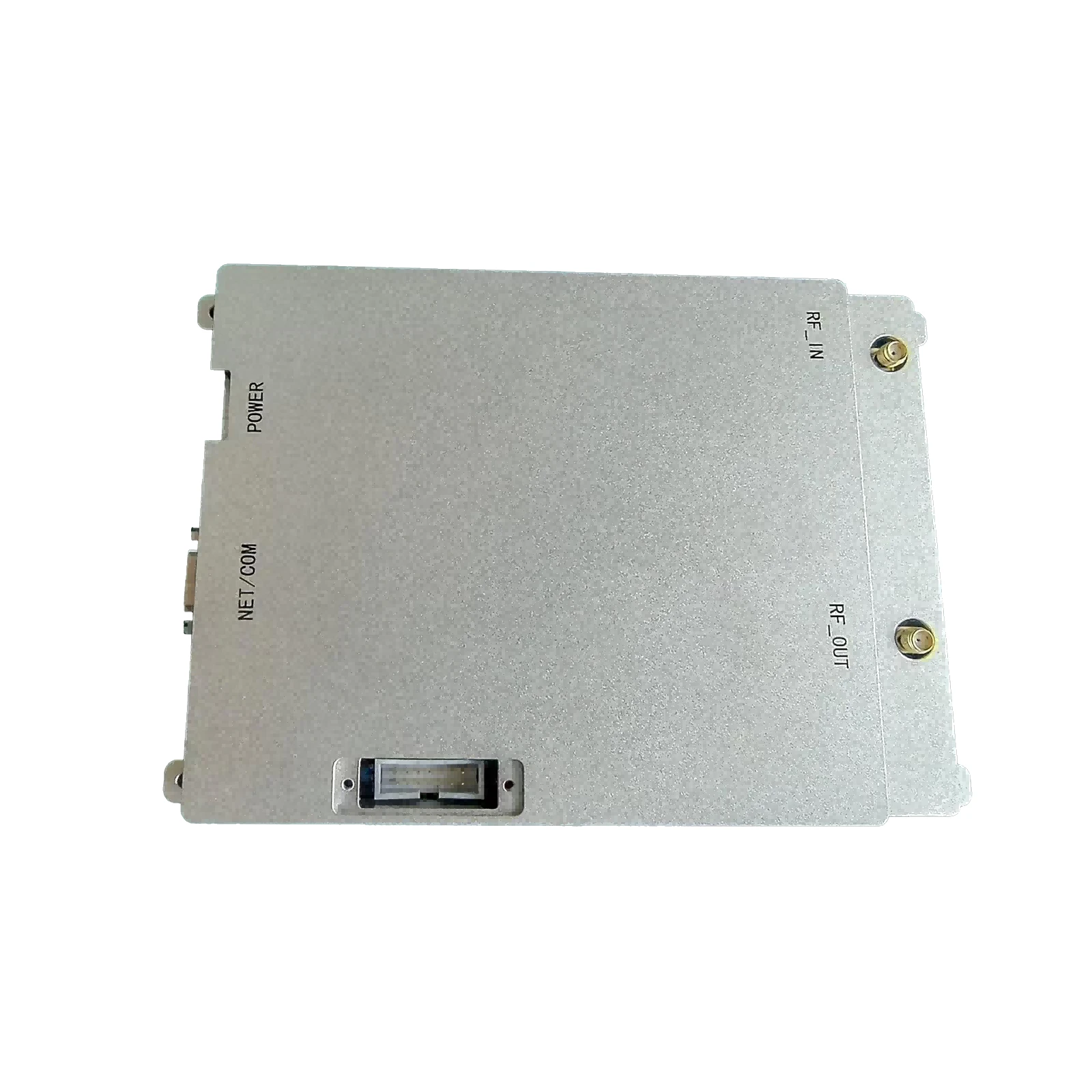
Put simply, an hf rf power amplifier is an electronic device designed to increase the power of signals at high frequencies (usually 3 to 30 MHz, aka HF bands). This amplification ensures that radio signals maintain sufficient strength to travel vast distances without distortion or loss.
Think of it like a megaphone for radio waves. Without it, weak transmissions from antennas would dissipate quickly, leaving receivers hearing faint whispers at best. These amplifiers are the unsung heroes in communication towers, military radar arrays, and even amateur radio setups.
Beyond technology, HF RF power amplifiers intersect with humanitarian efforts by enabling communication where physical infrastructure is minimal, such as remote weather stations or refugees camps.
Core Features Influencing HF RF Power Amplifier Performance
1. Power Output Capability
A fundamental measure is how much power the amplifier can deliver—ranging from tens to thousands of watts. Higher output boosts communication range but often increases size and heat.
2. Frequency Range & Bandwidth
The ideal amplifier must cover specific frequency bands without significant distortion. Versatility here is essential, especially for multi-purpose or military applications.
3. Efficiency & Thermal Management
Amplifiers convert electrical energy into radio waves, but some energy turns into unwanted heat. Efficient designs reduce energy waste and the risk of overheating.
4. Durability and Environmental Resistance
Many HF RF power amplifiers are deployed in challenging environments. Dust, moisture, and temperature fluctuations demand rugged designs to ensure continuous operation.
5. Size and Portability
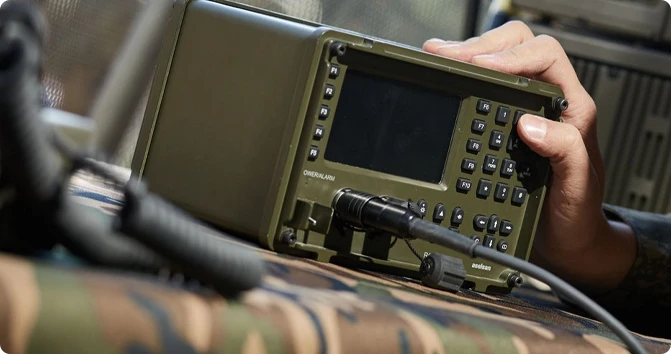
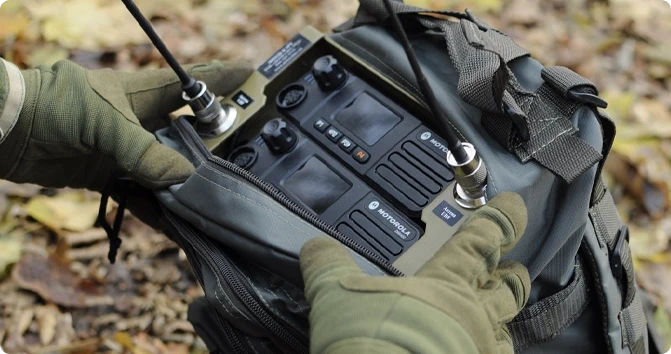
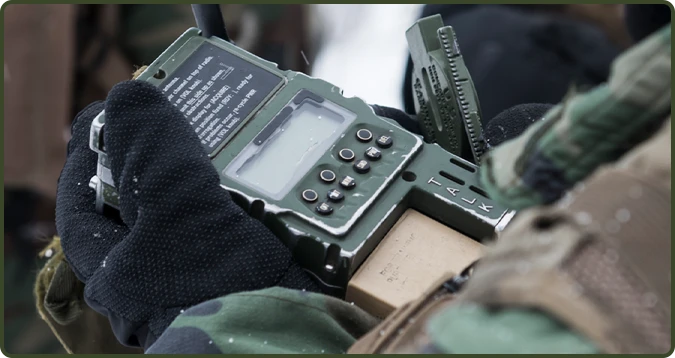
In field operations or mobile units, compact, lightweight amplifiers allow for faster deployment and easier transport.
| Specification | Typical Value | Impact |
|---|---|---|
| Power Output | 500 W – 2 kW | Range & clarity of signal |
| Frequency Range | 3–30 MHz (HF band) | Versatility across systems |
| Efficiency | 50–80% | Energy consumption & heat |
| Weight | 15–50 kg | Portability |
| Operating Temp. | -20°C to 60°C | Suitability for harsh conditions |
Real-World Applications of HF RF Power Amplifiers
Oddly enough, these amplifiers aren’t limited to labs or military bases. They’re quietly embedded in scenarios you might not immediately guess:
- Disaster Relief: During post-hurricane or earthquake zones, HF radios powered by these amplifiers help coordinate rescue teams when conventional networks are down.
- Remote Industrial Sites: Mining or oil rigs in remote zones use HF communications to maintain operational safety and supply logistics.
- Amateur (Ham) Radio: Enthusiasts rely on HF RF PA to broadcast signals worldwide, fostering community and emergency preparedness.
- Maritime & Aviation: Vessels and aircraft depend on HF bands for long-range communication beyond satellite reach, often in challenging weather.
| Vendor | Product Range | Custom Features | Global Reach | Typical Clientele |
|---|---|---|---|---|
| TechWave Amplifiers | 50W – 3kW HF RF PAs | Custom packaging, remote control | North America, Europe | Military, Research |
| WaveConnect Solutions | 100W – 1.5kW units | Energy-efficient designs, ruggedized cases | Asia, Africa | NGOs, Industrial |
| SignalMax Tech | 200W – 2kW HF PAs | Compact form factors, IoT integration | Global | Commercial, Amateur Radio |
Long-Term Benefits of HF RF Power Amplifiers
Why invest in quality HF RF power amplifiers? Beyond the obvious technical gain — they promise sustainability and trust. Efficient amplifiers cut energy costs, an increasingly vital aspect amid rising power prices and climate concerns. Reliable communication preserves safety and dignity in emergencies, building trust between agencies and affected communities.
Moreover, their steady innovation encourages advances beyond communication — like enhanced radar for weather prediction or scientific research, which all benefit society. The legacy of HF RF amplifiers is more than wires and watts; it’s connectivity that empowers progress.
The Horizon: What’s Next for HF RF Power Amplifiers?
Upcoming trends show exciting shifts in materials and design. Gallium Nitride (GaN) semiconductors promise amplifiers that are smaller, cooler running, and more efficient, ideal for mobile or field use. Digital controls and IoT integration allow remote diagnosis and fine-tuning—cutting downtime and boosting performance.
Green policies push manufacturers to adopt eco-friendly components and energy-saving modes. Plus, the shift toward hybrid communication models means HF might work hand-in-hand with satellite and 5G tech, creating resilient layered networks.
Challenges and Innovative Solutions in the HF RF Power Amplifier World
Of course, it’s not all smooth sailing. The high cost of advanced materials like GaN can be prohibitive. Designing amplifiers that balance power, size, and thermal management remains tricky. Then there’s the issue of regulatory compliance across regions, which can slow deployment.
Experts recommend modular designs for quick repair and upgrades, plus rigorous field testing tailored to specific environments. Collaboration between manufacturers and end-users helps tailor devices that meet real challenges without over-engineering.
FAQ: Common Questions About HF RF Power Amplifiers
Q1: What kinds of industries primarily use HF RF power amplifiers?
A: Industries like telecommunications, defense, maritime, and aerospace rely heavily on these amplifiers. Additionally, NGOs and disaster relief organizations use them where infrastructure is limited.
Q2: How energy efficient are modern HF RF power amplifiers?
A: Depending on design and technology (like GaN transistors), efficiency ranges from roughly 50% up to 80%, significantly reducing operational costs compared to older models.
Q3: Can HF RF power amplifiers be portable for field use?
A: Yes, many manufacturers focus on compact, ruggedized amplifiers designed for quick deployment in remote or emergency scenarios.
Q4: Are HF RF power amplifiers compatible with modern digital communication?
A: Increasingly so. Advances in digital signal processing and integration make these amplifiers adaptable to hybrid systems, blending analog HF communication with digital platforms.
Q5: Where can I find reliable vendors for HF RF power amplifiers?
A: Established suppliers like TechWave Amplifiers, WaveConnect Solutions, and SignalMax Tech offer varied product lines and global support. Selecting the right partner depends on your specific needs and deployment scenarios.
Wrapping Up: Why Investing in HF RF Power Amplifiers Makes Sense
In real terms, the humble HF RF power amplifier quietly sustains critical communications worldwide, its importance often taken for granted. Despite technical challenges, ongoing innovation is making these devices more efficient, durable, and accessible than ever before.
If you're working in communications, emergency response, or remote industry, understanding and leveraging quality HF RF power amplifiers could dramatically improve your operational capability. Curious to learn more or explore products? Visit our website: https://www.drone-system.com.
It’s a blend of engineering and impact—sort of beautiful, really.
References

-
 09 March 2021 16 Apr 2026
 -
 09 March 2021 09 Apr 2026
 -
 09 March 2021 07 Apr 2026
 -
 09 March 2021 04 Apr 2026
 -
 09 March 2021 31 Mar 2026
-
 09 March 2021 21 May 2025
 -
 09 March 2021 25 Dec 2024
 -
 09 March 2021 14 Oct 2022
-
 09 March 2021 25 Dec 2024

 English
  Arabic
  Belarusian
  Danish
  Dutch
Dutch  French
  German
  Greek
Greek  Japanese
  Korean
  Myanmar
  Polish
  Portuguese
  Russian
  Spanish
  Swedish
  Thai
Thai  Ukrainian
  Vietnamese