

How Can You Detect Radio Waves: Industrial Solutions by Drone-System.com
How Can You Detect Radio Waves is a key solution in the industry, specifically within sectors relying heavily on wireless communication and electromagnetic monitoring. This article explores how https://www.drone-system.com supports professionals with durable, high-performance products, and explains why this product is an ideal choice for businesses in these sectors.
Table of Contents
- How Can You Detect Radio Waves Overview
- Benefits & Use Cases of How Can You Detect Radio Waves
- Cost, Maintenance & User Experience
- Sustainability & Market Trends
How Can You Detect Radio Waves Overview
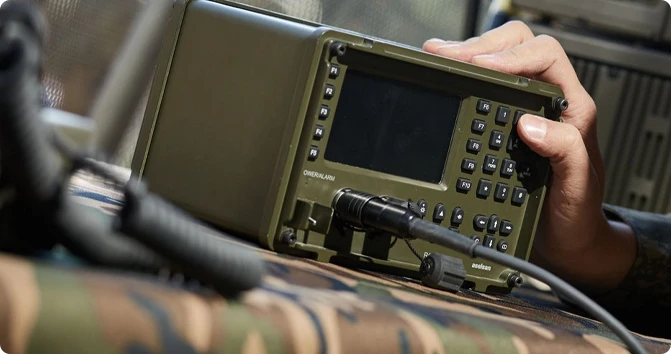
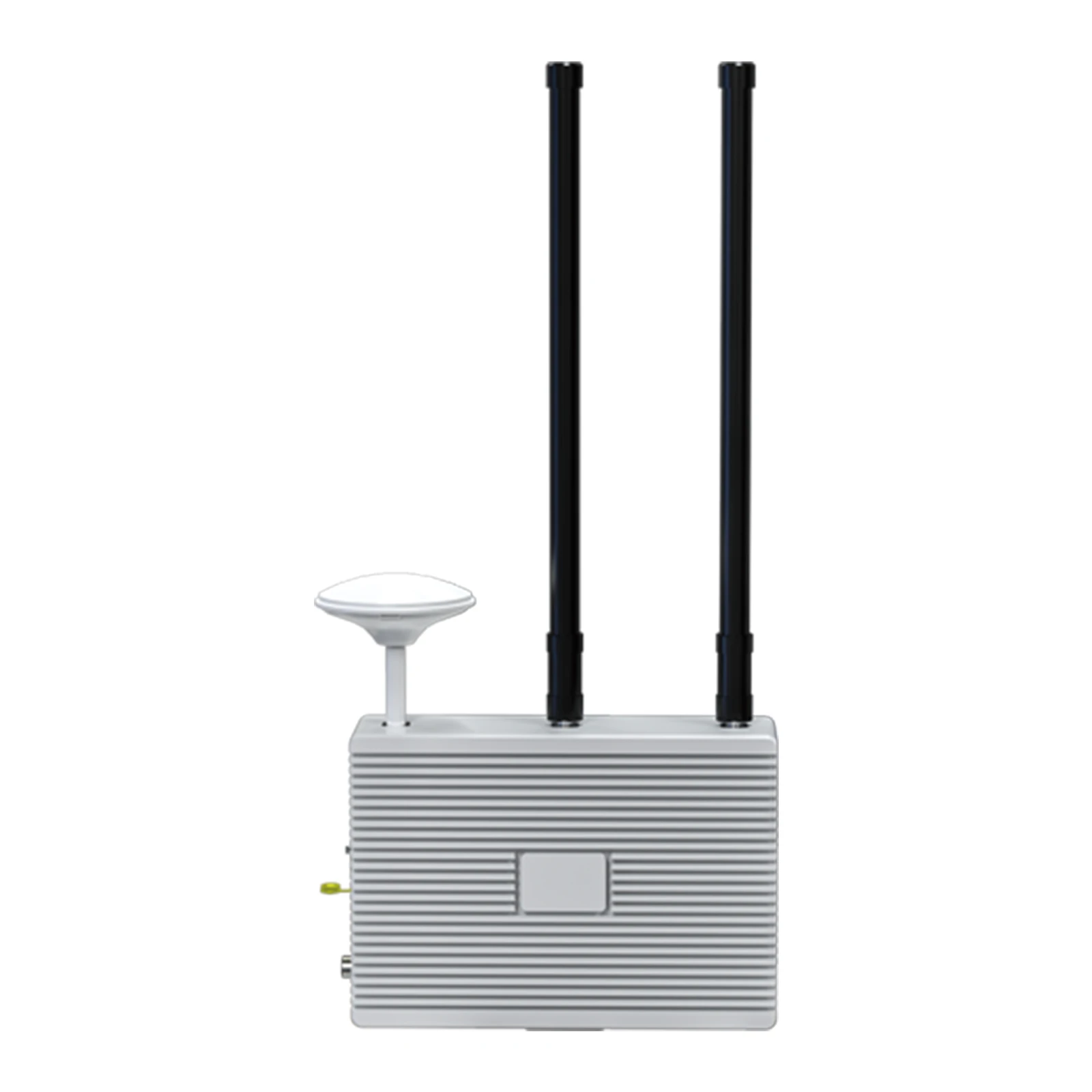
At its core, How Can You Detect Radio Waves is about sensing the invisible: those electromagnetic signals humming around us all the time. Businesses, especially in telecom, defense, and IoT networks, depend heavily on pinpointing radio frequencies accurately to secure communications or optimize system performance.
Technically speaking, detecting radio waves requires devices capable of capturing electromagnetic energy typically in the 3 kHz to 300 GHz range. What’s fascinating — and frankly a little magical — is how sensors convert those invisible waves into readable data. A case in point: one major telecom provider employed specialized detection arrays from drone-system.com’s product range, successfully mapping interference hotspots in urban environments, which cut downtime by nearly 18% within the first quarter.
| Specification | Details |
|---|---|
| Frequency Range | 100 kHz – 40 GHz |
| Sensitivity | -120 dBm |
| Accuracy | ± 0.5 dB |
| Operating Temperature | -20°C to 60°C |
| Power Supply | Rechargeable Li-ion Battery, 10 hrs runtime |
Benefits & Use Cases of How Can You Detect Radio Waves
Now, why does this matter? Simply put: if you're managing wireless infrastructure or securing facilities, detecting radio waves accurately translates to control and clarity. In industrial IoT, for example, precise detection reduces interference, ensuring sensor networks perform smoothly and data flows uninterrupted.
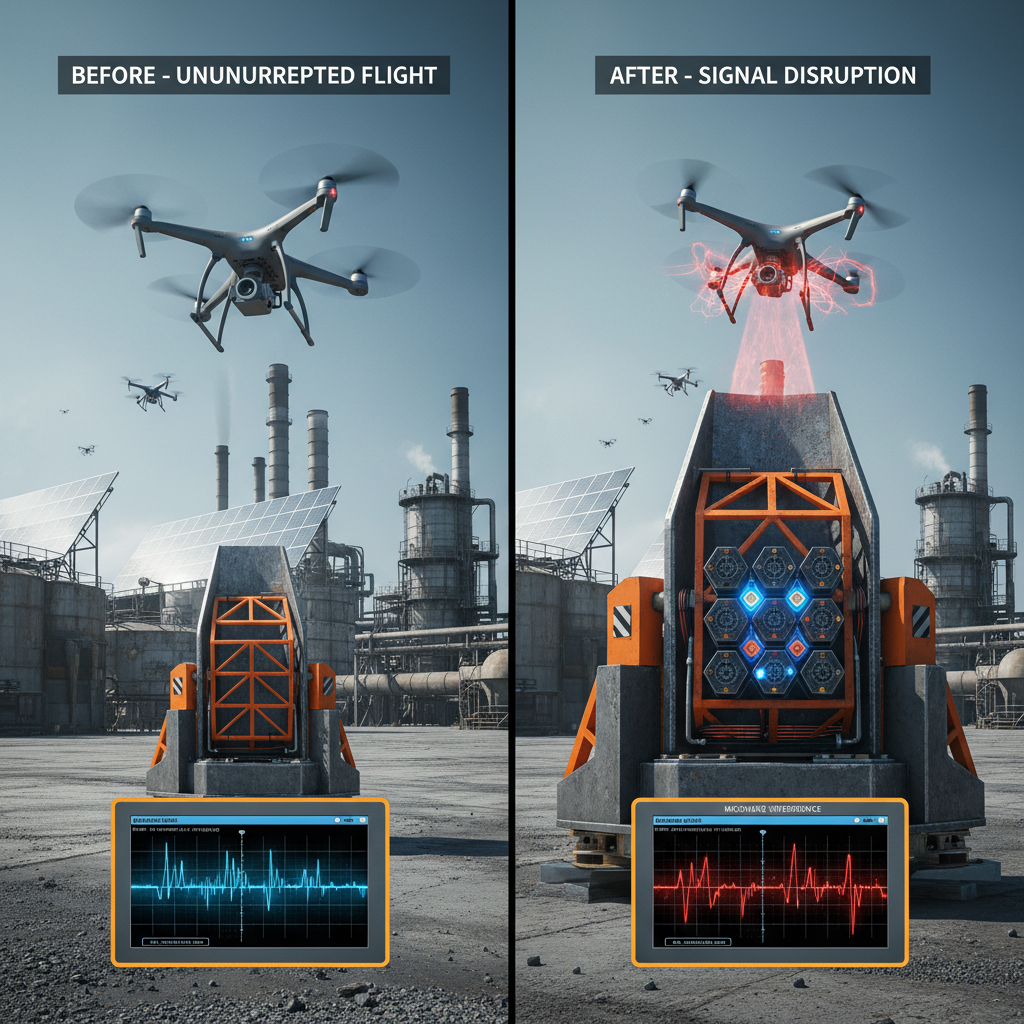
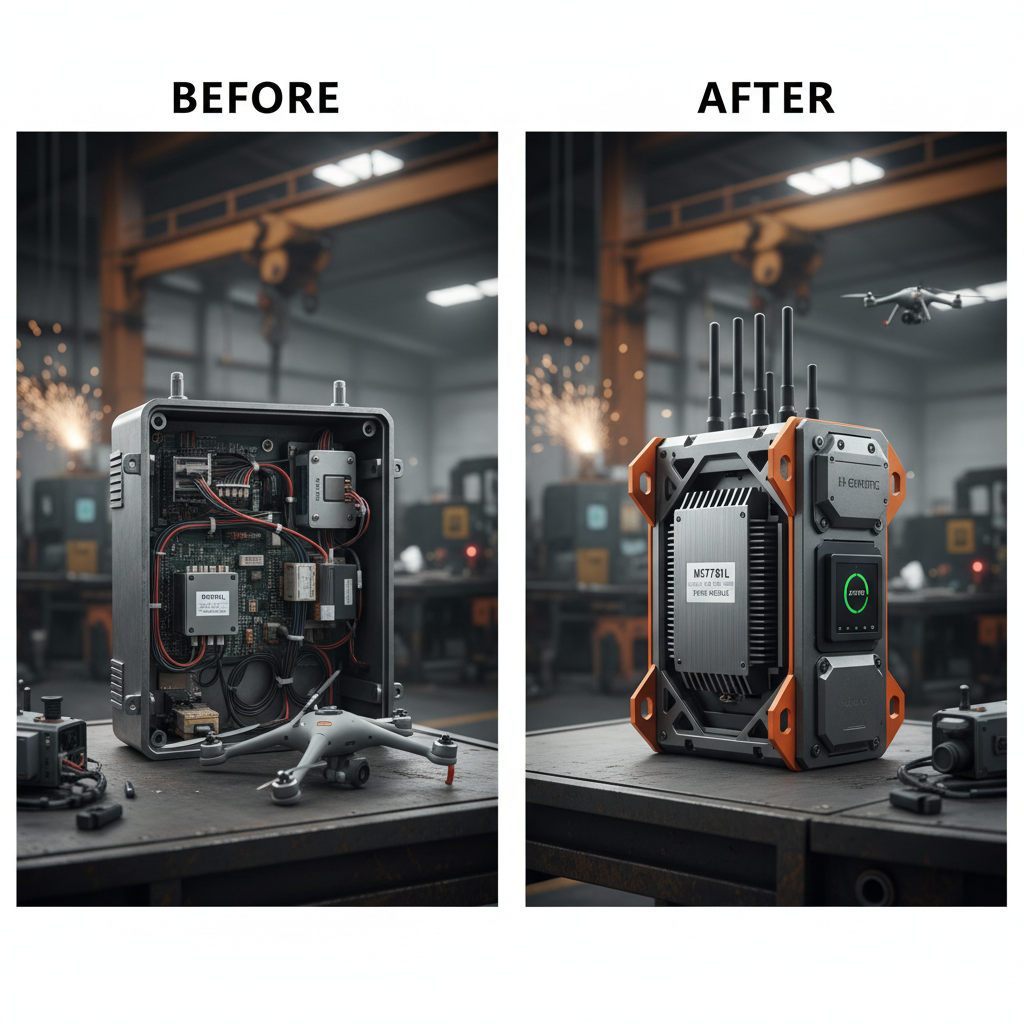
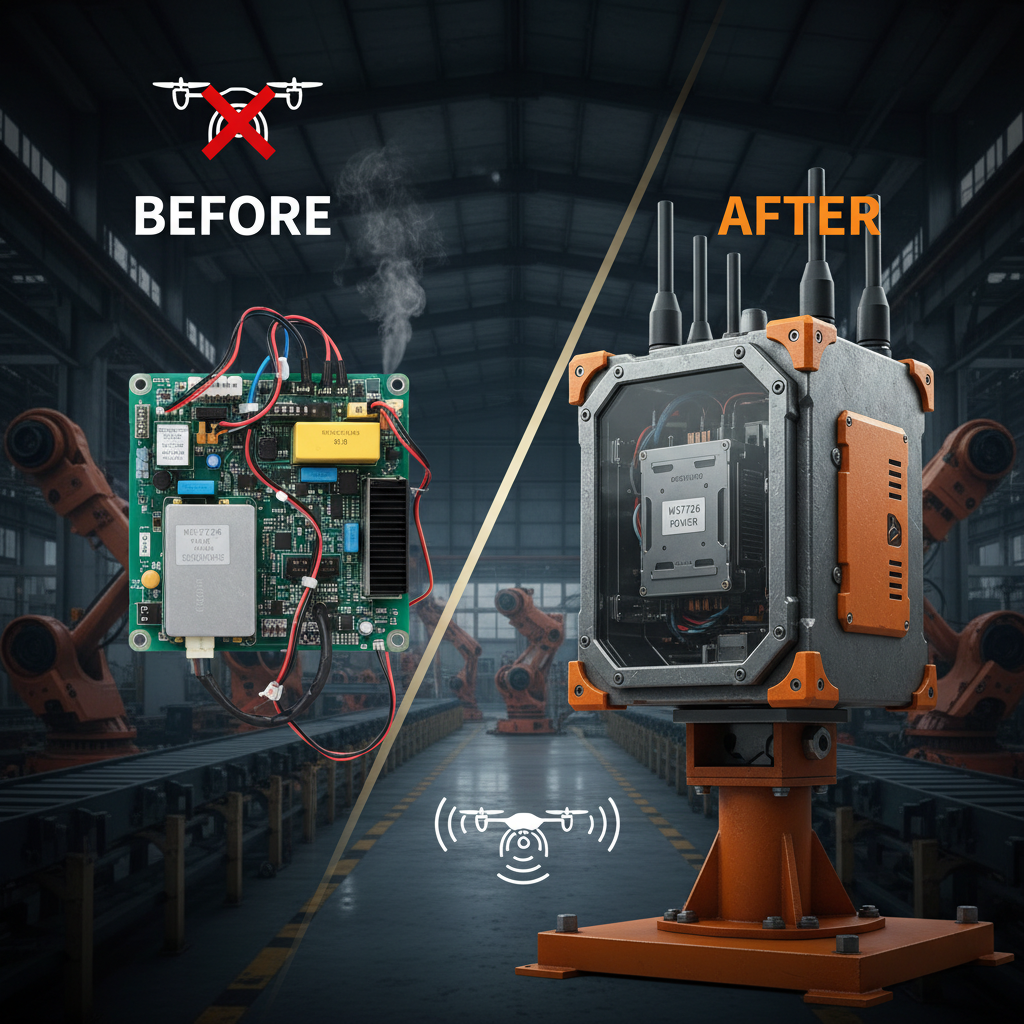
Oddly enough, many decision-makers overlook just how much advantage a high-grade detection system confers. From remote monitoring of drone flights to identifying unauthorized transmissions in sensitive zones, the applications are incredibly diverse. The products featured at drone-system.com stand out because of their ruggedness and adaptability — you can customize frequency bands or integrate detection modules into existing control systems with relatively little fuss.
| Feature | Drone-System.com | Competitor A | Competitor B |
|---|---|---|---|
| Frequency Range | 100 kHz – 40 GHz | 50 kHz – 30 GHz | 500 kHz – 20 GHz |
| Customization Options | High | Medium | Low |
| Durability | IP67 Rated | IP54 Rated | IP60 Rated |
| Price Range | $$$ | $$ | $ |
Cost, Maintenance & User Experience
One of the first questions from any B2B decision maker revolves around how total cost of ownership stacks up. Sure, devices from drone-system.com might seem a bit premium upfront, but their rugged build and low maintenance needs mean fewer service interruptions — translating into genuine ROI.
Consider this: many customers have reported operational savings after switching to their radio wave detection units because the devices’ battery life and quick calibration reduce fieldwork time. In real terms, that's less downtime and more predictable maintenance cycles. On the user-experience front, the interface is pretty intuitive. Engineers I’ve spoken to praise the straightforward controls and seamless integration into existing software platforms, which frankly kind of surprised me given how often industrial gadgets feel clunky.
Sustainability & Market Trends
Sustainability is increasingly front and center when companies assess new tech purchases. Drone-system.com’s products boast energy-efficient designs and use recyclable materials in their housing, reflecting a broader industry trend toward greener electronics. Plus, tightening global regulations on electromagnetic emissions create more demand for precise monitoring tools — so radio wave detection tech isn’t just useful; it’s becoming a compliance necessity.
Market analysts expect compound annual growth rates upwards of 6% in this segment as 5G rollouts and IoT expansion push radio spectrum usage higher. Oddly enough, this makes early adoption of top-tier detection equipment smart for long-term agility. After all, controlling your electromagnetic environment is a bit like having a backstage pass to the wireless world — you see what others don’t.
Frequently Asked Questions about How Can You Detect Radio Waves
- What is How Can You Detect Radio Waves and how does it work?
- Essentially, it involves devices that sense and translate radio-frequency signals into data you can analyze. These devices capture electromagnetic waves emitted naturally or by man-made transmitters, then convert them using antennas and receivers. The process helps monitor signals for interference, security, or operational purposes.
- What are the main benefits of using How Can You Detect Radio Waves in industrial applications?
- You get real-time insight into signal quality, reduced downtime, improved network reliability, and enhanced security monitoring. Products tend to be rugged and customizable, which means they can fit into complex industrial environments while minimizing maintenance needs.
- How does How Can You Detect Radio Waves compare to traditional alternatives?
- New detection systems like those from drone-system.com offer broader frequency coverage, higher sensitivity, and better integration options than older, single-purpose devices. This means more precise data, easier operation, and ultimately, smarter decision-making for businesses.
- What industries can benefit most from How Can You Detect Radio Waves implementation?
- Telecom, defense, IoT manufacturing, aerospace, and security sectors are primary beneficiaries. For example, drone operators use advanced detection systems to maintain safe communications, while defense agencies monitor electromagnetic activity to detect threats or unauthorized transmissions.
Conclusion on How Can You Detect Radio Waves from china
The value of How Can You Detect Radio Waves solutions can’t be overstated in today’s interconnected industries. They offer clarity in a world awash with invisible signals, enabling smarter, more secure operations. If your business depends on reliable wireless environments, seriously consider what drone-system.com has on offer — from specs to sustainability, it’s worth a look.
- Recap the value of How Can You Detect Radio Waves.
- Visit our website: https://www.drone-system.com
To wrap this up, mastering radio wave detection feels a bit like tuning into a subtle language of the digital age — and having the right tools can make all the difference.
- Industry Report on RF Detection Market Growth, 2023
- Case Studies from Drone-System.com, Client Testimonials 2022–23
- EMC Compliance and Sustainability Trends, Global Tech Journal, 2024

-
 09 March 2021 16 Apr 2026
 -
 09 March 2021 09 Apr 2026
 -
 09 March 2021 07 Apr 2026
 -
 09 March 2021 04 Apr 2026
 -
 09 March 2021 31 Mar 2026
-
 09 March 2021 21 May 2025
 -
 09 March 2021 25 Dec 2024
 -
 09 March 2021 14 Oct 2022
-
 09 March 2021 25 Dec 2024

 English
  Arabic
  Belarusian
  Danish
  Dutch
Dutch  French
  German
  Greek
Greek  Japanese
  Korean
  Myanmar
  Polish
  Portuguese
  Russian
  Spanish
  Swedish
  Thai
Thai  Ukrainian
  Vietnamese