
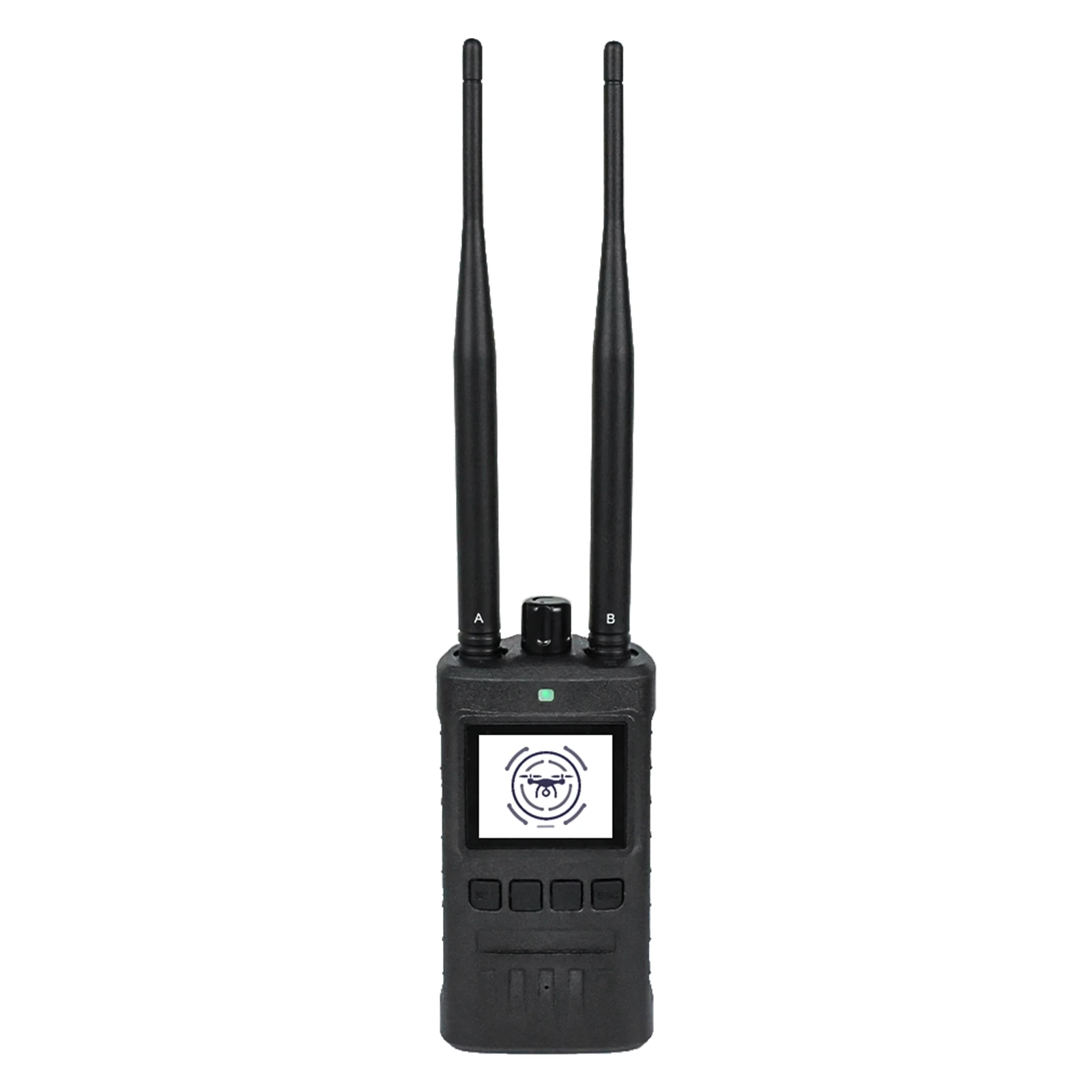
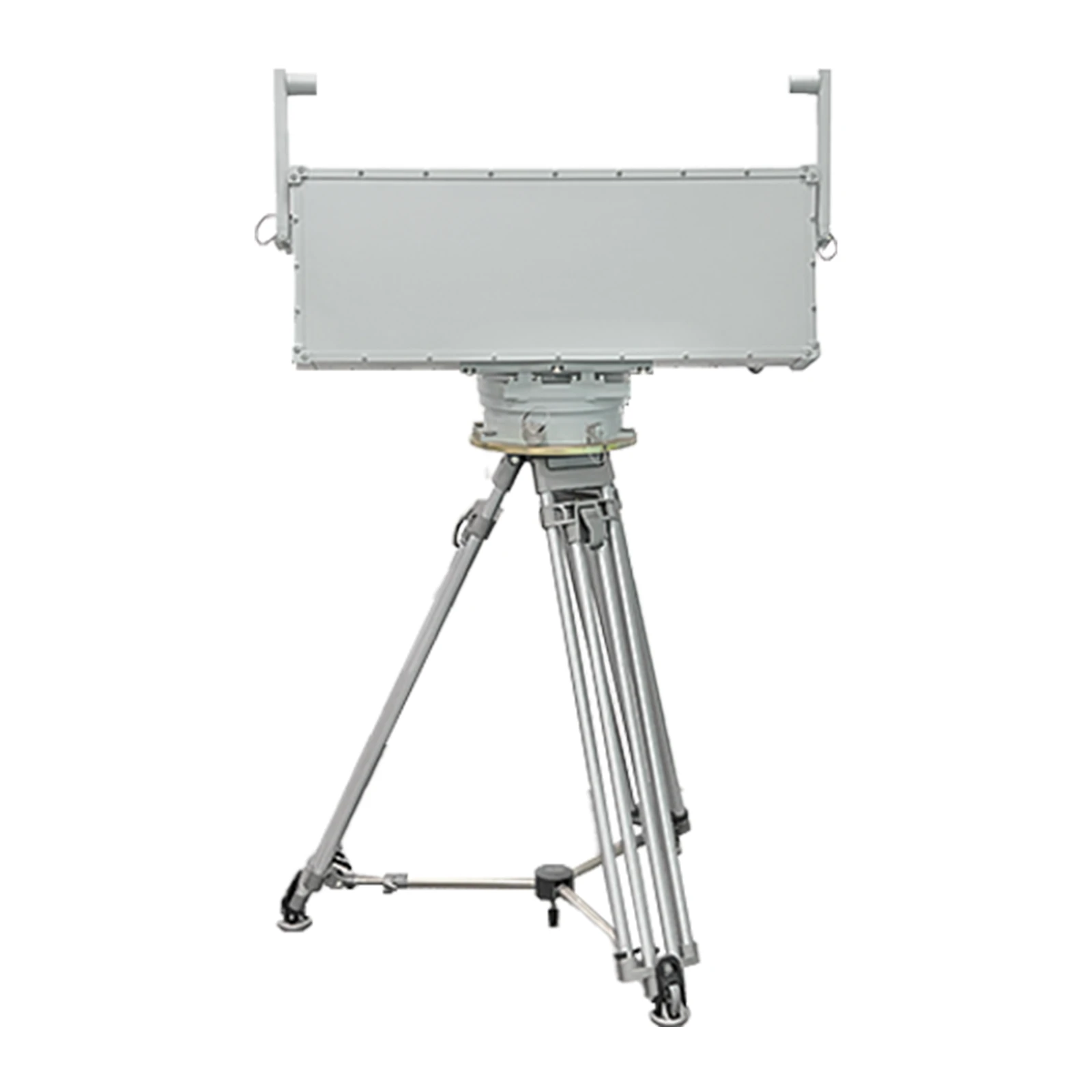
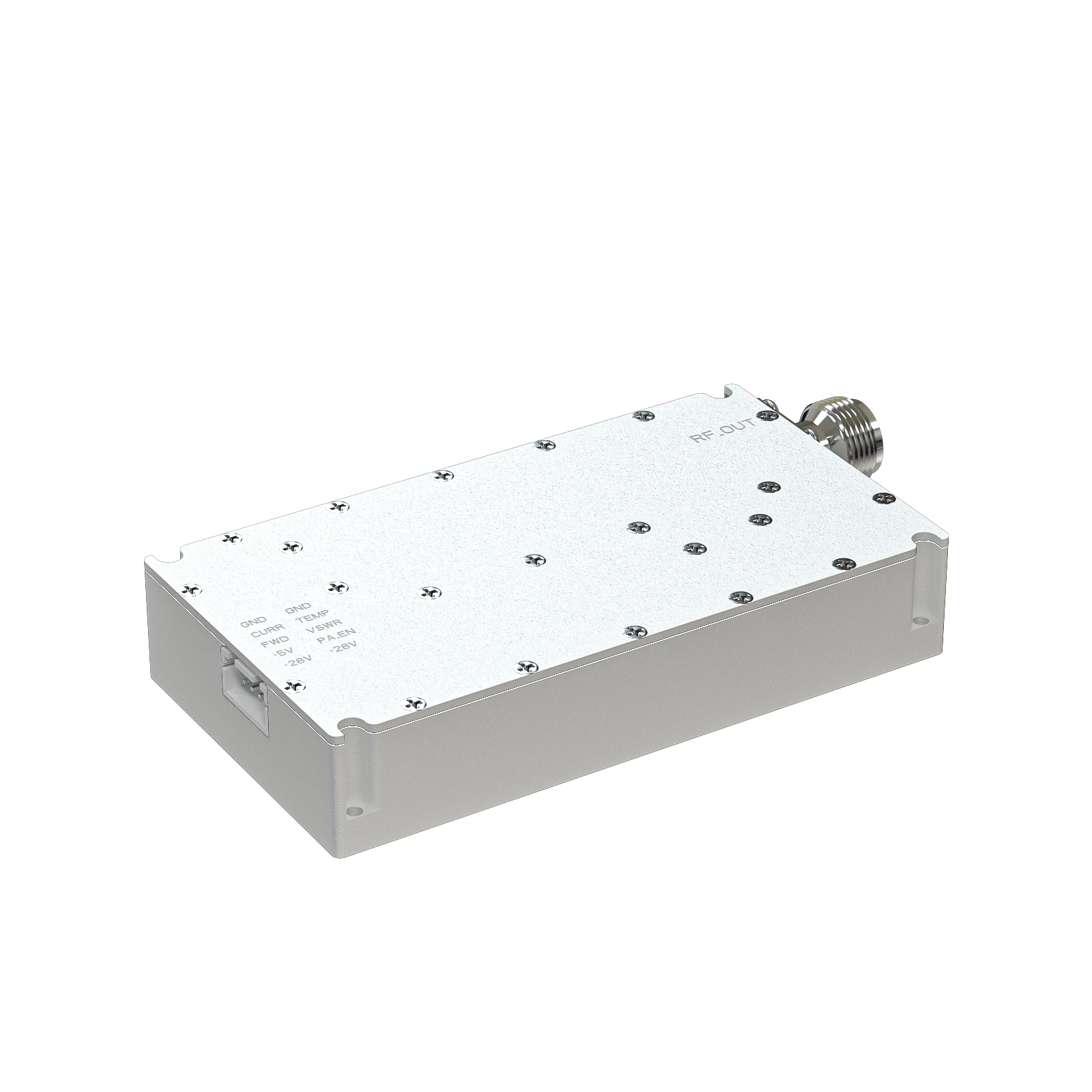
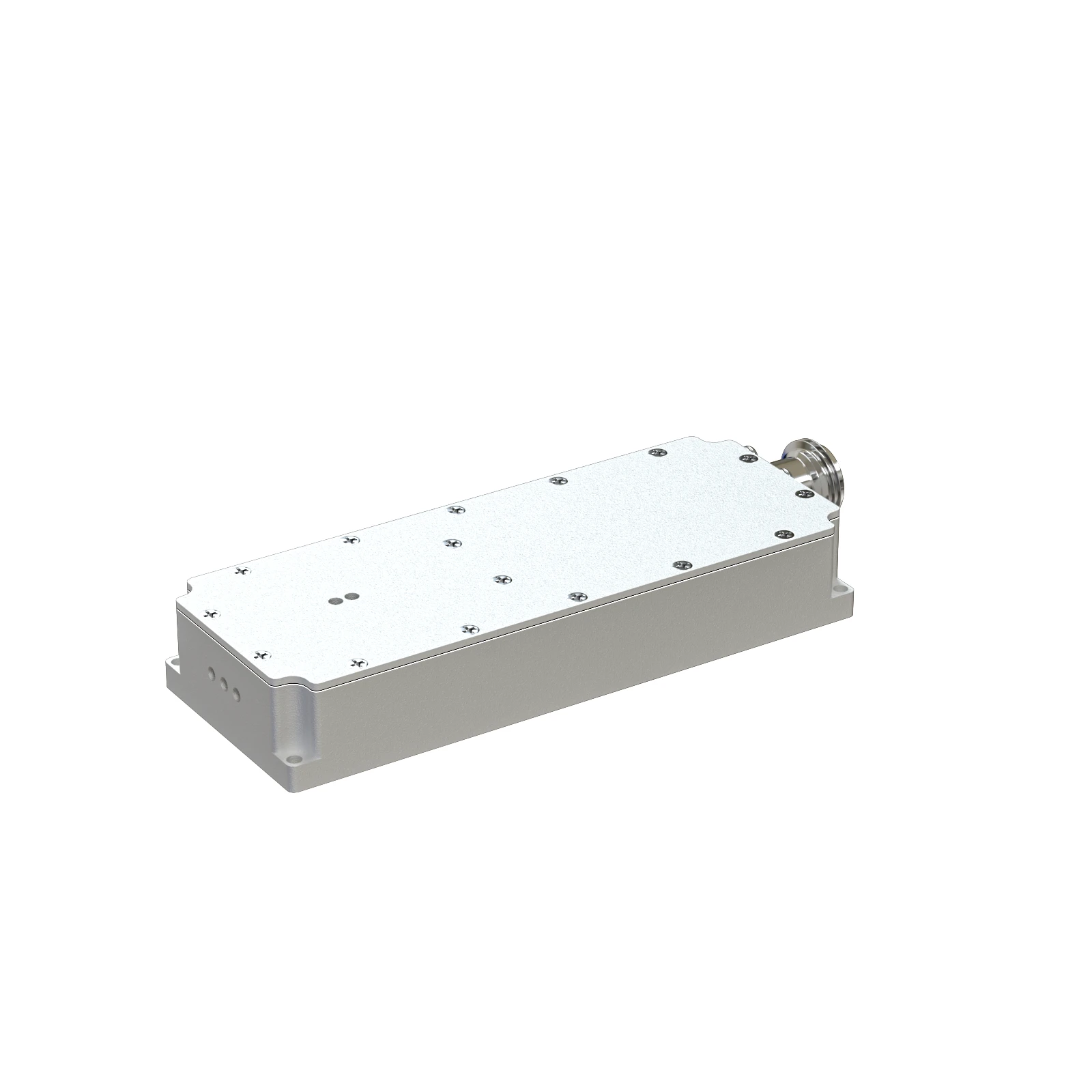
High-Performance Connectivity with cyrf6936 module for Brazil's Industrial Sector

Optimizing wireless data transmission for South America's most demanding environments with professional RF engineering solutions.

High-Performance Connectivity with cyrf6936 module for Brazil's Industrial Sector

Deploying robust, low-latency wireless communication systems across Brazil's diverse terrain using advanced RF transceiver technology.

RF Infrastructure Status in Brazil

Navigating the challenges of wireless transmission in a continental-sized economy.

Brazil's wireless landscape is characterized by extreme geographical diversity, from the dense Amazon rainforest to the sprawling urban centers of São Paulo. This environment requires a highly resilient cellular transceiver module capable of maintaining signal integrity despite high humidity and dense vegetation interference.

The local market is currently seeing a massive shift toward the automation of agribusiness. Farmers in Mato Grosso are increasingly integrating a diy rf module approach for prototype sensor networks to monitor soil moisture and livestock in areas where traditional cellular coverage is inconsistent.

Furthermore, the strict ANATEL regulatory requirements in Brazil necessitate precision in frequency management. Companies are moving away from generic components toward a certified oem rf module to ensure seamless legal compliance and reduced time-to-market for industrial IoT devices.
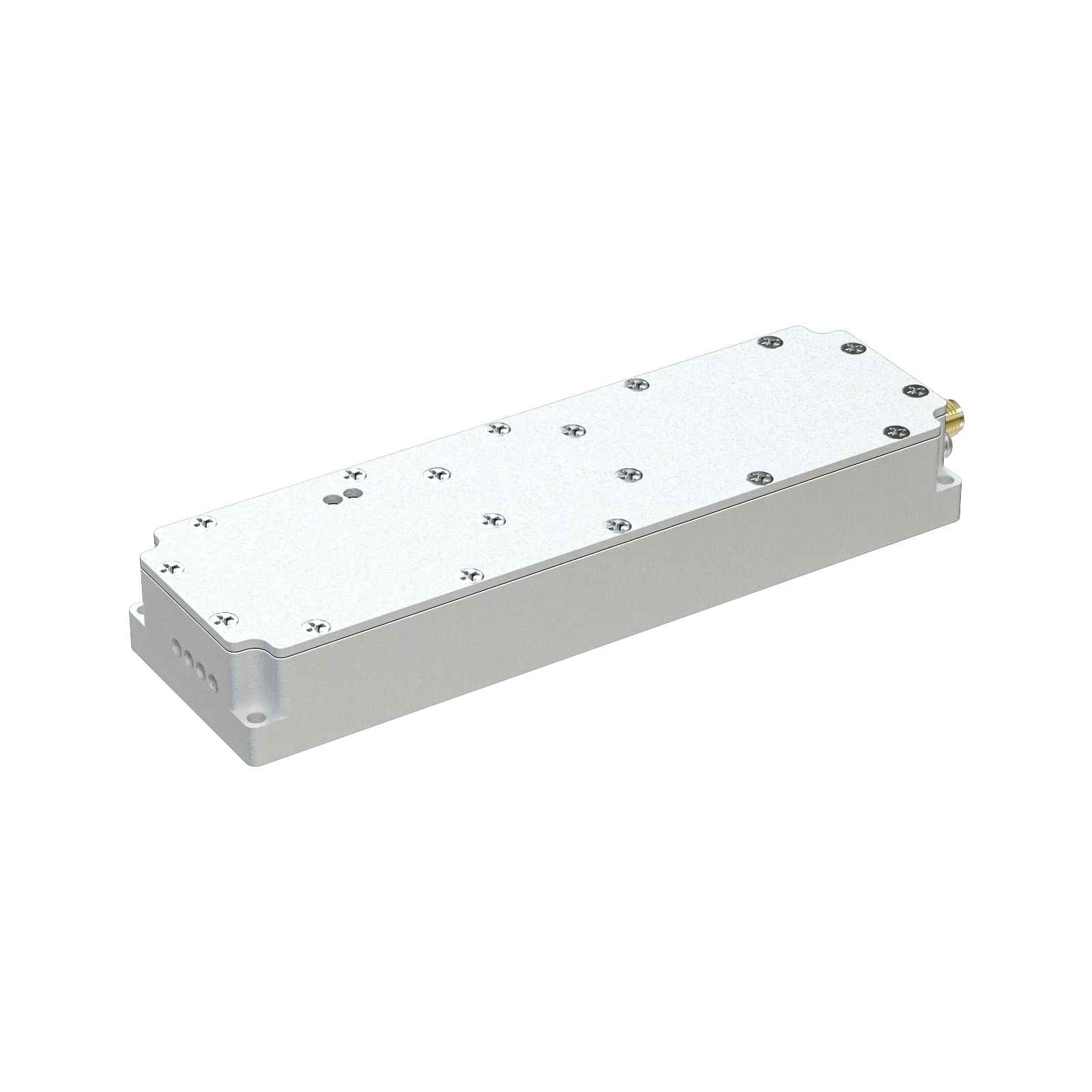
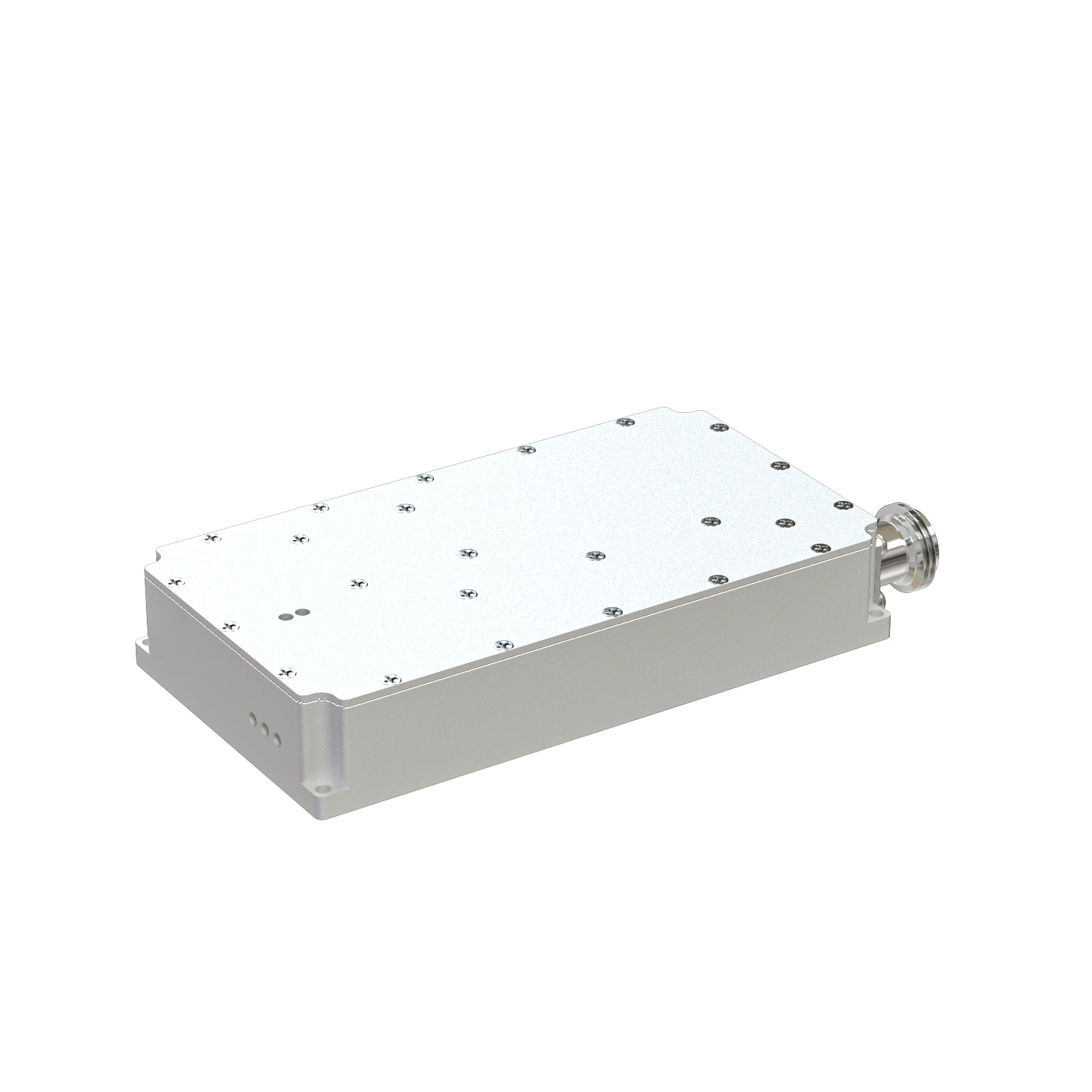
Evolution of Wireless Modules in South America

From basic analog signals to sophisticated digital RF synthesis.

Market Development History

Between 2000 and 2010, Brazil's industrial wireless sector relied heavily on proprietary analog systems. These early iterations lacked the flexibility needed for scaling, leading to fragmented communication silos in the manufacturing sector.

From 2011 to 2018, the transition to digital modulation occurred. The introduction of the cc1120 module allowed for better energy efficiency and frequency agility, enabling the first wave of smart metering and remote telemetry in the energy sector.

Since 2019, the integration of software-defined parameters has become standard. The shift toward high-integration modules has allowed Brazilian engineers to implement complex mesh networks without redesigning the entire hardware stack.

Future Development Trends

AI-Driven Spectrum Management

Integration of AI to dynamically adjust frequencies to avoid interference in congested urban zones like Rio de Janeiro.

Ultra-Low Power LPWAN

Transitioning toward sub-GHz protocols that can penetrate deep foliage in agricultural zones with minimal battery drain.

Edge RF Processing

Moving data filtering from the cloud to the transceiver level to reduce latency in critical industrial safety systems.

Future Outlook for RF Manufacturing

Analyzing the 3-5 year trajectory of wireless communication in Brazil.

Agricultural IoT Expansion
Rapid adoption of RF modules for precision farming in the Cerrado region.
5G-RF Hybridization
Blending short-range RF modules with 5G backhaul for industrial clusters.
Smart City Integration
Implementing RF-based lighting and waste management in Curitiba and Brasilia.
Energy Grid Optimization
Using RF modules for real-time load balancing in the Brazilian hydroelectric grid.

Industry Outlook

Based on Google search trends for "Industrial IoT Brazil" and "RF module wholesale," there is a clear upward trajectory in the demand for customized hardware. Brazilian firms are moving away from off-the-shelf consumer electronics toward industrial-grade components that can withstand the tropical climate.

The next five years will see a convergence of RF technology and satellite connectivity (LEO), where small modules act as local gateways to global networks, bridging the digital divide in the remote interiors of the country.

Localized RF Application Scenarios in Brazil

Practical implementations of wireless technology tailored to the Brazilian landscape.

01. Large-Scale Soybean Plantation Monitoring

Deploying low-power nodes across thousands of hectares in Mato Grosso to track soil moisture and nutrient levels, transmitting data via sub-GHz frequencies to a central hub.

02. Urban Traffic Management in São Paulo

Integrating RF transceivers into traffic light systems to synchronize flow in real-time, reducing congestion in one of the world's most crowded cities.

03. Remote Hydroelectric Dam Telemetry

Using ruggedized RF modules to monitor structural integrity and water levels in remote Amazonian dams where cabling is physically impossible.

04. Livestock Tracking in the Pantanal

Implementing long-range RF tags for cattle tracking to prevent theft and monitor health in the vast wetlands of the Pantanal region.

05. Industrial Automation in Manaus Free Trade Zone

Standardizing warehouse logistics using wireless mesh networks to coordinate automated guided vehicles (AGVs) in electronic assembly plants.

Brand Story

Global Development History of Shenzhen Jiamin Communication Co., Ltd.

Foundational Engineering

Established with a focus on precision RF design, we began by solving basic signal attenuation problems for local industrial clients.

Global Standardization

Expanded our portfolio to meet international CE and FCC standards, allowing our modules to enter the European and American markets.

South American Expansion

Developed specialized RF solutions specifically for the Brazilian market, focusing on humidity resistance and long-range penetration.

IoT Ecosystem Integration

Moved beyond hardware to provide integrated software stacks, enabling faster deployment of smart city and agritech solutions.

Vision for Future Connectivity

Currently pioneering AI-enhanced transceivers to create a truly seamless and autonomous wireless world for our global partners.

Wireless Communication FAQ - Brazil

Expert answers to common technical queries in the RF industry.

How to choose the right cc1120 module for humid environments in Brazil?

For humid regions like the Amazon, we recommend using a cc1120 module with an industrial-grade conformal coating to prevent oxidation and ensure long-term stability.

Is a cellular transceiver module better than LoRa for Brazilian agribusiness?

It depends on the infrastructure. A cellular transceiver module is ideal for areas with tower coverage, whereas LoRa or proprietary RF is better for deep-field deployments.

Can I use a cyrf6936 module for ANATEL certified products?

Yes, the cyrf6936 module is designed for flexibility. However, final certification depends on your overall device design and frequency settings.

What are the benefits of a diy rf module for prototyping in South America?

A diy rf module allows rapid iteration and cost reduction during the R&D phase before committing to mass production.

How does an oem rf module reduce time-to-market for Brazilian OEMs?

An oem rf module provides a pre-tested, stable hardware platform, removing the need for complex circuit design and reducing testing cycles.

What is the typical range of a sub-GHz RF module in dense urban areas?

In urban centers like São Paulo, range is limited by interference. We recommend mesh networking to extend the effective coverage of your RF modules.

Consult Our RF Experts Today

Ready to optimize your wireless infrastructure in Brazil? Our engineering team is here to help you select the perfect module for your project.

Contact Us Now

If you are interested in our products, you can choose to leave your information here, and we will be in touch with you shortly.


en_USEnglish