

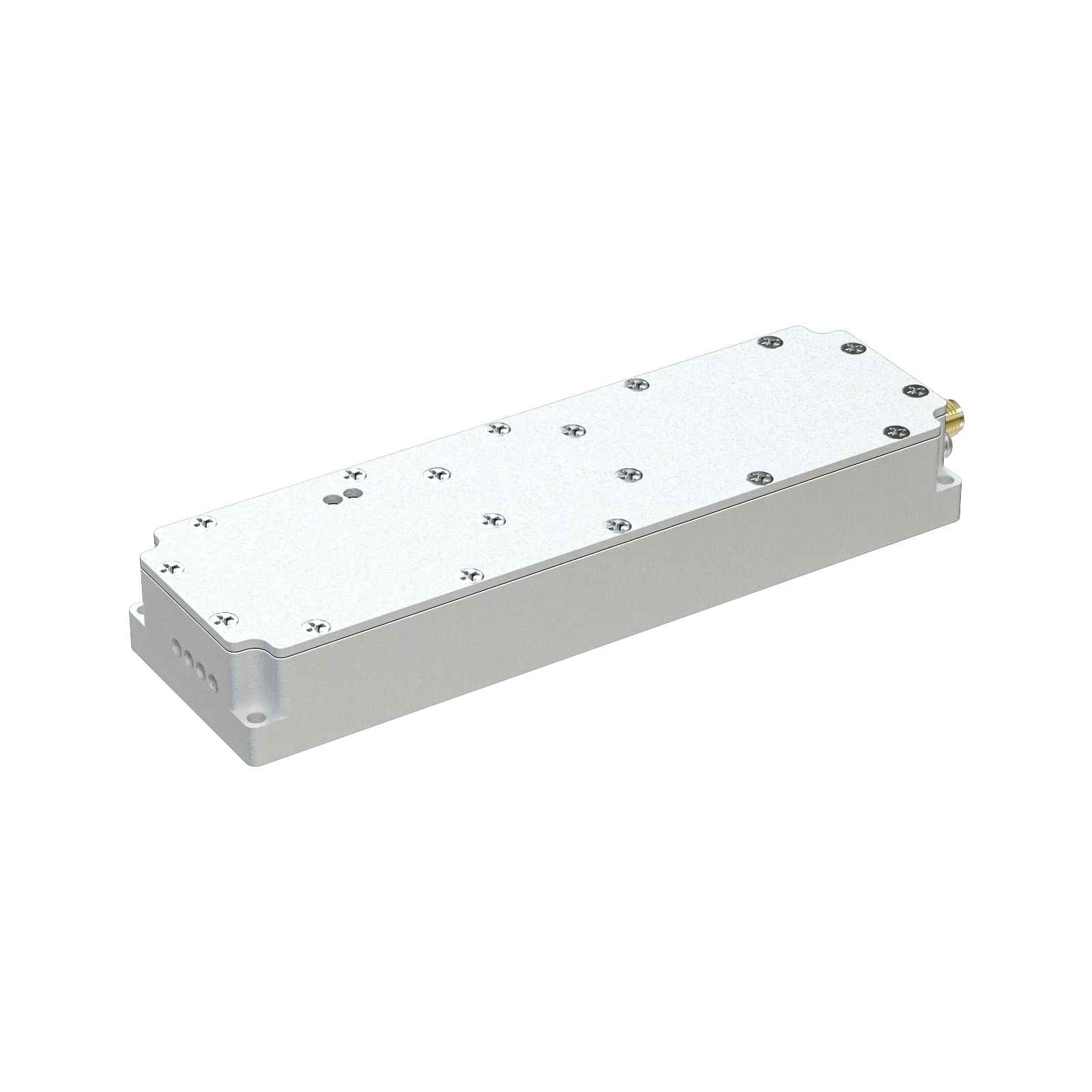
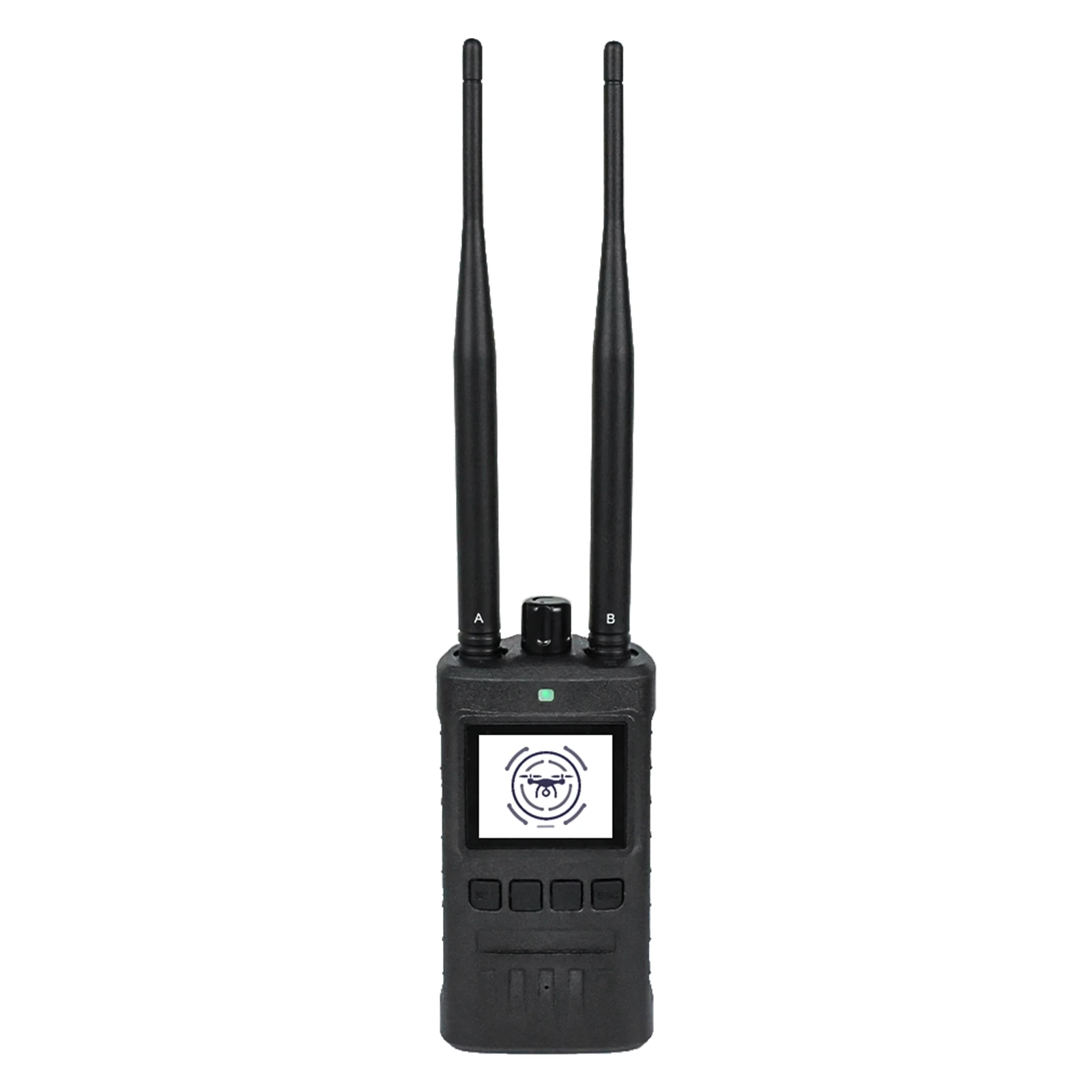
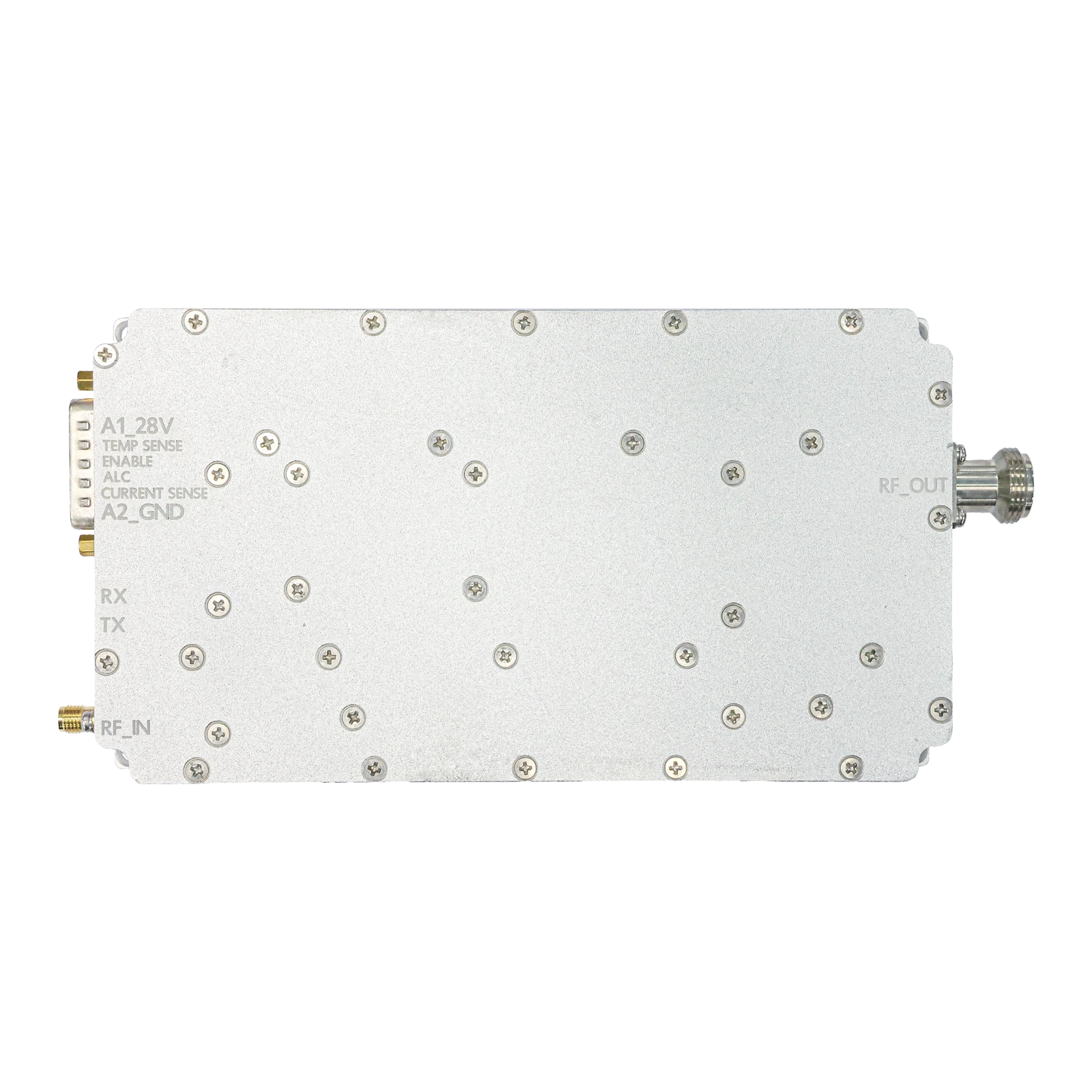
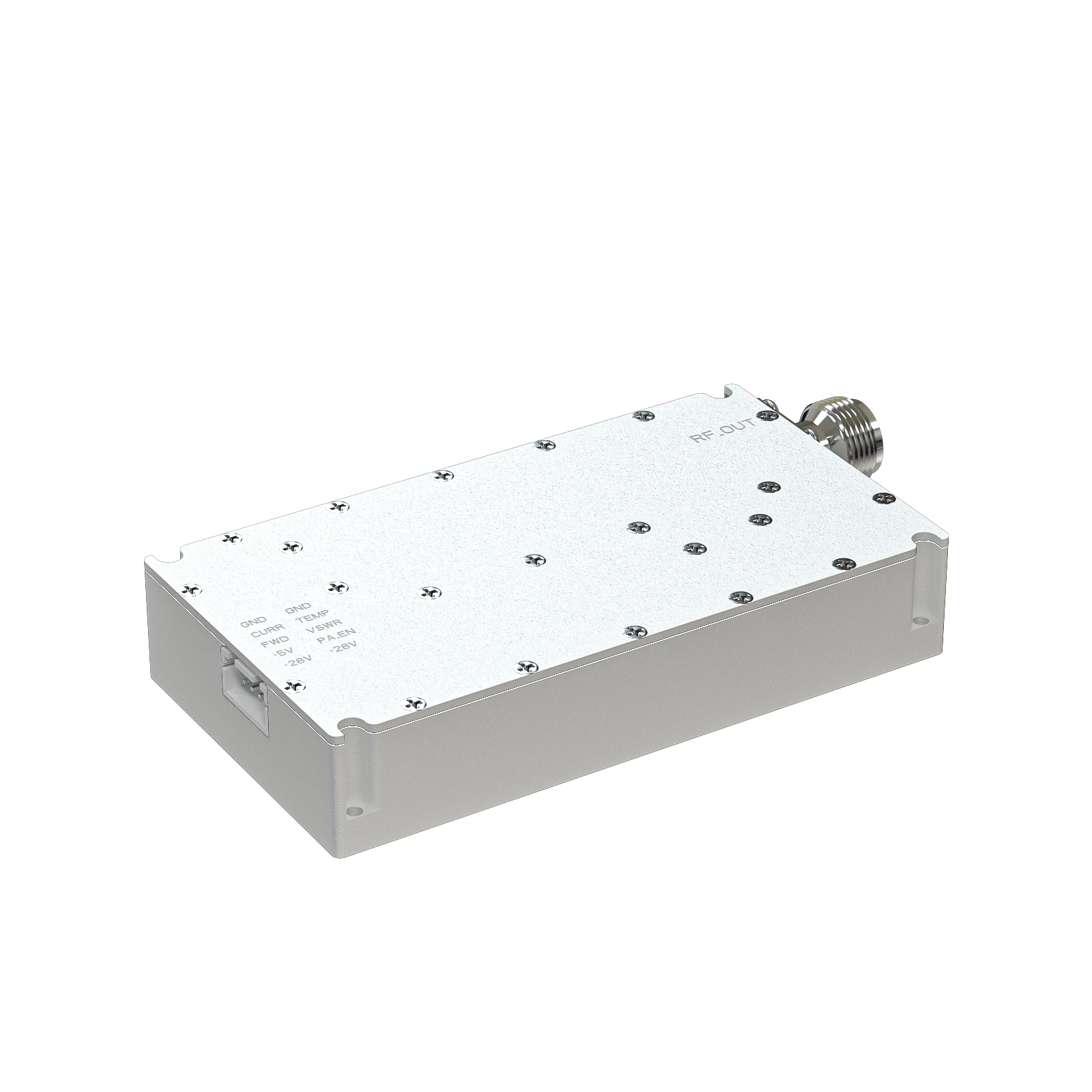
New Zealand's unique topography, characterized by rugged mountains and isolated coastal regions, creates a high demand for specialized cellular transceiver module technology. The reliance on remote monitoring in agriculture and forestry requires signals that can penetrate dense foliage and navigate difficult terrain without significant loss.
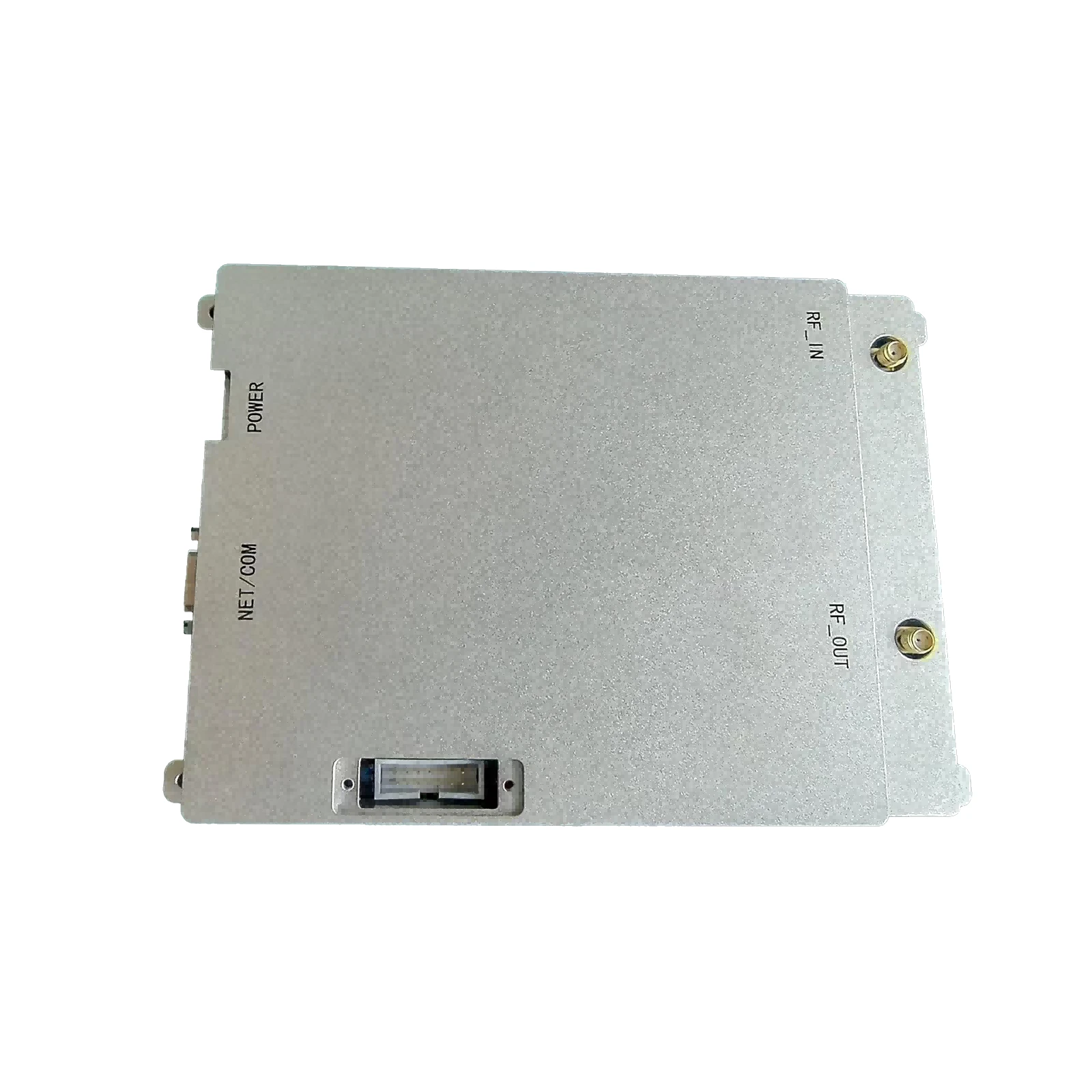
The local market is currently shifting towards decentralized communication hubs. This transition is fueled by the need for autonomous systems in the dairy and viticulture sectors, where a reliable oem rf module provides the necessary stability for large-scale sensor networks across vast farmland.
Furthermore, the strict regulatory environment regarding spectrum usage in New Zealand necessitates high-precision equipment. Engineers are increasingly adopting a diy rf module approach for rapid prototyping of specialized low-power wide-area networks (LPWAN) to optimize energy efficiency in remote weather stations.
 English
  Arabic
  Belarusian
  Danish
  Dutch
Dutch  French
  German
  Greek
Greek  Japanese
  Korean
  Myanmar
  Polish
  Portuguese
  Russian
  Spanish
  Swedish
  Thai
Thai  Ukrainian
  Vietnamese