

Homebrew RF Amplifier: Your DIY Gateway to Reliable Wireless Signals
Why Understanding the Homebrew RF Amplifier Matters Globally
At first blush, a homebrew RF amplifier might sound like something cooked up in a garage by a passionate amateur — which, in a way, it is! But dig a bit deeper and you’ll see why this humble piece of tech increasingly matters on a global scale. From empowering remote communities with better communication signals to enabling researchers and hobbyists to push the boundaries of wireless tech, a homemade RF amplifier serves as both a gateway and a tool.
In a world hungry for connectivity, where even the most distant regions rely on reliable radio signals for emergency services, environmental monitoring, or low-cost data transfer, the homebrew RF amplifier is quietly becoming a savior. Understanding what it is and how it works unlocks new avenues for hands-on innovation and self-sufficiency in communication technology.
The Bigger Picture: The Global Context of RF Amplification
Globally, radio frequencies underpin much of our wireless infrastructure. According to the International Telecommunication Union (ITU), over 90% of the world’s population now has access to mobile broadband. But, oddly enough, many areas—particularly in developing nations or isolated terrains—still struggle with signal strength and coverage.
This is where a homebrew RF amplifier becomes relevant: it tackles the bottleneck of weak signal reception and transmission by boosting radio frequency signals. Take the example of disaster zones—where power can be scarce and commercial equipment is either too expensive or unavailable — the ability to construct a signal amplifier on-site can literally be a lifesaver.
So What is a Homebrew RF Amplifier Anyway?
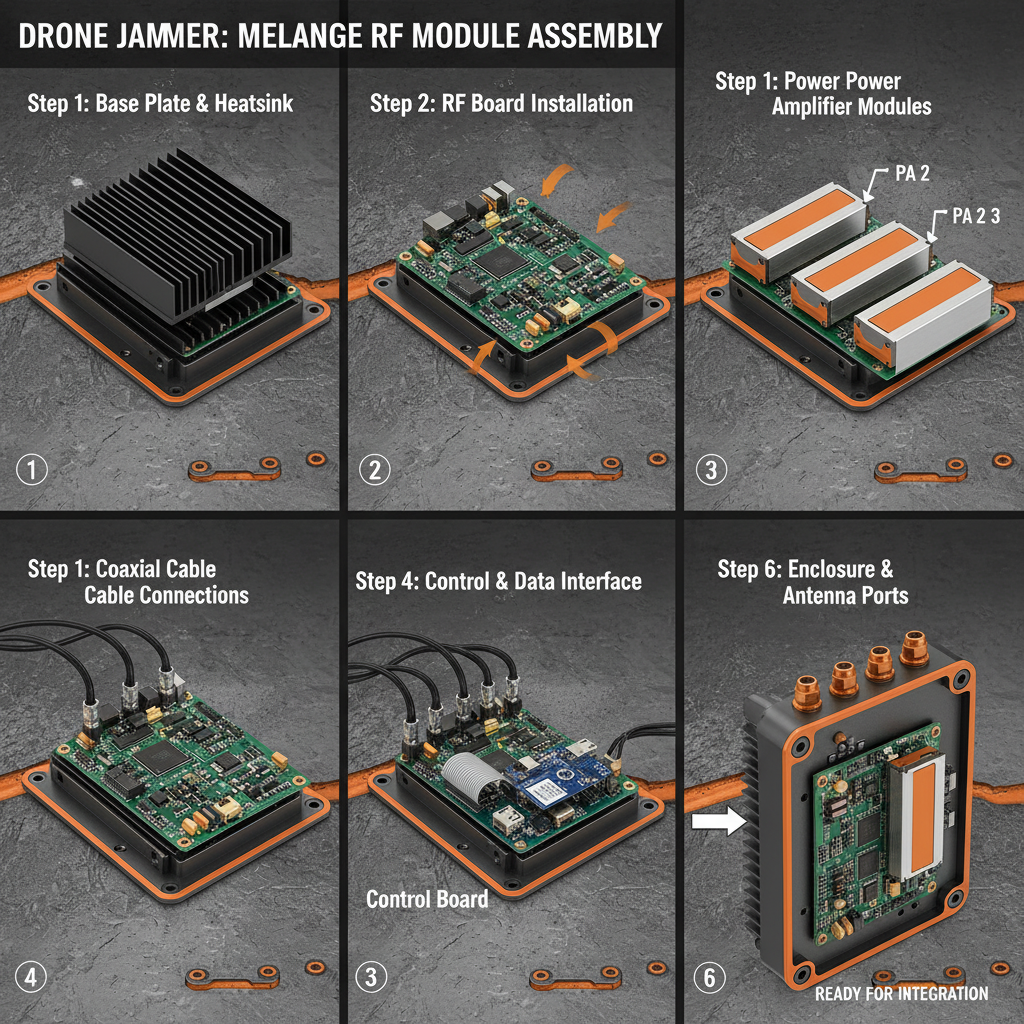
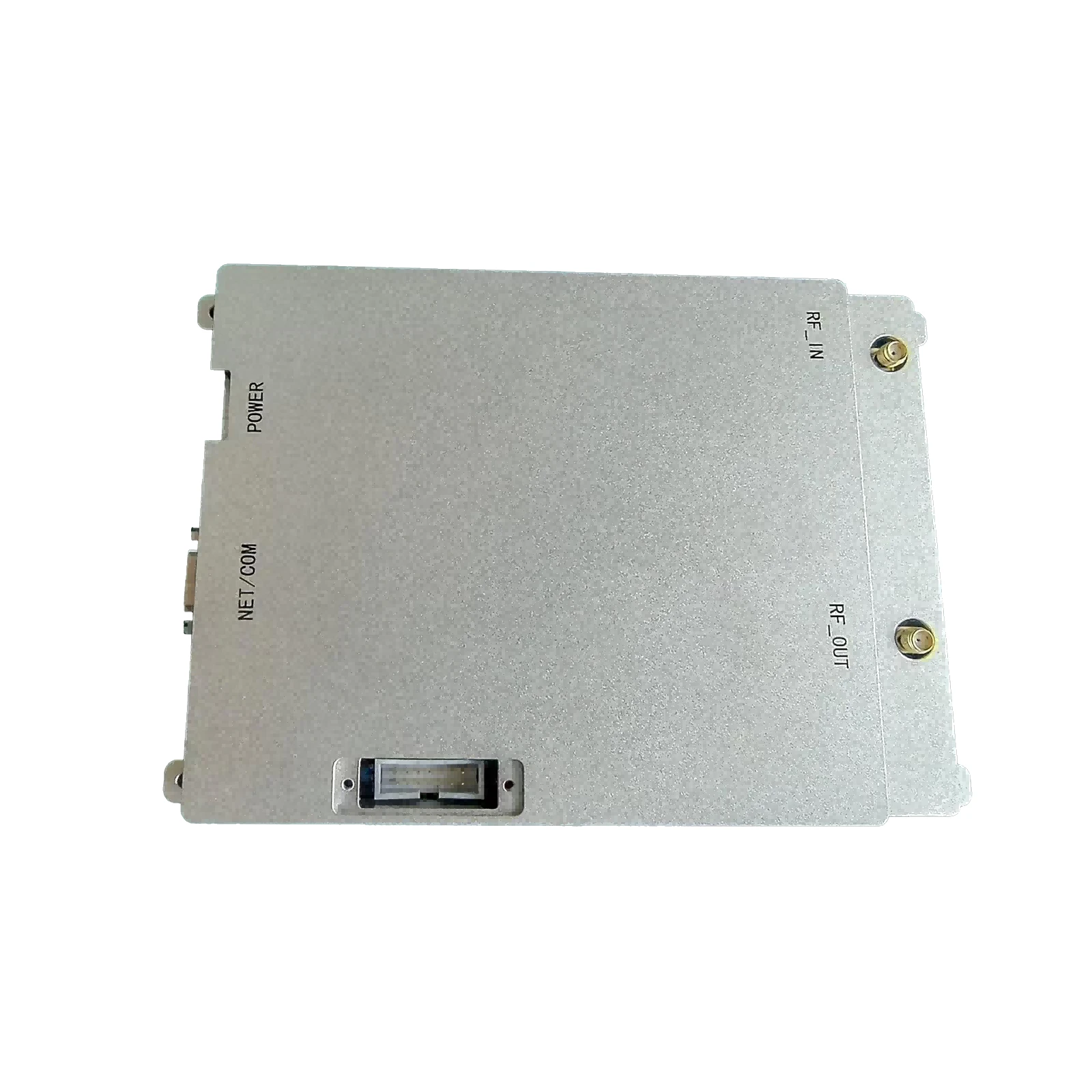
Simply put: It’s an electronic circuit designed to increase the power of radio frequency (RF) signals, assembled outside of conventional factory settings. “Homebrew” underscores the DIY spirit behind it, with components sourced or salvaged and a custom design that suits specific communication needs.
These amplifiers find uses ranging from ham radio enthusiasts tweaking signals for long-distance chatter, to field engineers patching together solutions for remote IoT devices, to research labs testing new wireless transmission methods without breaking the bank. They’re kind of the Swiss Army knife of RF tech.
Key Components and Features to Know
1. Frequency Range and Bandwidth
The frequency range is the slice of the spectrum the amplifier can boost reliably. Practical homebrew amplifiers frequently cover ranges from VHF (30 MHz) up to UHF (a few GHz). The bandwidth — how wide the frequency band the amplifier supports — impacts versatility. Narrowband units might excel in one defined channel, while broadband designs can handle multiple.
2. Gain
“Gain” translates roughly to how much the amplifier boosts the incoming signal. Many homebrew amplifiers comfortably achieve 20 to 40 dB gain, depending on the design and components. Too much gain without proper filtering can create noise, so a balance is key here.
3. Power Handling and Supply
Amplifiers need power, of course. Homebrew builds often employ DC power supplies from batteries or adapters, with power consumption varying widely. Some designs prioritize low-power operation to fit battery-powered setups, important in remote areas.
4. Stability and Filtering
Since RF signals can be tricky, good designs include stabilization circuits and filters to prevent oscillations or unwanted distortion, ensuring clearer signals.
5. Build Materials and Components
The journey usually involves off-the-shelf transistors (FETs, BJTs), inductors, capacitors, and sometimes commercially available modules. Sometimes the challenge is simply sourcing the right parts.
Mini takeaway:
At its core, a homebrew RF amplifier is a tailored, hands-on tool — designed to step signal quality up a notch, especially when commercial gear is impractical or beyond reach.
Where Are Homebrew RF Amplifiers Actually Used?
The global applications are surprisingly diverse.
- Remote Telecommunications: In parts of Africa and Asia, small-scale amplifiers help boost signals for internet hotspots or cellular repeaters, bridging digital divides.
- Amateur Radio: Enthusiasts experiment with designs to reach distant stations or contest on rare frequencies, nurturing a culture of innovation.
- Disaster Relief: After earthquakes or hurricanes, emergency responders sometimes employ improvised RF setups to restore vital communication swiftly.
- Scientific Research: Field researchers studying wildlife tracking or atmospheric data use custom amplifiers to pick up weak telemetry signals.
- Industrial Settings: Remote sensing and IoT networks in mining or oil fields rely on boosted RF signals to maintain consistent data flow in harsh conditions.
Regions with limited infrastructure or logistics challenges benefit the most, where commercial RF equipment is prohibitively expensive or slow to arrive.
The Advantages That Keep Engineers Coming Back
Why lean into homebrew RF amplifiers rather than mass-produced options?
- Cost Efficiency: Building your own often cuts costs drastically—no hefty brand premium or shipping fees.
- Customization: Tailor the amplifier exactly to your frequency, gain, and power needs.
- Learning and Innovation: For amateurs and pros alike, the hands-on experience deepens understanding and inspires new ideas.
- Rapid Deployment: When time is of the essence—think disaster zones or field experiments—making an amplifier right there & then trumps wait times.
- Sustainability: Salvaging parts or repurposing old components reduces waste and environmental impact.
It’s not just about saving a buck; it’s about resilience. When the system’s down or supply chains falter, being able to whip up your own RF amplifier feels... reassuring.
Product Specification Table
| Specification | Typical Homebrew RF Amplifier | Commercial Equivalent |
|---|---|---|
| Frequency Range | 100 MHz - 1 GHz | 50 MHz - 3 GHz |
| Gain | 25-35 dB | 30-40 dB |
| Power Input | 12 V DC (battery compatible) | 24 V DC / AC |
| Noise Figure | ~4 dB | |
| Size | Compact, ~10x8x3 cm | Varies, handheld to rack mount |
| Cost | ~$25-$100 (DIY) | $150-$1000+ |
What Future Innovation Holds for Homebrew RF Amplifiers
Thanks to advances in semiconductor technology, miniaturization, and open-source hardware designs, the next generation of homebrew RF amplifiers could be smarter, more efficient, and greener.
Emerging materials like gallium nitride (GaN) chips promise better power efficiency and heat management, even in DIY-friendly formats. Plus, micro-controller integrations enable adaptive gain control and digital filtering, with open-source firmware driving customizable performance tweaks.
From a sustainability angle, using recycled circuit boards and low-impact components aligns with global pushes toward greener electronics, demands from institutions like ISO 14000 standards.
Common Challenges and How to Beat Them
Of course, it’s not all smooth sailing. Many builders face these hurdles:
- Component Sourcing: Not all parts are easily available worldwide, which can stall the build.
- Complex Design: RF amplifiers require careful impedance matching and filtering; a small mistake can degrade performance or cause instability.
- Testing Facilities: Without proper measurement tools, tuning is guesswork.
Solutions hang on sharing knowledge — online hobbyist communities and repositories help a lot — and leveraging affordable test gear like software-defined radios (SDRs) makes verification much easier today.
Vendor Comparison: Homebrew vs. Commercial Alternatives
| Feature | Homebrew RF Amplifier | Commercial Supplier |
|---|---|---|
| Price | Low (budget-friendly) | Moderate to High |
| Build Time | Hours to Days | Minutes (plug & play) |
| Reliability | Variable (user dependent) | High (tested rigorously) |
| Customization | Extensive (totally adjustable) | Limited (fixed specs) |
| Learning Experience | High (hands-on) | Low (ready made) |
Frequently Asked Questions About Homebrew RF Amplifiers
1. How difficult is it to build a homebrew RF amplifier for a beginner?
While it’s not a snap-your-fingers project, many hobbyists with basic electronics knowledge can assemble a simple RF amplifier using readily available kits or detailed guides. The key challenges lie in understanding RF principles and careful soldering. Starting with low-power designs helps build confidence before jumping into more complex builds.
2. Can a homebrew RF amplifier outperform commercial products?
In some niche cases, yes—especially if the amplifier is custom-tailored for a specific application or frequency. However, commercial amplifiers generally undergo rigorous testing and quality control, ensuring consistent reliability and performance. Homebrew builds shine when flexibility and cost savings matter most.
3. What safety precautions should I take while building one?
Always work in a well-ventilated area, use proper anti-static measures, and double-check all connections before powering up. RF signals at high power can cause interference, so avoid unauthorized transmissions and comply with local regulations.
4. Are there open-source designs available for homebrew RF amplifiers?
Yes, various online communities, including ham radio forums and open-hardware repositories, share schematics and build instructions openly. Platforms like GitHub often host these projects, enabling learning and collaboration worldwide.
5. How do I test and tune my homemade amplifier for best results?
Using an SWR meter or a spectrum analyzer can help you match impedance and verify signal gain. For beginners, software-defined radios (SDRs) are cost-effective tools to visualize your signal, catch unwanted noise, and adjust accordingly.
Wrapping It Up: Why It Pays to Know Your Homebrew RF Amplifier
To circle back, the homebrew RF amplifier isn’t just a sprinkle of technical wizardry for a niche crowd. It’s a symbol of accessible innovation, resilience in challenging environments, and a stepping stone to connecting the unconnected. With ongoing advancements, it will continue to empower engineers, hobbyists, and responders worldwide.
If you’re keen to explore hands-on RF solutions or want to dive deeper into custom communications gear, visit our website — we’re always sharing tips, parts, and user stories at https://www.drone-system.com.
References & Further Reading

-
 09 March 2021 16 Apr 2026
 -
 09 March 2021 09 Apr 2026
 -
 09 March 2021 07 Apr 2026
 -
 09 March 2021 04 Apr 2026
 -
 09 March 2021 31 Mar 2026
-
 09 March 2021 21 May 2025
 -
 09 March 2021 25 Dec 2024
 -
 09 March 2021 14 Oct 2022
-
 09 March 2021 25 Dec 2024

 English
  Arabic
  Belarusian
  Danish
  Dutch
Dutch  French
  German
  Greek
Greek  Japanese
  Korean
  Myanmar
  Polish
  Portuguese
  Russian
  Spanish
  Swedish
  Thai
Thai  Ukrainian
  Vietnamese