

Understanding High Power UHF Amplifiers - Global Applications & Innovations
Understanding High Power UHF Amplifiers: Why They Matter Globally
At first glance, the phrase high power UHF amplifier can sound like jargon reserved for engineers in laboratory coats. Yet, the technology behind these amplifiers pulses through industries and infrastructures worldwide, quietly enabling reliable communication, radar, broadcasting, and much more. With the ever-growing demand for faster, more resilient wireless networks—especially in remote and challenging environments—understanding these amplifiers is no longer optional. It’s about ensuring lives stay connected, economies keep humming, and critical information flows uninterrupted across borders.
From humanitarian aid agencies working in disaster zones to cutting-edge industrial sites in the outskirts of the globe, these amplifiers carry signals that can mean the difference between chaos and order, between isolation and inclusion. In this article, we’ll journey through what these amplifiers are, why they hold global significance, their core features, practical applications, and a sneak peek at where the future might take us.
Global Context: The Growing Need for High Power UHF Amplifiers
The UHF (Ultra High Frequency) band, generally spanning 300 MHz to 3 GHz, supports a huge chunk of modern wireless communication, including television, mobile networks, and radar systems. According to the International Telecommunication Union (ITU), global wireless data traffic has grown exponentially—doubling roughly every two years—and this surge only intensifies the demand for powerful and efficient amplification devices.
High power UHF amplifiers tackle a persistent problem: signal loss over long distances and in environments saturated with interference. Think of broadcast towers beaming TV signals across wide counties or emergency responders coordinating over challenging terrain—without robust amplification, communication breaks down. Frankly, in an age where connectivity can impact everything from economic development to disaster response, these devices are anything but trivial.
Mini takeaway: The expanding wireless landscape worldwide places high importance on reliable high power UHF amplification to maintain strong, clear communication.
What Exactly Is a High Power UHF Amplifier?
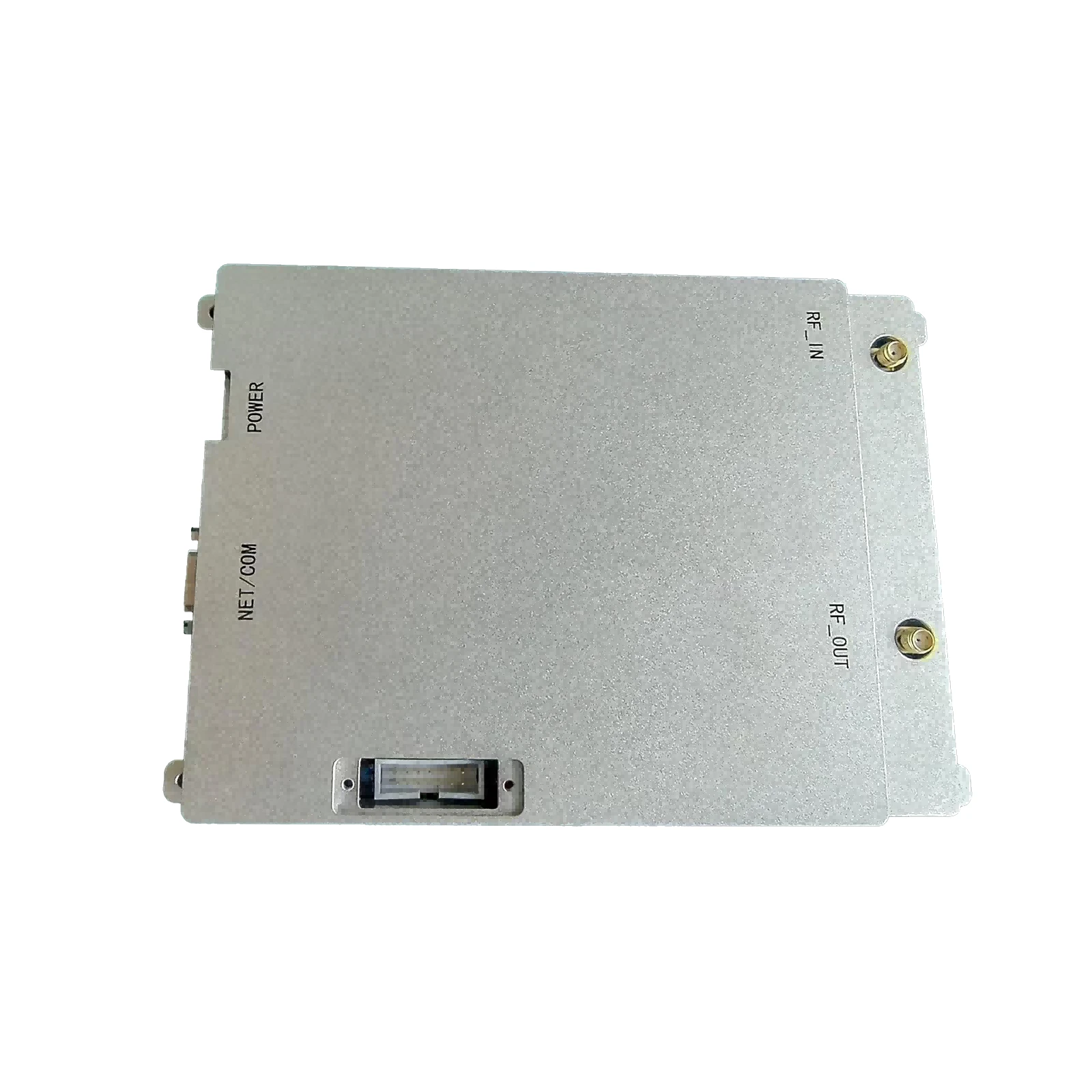
Simply put, a high power UHF amplifier is an electronic component or system designed to boost radio frequency (RF) signals in the UHF spectrum to much higher power levels. This ensures that the signal can travel further and maintain quality, minimizing the effects of attenuation and interference. These amplifiers are the backstage heroes in many systems—be it military radar, satellite uplinks, or remote broadcasting stations—providing the muscle behind the signal’s reach.
Its connection to modern-day industry is vast. For example, in humanitarian relief scenarios, such amplifiers can enhance communication ranges for teams coordinating aid in rugged terrain or disaster aftermaths. In the industrial sphere, they support automated monitoring systems in remote oil rigs or mines.
Mini takeaway: High power UHF amplifiers empower diverse industries by stretching the reach and clarity of crucial wireless signals.
Core Components & Key Factors
1. Power Output Capability
At the heart of any high power UHF amplifier is its ability to output significant signal strength. This is what enables signals to cover long distances or punch through obstacles. Typically rated in watts or kilowatts, the power output needs to balance performance with efficiency and hardware constraints.
2. Frequency Stability and Range
Maintaining consistent performance over a broad UHF frequency range (e.g., 300 MHz to 3 GHz) is a critical factor. Fluctuations can cause distortion or signal loss, which in real terms could mean lost data or poor broadcast quality.
3. Durability in Harsh Environments
Many applications call for amplifiers that withstand temperature extremes, moisture, dust, and mechanical shocks. Rugged casings and robust internal components are not luxuries but necessities, especially in field or military deployments.
4. Efficiency and Heat Dissipation
High power amplifiers must convert electrical input into radio waves efficiently to limit wasted heat. Effective cooling systems—whether fans, heatsinks, or even advanced liquid cooling—are often integral.
5. Scalability and Modularity
In many cases, scalability matters. Systems might require chaining or combining amplifiers to meet rising demand or transitioning to newer frequency bands without full replacement.
6. Cost Effectiveness
Given the complexity and demanding specs, balancing cost without sacrificing quality or longevity is always a tightrope walk.
Mini takeaway: The interplay of output power, stability, durability, and efficiency defines the practical value of a high power UHF amplifier.
Global Applications & Use Cases
Real-world applications span continents and sectors:
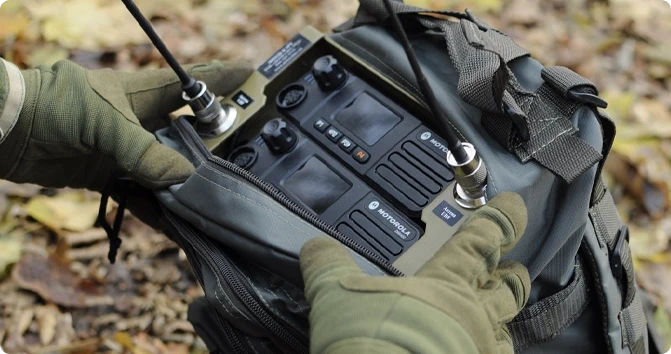
- Disaster Response: In post-earthquake or hurricane zones, communication networks often collapse. Portable high power UHF amplifiers can rapidly restore critical communication for emergency teams.
- Broadcasting: National and regional TV and radio stations rely on these amplifiers to distribute signals broadly and reliably.
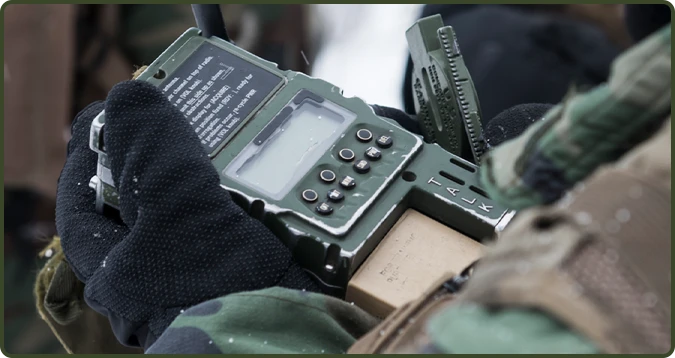
- Military & Defense: Radar and secure communication systems frequently employ custom high power UHF amplifiers designed for stealth, resilience, and performance.
- Remote Industrial Sites: Oil platforms, mining operations, and even agricultural monitoring stations in remote areas use such amplifiers linked to wireless sensor networks or control systems.
- Space & Satellite: Uplink transmitters require extremely robust high power amplification stages to communicate with satellites or space stations.
Oddly enough, regions like Sub-Saharan Africa and parts of Southeast Asia are ramping up demand, addressing connectivity gaps and supporting digital transformations of infrastructure — progressing far beyond the “wireless luxury” status to essential infrastructure.
Mini takeaway: The breadth of applications highlights how indispensable high power UHF amplifiers have become in safety, industry, and communication worldwide.
Product Specification Table for a Typical High Power UHF Amplifier
| Specification | Typical Range/Values | Notes |
|---|---|---|
| Frequency Range | 300 MHz – 3 GHz | Covers broad UHF band |
| Output Power | 50 W – 5 kW | Varies by model/application |
| Power Supply | 110V/220V AC or DC options | Flexible input configurations |
| Efficiency | 35% – 60% | Dependent on design and cooling |
| Operating Temp. | -20°C to +60°C | Suitable for harsh environments |
| Cooling System | Forced air or liquid | Depends on power rating |
Vendor Comparison: Key Players in High Power UHF Amplifiers
| Vendor | Max Output Power | Price Range | Special Features | Ideal Use Cases |
|---|---|---|---|---|
| AmplifyTech | 3 kW | $15k - $35k | Modular design, efficient cooling | Broadcasting, industrial |
| SignalBoost Co. | 5 kW | $25k - $50k | Rugged cases, remote monitoring | Emergency, defense |
| EcoWave | 2 kW | $10k - $20k | Energy efficient, sustainable materials | Remote industrial, green projects |
Advantages & Lasting Value of High Power UHF Amplifiers
It’s tempting to think purely in specs and price tags, but the benefits of these amplifiers ripple far beyond numbers:
- Cost-Effectiveness in the Long Run: Reliable amplification reduces the need for costly repeaters or infrastructure duplication.
- Sustainability: Modern designs focus on energy efficiency, minimizing environmental footprints especially in remote, off-grid deployments.
- Enhanced Safety & Trust: Emergency services and military rely on this tech for clear, uninterrupted comms that save lives.
- Social Impact: Connecting communities in remote or underserved areas, enabling access to education, health info, and commerce.
In all this, high power UHF amplifiers instill a sense of resilience. It kind of feels like the unsung backbone of effective wireless communications.
Looking Ahead: Trends & Innovations to Watch
The industry isn’t standing still. Engineers and researchers are developing:
- GaN (Gallium Nitride) Technology: Delivering greater power efficiency and heat tolerance, pushing amplifiers into new performance realms.
- Smart Amplifiers: Integration with IoT and remote diagnostics means real-time monitoring prevents failures before they hit.
- Eco-Friendly Designs: Use of recyclable materials, solar-powered units, and minimal energy consumption align with global sustainability goals.
- Digital Transformation: Amplifiers that handle intricate digital signal processing without compromising integrity.
Challenges & Solutions
Besides the usual suspects—cost, heat dissipation, and durability—there’s the challenge of interference management in crowded RF environments. Some vendors are experimenting with adaptive filtering and dynamic frequency tuning to keep signals clean. Not perfect, but directionally promising.
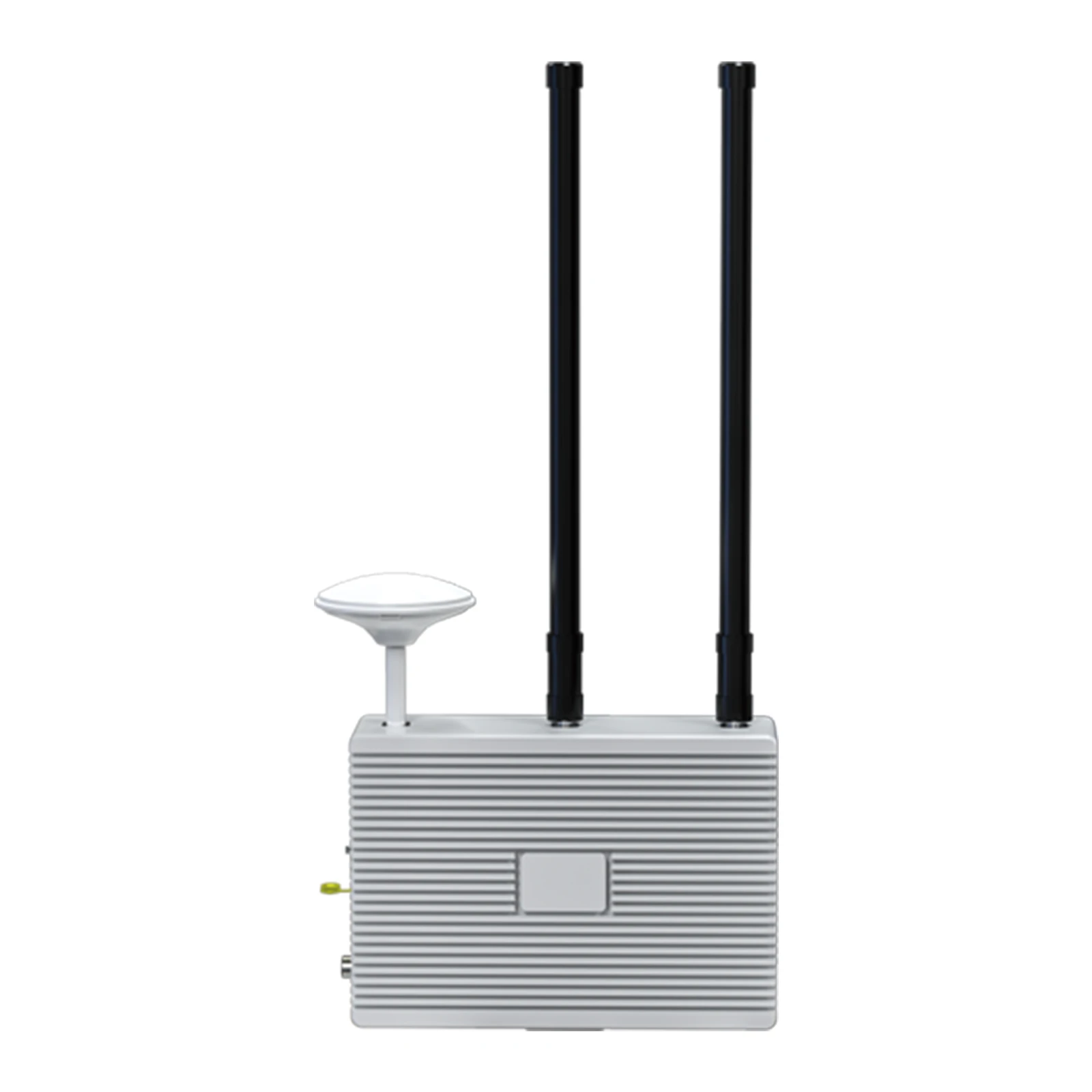
Another hurdle is deployment logistics for remote or disaster-prone areas—transporting bulky equipment is a pain. Portable, lightweight designs with quick-setup features are gaining ground. If you want to dive deeper, consider looking at high power uhf amplifier solutions integrated with portable networks.
FAQ: Frequently Asked Questions About High Power UHF Amplifiers
- What factors determine the output power of a high power UHF amplifier?
- The output power generally depends on the amplifier's design, component quality, and intended use-case—ranging from tens of watts for local applications to several kilowatts for broadcasting or military radar. Higher power often means more heat and power consumption, so it's a balance.
- How do I choose the right amplifier for harsh outdoor environments?
- Look for ruggedized casings with IP ratings for dust and water resistance, extended operating temperature ranges, and reliable cooling systems. Some models also offer corrosion-resistant materials ideal for coastal or industrial zones.
- Can these amplifiers be scaled for larger communication networks?
- Yes, many high power UHF amplifiers are designed modularly. You can combine units or upgrade to cover wider frequency ranges and power outputs as your network grows.
- Are there energy-efficient options for remote deployments?
- Definitely. Advances like GaN technology and efficient cooling systems reduce power consumption. Some units even support solar power configurations, perfect for off-grid use.
- How quickly can I deploy a high power UHF amplifier in an emergency?
- That varies by model and preparation, but many modern portable amplifiers are designed for rapid setup within hours or even minutes, enabling swift communication restoration where it's needed most.
Wrapping it Up: Why Invest in High Power UHF Amplifiers?
In a world where connectivity is becoming the lifeblood of everything from business to emergency response, investing in quality, reliable high power UHF amplifiers isn’t just smart—it's essential. They offer a blend of power, precision, durability, and scalability that answers immediate needs and anticipates future challenges.
For those ready to explore products or gain deeper technical insights, visit us at https://www.drone-system.com—because staying connected is more than an option; it’s a global imperative.
References

-
 09 March 2021 16 Apr 2026
 -
 09 March 2021 09 Apr 2026
 -
 09 March 2021 07 Apr 2026
 -
 09 March 2021 04 Apr 2026
 -
 09 March 2021 31 Mar 2026
-
 09 March 2021 21 May 2025
 -
 09 March 2021 25 Dec 2024
 -
 09 March 2021 14 Oct 2022
-
 09 March 2021 25 Dec 2024

 English
  Arabic
  Belarusian
  Danish
  Dutch
Dutch  French
  German
  Greek
Greek  Japanese
  Korean
  Myanmar
  Polish
  Portuguese
  Russian
  Spanish
  Swedish
  Thai
Thai  Ukrainian
  Vietnamese