

High Performance Architecture for RF Systems – Durable, Scalable, and Sustainable Solutions
Understanding HPA RF: Why It Matters in Today's World
You might have stumbled upon the term hpa rf in tech circles or humanitarian discussions, wondering what exactly it means and why it’s suddenly becoming such a hot topic. To put it simply, HPA RF stands for High-Performance Architecture for Radio Frequency systems, a technological framework or approach that’s critical in deploying efficient, durable, and scalable RF equipment. Globally, the demand for resilient communication infrastructure has never been more pressing — especially in remote regions, disaster-stricken areas, and fast-growing industrial zones. Understanding hpa rf unlocks key insights into building systems that ensure connectivity, safety, and operational continuity under all sorts of challenging conditions.
Frankly, in a world moving ever faster, with IoT, 5G, and remote operations thriving, the role of hpa rf solutions is only going to grow.
The Global Context: Why HPA RF Is More Relevant Than Ever
The last decade has seen a staggering rise in demand for reliable RF communication networks. According to the International Telecommunication Union (ITU), nearly 60% of people worldwide still experience limited or no access to high-quality wireless services. Combine that with increasing climate-related disasters — where traditional infrastructure is vulnerable — and the picture is clear. There’s a critical need for hpa rf solutions that can rapidly and effectively restore or establish communication links, no matter the conditions.
UN reports highlight that robust communication systems play a pivotal role during humanitarian crises, enabling coordination that saves lives and streamlines aid. At the same time, industries in remote areas — mining, oil, and agriculture — rely on these systems for safety and productivity. But here’s the catch: standard RF architecture often falls short in terms of durability, scalability, or energy efficiency, especially when time and resources are tight.
What Exactly Is HPA RF?
In a nutshell, hpa rf refers to a design and implementation philosophy focused on creating radio frequency hardware and systems that excel in high-demand environments. It’s all about the “high-performance” aspect — think more reliable signal strength, greater resilience to interference or harsh weather, and energy efficiency built into the core structure.
More than just tech specs, it embodies the intersection where engineering meets urgent human needs — from enabling emergency mobile networks after a hurricane, to keeping remote industrial communication seamless without constant maintenance.
Core Components of HPA RF Systems
1. Durability and Weather Resistance
Many engineers swear the real test of any RF setup is its ability to withstand extreme environments: strong winds, dust storms, heavy rainfall, or temperature swings. High-quality materials like treated aluminum and composite polymers are often used, combined with weather-sealing techniques that make systems last years beyond typical expectations.
2. Scalability and Modular Design
It’s not always about just building one fixed solution — many industries prefer modular setups that can expand or adapt depending on changing needs. For example, in mining operations, adding new RF nodes as work zones shift drastically cut downtime and cost.
3. Cost Efficiency Without Compromising Quality
Smart design minimizes the total cost of ownership. That means using energy-efficient amplifiers, lightweight but robust construction, and streamlined installation practices. The initial outlay might be higher, but returns come quickly through reduced maintenance and longer lifespans.
4. Ease of Deployment
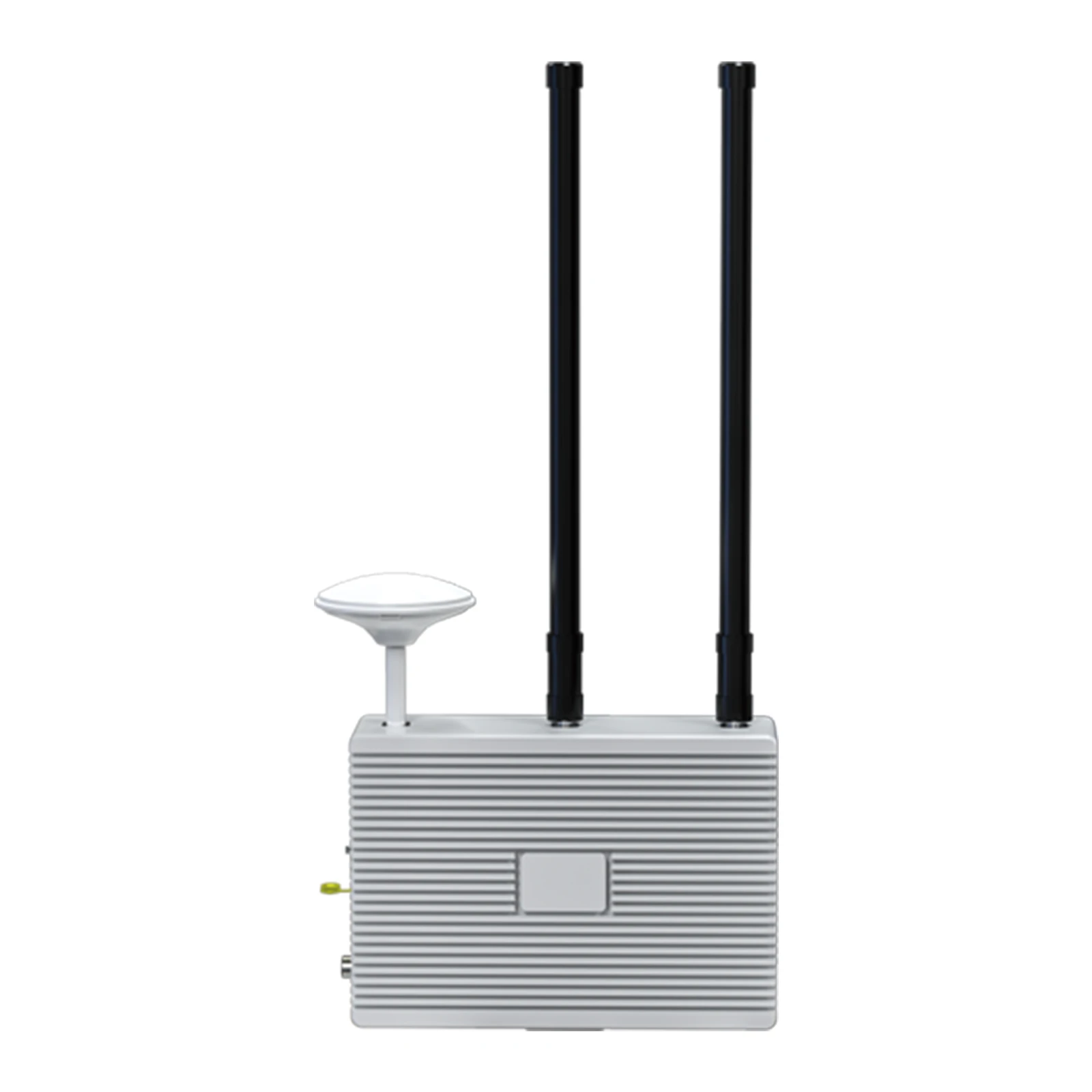
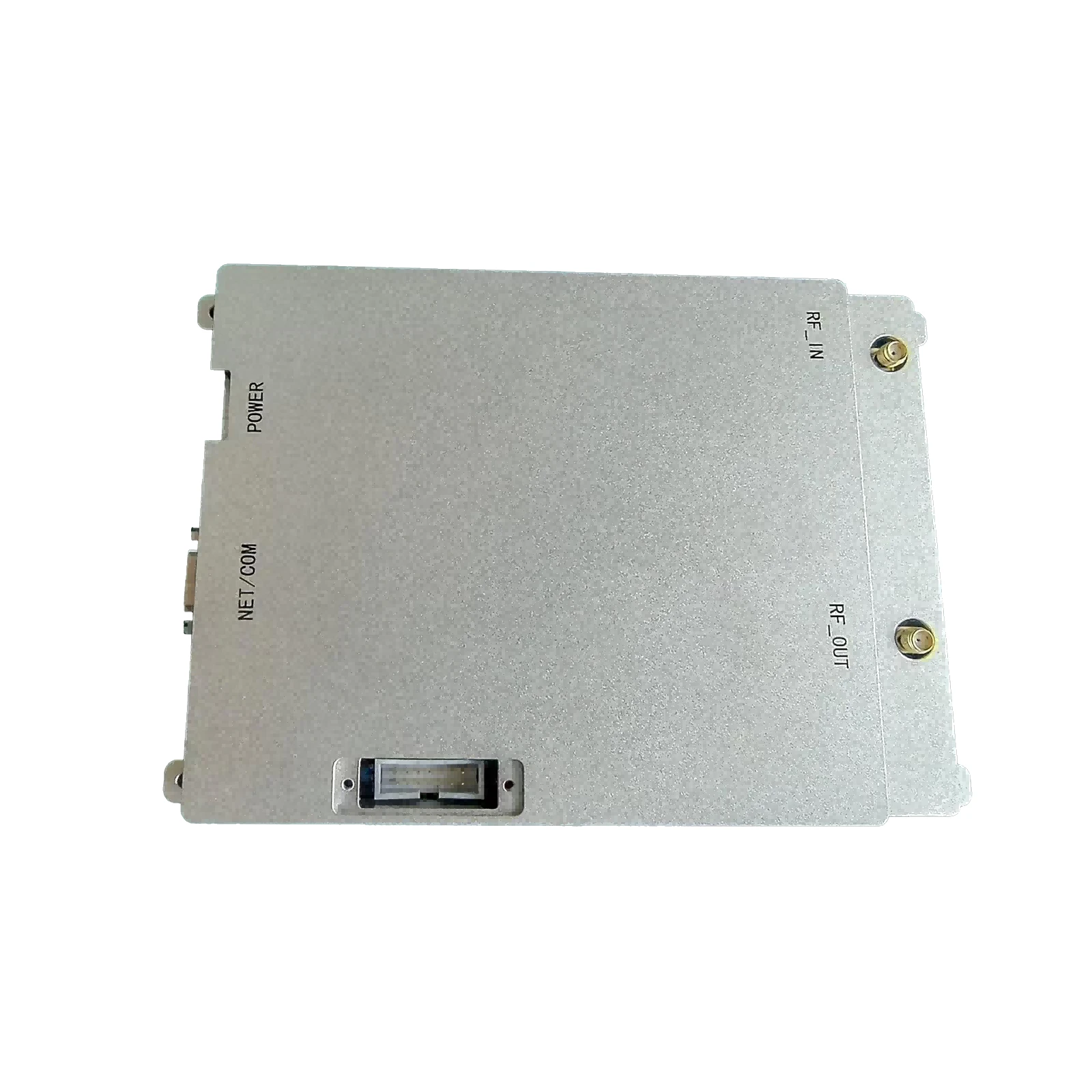
hpa rf products are often designed for rapid field deployment — think pre-assembled modules, plug-and-play connectors, and minimal tooling requirements. This becomes crucial in emergency setups or when operating in remote, inaccessible locations.
5. Energy Efficiency and Sustainability
With growing attention to sustainability, many hpa rf designs incorporate green energy capabilities, such as solar panels or low-power radios. This reduces dependence on diesel generators or other polluting energy sources.
Mini takeaway: HPA RF is not just a buzzword—it’s an innovative approach bridging technical performance and real-world necessities.
Real-World Applications and Use Cases
Where do you actually see hpa rf in action? Spoiler: quite a few places you might not immediately think of.
- Disaster Relief Operations: After events like earthquakes or hurricanes, traditional comms infrastructure is often wiped out. HPA RF modules can be airlifted and set up on-site within hours, enabling rescue teams to coordinate. Agencies such as the Red Cross rely heavily on these designs.
- Remote Industrial Sites: Oil rigs in the North Sea, Amazonian mines, or Antarctic research bases all need reliable communication without constant technician visits. Modular, energy-efficient HPA RF provides that lifeline.
- Rural Connectivity Projects: Governments and NGOs aim to bridge the digital divide by bringing wireless services to isolated villages. HPA RF architectures help reduce setup times and ensure systems remain stable through seasonal weather shifts.
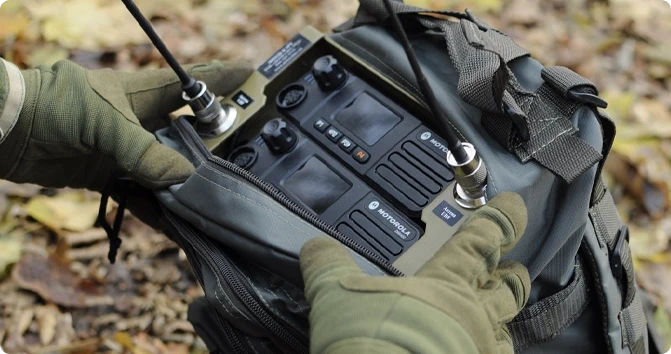
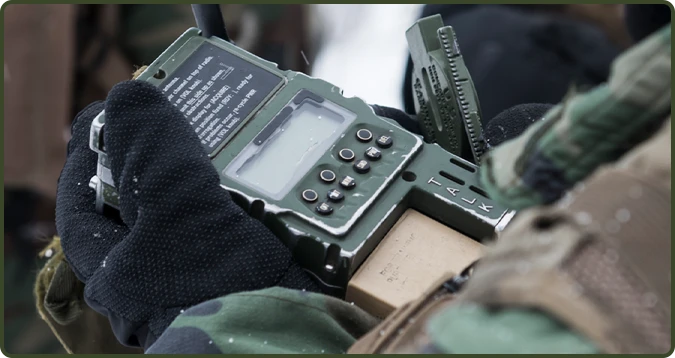
- Military and Security: Mobile command posts use adaptable high-performance RF setups to guarantee encrypted, interference-resistant links in dynamic environments.
Product Specification: Typical HPA RF Module
| Specification | Typical Value | Notes |
|---|---|---|
| Operating Frequency | 2.4 GHz to 6 GHz | Supports WiFi, LTE, and other protocols |
| Power Consumption | 15 Watts typical | Optimized for low power draw |
| Weight | 3.8 kg | Portable setup |
| Material | Anodized Aluminum / Composite Polymer | Weather & UV resistant |
| Deployment Time | Under 2 hours (single tech) | Rapid field set-up capability |
Comparing Top Vendors of HPA RF Equipment
| Vendor | Durability | Cost Range | Energy Efficiency | Deployment Speed |
|---|---|---|---|---|
| RFTech Solutions | Excellent (IP68 rated) | $$$ | High (solar ready) | 2 hours |
| CommuCore Systems | Very Good | $$ | Medium | 3 hours |
| SignalSharp | Good (weather resistant) | $ | Basic | 4+ hours |
Long-Term Benefits of HPA RF Systems
Beyond the specifications, what really makes hpa rf systems so appealing? First is the peace of mind that comes with dependable connectivity — the sort of trust that frontline workers and remote teams absolutely cannot afford to lose. There’s also a sustainability angle: energy-efficient designs reduce carbon footprints, and the ability to operate on alternative energy sources aligns with corporate social responsibility goals.
Then there’s the innovation factor. Early adopters often find that integrating these systems unlocks new operational capabilities they didn’t think possible—remote diagnostics, scalable expansions, and automated performance tuning, to name a few. In real terms, that translates to fewer personnel needed on site, less downtime, and better overall ROI.
Mini takeaway: HPA RF pushes the needle not only in tech specs but also in social impact and operational trustworthiness.
The Future of HPA RF: What Lies Ahead?
The future looks pretty exciting. We’re seeing ongoing advances in materials science, like nano-coatings that repel both water and dust, and self-healing composites that extend durability. Digital transformation brings AI-driven signal optimization and predictive maintenance, reducing the burdens on human technicians.
Another emerging trend: tighter integration with green energy sources. As solar tech becomes cheaper and more efficient, expect fully self-sustaining RF nodes in the wild — capable of months or years offline without external power. And of course, the 5G revolution demands ever more sophisticated hpa rf designs that handle mmWave frequencies reliably yet cost-effectively.
Common Challenges & How Industry Experts Are Tackling Them
No technology is perfect. High-performance RF systems sometimes wrestle with supply chain delays, especially when specialized materials are needed. Field technicians may face installation hurdles if local infrastructure or training isn’t fully in place.
One clever approach gaining traction is vendor collaboration with local partners — combining global expertise with local knowledge. Plus, modular, plug-and-play designs help bring down complexity. Many firms also offer extensive training or digital support platforms — yes, you can now often get remote expert help via apps during deployment.
FAQ: Frequently Asked Questions About HPA RF
What exactly makes hpa rf systems better than regular RF solutions?
HPA RF systems are designed with resilience, scalability, and energy efficiency in mind. They feature durable materials, modular structures for easy expansion, and capabilities to function in harsh environments, unlike many conventional setups that might fail under stress.
How quickly can an HPA RF solution be deployed in an emergency?
Many HPA RF kits are engineered for rapid deployment, often ready to be fully operational within 2 to 4 hours by a small trained team. This speed is crucial in disaster relief scenarios or remote industrial emergencies.
Are these systems energy-efficient and environmentally friendly?
Yes, sustainability is a big focus. Many come equipped with options for solar power integration and use energy-saving components to minimize environmental impact while maintaining performance.
Can NGOs and international agencies import these systems easily?
Generally, yes. Leading vendors provide turnkey solutions compliant with international standards and often assist with customs clearance and logistics, making cross-border deployment feasible.
What maintenance is required for HPA RF installations?
Maintenance is typically low, thanks to durable materials and remote monitoring features. Scheduled inspections and firmware updates keep systems optimized over their lifespan.
Wrapping It Up: Why hpa rf Is a Game-Changer
For anyone invested in seamless communication, particularly in unpredictable environments, hpa rf is more than just jargon—it's a lifeline. Whether you’re coordinating humanitarian aid, running a remote site, or planning future-proof networks, these systems deliver reliability, efficiency, and peace of mind.
Curious to see how hpa rf technology could fit your projects? Visit our website for detailed product info, case studies, and expert advice.
Final thought: In a rapidly changing world, investing in adaptable, high-performance communication tech isn’t optional. It’s essential.
References

-
 09 March 2021 16 Apr 2026
 -
 09 March 2021 09 Apr 2026
 -
 09 March 2021 07 Apr 2026
 -
 09 March 2021 04 Apr 2026
 -
 09 March 2021 31 Mar 2026
-
 09 March 2021 21 May 2025
 -
 09 March 2021 25 Dec 2024
 -
 09 March 2021 14 Oct 2022
-
 09 March 2021 25 Dec 2024

 English
  Arabic
  Belarusian
  Danish
  Dutch
Dutch  French
  German
  Greek
Greek  Japanese
  Korean
  Myanmar
  Polish
  Portuguese
  Russian
  Spanish
  Swedish
  Thai
Thai  Ukrainian
  Vietnamese