

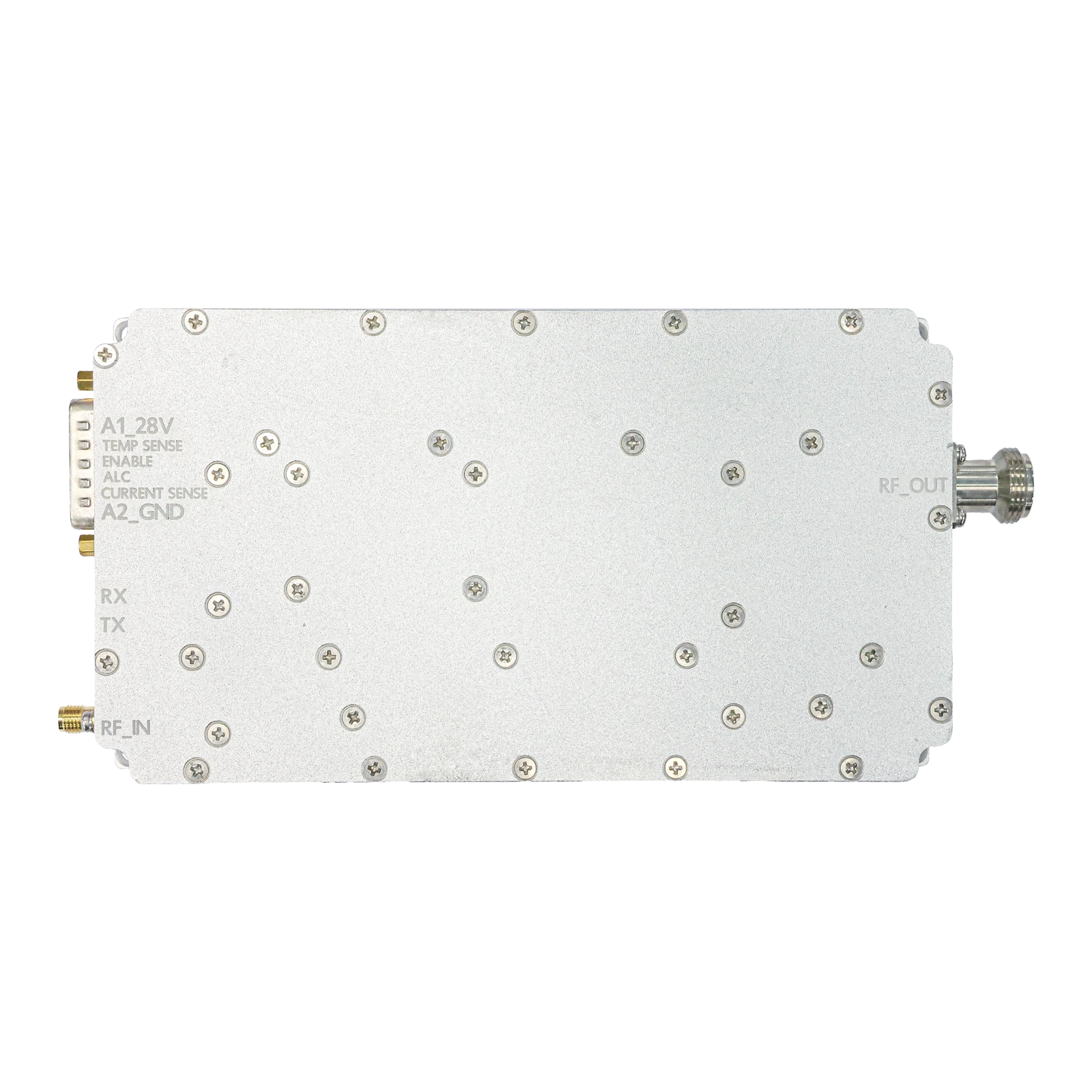
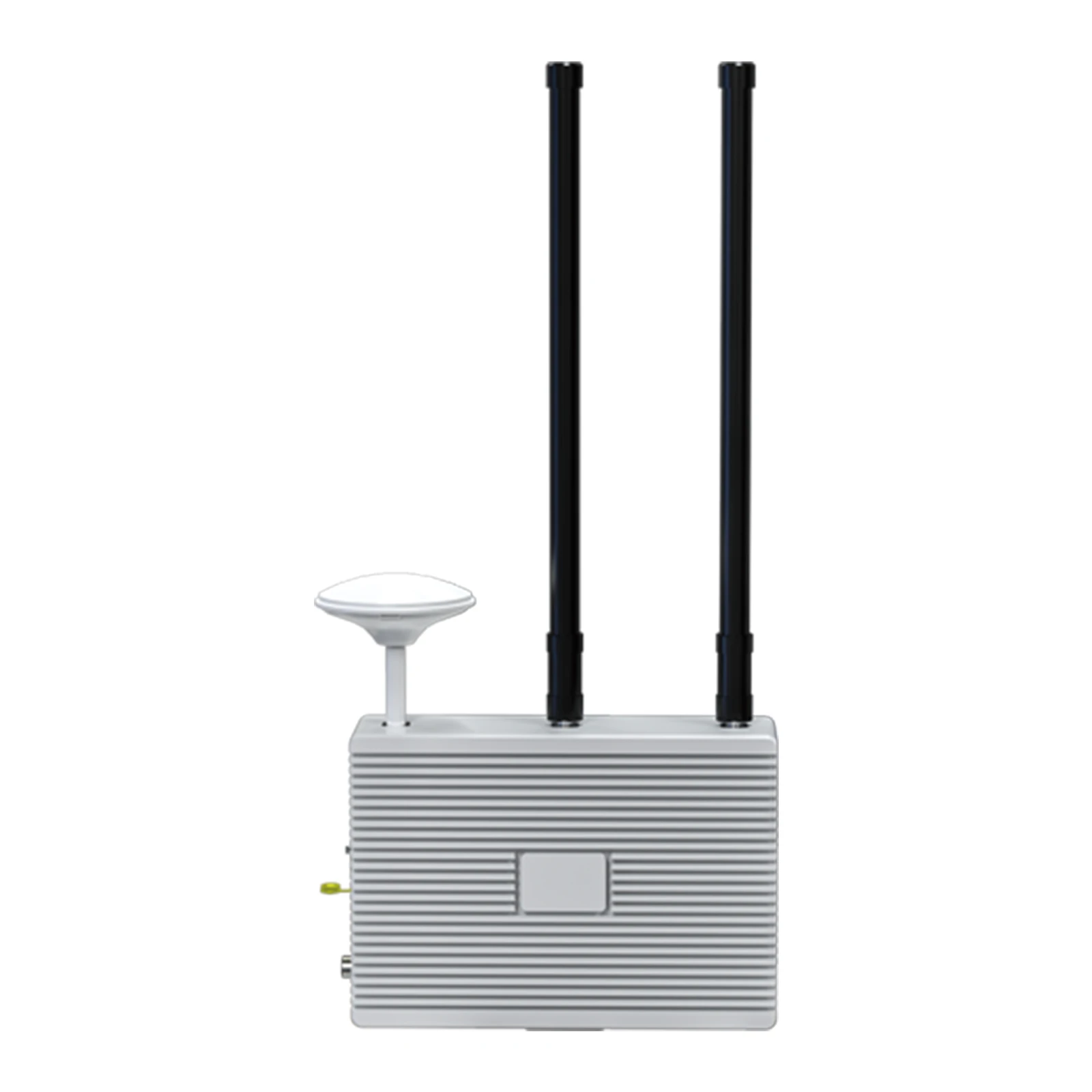
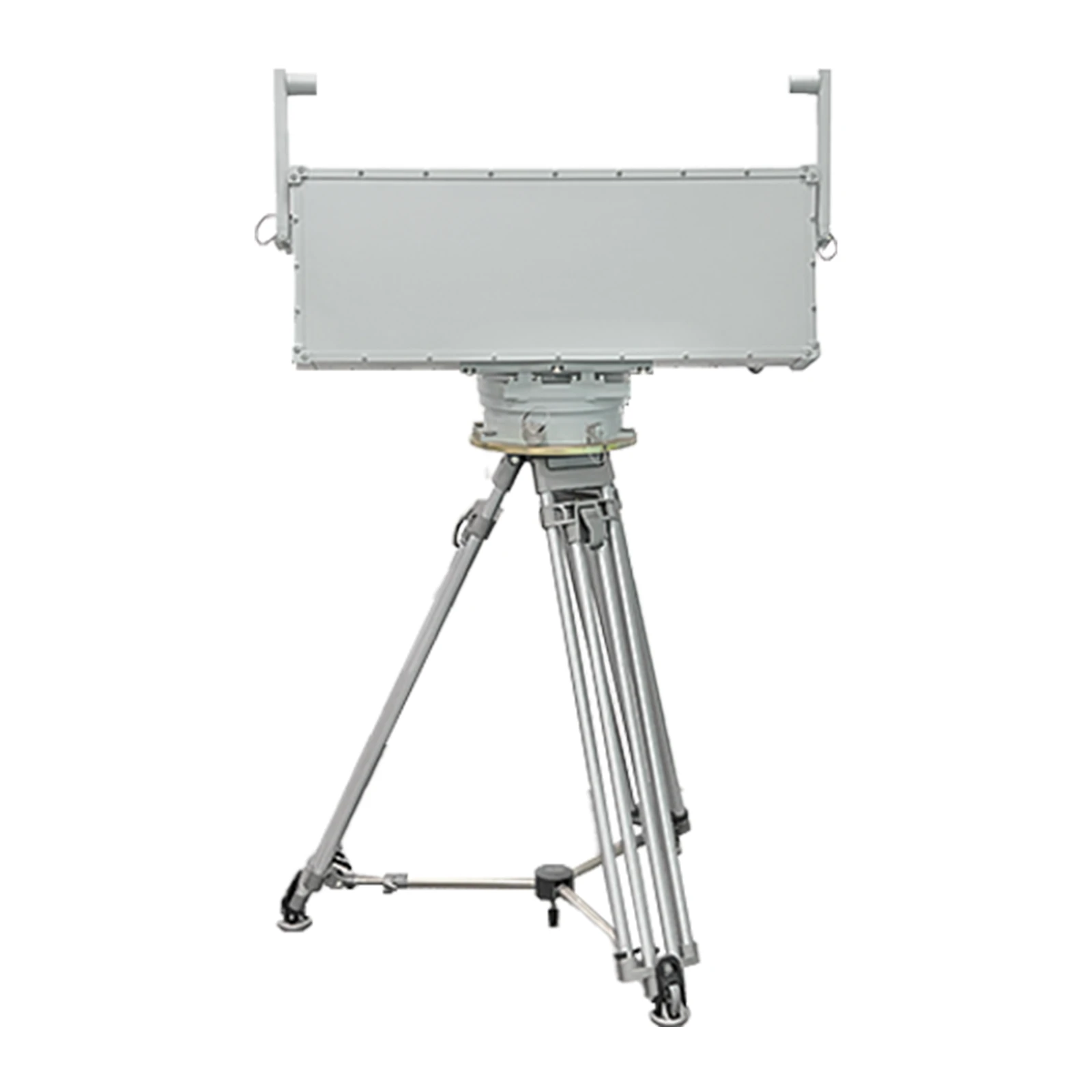
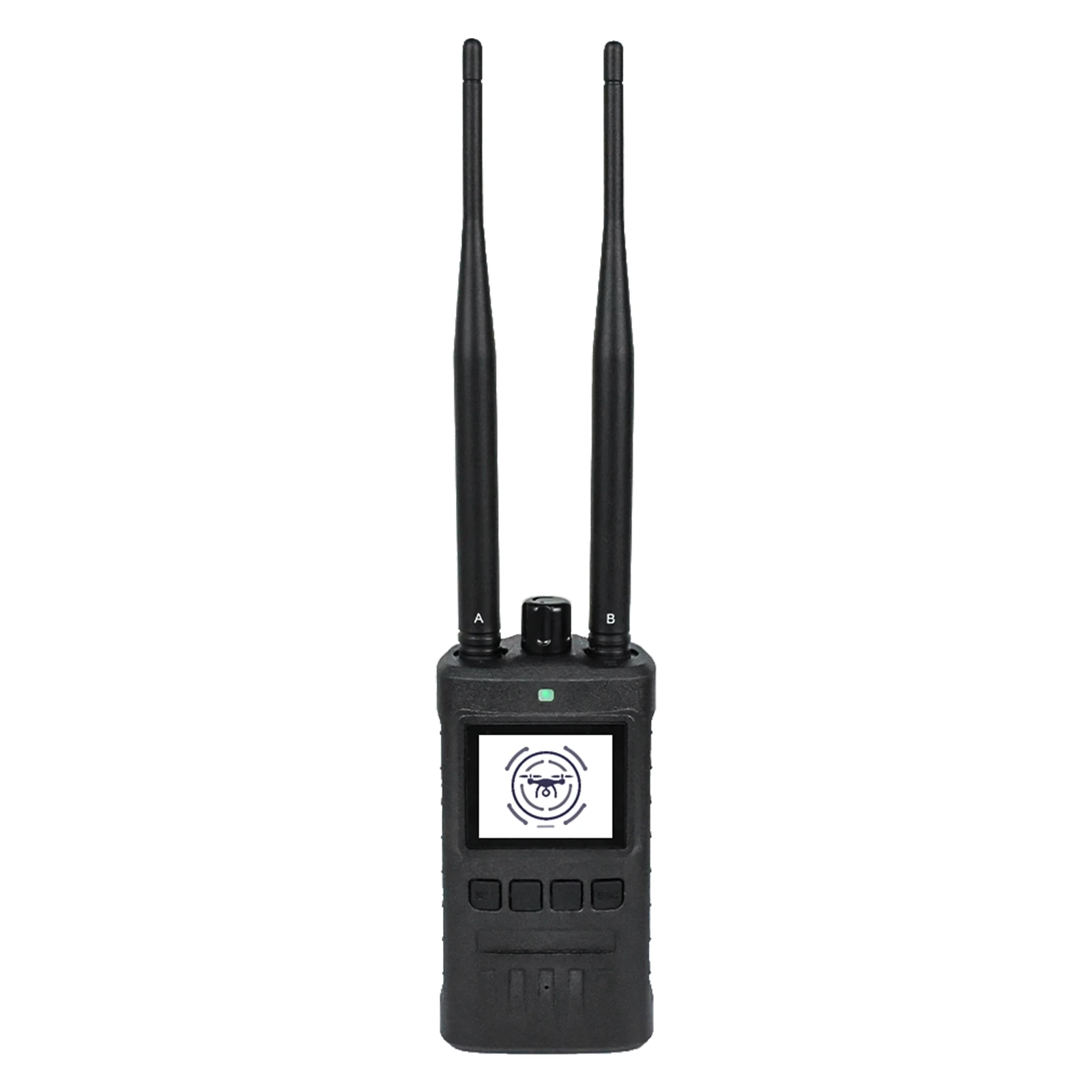
In North Korea, the wireless communication sector is heavily centered around specialized electronic equipment manufacturing for state-led infrastructure. The demand for a reliable cellular transceiver module is driven by the need for secure, localized networks that can withstand the country's unique geographic challenges, including mountainous terrain that obstructs signals.
The local industry operates under a high-security paradigm, where software and information technology services are tightly integrated with hardware production. This has led to a preference for highly customizable diy rf module components that allow local engineers to modify firmware to meet specific national encryption standards.
Despite economic constraints, there is a growing push towards upgrading legacy systems. The transition toward the cc1120 module standards indicates a shift toward low-power, long-range communication to support remote industrial monitoring and agricultural automation across the North Korean provinces.
 English
  Arabic
  Belarusian
  Danish
  Dutch
Dutch  French
  German
  Greek
Greek  Japanese
  Korean
  Myanmar
  Polish
  Portuguese
  Russian
  Spanish
  Swedish
  Thai
Thai  Ukrainian
  Vietnamese