

Military And Defense Applications Of RF Detection Devices
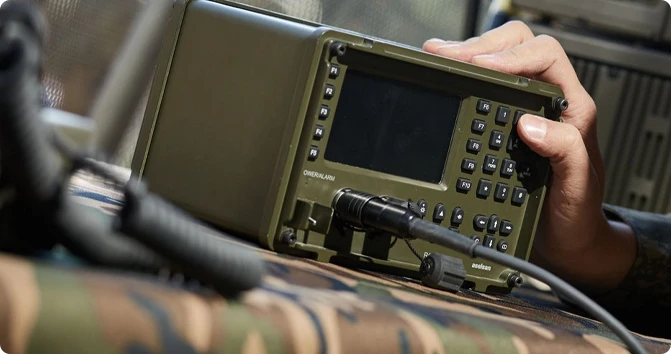
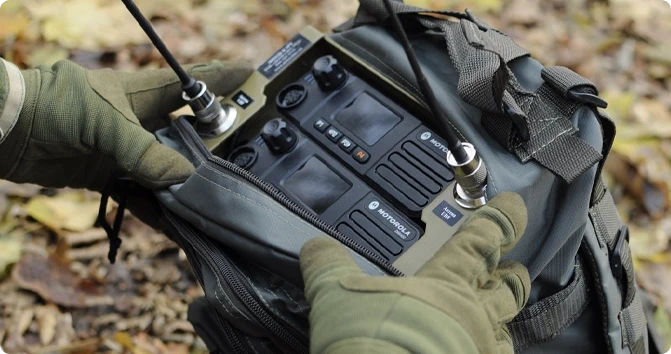
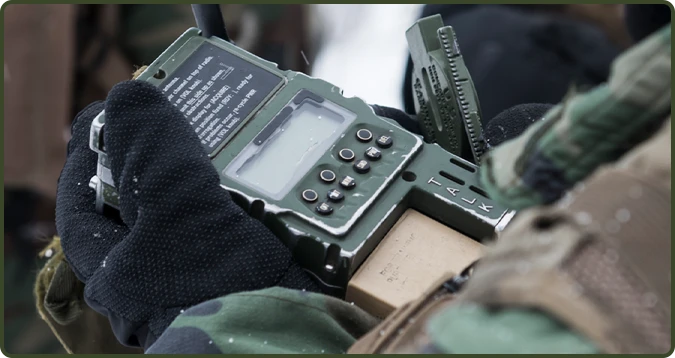
In the high - stakes realm of military and defense, rf detection device, rf interference detector, and remote frequency detector play indispensable roles. These devices leverage radio frequency technology to enhance situational awareness, safeguard communication networks, and counter potential threats. As military operations become increasingly reliant on advanced electronics and wireless communication, the significance of these detection devices continues to grow.
Intelligence Gathering with RF Detection Device
Rf detection device is a critical asset in military intelligence gathering. These devices are deployed to detect, analyze, and identify radio frequency emissions from enemy communication systems, radar installations, and other electronic devices. By intercepting and decoding these signals, military forces can gain valuable insights into enemy positions, movements, and operational plans. For example, during surveillance missions, rf detection device can pick up the unique frequency signatures of enemy radios, enabling intelligence analysts to map out communication networks and identify key command centers. This information is crucial for formulating strategic plans and maintaining a tactical advantage on the battlefield.
Electronic Warfare and RF Interference Detector
In the arena of electronic warfare, rf interference detector is essential for detecting and countering enemy jamming attempts. When an enemy tries to disrupt military communication and radar systems through radio frequency interference, these detectors quickly identify the source and characteristics of the interference. Once detected, military forces can employ counter - measures such as frequency hopping, signal encryption, or the deployment of anti - jamming technologies. Additionally, rf interference detector can be used to detect friendly - force interference, ensuring that military communication systems operate smoothly without self - inflicted disruptions. This helps maintain the integrity of military operations and the effectiveness of critical communication channels.
Border and Perimeter Defense with Remote Frequency Detector
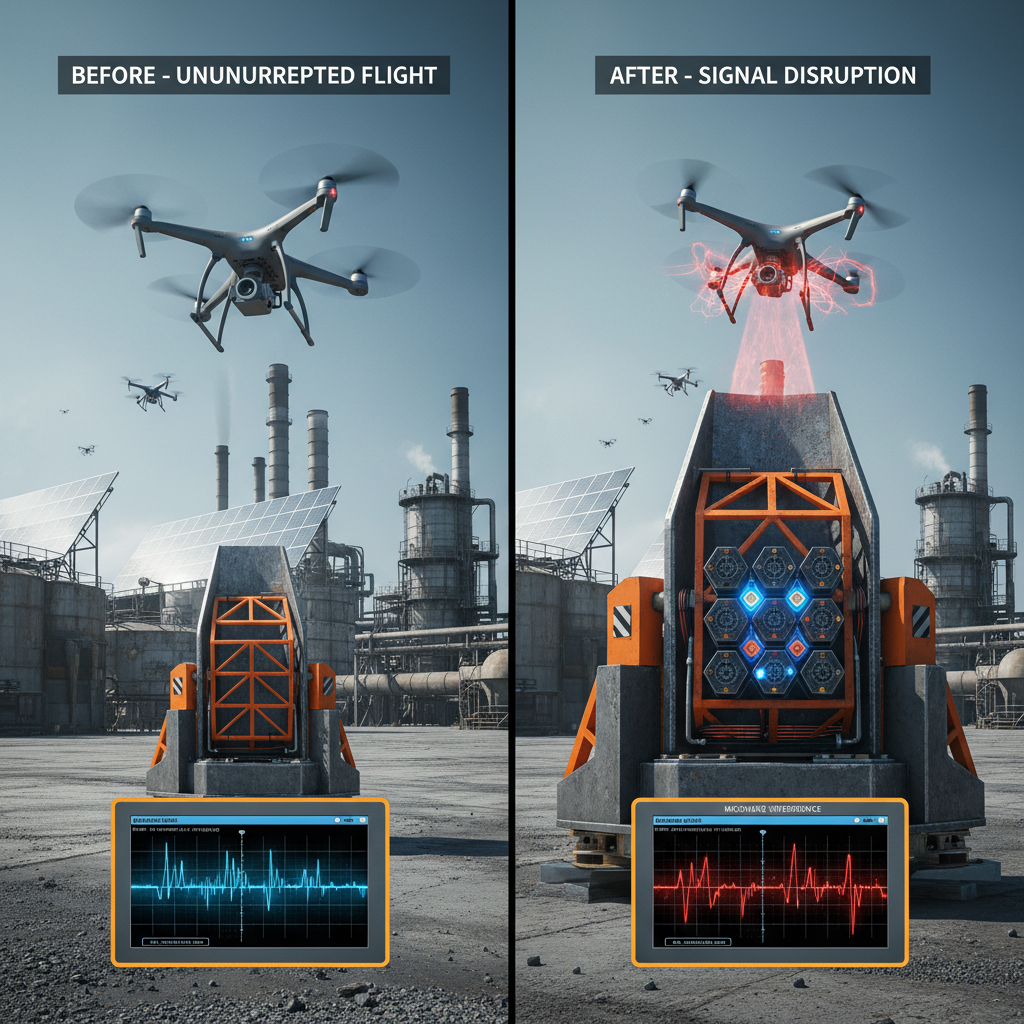
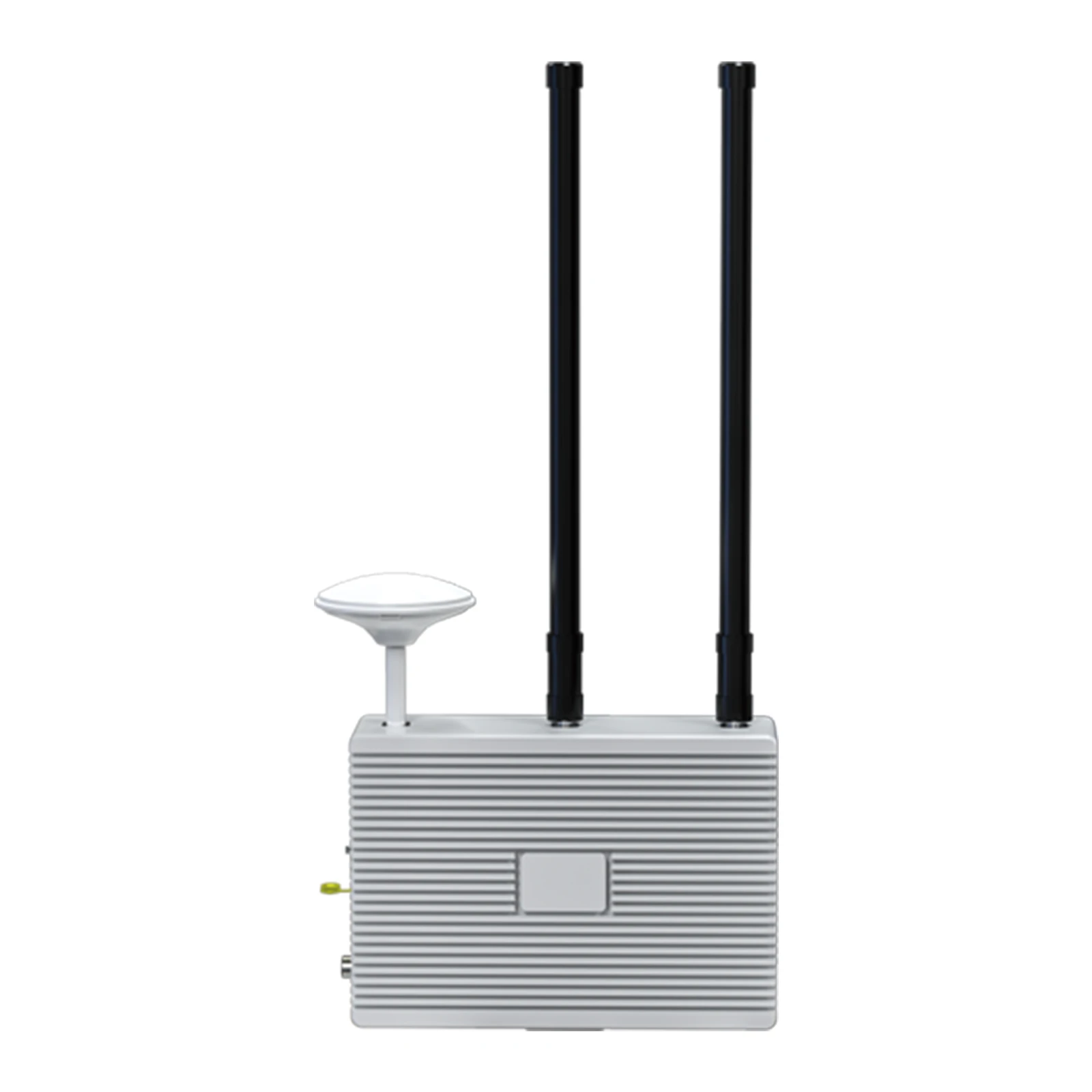
Remote frequency detector is widely used in border and perimeter defense to monitor and secure large areas. These detectors can detect unauthorized radio frequency transmissions from drones, hidden communication devices, or other suspicious sources across vast distances. In border security operations, remote frequency detector can identify the presence of drones attempting to cross borders for espionage or smuggling purposes. By continuously scanning the airwaves, these devices provide early warning systems, allowing military personnel to respond promptly to potential threats. They can also be integrated with other security systems, such as cameras and sensors, to create a comprehensive perimeter defense network.
Enhancing Communication Security with RF Detection Devices
Ensuring the security of military communication networks is of utmost importance, and rf detection device, rf interference detector, and remote frequency detector all contribute to this goal. These devices are used to monitor communication channels for any signs of eavesdropping or unauthorized access. Rf detection device can detect the presence of hidden listening devices that may be intercepting military communications. Rf interference detector helps identify any interference that could compromise the clarity and security of transmissions. Meanwhile, remote frequency detector can scan the surrounding area to ensure that no unauthorized transmitters are operating within range. By continuously monitoring and safeguarding communication networks, these devices protect sensitive military information from falling into the wrong hands.
RF Detection Device FAQS
How accurate are RF detection devices in military environments?
Rf detection device used in military environments are highly accurate, thanks to advanced signal processing algorithms and sophisticated hardware. They are designed to filter out background noise and interference, allowing for precise identification of radio frequency emissions. However, factors such as terrain, weather conditions, and the complexity of the electromagnetic environment can affect accuracy. Military - grade rf detection device often incorporate features like adaptive filtering and multiple - sensor fusion to mitigate these challenges and maintain high - level accuracy.
What is the typical range of a remote frequency detector?
The range of a remote frequency detector varies depending on its design and capabilities. Some portable models may have a range of several kilometers, making them suitable for short - to - medium - range surveillance and perimeter defense. Larger, fixed - installation remote frequency detector systems can have ranges extending up to dozens or even hundreds of kilometers, enabling wide - area monitoring. The range is also influenced by factors such as the frequency being detected, the power of the transmitting source, and the antenna configuration of the detector.
How do RF interference detectors protect military communication?
Rf interference detectors protect military communication by first identifying the presence and characteristics of interference signals. Once detected, they can trigger counter - measures. This may involve alerting operators to the interference, enabling them to switch to alternative communication frequencies or channels. In some cases, the detector can automatically adjust the communication system's parameters, such as increasing the signal strength or changing the modulation technique, to overcome the interference. Additionally, by analyzing the interference patterns, military forces can develop strategies to prevent future jamming attempts.
Can RF detection devices be used in all weather conditions?
Most military - grade rf detection device, rf interference detector, and remote frequency detector are designed to operate in a wide range of weather conditions. They are built with ruggedized enclosures and weather - resistant components to withstand rain, snow, extreme temperatures, and high humidity. However, certain weather phenomena, such as heavy thunderstorms or sandstorms, can still impact performance. For example, lightning can generate electromagnetic interference that may temporarily disrupt detection. In such cases, advanced detection devices are equipped with shielding and filtering mechanisms to minimize the effects of adverse weather on their operation.
How are RF detection devices maintained in the military?
Military rf detection device are subject to strict maintenance protocols. Regular inspections are conducted to check for any physical damage, wear - and - tear on components, and to ensure proper functionality. Calibration is performed at specified intervals to maintain accuracy, using specialized test equipment to verify the device's performance against known standards. Software updates are also crucial, as they often include improvements in signal processing algorithms, security enhancements, and compatibility with new communication protocols. Trained military technicians handle the maintenance, ensuring that these critical devices are always ready for deployment.
Are you in need of cutting - edge rf detection device, rf interference detector, and remote frequency detector for military and defense applications? Our company offers a comprehensive range of high - quality, military - grade detection devices. Engineered with the latest technology and built to withstand the rigors of the battlefield, our products ensure reliable performance in critical situations. Contact us today to explore our product offerings and place your order!

-
 09 March 2021 16 Apr 2026
 -
 09 March 2021 09 Apr 2026
 -
 09 March 2021 07 Apr 2026
 -
 09 March 2021 04 Apr 2026
 -
 09 March 2021 31 Mar 2026
-
 09 March 2021 21 May 2025
 -
 09 March 2021 25 Dec 2024
 -
 09 March 2021 14 Oct 2022
-
 09 March 2021 25 Dec 2024

 English
  Arabic
  Belarusian
  Danish
  Dutch
Dutch  French
  German
  Greek
Greek  Japanese
  Korean
  Myanmar
  Polish
  Portuguese
  Russian
  Spanish
  Swedish
  Thai
Thai  Ukrainian
  Vietnamese