

Passive RF Detector: Industrial-Grade Signal Monitoring Explained
The Passive RF Detector: Essential Tech in Industrial Equipment
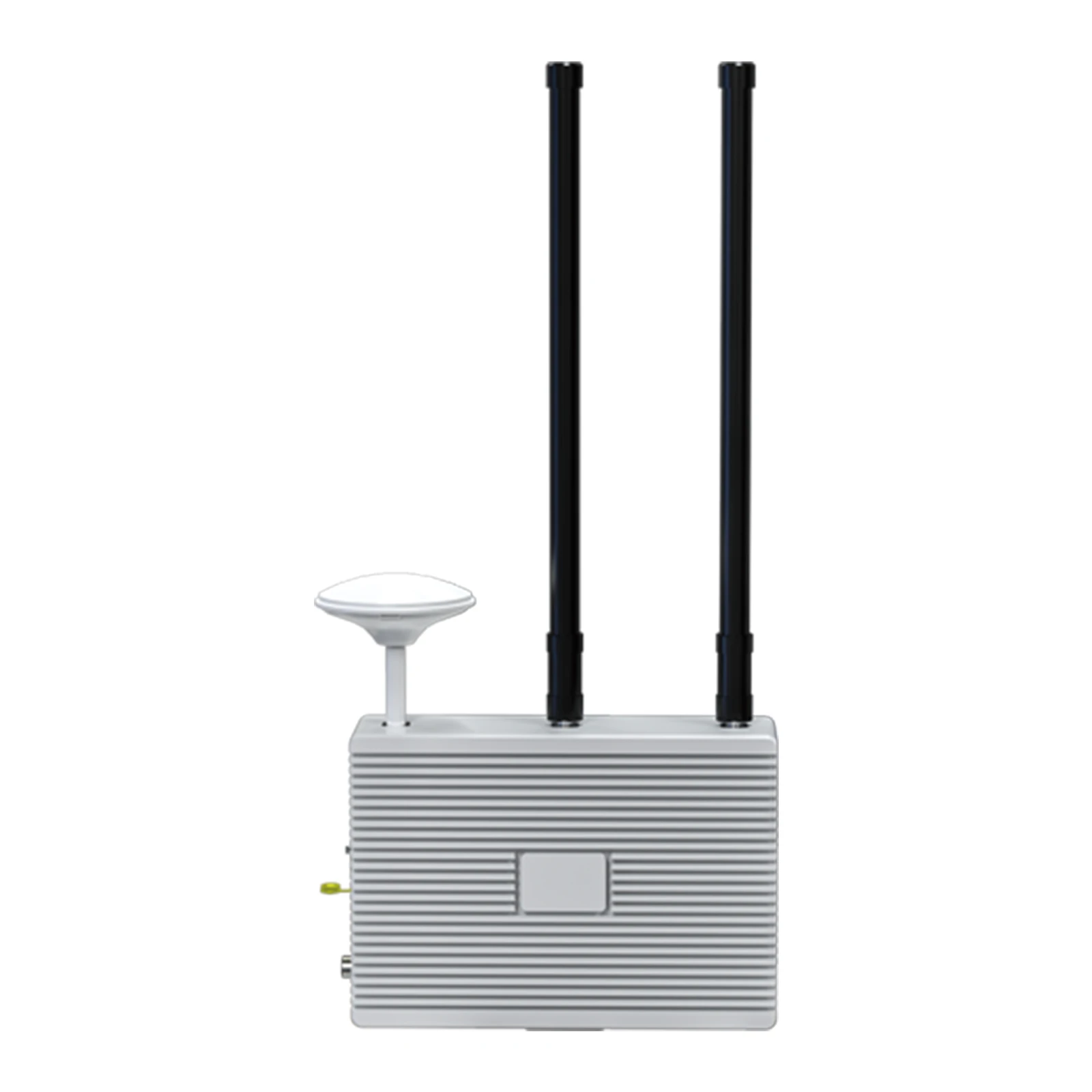
Having spent over a decade in the industrial equipment sector, I've seen firsthand how so many devices quietly reshape workflows and safety measures without ever hogging the spotlight. The passive RF detector is one of those unsung heroes. Unlike the active RF scanning gear that needs power, calibration, and frequent maintenance, passive RF detectors quietly monitor radio frequency emissions around them without putting out their own signal.
Oddly enough, this kind of technology feels both incredibly simple and remarkably sophisticated at the same time — like a keen listener in a noisy room who never interrupts but always catches the important bit. In real industrial settings, this capability becomes invaluable. For instance, in environments where stealth or minimal interference is mandatory, the passive RF detector steps in as a reliable sentinel.
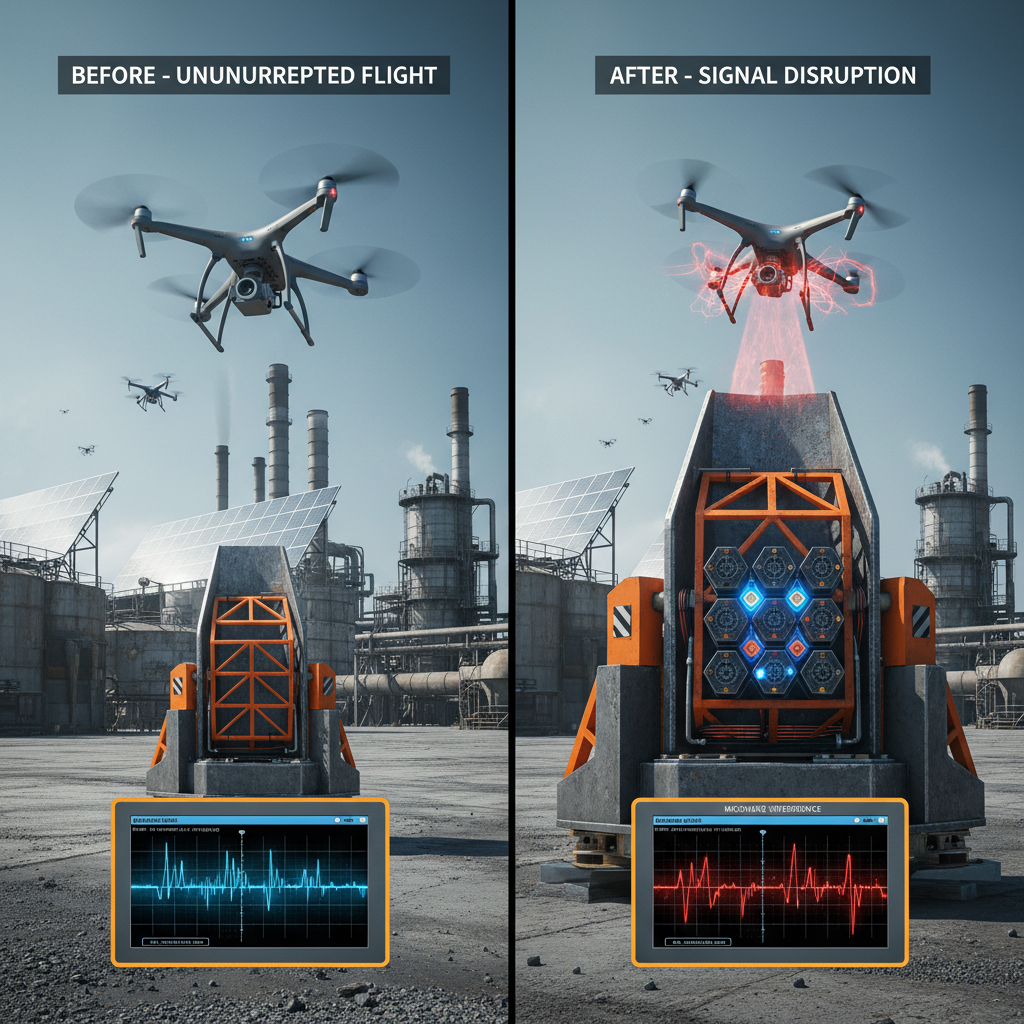
Over my years on the floor and in the control room, I've noticed this device’s value isn't just about detecting signals. It's about reliability under tough conditions — rugged housings, temperature tolerance, and minimal false alarms. Manufacturers typically employ them in security setups, drone detection, and RF leakage identifications. Customization often comes into play, whether through sensitivity tuning or frequency range focus, because no two sites operate exactly alike.
| Feature | Details |
|---|---|
| Frequency Range | 100 MHz – 6 GHz |
| Sensitivity | -120 dBm (typical) |
| Power Supply | Passive (No battery needed) |
| Operating Temperature | -20°C to 60°C |
| Dimensions | 150 x 90 x 35 mm |
| Weight | Around 250 g |
Comparing vendors in this niche can be tricky. It’s not always about just specs on paper — support, firmware updates, and integration capabilities matter a lot. Through my years interfacing with different products, the following comparison highlights key players that I’ve trusted or at least had detailed chats with engineers about:
| Vendor | Frequency Range | Ruggedness Rating | Price Range | Customer Support |
|---|---|---|---|---|
| RfGuard Systems | 100 MHz – 5 GHz | IP67 | $$$ | Excellent |
| SpectraScan Corp. | 200 MHz – 6 GHz | IP54 | $$ | Good |
| DroneSecure Technologies | 150 MHz – 6 GHz | IP65 | $$$$ | Very Good |
Speaking honestly, one of the most memorable projects where a passive RF detector really proved its worth was at a manufacturing plant with sensitive wireless equipment — where active scanning would have caused unacceptable disruptions. There, quietly monitoring the frequency spectrum let security and maintenance teams catch interference sources or rogue devices without ever disturbing the baseline operation. It felt like having a watchdog that didn’t bark.
Customization options, in my experience, really elevate these devices. Some clients opt for integrated alerts that connect with their industrial IoT systems, while others want ruggedized cases to withstand dust, moisture, and shocks. It’s important to match the detector with the environment because the last thing anyone wants is gear out of commission when it’s needed the most.
In summary, while the passive RF detector might seem niche, it’s foundational enough that many engineers across sectors rely on it in one way or another. Whether it’s for drone security, electromagnetic hygiene, or RF surveillance, it sits quietly in the background—illuminating signals without ever emitting a note itself.
A small takeaway from my years working with these devices: if there’s one thing to keep in mind, it’s that sometimes the best technology is the one that listens without being heard.
References:
1. Industrial RF Technology Standards – IEEE Spectrum, 2022
2. “Electromagnetic Surveillance & Security,” TechMonitor Journal, 2021
3. Personal communications with RF engineers at DroneSecure Technologies, 2023

-
 09 March 2021 16 Apr 2026
 -
 09 March 2021 09 Apr 2026
 -
 09 March 2021 07 Apr 2026
 -
 09 March 2021 04 Apr 2026
 -
 09 March 2021 31 Mar 2026
-
 09 March 2021 21 May 2025
 -
 09 March 2021 25 Dec 2024
 -
 09 March 2021 14 Oct 2022
-
 09 March 2021 25 Dec 2024
 English
  Arabic
  Belarusian
  Danish
  Dutch
Dutch  French
  German
  Greek
Greek  Japanese
  Korean
  Myanmar
  Polish
  Portuguese
  Russian
  Spanish
  Swedish
  Thai
Thai  Ukrainian
  Vietnamese