

Police Radio Frequency Detector – Essential Tool for Secure Communication
Understanding the Police Radio Frequency Detector: An Industry Insider’s Take
Having worked in industrial equipment sales and field service for over a decade, I’ve come across devices that seem deceptively simple but are actually pretty clever in their design and use. One such tool that has always fascinated me is the police radio frequency detector. This little gadget plays a crucial role in law enforcement and private security, and frankly, it can be a real game-changer for anyone wanting to monitor radio frequency signals efficiently.
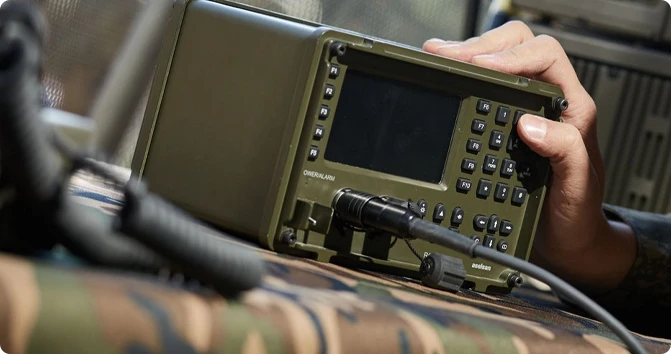
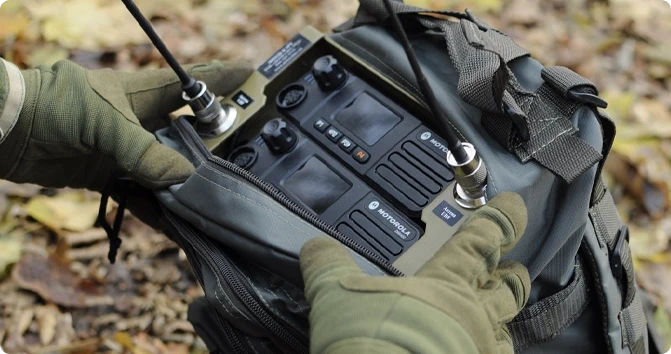
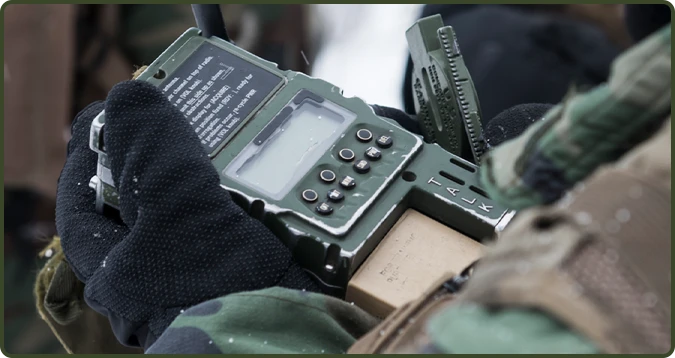
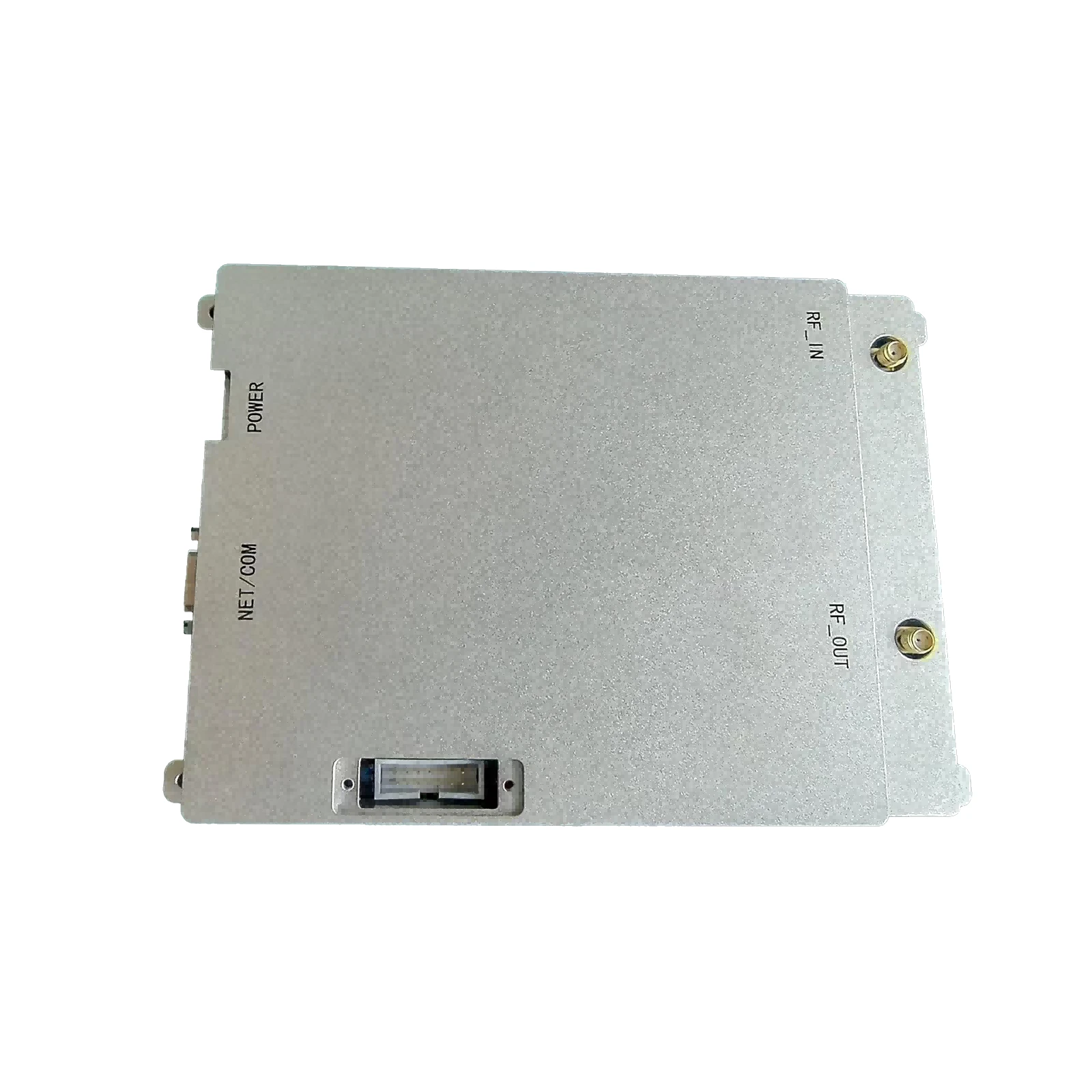
So, what exactly is a police radio frequency detector? Essentially, it’s a compact device meant to pick up and identify radio waves transmitted by police radios or other communication equipment. If you think about it, in real terms, such a tool can help officers ensure secure communication by detecting unauthorized transmissions or prevent signal interference that could affect their critical work.
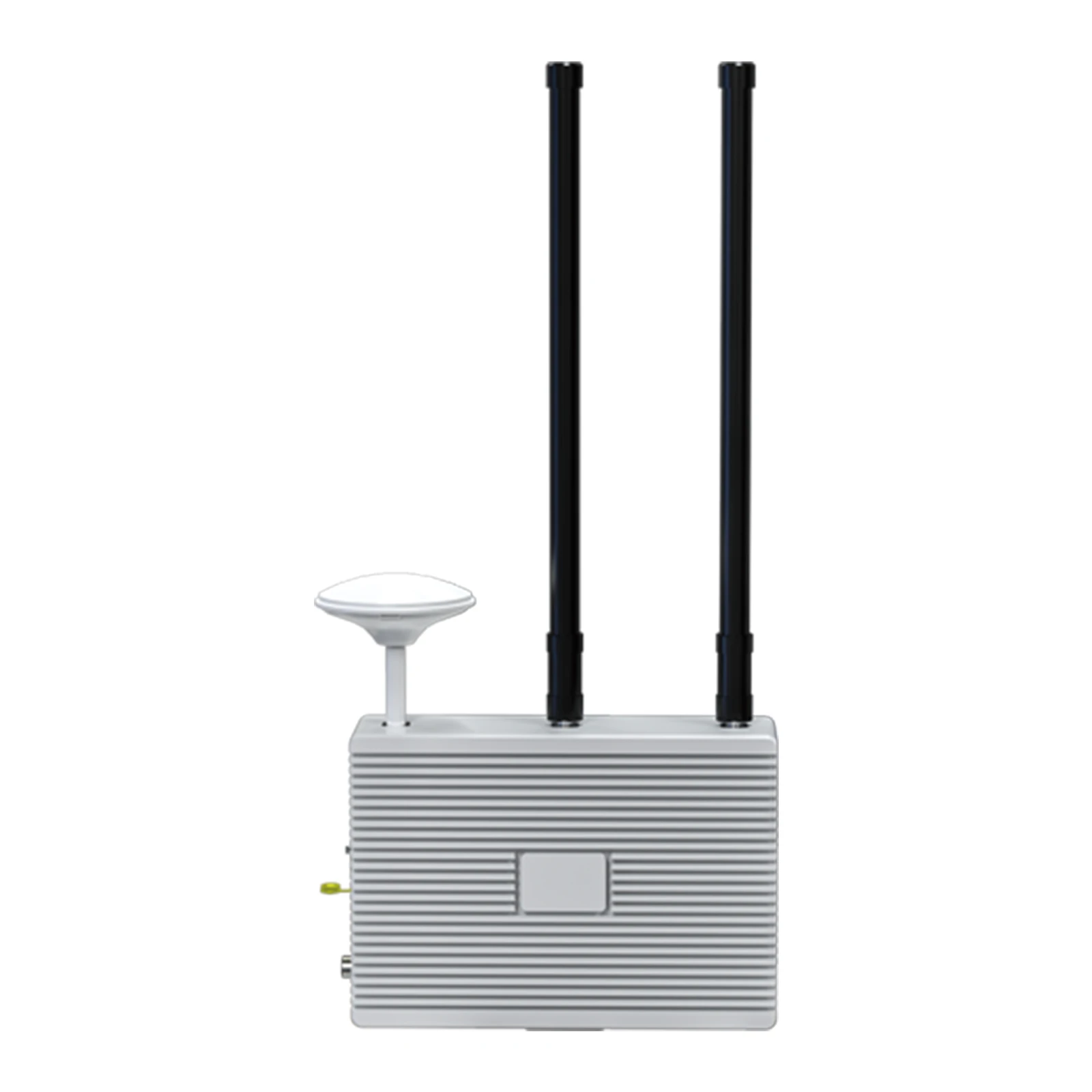
Over the years, these detectors have evolved from bulky, hard-to-use gadgets to sleek, portable units with impressive sensitivity. Many engineers I know emphasize the importance of accurate frequency range coverage and signal clarity, and the newer models don’t disappoint. They incorporate advanced materials and multi-band antennas that can pick up a wide range of police frequencies — often between 25 MHz to 1300 MHz, which is pretty impressive.
One thing I noticed working alongside tech teams is the testing rigor these devices undergo. Environmental durability, signal discrimination, and low false-positive rates are key factors. In the field, it’s frustrating (and frankly dangerous) to chase phantom signals. A good detector will filter noise and show clear alerts.
| Feature | Specification |
|---|---|
| Frequency Range | 25 MHz – 1300 MHz |
| Detection Range | Up to 200 meters (dependent on environment) |
| Power Supply | Rechargeable Li-ion Battery, 6-8 hours runtime |
| Weight | Approx. 300 grams |
| Dimensions | 15 cm x 6 cm x 3 cm |
| User Interface | LED display with audible alarms |
| Special Features | Multi-frequency scanning, vibration alerts |
In terms of vendors, a few names come up frequently at industry trade shows and through peer recommendations. Not all suppliers are equal — indicated in what they offer as standard versus optional, their customer service, and how customizable the unit is. For example, some vendors provide firmware updates tailored to new frequency regulations, which is huge because police frequency allocations can shift. I suppose it’s like software updates on your smartphone — you want your detector to keep up.
| Vendor | Frequency Coverage | Custom Firmware | Battery Life | Price Range | Customer Support |
|---|---|---|---|---|---|
| AlphaTech | 25–1200 MHz | Yes | 7 hours | $1,200–$1,400 | 24/7 Phone & Email |
| SecureScan | 30–1300 MHz | Optional | 6 hours | $1,000–$1,300 | Business Hours Only |
| RadioPro | 20–1250 MHz | Yes | 8 hours | $1,300–$1,500 | Business Hours + Chat |
A telling example I recall involved a private security firm deploying these detectors around a high-profile event venue. They noticed unusual radio emissions that, on investigation, turned out to be unauthorized scanners attempting to intercept the police communication. The device helped intercept the breach quietly and effectively — no complicated procedures, just a smart tool working as it should. It sharply underlined how essential good frequency detection is to modern security.
In closing, if you’re looking to get serious about radio frequency monitoring — whether for law enforcement, private security, or critical facility management — a reliable police radio frequency detector is a worthy investment. While specs and prices vary, focus on durability, frequency coverage, and vendor support. Those will save you headaches later on.
Oddly enough, despite all the technology around us, it's the foundational tools like these detectors that keep communication safe and operations smooth.
References:
- Industry Whitepaper: Radio Frequency Monitoring in Law Enforcement, 2023
- Field Testing Report – Multi-Band RF Detectors, SecureScan, 2022
- Interview with AlphaTech Product Engineer, 2023

-
 09 March 2021 16 Apr 2026
 -
 09 March 2021 09 Apr 2026
 -
 09 March 2021 07 Apr 2026
 -
 09 March 2021 04 Apr 2026
 -
 09 March 2021 31 Mar 2026
-
 09 March 2021 21 May 2025
 -
 09 March 2021 25 Dec 2024
 -
 09 March 2021 14 Oct 2022
-
 09 March 2021 25 Dec 2024

 English
  Arabic
  Belarusian
  Danish
  Dutch
Dutch  French
  German
  Greek
Greek  Japanese
  Korean
  Myanmar
  Polish
  Portuguese
  Russian
  Spanish
  Swedish
  Thai
Thai  Ukrainian
  Vietnamese