

Photoelectric Detector: High-Precision & Reliable Sensing Solutions
Industry Trends in Photoelectric Detection Technology
The global market for photoelectric detection technology is experiencing robust growth, driven by increasing automation across various industrial sectors and the burgeoning demand for high-precision, non-contact sensing solutions. Key trends indicate a significant shift towards miniaturization, enhanced sensitivity, and seamless integration with advanced IoT and AI systems for predictive maintenance and real-time data analysis. The persistent need for energy-efficient components and robust performance in harsh industrial environments continues to push the boundaries of innovation in sensor design and manufacturing. Market analysis forecasts a Compound Annual Growth Rate (CAGR) of over 7% for photoelectric sensors from 2023 to 2028, reflecting widespread adoption in manufacturing, logistics, automotive, and consumer electronics industries. This growth is substantially influenced by continuous advancements in semiconductor technology and photonics, enabling more accurate and reliable detection capabilities. The global emphasis on smart factories and Industry 4.0 initiatives further accelerates the demand for sophisticated photoelectric sensors that can communicate seamlessly within complex automated systems, providing crucial data for operational optimization and safety.
Technical Specifications of Industrial Photoelectric Detectors
A Photoelectric Detector operates on the fundamental principle of converting light energy into electrical signals, enabling non-contact sensing of objects, distances, and material presence. The performance of these detectors is defined by a set of critical technical parameters that ensure optimal integration and reliability in demanding industrial applications. Understanding these specifications is paramount for engineers designing automated systems, as they directly impact accuracy, response time, and environmental resilience.
Key Parameters and Performance Data
| Parameter | Specification | Unit |
|---|---|---|
| Sensing Principle | Through-beam, Retro-reflective, Diffuse-reflective | N/A |
| Sensing Range (Max) | 20 | m |
| Response Time | < 0.5 | ms |
| Output Type | NPN/PNP, NO/NC, IO-Link | N/A |
| Operating Voltage | 10-30 VDC | V |
| Protection Rating | IP67 / IP69K | N/A |
| Operating Temperature | -25 to +70 | °C |
| Housing Material | Nickel-plated Brass / Stainless Steel (316L) | N/A |
These specifications define the operational envelope and suitability for specific industrial environments. For instance, an IP67/IP69K rating ensures robust protection against dust ingress and high-pressure, high-temperature washdowns, making this Photoelectric Detector ideal for demanding applications in food and beverage processing or heavy machinery washdown areas. The rapid response time of less than 0.5ms is crucial for high-speed automation lines where precise object detection is critical for throughput, synchronization, and safety, minimizing latency in feedback loops for control systems.
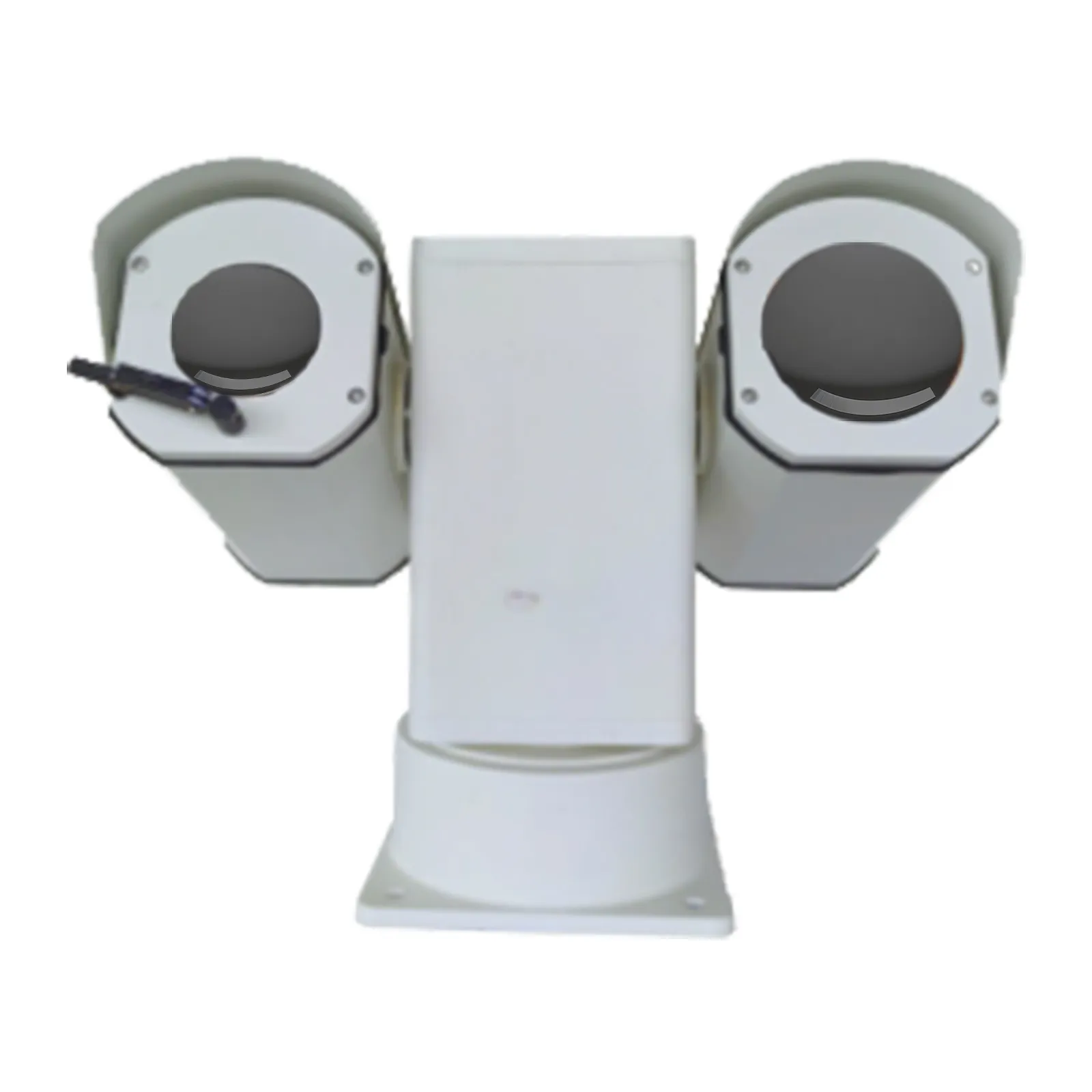
Manufacturing Process and Quality Assurance
The manufacturing of a high-performance Photoelectric Detector involves a meticulously controlled process, combining advanced material science with precision engineering. Adherence to stringent international standards ensures the production of robust, reliable, and long-lasting devices suitable for industrial deployment in the most demanding conditions.
Process Flow
- Material Selection: The process begins with sourcing high-grade, certified materials. For sensor housings, options include corrosion-resistant stainless steel (e.g., 316L for chemical resistance and food-grade applications) or robust nickel-plated brass for general industrial use. Optical components typically use specialized, high-transmission plastics (e.g., PMMA, Polycarbonate) or glass for lenses, chosen for their transparency, scratch resistance, and optical clarity. Internal electronic components, including photodiodes, LEDs, and integrated circuits, are selected based on industrial-grade specifications for temperature stability, electrical reliability, and longevity.
- Component Fabrication:
- CNC Machining: Precision CNC machining is employed for metal housings and mounting brackets, ensuring exacting tolerances. This is critical for achieving structural integrity and compliance with demanding IP (Ingress Protection) ratings.
- Optical Molding/Grinding: Fabrication of lenses, prisms, and light guides is performed using high-precision injection molding for plastic components or advanced grinding and polishing techniques for glass elements.
- PCB Assembly: State-of-the-art Surface-Mount Technology (SMT) lines are utilized for populating Printed Circuit Boards (PCBs) with tiny electronic components. Automated Optical Inspection (AOI) systems rigorously verify solder joint quality and component placement accuracy.
- Sensor Assembly: This crucial stage involves the precise integration of optical, electronic, and mechanical components. Assembly often takes place in a controlled cleanroom environment to prevent dust contamination from affecting optical performance. Hermetic sealing processes are then applied to achieve the specified IP ratings (e.g., IP67, IP69K), providing superior resistance to water and dust ingress, and ensuring long-term environmental protection.
- Calibration and Functional Testing: Every detector undergoes rigorous individual calibration to ensure accurate sensing range, response time, output linearity, and sensitivity. A battery of functional tests simulates various operating conditions, including detection of different materials, colors, and speeds, verifying consistent performance.
- Environmental & Durability Testing: Products are subjected to accelerated life testing, including thermal cycling (IEC 60068-2-14), humidity exposure, salt spray corrosion tests, and shock/vibration tests (IEC 60068-2-27, IEC 60068-2-6) in accordance with international standards. These tests validate a projected Mean Time Between Failures (MTBF) and ensure a typical service life of 5-10 years under continuous operation in harsh industrial environments.
- Final Inspection & Packaging: A final quality check ensures cosmetic integrity, proper labeling, and appropriate packaging for secure shipment and storage.
Testing Standards and Certifications
Our production facilities adhere to strict international quality management systems, notably ISO 9001:2015, which governs our entire manufacturing process. Products undergo exhaustive testing to meet and exceed critical safety and performance standards, including:
- CE Mark: Signifies compliance with European health, safety, and environmental protection directives.
- UL Certification: Ensures product safety for North American markets, particularly regarding electrical hazards.
- RoHS Compliance: Adherence to the Restriction of Hazardous Substances Directive, guaranteeing environmental responsibility.
- IEC 60947-5-2: The international standard specifically for proximity switches, which includes photoelectric types, detailing performance and test methods.
- EMC Compatibility (EN 61000 series): Ensures electromagnetic compatibility, preventing interference with other electronic systems and maintaining stable operation in electromagnetically noisy industrial settings.
These certifications provide authoritative validation of our unwavering commitment to quality, performance, and safety. The rigorous testing regimen translates into a service life often exceeding 7 years even in challenging industrial environments, offering significant return on investment through reduced maintenance, minimized downtime, and lower replacement costs.
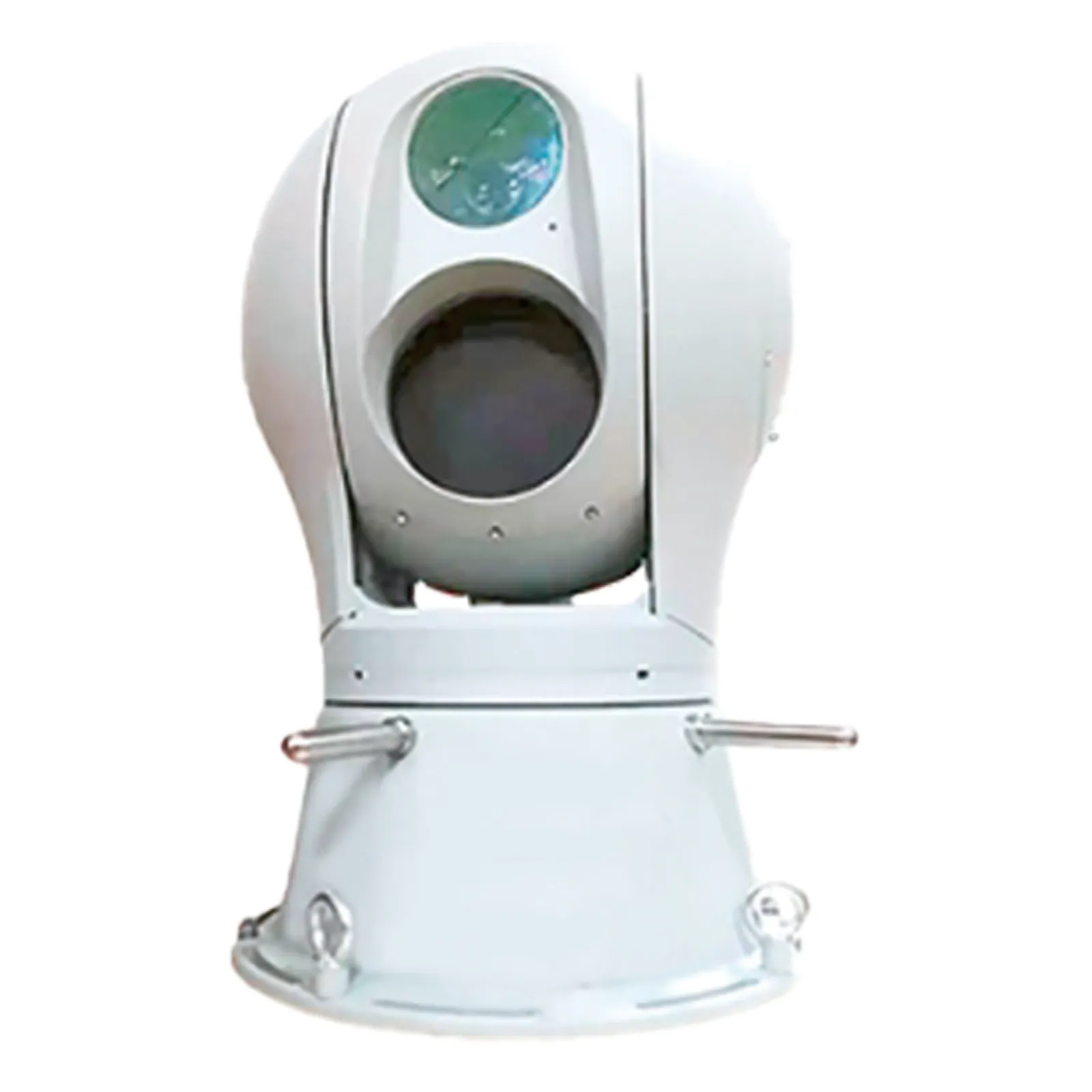
Application Scenarios and Target Industries
The versatility, precision, and reliability of our photoelectric sensors make them indispensable across a multitude of industrial applications, facilitating advanced automation, enhancing operational safety, and optimizing overall efficiency. Their non-contact nature is particularly advantageous in environments where physical interaction with objects is undesirable, impractical, or could lead to wear and contamination.
Key Target Industries
- Petrochemical: Used for accurate level detection in storage tanks, precise pipeline monitoring, and reliable position sensing for critical valves in potentially hazardous and explosive environments. Robust construction and specific certifications (e.g., ATEX) ensure safety and reliability.
- Metallurgy: Essential for hot metal detection in rolling mills, accurate position sensing for heavy machinery components, and precise control of coil unwinding/rewinding operations. High-temperature resistance and robust housing materials are critical in these extreme conditions.
- Water Supply & Drainage: Deployed for continuous water level monitoring in reservoirs and treatment tanks, precise pump control systems, and flow detection in large-diameter pipes. Superior corrosion resistance and high IP ratings are essential for long-term longevity and performance in wet and chemically aggressive environments.
- Manufacturing & Automation: Integral for object counting on conveyor belts, reliable presence detection, precise robotic arm positioning, and automated packaging verification. High-speed and accurate response times are paramount for maintaining production throughput.
- Food & Beverage: Critical for product counting, fill level detection in container111s, and package integrity checking in hygienic environments. Stainless steel variants (e.g., 316L) with IP69K ratings are crucial for surviving frequent, high-pressure washdowns.
- Logistics & Warehousing: Utilized for pallet detection, automated guided vehicle (AGV) guidance, and inventory management systems, enhancing efficiency and reducing manual errors.
Advantages in Typical Application Scenarios
- Energy Saving: By accurately detecting object presence and position, automated systems can operate with greater precision, reducing idle times and unnecessary movements of machinery, thereby significantly optimizing energy consumption. For example, stopping a conveyor belt or activating a robotic arm only when an object is detected at a precise point.
- Corrosion Resistance: Utilizing premium materials like 316L stainless steel for sensor housings ensures exceptional long-term performance and durability in highly corrosive environments such as chemical processing plants, coastal marine facilities, or wastewater treatment infrastructure. This significantly extends the service life and drastically reduces maintenance and replacement frequencies.
- Enhanced Safety: Non-contact detection inherently minimizes risks associated with moving machine parts, providing highly reliable safety interlocks in machinery, ensuring personnel safety, and preventing costly damage to equipment.
- Precision & Speed: Our modern Photoelectric Detector models offer sub-millisecond response times and exceptional detection accuracy, which are absolutely vital for high-speed production lines where even slight delays or inaccuracies can severely impact throughput, quality, and overall efficiency.
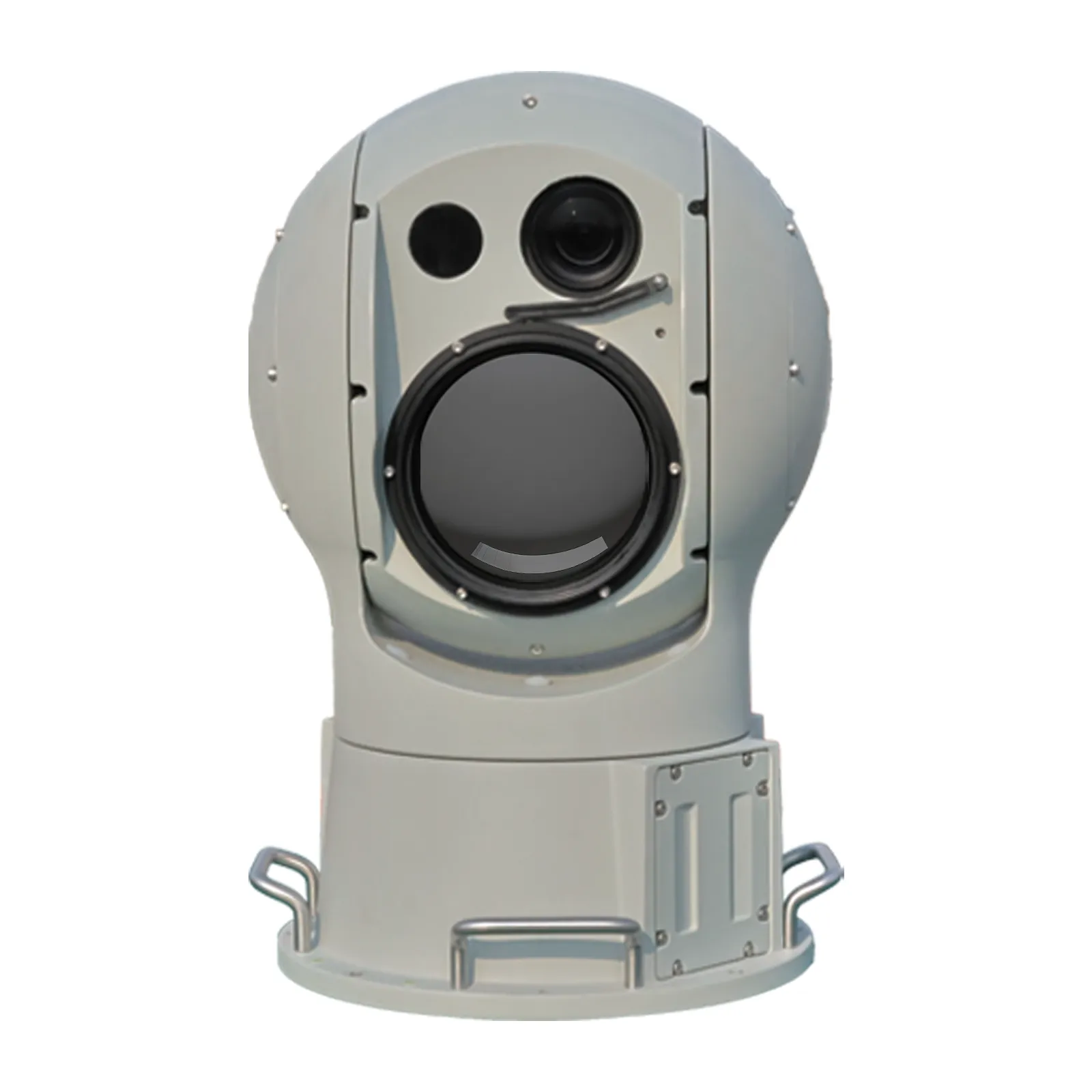
Technical Advantages and Vendor Comparison
Our advanced photoelectric sensing solutions stand out due to a superior combination of optical engineering, robust construction, and intelligent signal processing. These distinctive technical advantages translate directly into higher reliability, greater operational flexibility, and a lower total cost of ownership (TCO) for industrial clients seeking cutting-edge automation components.
Distinctive Technical Advantages
- Advanced Background Suppression: Our diffuse-reflective sensors employ sophisticated background suppression algorithms and high-resolution optical elements. This allows for exceptionally reliable detection of objects regardless of background reflectivity, color variations, or varying distances to the background, thereby minimizing false triggers and increasing system stability.
- High-Resolution Optics: Precision-ground lenses, optimized light sources (e.g., focused red LED, infrared, or class 1 laser), and advanced optical designs enable exceptionally small spot sizes and greater detection accuracy. This is crucial for detecting tiny objects, precise edge detection, or distinguishing closely spaced items on a production line.
- IO-Link Connectivity: Integrated IO-Link communication provides standardized, digital, point-to-point communication from the sensor to the control system. This advanced capability enables full parameterization of sensor settings remotely, real-time transmission of diagnostic data (e.g., operating hours, temperature, signal strength), and automatic re-parameterization during sensor replacement, significantly reducing commissioning time and minimizing downtime.
- Immunity to Ambient Light: Specialized optical filtering techniques combined with modulated light emission ensure that our detectors are highly immune to interference from various ambient light sources, including bright sunlight, high-frequency fluorescent lighting, or intense artificial illumination. This guarantees stable and consistent performance even in challenging lighting conditions.
- Wide Operating Temperature Range: Engineered for extreme industrial environments, our sensors perform reliably across an expansive temperature range, typically from -25°C to +70°C. This ensures consistent and accurate operation in diverse thermal conditions, from cold storage facilities to hot processing areas.
Competitive Landscape: Vendor Comparison
Choosing the right photoelectric sensor supplier is a critical decision that impacts system reliability, performance, and overall project cost. Below is a comparison illustrating key differentiating factors of our offerings against typical market solutions from other vendors.
| Feature | Our Drone-System Detectors | Competitor A (Standard Offering) | Competitor B (Mid-range Offering) |
|---|---|---|---|
| Sensing Range (m) | Up to 20 (Through-beam), 1.5 (Diffuse) | Up to 10 (Through-beam), 0.5 (Diffuse) | Up to 15 (Through-beam), 1.0 (Diffuse) |
| Response Time (ms) | < 0.5 | 1 - 2 | < 1 |
| Background Suppression | Advanced (Adjustable, Color-Independent) | Basic / Fixed (Color-Dependent) | Limited (Fixed, Some Color-Dependence) |
| IO-Link Integration | Yes (Full Parameterization & Diagnostics) | No | Optional (Basic Features Only) |
| Operating Temperature (°C) | -25 to +70 | 0 to +50 | -10 to +60 |
| Housing Material Options | Stainless Steel (316L), Nickel-plated Brass, PBT Plastic | Nickel-plated Brass, ABS Plastic | Nickel-plated Brass, limited Stainless Steel, PBT |
| Certifications | CE, UL, RoHS, IEC, ATEX (specific models) | CE, RoHS | CE, UL |
This detailed comparison clearly highlights our commitment to delivering superior performance, enhanced functionality, and broader application compatibility. Our solutions offer a more robust, intelligent, and future-proof choice compared to many standard and mid-range offerings available in the market, providing measurable advantages in challenging industrial contexts.
Customized Solutions and Application Case Studies
Recognizing that off-the-shelf solutions may not always perfectly meet the unique and specific demands of every industrial challenge, we specialize in providing highly customized Photoelectric Detector configurations. Our experienced engineering team collaborates closely with clients from initial concept to final deployment, designing sensors optimized for specific environmental conditions, target object characteristics, unique mounting requirements, or complex integration needs. This bespoke approach ensures maximum efficiency, compatibility, and a perfect fit for even the most niche applications.
Tailored Solutions Include:
- Specialized Optics: Custom lenses or optical filters for precise detection of challenging targets such as transparent films, highly reflective surfaces, or extremely small objects that require sub-millimeter accuracy.
- Unique Housing Materials: Offering exotic alloys or specialized plastics for extreme chemical resistance, high-pressure applications, vacuum environments, or specific regulatory compliance.
- Custom Cable Lengths and Connectors: Tailoring connectivity solutions, including specific cable materials (e.g., oil-resistant, high-flex), lengths, and connector types (e.g., M8, M12, custom harnesses) for seamless integration into existing or proprietary infrastructure.
- Adjustable Sensing Parameters: Providing pre-calibrated or user-configurable sensitivity, background suppression algorithms, and response times to meet the exact performance requirements of the application.
- Integrated Logic and Microcontrollers: Adding intelligent processing capabilities for on-board decision-making, advanced filtering, or complex logic functions, thereby reducing the processing load on the main PLC or control system.
Real-World Application Case Studies
Our unwavering commitment to providing practical, effective, and reliable solutions is vividly demonstrated through numerous successful deployments across diverse and demanding industries. Below are illustrative examples showcasing the tangible impact and superior performance achieved through the application of our photoelectric sensing technology:
Case Study 1: High-Speed Beverage Bottling Plant
Challenge: A major international beverage manufacturer required a highly reliable and extremely fast sensor solution to accurately detect clear PET bottles on a conveyor belt operating at speeds of up to 120,000 bottles per hour. Traditional diffuse sensors frequently struggled with false readings due to reflections, varying ambient light conditions, and the transparency of the bottles, leading to significant production slowdowns and increased waste.
Solution: We implemented a specialized retro-reflective photoelectric sensor system, engineered with advanced polarization filters and enhanced background suppression capabilities. The sensor was precisely custom-calibrated for the unique reflective properties of clear PET plastic and seamlessly integrated with the plant's IO-Link system for real-time diagnostics and remote parameter adjustment.
Result: The new setup achieved an outstanding 99.9% detection accuracy rate, virtually eliminating false positives and negatives. This precision directly led to a 15% increase in line speed and a substantial reduction in product waste by 8%, showcasing the profound impact of precise detection on overall operational efficiency and profitability. The client reported an impressive payback period of less than 6 months on their investment.
Case Study 2: Steel Mill Hot Slab Positioning
Challenge: A large integrated steel manufacturing plant needed to accurately position hot steel slabs, operating at extreme temperatures up to 1200°C, during their critical rolling operations. The severe environment, characterized by intense heat, dense steam, and particulate matter, rendered conventional sensors ineffective and short-lived, causing frequent maintenance, costly recalibrations, and unacceptable downtime.
Solution: We developed a custom through-beam Photoelectric Detector system featuring an ultra-robust stainless steel (316L) housing, specially designed water-cooled optics, and a highly focused infrared light source. The entire sensor assembly was engineered with integrated air purge systems to continuously keep the optical lenses clear of debris and steam. Furthermore, its internal electronics were hermetically sealed and encased in a thermally stable module to withstand the extreme temperatures.
Result: The custom-engineered detector demonstrated exceptional reliability and unprecedented longevity in the extraordinarily harsh environment, operating continuously for over three years without requiring recalibration, extensive maintenance, or premature replacement. This led to a significant 30% reduction in sensor-related maintenance costs and substantially improved accuracy in slab positioning, directly contributing to higher quality finished steel products and improved safety.
Trustworthiness, Support, and FAQ
Our commitment to our clients extends far beyond merely delivering high-quality photoelectric sensing solutions. We prioritize trustworthiness through transparent operations, comprehensive support infrastructure, and clear, firm commitments to product performance and longevity. Our extensive experience, spanning over two decades in the industrial automation sector, combined with strategic partnerships with leading system integrators and a global client base, solidifies our authoritative position as a trusted provider.
Authoritative References and Company Strengths
- Certifications: All our products are manufactured and tested to comply with the most rigorous international standards, including ISO 9001 (Quality Management), CE Mark, UL Listing, and RoHS directives. Our state-of-the-art manufacturing facilities are regularly audited by independent bodies to consistently maintain these critical certifications.
- Years of Service: With over two decades of experience in designing, engineering, and manufacturing industrial sensing solutions, our deep-rooted expertise and accumulated knowledge are proven and highly valued by our clients.
- Partner Clients: We proudly serve a distinguished global client base, including numerous Fortune 500 companies operating in highly demanding sectors such as automotive, aerospace, food & beverage, pharmaceuticals, and heavy industry. Specific client references can be provided upon request and a mutual Non-Disclosure Agreement (NDA) agreement.
- Test Data: Comprehensive internal and third-party test reports, validating crucial performance parameters such as Mean Time Between Failures (MTBF), shock/vibration resistance, ingress protection (IP ratings), and overall environmental resilience, are readily available for technical review.
Frequently Asked Questions (FAQ)
Q1: What is the typical lead time for a standard Photoelectric Detector order?
A1: For standard models, the typical lead time ranges from 2-4 weeks, depending on the specific order volume and current stock levels. We also offer expedited shipping options for urgent requirements, which can be arranged upon request with our sales team.
Q2: Do you offer customized solutions for unique application requirements?
A2: Yes, absolutely. We specialize in custom engineering and encourage clients to contact us with their unique needs. Our expert team can collaborate with you to tailor sensor specifications, select appropriate housing materials, design specialized optics, and adapt communication protocols to meet your precise application requirements.
Q3: What warranty is provided with your Photoelectric Detector products?
A3: All our products are backed by a comprehensive standard 2-year manufacturer's warranty. This warranty covers manufacturing defects and material failures under normal operating conditions. Extended warranty options are also available for specific projects or high-value deployments, offering additional peace of mind.
Q4: What kind of after-sales support do you provide?
A4: We offer multi-channel, comprehensive after-sales support. This includes expert technical assistance available via phone and email, remote diagnostics capabilities, and, for critical applications, on-site support services. Our dedicated support team is readily available to assist with installation, configuration, troubleshooting, and ongoing maintenance to ensure optimal performance of your detectors.
Q5: How can I request a quote or product sample?
A5: Requesting a quote or product sample is straightforward. You can fill out the dedicated contact form on our website, send a detailed email to our sales department, or directly call our regional sales office. Our team is committed to responding promptly and efficiently to all inquiries.
Lead Time and Fulfillment
Our highly optimized supply chain and lean manufacturing processes enable us to offer exceptionally competitive lead times. For standard components, orders are typically fulfilled and dispatched within 2-4 weeks. For custom-engineered solutions or high-volume orders, a detailed and transparent production schedule will be provided upon project confirmation. We strategically maintain robust stock levels of our most popular Photoelectric Detector models to facilitate rapid deployment for urgent customer requirements, minimizing any potential delays.
Warranty Commitments
We stand unequivocally by the superior quality and inherent durability of our products. Every Photoelectric Detector we manufacture is meticulously engineered and backed by a comprehensive 2-year manufacturer's warranty. This warranty explicitly covers defects in materials and workmanship under specified normal operating conditions. This strong commitment reflects our profound confidence in the rigorous testing protocols and stringent quality control measures applied at every stage of the manufacturing process, thereby ensuring long-term reliability and peace of mind for our valued industrial partners.
Customer Support Information
Our dedicated and highly knowledgeable customer support team is always available to assist you with any inquiries, from detailed technical specifications and precise application guidance to troubleshooting and comprehensive after-sales service. We offer multi-channel support to ensure you receive timely, effective, and expert assistance whenever you need it.
- Technical Support Hotline: +1 (XXX) XXX-XXXX (Available Monday-Friday, 9:00 AM - 5:00 PM EST)
- Email Support: support@drone-system.com
- Online Customer Portal: Gain exclusive access to a wealth of technical documentation, essential drivers, software updates, and an extensive knowledge base of FAQs via our secure website customer portal.
- Regional Service Centers: We maintain strategically located service hubs to provide efficient on-site assistance, expert repairs, and local support, ensuring minimal disruption to your operations.
References
- International Electrotechnical Commission. (2020). IEC 60947-5-2: Low-voltage switchgear and controlgear - Part 5-2: Control circuit devices and switching elements - Proximity switches.
- MarketsandMarkets. (2023). Photoelectric Sensor Market - Global Forecast to 2028. Report Code: SE 3968.
- International Organization for Standardization. (2015). ISO 9001:2015 - Quality management systems - Requirements.
- Beckhoff Automation GmbH & Co. KG. (2021). IO-Link: The Technology for Smart Sensors and Actuators in Industry 4.0. White Paper.
- SICK AG. (2019). Photoelectric Sensors: Fundamentals, Technologies, Applications. Technical Handbook.

-
 09 March 2021 16 Apr 2026
 -
 09 March 2021 09 Apr 2026
 -
 09 March 2021 07 Apr 2026
 -
 09 March 2021 04 Apr 2026
 -
 09 March 2021 31 Mar 2026
-
 09 March 2021 21 May 2025
 -
 09 March 2021 25 Dec 2024
 -
 09 March 2021 14 Oct 2022
-
 09 March 2021 25 Dec 2024
 English
  Arabic
  Belarusian
  Danish
  Dutch
Dutch  French
  German
  Greek
Greek  Japanese
  Korean
  Myanmar
  Polish
  Portuguese
  Russian
  Spanish
  Swedish
  Thai
Thai  Ukrainian
  Vietnamese