

Portable RF Detector – Essential Wireless Signal Detection Tool
Portable RF Detector: Essential Tool for the Industrial Equipment Sector
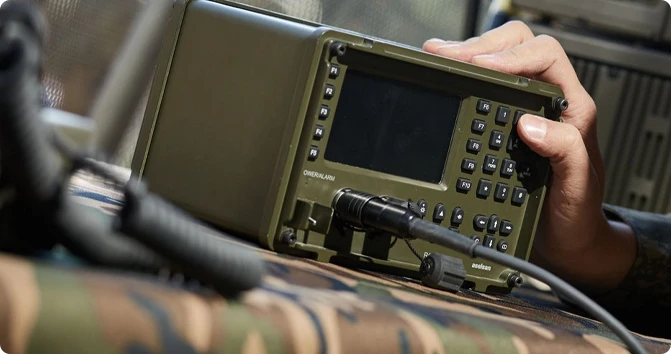
Having spent well over a decade in industrial equipment environments, I can tell you one thing: spotting unwanted radio frequency signals quickly and reliably is no small feat. Among the tools we rely on, the portable RF detector stands out as a practical lifesaver — especially when you're out in the field, away from the comforts of stationary labs or big infrastructure. Oddly enough, it’s also a device that's often underestimated by those new to our trade.
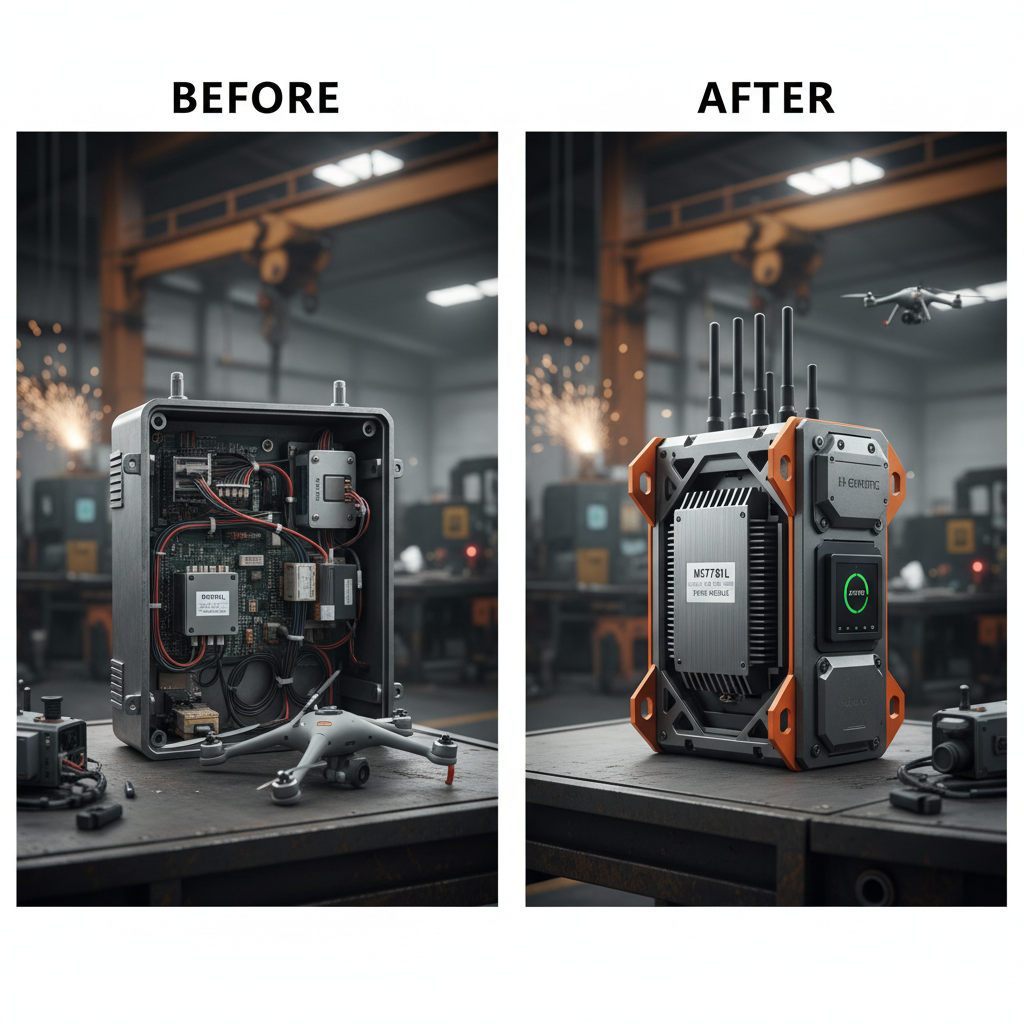
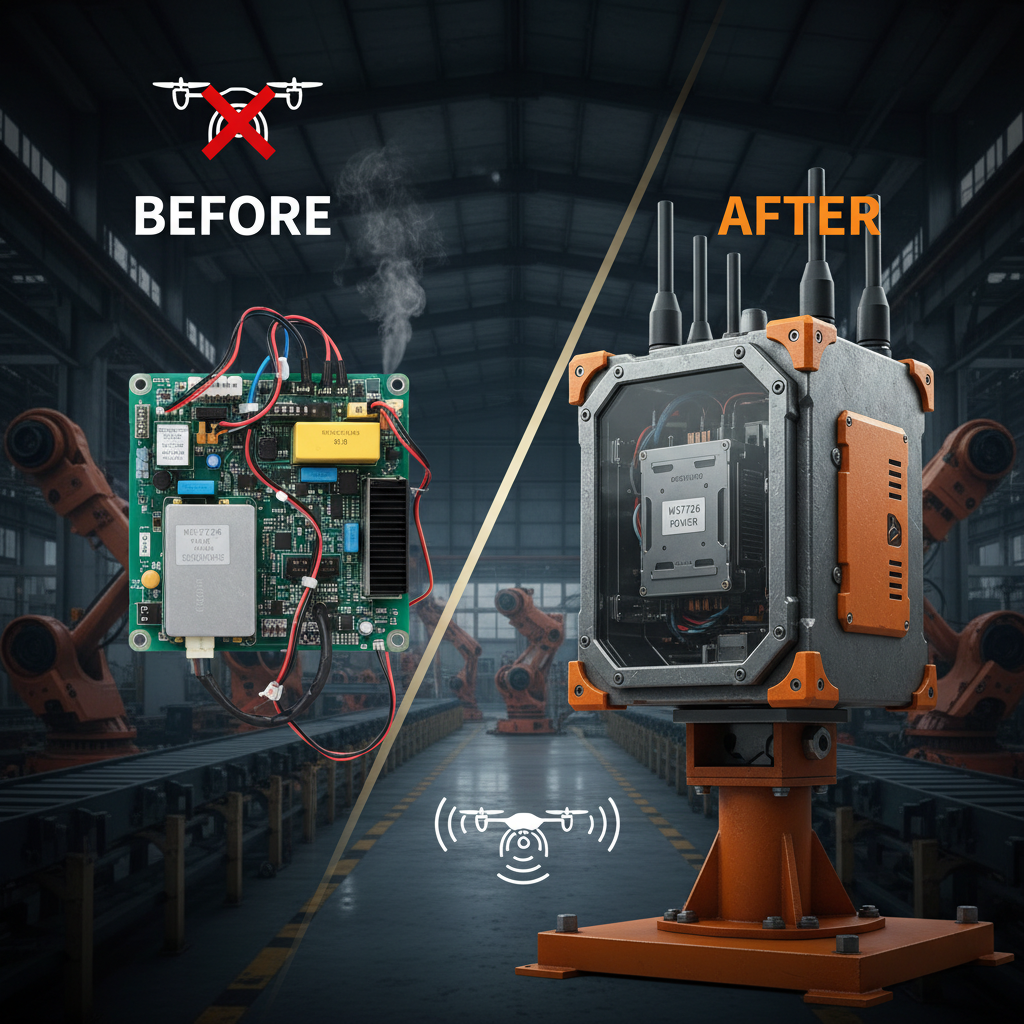
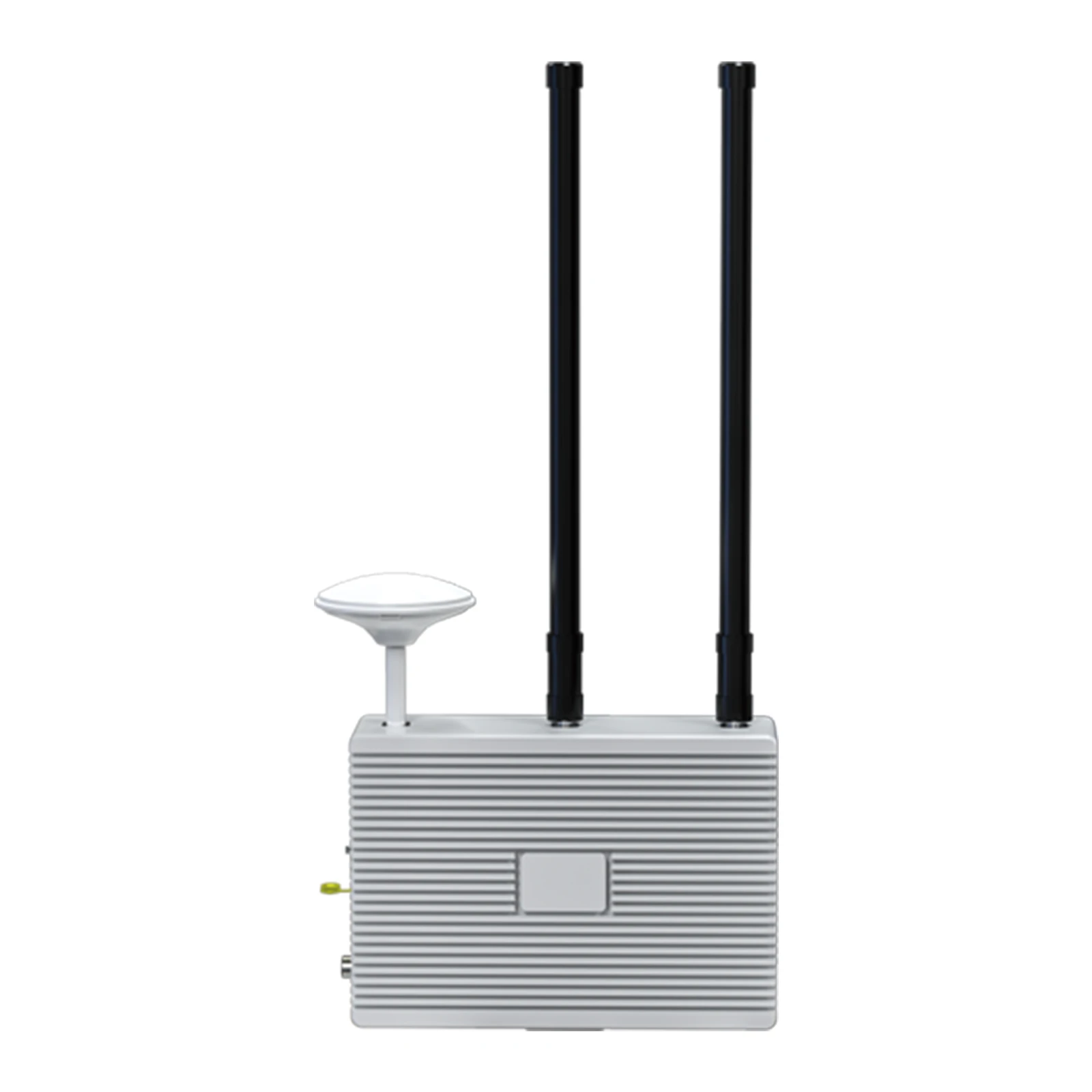
Now, you might think RF detection is just about scanning signals, but it goes deeper. The device’s design, materials, and sensitivity shape your entire detection experience. Back when I first started, the bulky, clunky detectors made it tedious to maneuver on tight industrial sites. These days, technology has advanced in surprising ways: compact, lightweight detectors with robust housings that can take a few knocks. You know, the kind of gear that doesn’t stop working if you accidentally drop it during a high-stakes inspection.
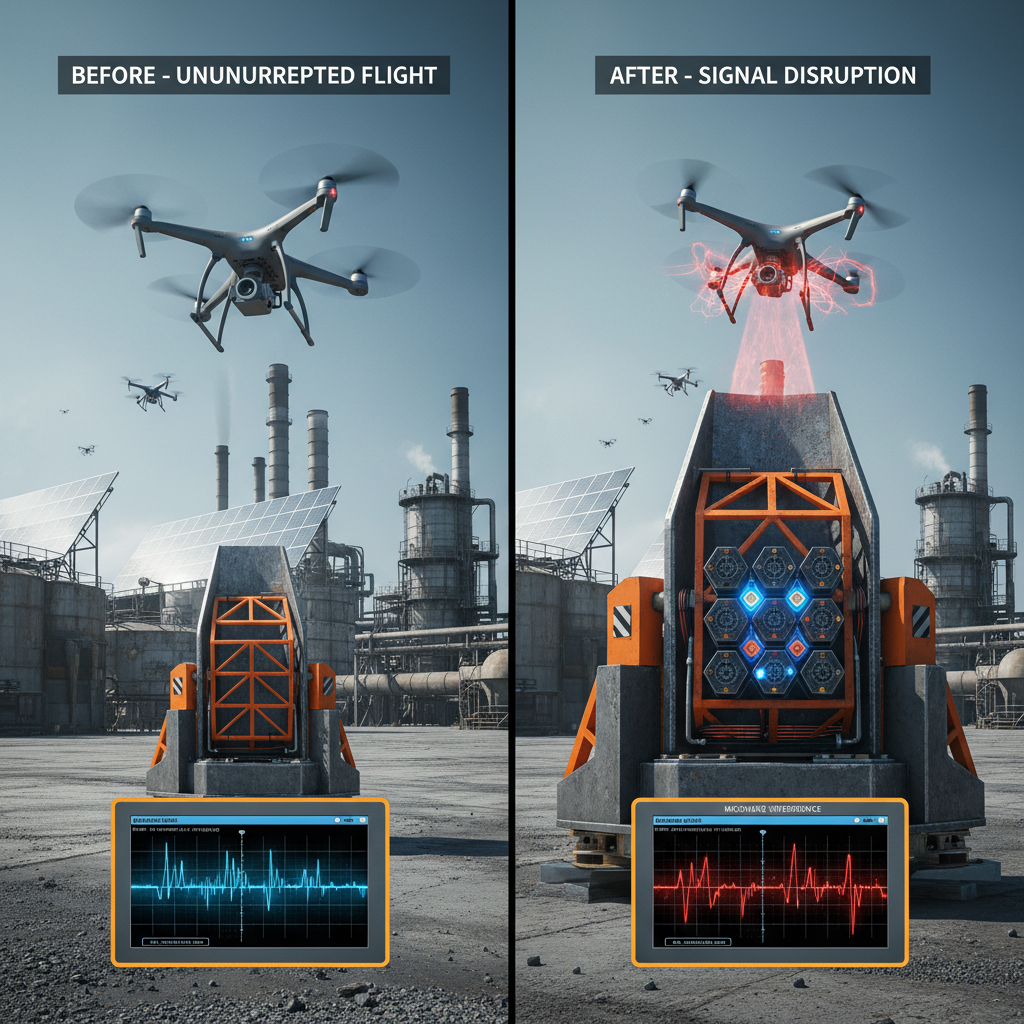
In real terms, portable RF detectors help detect unauthorized drones, interference sources, or security breaches in wireless communications — issues increasingly relevant given how wireless signals saturate industrial spaces. These devices come calibrated to pick up frequencies across a wide spectrum, typically from a few MHz to several GHz, allowing engineers to spot anomalies fast.
Let me share a quick story: I was on a remote job site where unexplained signal interference threatened to halt operations. With a trusty detector in hand, we found a rogue transmitter camouflaged behind equipment racks — without it, figuring this out would've taken days. The efficiency gain in such moments is palpable.
Key Specifications of a Portable RF Detector
| Specification | Typical Value |
|---|---|
| Frequency Detection Range | 20 MHz – 6 GHz |
| Sensitivity | -80 dBm (typical) |
| Battery Life | 8-12 hours (rechargeable) |
| Weight | Approximately 400 grams |
| Display | LCD with signal strength bar graph |
| Operating Temperature | -10°C to 50°C |
Comparing Leading Portable RF Detector Vendors
| Vendor | Price Range | Frequency Range | Portability | Unique Features |
|---|---|---|---|---|
| Drone-Defense Co. | $1,200 - $1,800 | 100 MHz - 6 GHz | Highly portable, wrist strap included | Real-time threat level indicator |
| SignalWatch Systems | $900 - $1,500 | 20 MHz - 5 GHz | Pocket-sized, lightweight | Touchscreen interface, data logging |
| WaveHunter Tech | $1,500 - $2,200 | 30 MHz - 6.5 GHz | Rugged design, shoulder strap | Integrated spectrum analyzer |
Something I’ve noticed over the years: engineers in the industrial equipment sphere often balance between precision and usability. Some favor devices with exhaustive feature sets (like integrated spectrum analyzers), while others want straightforward tools that don’t get in the way during inspections. Honestly, both camps have strong arguments. I suppose it boils down to your specific operational needs.
Customization options have improved, too. Some vendors let you tweak sensitivity thresholds or even program custom alert tones — handy when you’re juggling multiple detection tasks. Ultimately, regardless of brand or features, the goal is reliability and speed. You want to be confident that when rogue signals pop up, your portable RF detector catches them pronto, so you can resolve issues before they escalate.
In closing, if you are serious about securing wireless environments or simply ensuring smooth communication channels in industrial spaces, investing in the right portable RF detector is worthwhile. It feels like a modest purchase on paper, but in the field? It can be an absolute game-changer.
References:
- Smith, J. “Wireless Signal Monitoring in Industry.” Industrial Tech Journal, 2021.
- Lee, A. “Portable RF Detection: Best Practices.” Radio Engineering Review, 2022.
- GreenField Solutions. “Case Studies on RF Interference Detection.” 2023.

-
 09 March 2021 16 Apr 2026
 -
 09 March 2021 09 Apr 2026
 -
 09 March 2021 07 Apr 2026
 -
 09 March 2021 04 Apr 2026
 -
 09 March 2021 31 Mar 2026
-
 09 March 2021 21 May 2025
 -
 09 March 2021 25 Dec 2024
 -
 09 March 2021 14 Oct 2022
-
 09 March 2021 25 Dec 2024
 English
  Arabic
  Belarusian
  Danish
  Dutch
Dutch  French
  German
  Greek
Greek  Japanese
  Korean
  Myanmar
  Polish
  Portuguese
  Russian
  Spanish
  Swedish
  Thai
Thai  Ukrainian
  Vietnamese