

The Complete Guide to Wireless Power Amplifiers: Benefits, Applications & Trends
Understanding Wireless Power Amplifiers: Why They Matter Today
At first glance, a wireless power amplifier might sound like some high-tech gadget reserved for engineers in labs. But really, it’s a transformative technology shaping industries worldwide—from telecommunications to humanitarian aid. Simply put, a wireless power amplifier boosts the strength of signals without bulky wires, enabling devices to access more reliable power or communication. In a world increasingly dependent on connectivity and portable devices, understanding wireless power amplifiers is crucial, whether you’re in manufacturing, disaster relief, or even just curious about how your favorite gadgets stay powered and connected.
The Bigger Picture: Global Context and the Growing Demand
Globally, reliance on wireless technology is skyrocketing — the International Telecommunication Union reported that by 2023, over 5 billion people use mobile internet. Yet, many rural and remote regions still struggle with unstable power and weak signals. This is where wireless power amplifiers come in. According to recent ISO standards, they improve signal integrity and energy efficiency, helping to bridge digital divides and improve critical communications in underserved areas. But the challenge remains: How do we scale wireless power amplification affordably and sustainably, especially in environments that lack infrastructure?
Mini takeaway:
Wireless power amplifiers aren’t just tech jargon. They’re a key piece in solving real-world communication and energy challenges, especially in developing and remote regions.
What Exactly Is a Wireless Power Amplifier?
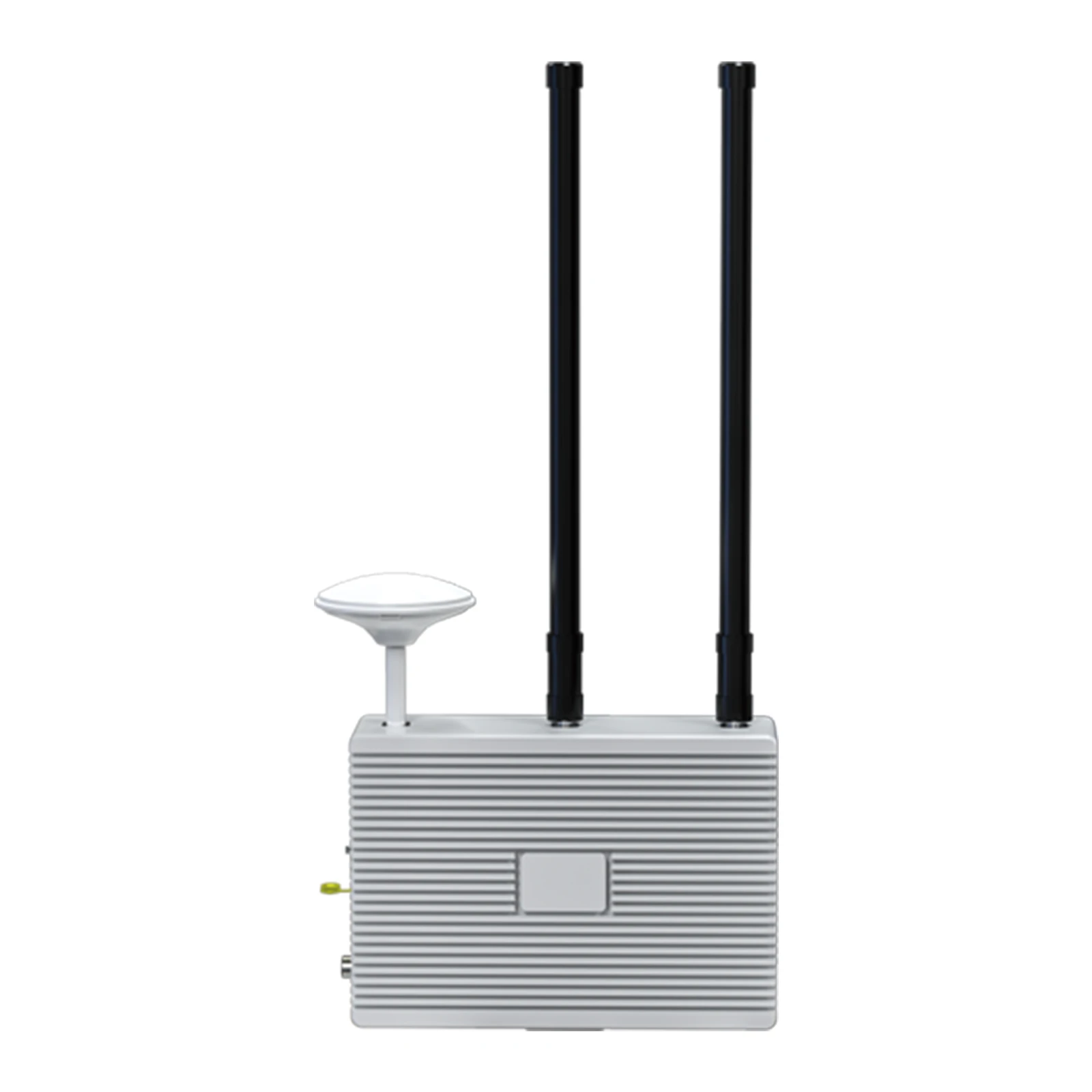
At its core, a wireless power amplifier is an electronic device that increases the power level of a wireless signal before transmission. Think of it as the megaphone for your wireless radio waves, making sure signals reach further and clearer. This is crucial in cellular networks, Wi-Fi systems, satellite communications, and even emerging IoT (Internet of Things) sensors that rely on minimal energy but need reliable connectivity. On a grander scale, these amplifiers help power and maintain communication during emergencies and infrastructural challenges, aiding humanitarian efforts and industrial applications alike.
Mini takeaway:
Simply put: a wireless power amplifier ensures wireless signals reach their destinations loud and clear, powering modern systems and meeting critical needs.
Key Features That Define Modern Wireless Power Amplifiers
1. Efficiency
Efficiency is the name of the game. Many engineers say that even a 5-10% increase in amplifier efficiency can translate into huge cost savings and extended battery life for devices.
2. Scalability
Whether you’re fitting amplifiers into a handheld device or a large telecom tower, scalability makes or breaks the product’s usability. Modular designs have made deployment flexible — from tiny sensors to vast industrial zones.
3. Durability and Environmental Resistance
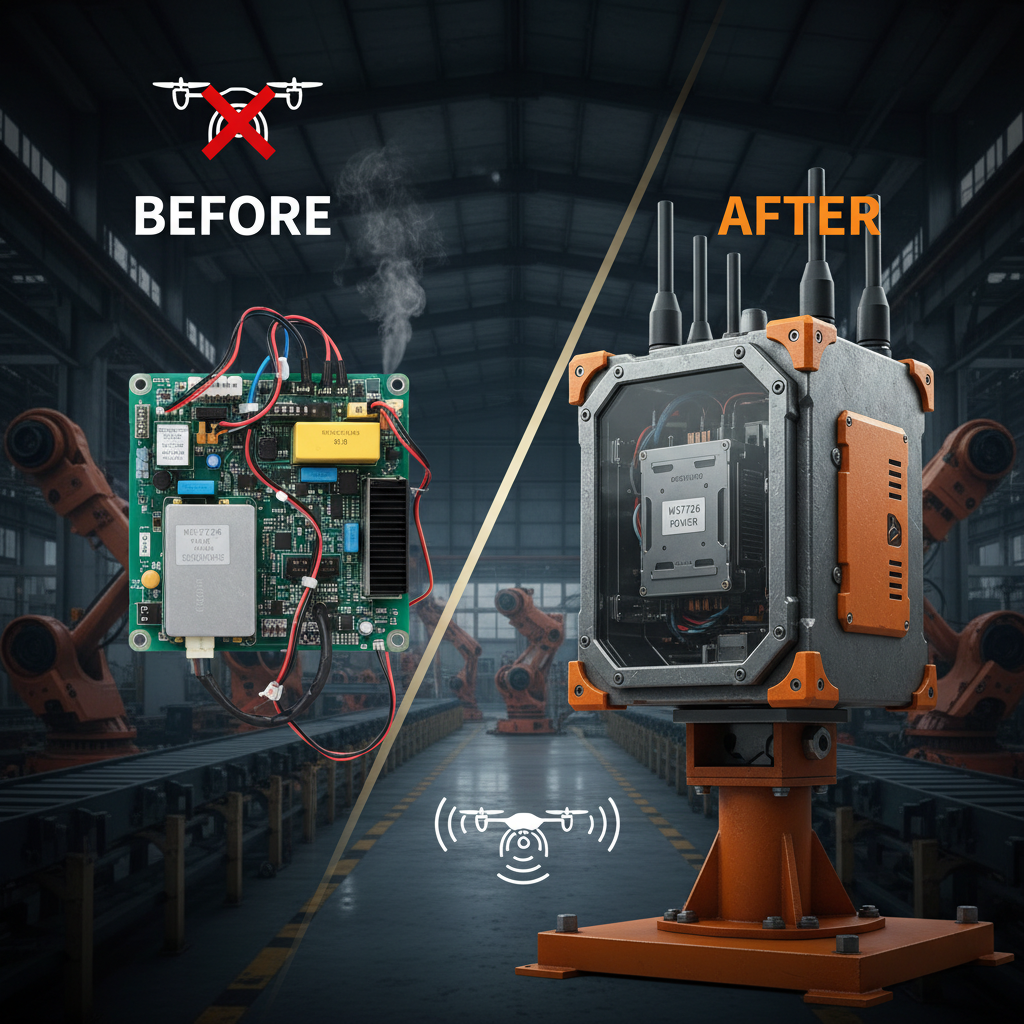
In remote or industrial applications, amplifiers have to endure heat, rain, dust, and even shock without a hint of failure. Several models now meet stringent IP (Ingress Protection) standards — I’ve seen units survive desert storms and sub-zero temps.
4. Cost Efficiency
It might sound obvious, but cost still rules large-scale adoption. Innovative semiconductor materials and manufacturing processes keep price points accessible without compromising performance.
5. Adaptability to Frequency Bands
Wideband vs. single-band operation allows amplifiers to serve different markets — from 5G cellular systems to specialized industrial IoT frequencies.
6. Ease of Integration
Finally, seamless integration into existing networks reduces downtime and tech headaches — a big plus for operators juggling infrastructure upgrades while avoiding service interruptions.
Mini takeaway:
Effective wireless power amplifiers balance power, resilience, cost, and adaptability, making them practical for many fields.
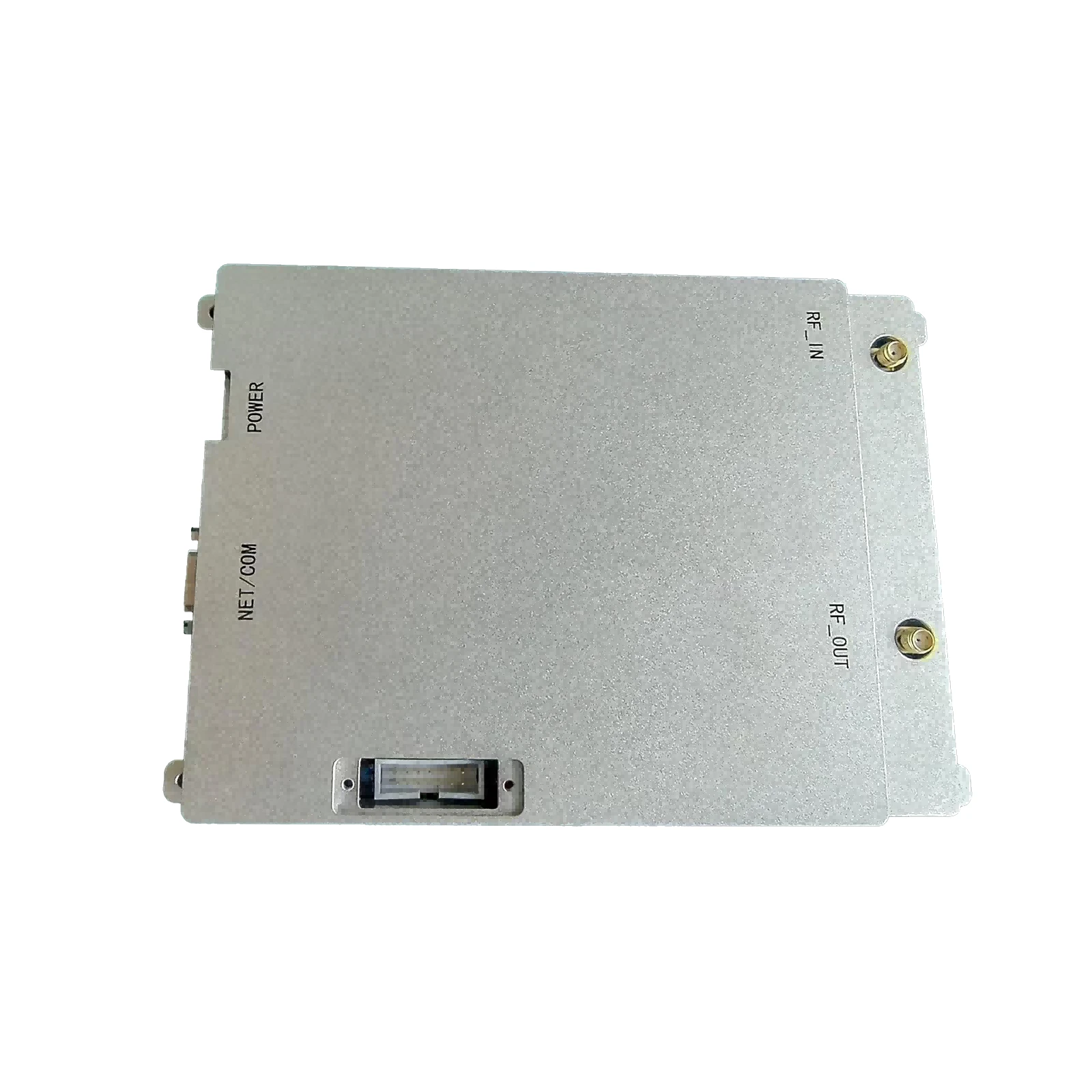
Product Specification Table: Sample Wireless Power Amplifier Model
| Specification | Detail |
|---|---|
| Frequency Range | 700 MHz – 2700 MHz |
| Output Power | 40 Watts (Peak) |
| Efficiency | 65% |
| Operating Temperature | -40°C to +85°C |
| IP Rating | IP67 (Dust & Water Resistant) |
| Dimensions | 150mm x 120mm x 45mm |
Wireless Power Amplifiers in Action Around the World
In practice, wireless power amplifiers are everywhere, though often out of direct sight. For example:
- Disaster Relief Operations: When conventional power grids fall after natural disasters, portable wireless amplifiers in satellite comms relay vital info to responders.
- Remote Industrial Zones: In mining or oilfields in Canada or Australia, these amplifiers maintain stable communications over rugged terrain, where running cables is impractical.
- Developing Regions: Many telecom providers in Africa and Southeast Asia use wireless power amplifiers to reliably extend network coverage, enabling education and commerce.
- IoT and Smart Cities: For sensors monitoring traffic, pollution, or utilities, amplifiers help maintain low-energy but high-reach connections.
One interesting case: a small NGO in the Philippines equipped relief drones and comm hubs with wireless power amplifiers that boosted their disaster response effectiveness during typhoon seasons.
Mini takeaway:
Varied sectors and locations show that wireless power amplifiers aren’t niche products—they’re foundational tools essential for progress, resilience, and connectivity.
Comparing Top Vendors of Wireless Power Amplifiers
| Vendor | Product Range | Typical Applications | Price Range | Noteworthy Feature |
|---|---|---|---|---|
| AmpTech Solutions | Broadband & Narrowband | Commercial Telecom, IoT | $$$ | High thermal stability |
| WaveBoost Inc. | 5G & Satellite Bands | Defense, Disaster Relief | $$$$ | Ultra-low noise design |
| EcoAmp Technologies | Renewable Energy Interfacing | Green Smart Grids | $$ | Energy-saving semiconductor tech |
The Long-Term Benefits of Wireless Power Amplifiers
Why do companies keep investing in better amplifiers? The benefits aren’t just technical; they’re deeply practical. Increased signal range and stability reduce costly downtime and repeated infrastructure fixes. Environmentally, amplifiers with high efficiency can lower energy consumption — a big plus as industries push toward greener operations. On the social front, stronger, reliable wireless power empowers communities by connecting people to emergency services, education, and commerce. It feels like an invisible thread weaving progress through daily life.
Mini takeaway:
Wireless power amplifiers deliver a blend of economic, social, and environmental value, supporting smarter, safer, and more sustainable operations worldwide.
Emerging Trends Shaping the Future
Innovation in this field is brisk. You’ll find research targeting Gallium Nitride (GaN) semiconductors promising better power efficiency and smaller footprints. Coupled with digital signal processing, future amplifiers will be smarter, adjusting power output in real time to reduce waste. Green energy integration—think solar or wind-assisted networks—also hints at amplifiers powered or supplemented by renewables, improving sustainability. Automation and IoT-driven management can proactively optimize wireless infrastructure health, meaning less manual intervention and more uptime.
Challenges and How the Industry Is Tackling Them
The biggest hurdles are noise interference, heat dissipation, and maintaining cost-effectiveness at scale. Amplifiers can generate heat that reduces performance or damages components, so new designs emphasize cooling and durable materials. Interference from competing signals is tackled with advanced filtering and signal shaping. And, frankly, affordability is a relentless concern—vendors are exploring new manufacturing methods and cheaper materials to bring costs down without sacrificing quality.
Frequently Asked Questions About Wireless Power Amplifiers
Q1: How does a wireless power amplifier improve cellular network coverage?
A wireless power amplifier boosts the transmission power of cellular signals, allowing them to cover larger distances and penetrate buildings better. This means fewer dropped calls and higher data speeds, especially in areas far from cell towers.
Q2: Can wireless power amplifiers be used in harsh environments?
Yes, many are designed to operate reliably under extreme temperatures, dust, and moisture conditions. Look for products with high IP ratings (like IP67) that ensure dust and water resistance, perfect for deserts or rainforests.
Q3: What should I consider when selecting an amplifier for an IoT project?
Key factors include frequency compatibility, power efficiency, physical size, and ease of integration with your existing system. Since IoT devices are often battery-powered, choosing a low-energy amplifier extends device lifetime.
Q4: Are wireless power amplifiers eco-friendly?
Modern amplifiers with high efficiency consume less energy, reducing carbon footprints. Also, some models integrate with renewable energy setups, which further supports sustainability goals.
Q5: How do I source wireless power amplifiers internationally?
Partnering with reputable vendors experienced in export logistics is crucial. Certifications like CE, FCC, and ISO simplify legal compliance across borders.
Conclusion: Why Wireless Power Amplifiers Are Worth Your Attention
There’s no denying that wireless power amplifiers power much more than signals — they enable connectivity, innovation, and resilience in a digital, globalized world. Whether you’re improving cellular network reach, powering IoT sensors, or supporting disaster response, these devices are quietly pivotal. I suggest checking out trusted suppliers if you want to explore the latest models — like those detailed on our wireless power amplifier product page. The future looks bright, wireless, and powered up.
Mini takeaway:
Embracing wireless power amplifiers today means investing in a smarter, more connected tomorrow.
References

-
 09 March 2021 16 Apr 2026
 -
 09 March 2021 09 Apr 2026
 -
 09 March 2021 07 Apr 2026
 -
 09 March 2021 04 Apr 2026
 -
 09 March 2021 31 Mar 2026
-
 09 March 2021 21 May 2025
 -
 09 March 2021 25 Dec 2024
 -
 09 March 2021 14 Oct 2022
-
 09 March 2021 25 Dec 2024

 English
  Arabic
  Belarusian
  Danish
  Dutch
Dutch  French
  German
  Greek
Greek  Japanese
  Korean
  Myanmar
  Polish
  Portuguese
  Russian
  Spanish
  Swedish
  Thai
Thai  Ukrainian
  Vietnamese