

Understanding RF Kit Power Amplifier Price – Essential Guide & Global Insights
Understanding RF Kit Power Amplifier Price: Why It Matters Globally
If you’ve ever dabbled in wireless communications or radio technology, you’ve probably come across the term radio frequency (RF) power amplifiers and, naturally, wondered about their cost — the rf kit power amplifier price. These devices are the unsung heroes behind everything from satellite communications and cellular networks to emergency response systems and remote sensing stations. Knowing their price points, specs, and application scopes isn’t just for tech geeks; it matters globally.
Why? Because affordable and reliable RF power amplification affects how fast and effectively information — crucial data, emergency signals, streaming content — reaches people worldwide. In developing countries, for instance, the cost of amplification kits can be a big hurdle to building robust communication infrastructure. On the flip side, in high-tech industries, choosing the right amplifier influences everything from energy efficiency to signal clarity.
In short: understanding the rf kit power amplifier price and its determinants equips engineers, project managers, and even NGOs to make smarter calls — leading to better connectivity and accessibility. So, let’s dive in.
The Global Context: Why the Price of RF Kit Power Amplifiers Matters
Globally, the telecommunications and wireless tech market is expected to reach nearly $1.5 trillion by 2026, according to the Statista Global Market Report. A big chunk of that is RF hardware — including power amplifiers. Now, why bring up market stats? Because the cost of components like RF kits directly influences rollout speed and quality of networks everywhere from bustling American cities to remote African villages.
Consider disaster zones where fast deployment of communication tools can literally save lives. The United Nations Disaster Risk Reduction strategy highlights how resilient communication tech is critical during emergencies. But here’s the rub: many affordable amplifier kits lack durability. Meanwhile, rugged options tend to be pricey.
So, balancing price with quality remains a challenge — but one ripe for innovation. And the rf kit power amplifier price plays right into that balance.
RF Kit Power Amplifier Price: Breaking Down the Basics
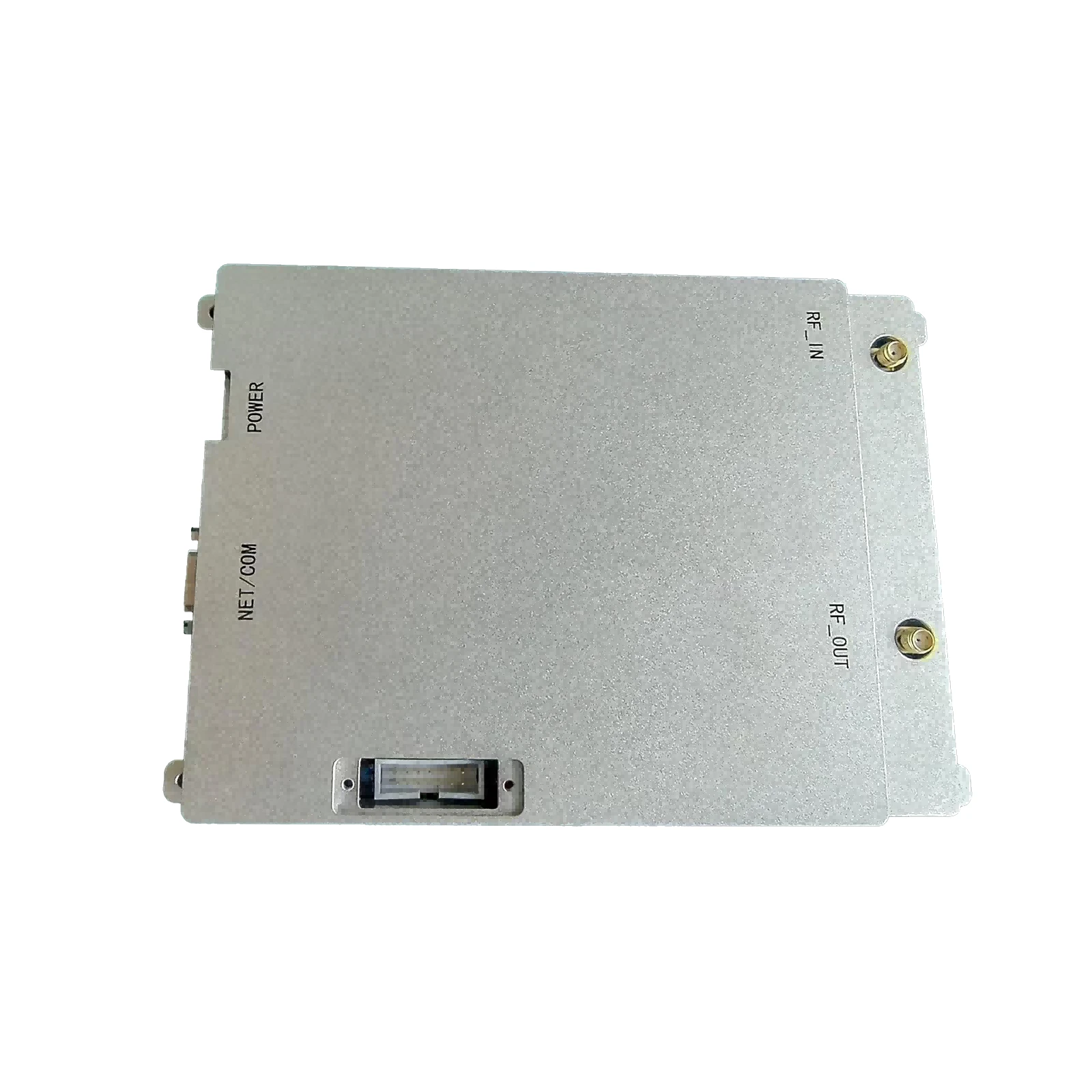
At its core, an RF kit power amplifier is a device that boosts low-power radio frequency signals to higher power levels, enabling signals to travel longer distances or penetrate obstacles better. Think of it like turning up the volume on a walkie-talkie — but for waves rather than sound.
The price tag attached to these kits partly reflects the amplifier’s wattage, frequency range, efficiency, and build quality. A typical RF power amplifier might be designed for amateur radio, industrial IoT, or military use, and each will have a distinct price range.
Importantly, these amplifiers are cornerstones in modern telecommunications, satellite comms, and even humanitarian aid — helping remote communities stay connected or enabling communication where it's otherwise hard to maintain.
Key Factors Influencing RF Kit Power Amplifier Price
1. Power Output and Frequency Range
The wattage rating is a primary cost driver — higher power output means more robust hardware and heat dissipation systems, pushing prices up. Similarly, amplifiers covering wider frequency spectrums demand more sophisticated circuitry and testing.
2. Efficiency and Thermal Management
Designs that minimize energy waste not only reduce operating costs but often carry higher upfront prices due to advanced materials or architectures (e.g., GaN transistors instead of silicon). Better heat management prolongs lifespan, which can tip the value scale favorably.
3. Durability and Environmental Ratings
Amplifiers intended for harsh environments (think deserts, rainforests, or disaster zones) need to meet strict ingress protection (IP) and ruggedness standards — naturally increasing price. Waterproofing, shock resistance, and corrosion-proof coatings aren’t freebies.
4. Scalability and Modularity
Some kits are designed to be modular — meaning you can upgrade or swap parts as needs evolve, enhancing long-term ROI despite initial price hikes.
5. Vendor Support and Warranty
Finally, the reputation and service level of a vendor often factor into cost. Solid technical support, good warranty terms, and reliable delivery schedules usually cost more — but many users swear it’s worth it.
| Specification | Typical Values |
|---|---|
| Power Output | 10W – 500W |
| Frequency Range | 100 MHz – 6 GHz |
| Efficiency | 30% – 70% |
| Operating Temperature | -40°C to 85°C |
| Ingress Protection | IP65 – IP67 |
Global Applications & Use Cases for RF Kit Power Amplifiers
In real terms, these amplifiers find homes in diverse scenarios:
- Disaster Relief Operations: Rapidly-deployed communication hubs rely on cost-effective RF amplifiers to reach affected populations.
- Remote Industrial Zones: Mines and oil rigs use rugged amplifiers for IoT and control signal transmission.
- Broadcasting: From small local stations to large networks, amplification quality affects broadcast reach and quality.
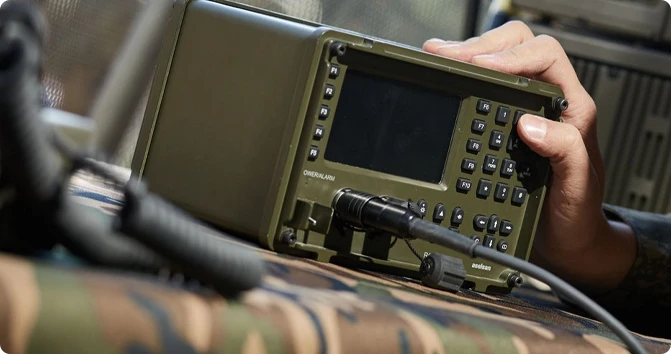
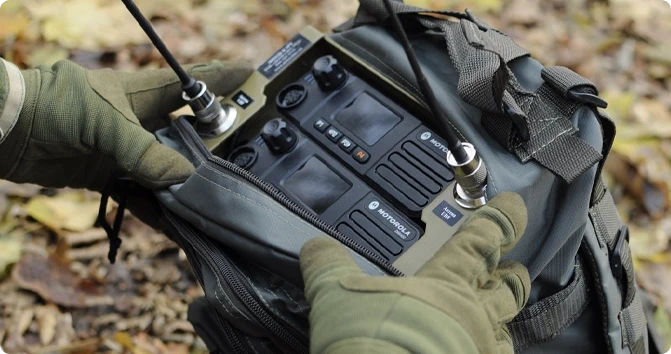
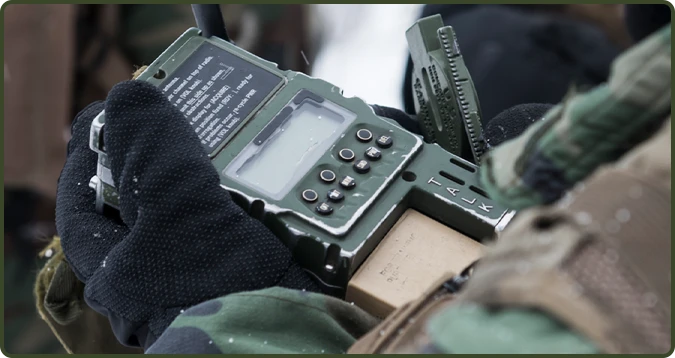
- Military Communications: Tactical radios use high-spec RF power kits for secure, long-distance communication.
- Space & Satellite: Power amplifiers in ground stations enhance uplink signals crucial for satellite operations.
Oddly enough, remote villages in parts of Asia and Africa often depend on these systems more than you’d expect — many NGOs invest heavily in reliable and affordable kits to empower community connectivity.
Advantages & Long-Term Value of Thoughtful RF Kit Investment
Sure, going cheap might seem tempting at first. But many engineers and field operators have learned the hard way that investing in well-designed amplifiers pays off down the road. Benefits include:
- Cost Efficiency: High-efficiency designs lower power bills.
- Reliability: Quality components mean fewer failures during critical missions.
- Sustainability: Durable products reduce waste and replacement costs.
- Social Impact: Better networks mean community safety, education, and access to resources.
It’s not just logical. There’s an emotional weight to knowing your equipment won’t quit when people need it most.
Future Trends & Innovations Shaping RF Kit Power Amplifier Price
Looking ahead, innovations are shaking up the amplifier landscape. Gallium Nitride (GaN) semiconductors are becoming mainstream, replacing traditional silicon for higher efficiency and smaller modules. This shift pushes the initial cost up but promises long-term savings and smaller footprints.
Plus, manufacturers are embracing green materials and modular designs that let users upgrade components instead of whole units. Digital transformation is enabling smarter, software-controlled amplification — improving adaptability but also tweaking price structures.
Lastly, the global push for sustainability means there’s growing pressure on vendors to prove eco-friendly supply chains and recyclability — factors which will subtly but surely influence rf kit power amplifier price in coming years.
Challenges & Solutions in Balancing Cost and Performance
Common headaches? Well, mismatched specs versus real field conditions, hidden costs like power consumption, and supply chain bottlenecks sometimes derail projects. Also, cheaper products often lack vendor support or warranties — leading to expensive downtime.
Industry experts suggest transparent testing reports, flexible modular designs, and pre-deployment consulting to optimize choices. Plus, long-term vendor relationships help mitigate hidden risks, even if it means paying a bit more up front.
Vendor Comparison: A Quick Look at Popular RF Kit Power Amplifier Providers
| Vendor | Price Range (USD) | Warranty | Support Level | Typical Applications |
|---|---|---|---|---|
| AmpliTech Solutions | $450 - $2,500 | 3 Years | 24/7 Phone & Email | Broadcast, Military |
| PowerWave Tech | $350 - $1,200 | 2 Years | Business Hours Only | Industrial, Amateur Radio |
| GreenAmp Inc. | $600 - $3,000+ | 5 Years | Premium 24/7 Support | Eco-Friendly Projects, IoT |
FAQ: Frequently Asked Questions About RF Kit Power Amplifier Price
Q1: What factors typically influence the price of RF power amplifier kits?
A1: Prices vary based on power output, frequency coverage, efficiency, build quality, and vendor service. Higher wattage, wider frequency ranges, ruggedness, and advanced materials usually raise costs, but offer better long-term value.
Q2: Can cheaper RF kits meet the demands of harsh environments?
A2: Generally, lower-cost kits might lack adequate protection against dust, moisture, or temperature extremes. For harsh environments, investing in IP-rated and ruggedized amplifiers is wise to avoid failures.
Q3: How does efficiency impact the overall cost beyond initial purchase?
A3: More efficient amplifiers consume less power, reducing electricity costs and cooling needs. Though sometimes pricier at first, these savings accumulate over time, lowering the total cost of ownership.
Q4: Is modular design common, and does it influence price?
A4: Modular designs allow upgrading or repairing parts without replacing the entire unit. These kits often have higher upfront prices but offer improved flexibility and cost savings in the long run.
Q5: Where can I find reliable pricing information for RF kit power amplifiers?
A5: Trusted vendors post pricing details on their sites, but prices often depend on specs. For up-to-date quotes, it’s best to reach out directly or check specialized platforms — for instance, see rf kit power amplifier price listings.
Conclusion: Making Sense of RF Kit Power Amplifier Price For Long-Term Success
At the end of the day, balancing the rf kit power amplifier price with performance, durability, and support is less about getting the cheapest sticker and more about investing in communication reliability that saves time — and in some cases, lives. Whether you’re deploying networks in remote areas, upgrading broadcast stations, or setting up emergency systems, understanding these price influencers empowers smarter decisions.
If you’re seeking detailed, current pricing and specs, feel free to visit our website at https://www.drone-system.com. Smart shopping starts with solid info — and now you’ve got a head start.

-
 09 March 2021 16 Apr 2026
 -
 09 March 2021 09 Apr 2026
 -
 09 March 2021 07 Apr 2026
 -
 09 March 2021 04 Apr 2026
 -
 09 March 2021 31 Mar 2026
-
 09 March 2021 21 May 2025
 -
 09 March 2021 25 Dec 2024
 -
 09 March 2021 14 Oct 2022
-
 09 March 2021 25 Dec 2024

 English
  Arabic
  Belarusian
  Danish
  Dutch
Dutch  French
  German
  Greek
Greek  Japanese
  Korean
  Myanmar
  Polish
  Portuguese
  Russian
  Spanish
  Swedish
  Thai
Thai  Ukrainian
  Vietnamese