

The Use Of Radio Frequency RF Detectors In Railway Systems
In the modern era of railway transportation, the integration of advanced technologies is crucial for ensuring safety, efficiency, and reliability. Radio frequency rf detector, radio frequency signal detector, and rf radio frequency detector have emerged as indispensable tools in railway systems. These detectors leverage radio frequency technology to monitor, detect, and manage various aspects of railway operations, playing a vital role in enhancing the overall performance of the rail network.
Train Operation Monitoring with Radio Frequency RF Detector
Radio frequency rf detector is key to monitoring train operations in railway systems. By detecting and analyzing the radio frequency signals emitted by trains, these detectors can provide real - time information about a train's location, speed, and operational status. For instance, in a large - scale railway network, multiple trains operate simultaneously on different tracks. A radio frequency rf detector installed along the tracks can pick up the unique radio frequency signatures of each train, allowing railway operators to track their movements precisely. This information is essential for coordinating train schedules, preventing collisions, and ensuring smooth traffic flow on the rails. Additionally, these detectors can also monitor the health of on - board systems by analyzing the radio frequency signals related to various train components, such as engines and braking systems, enabling early detection of potential malfunctions.
Track Condition Detection using Radio Frequency Signal Detector
Radio frequency signal detector plays a significant role in assessing the condition of railway tracks. The integrity of tracks is critical for the safe passage of trains, and any hidden defects can lead to serious accidents. These detectors work by emitting radio frequency signals into the ground and analyzing the reflected signals. Changes in the signal patterns can indicate issues such as cracks, voids, or loose components in the trackbed. For example, if there is a small crack developing in the rail, the radio frequency signal detector can detect the subtle changes in the electromagnetic field around the track, alerting maintenance teams to the problem. Regular track inspections using radio frequency signal detector help in timely maintenance and repair, reducing the risk of track - related disruptions and ensuring the longevity of the railway infrastructure.
Communication Security with RF Radio Frequency Detector
In railway systems, reliable communication is essential for coordinating train movements, transmitting safety information, and managing operations. Rf radio frequency detector is used to safeguard communication networks from interference and unauthorized access. Railway communication systems operate on specific radio frequency bands, and any external interference can disrupt the signals, leading to miscommunication or loss of critical information. An rf radio frequency detector continuously monitors the radio frequency spectrum to detect any abnormal or interfering signals. In case of interference, it can quickly identify the source and enable railway technicians to take corrective actions, such as adjusting frequencies or implementing shielding measures. Moreover, these detectors can also detect unauthorized radio frequency transmissions that may pose a security threat, ensuring the confidentiality and integrity of railway communication.
Radio Frequency RF Detector FAQS
How does a radio frequency rf detector track train speed?
A radio frequency rf detector tracks train speed by analyzing the frequency shift of the radio frequency signals emitted by the train. As the train moves, the Doppler effect causes a change in the frequency of the signals received by the detector. By measuring this frequency shift and using known formulas related to the Doppler effect, the detector can calculate the train's speed accurately. This real - time speed information is then transmitted to the railway control center for monitoring and management.
What types of track defects can a radio frequency signal detector identify?
Radio frequency signal detector can identify various types of track defects, including cracks in the rails, voids beneath the tracks, loose fasteners, and uneven track surfaces. When the detector emits radio frequency signals into the ground, the signals interact with the track components. Any changes in the physical structure of the track, such as a crack or void, will alter the way the signals are reflected back. By analyzing these changes in the reflected signals, the detector can pinpoint the location and nature of the defect, enabling timely repairs.
How does an rf radio frequency detector protect railway communication?
An rf radio frequency detector protects railway communication by constantly monitoring the radio frequency spectrum for any interfering or unauthorized signals. It uses advanced signal processing algorithms to distinguish between normal communication signals and abnormal ones. When it detects interference, such as from nearby radio transmitters or electronic devices, it alerts the railway technicians. They can then take measures like changing the communication frequency, increasing the signal strength, or implementing interference - mitigation techniques. Additionally, it can detect unauthorized attempts to access or disrupt the communication network, ensuring the security and reliability of railway communication.
Can radio frequency rf detectors work in all weather conditions?
Most radio frequency rf detectors are designed to operate in a wide range of weather conditions. They are built with ruggedized enclosures and weather - resistant components to withstand rain, snow, extreme temperatures, and high humidity. However, in some extreme weather events, such as severe thunderstorms with intense electromagnetic activity or heavy snowstorms that may obstruct the detector's sensors, the performance might be slightly affected. But with proper maintenance and design features, these detectors can still provide reliable detection in most normal and adverse weather situations.
How often should radio frequency signal detectors be calibrated?
The calibration frequency of radio frequency signal detectors depends on several factors, including the operating environment and the manufacturer's recommendations. In general, it is advisable to calibrate these detectors at least once a year. However, if the detectors are used in harsh environments or are subject to frequent vibrations and shocks, more frequent calibrations, such as every six months, may be required. Regular calibration ensures that the detectors maintain their accuracy in detecting track defects and other relevant signals, guaranteeing the effectiveness of railway maintenance and safety efforts.
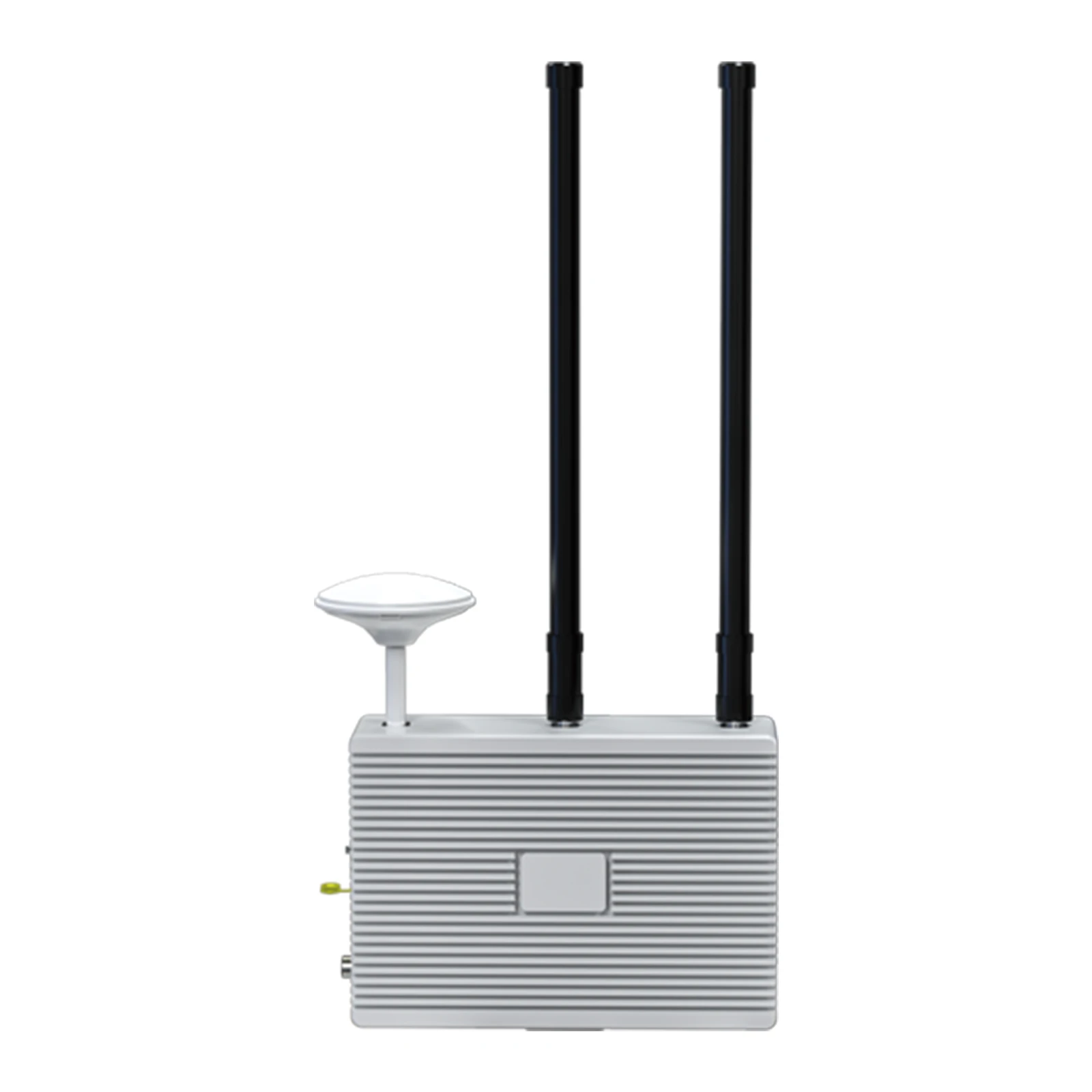
Are you looking to upgrade your railway system's safety and efficiency? Our company offers high - quality radio frequency rf detector, radio frequency signal detector, and rf radio frequency detector products. Our detectors are engineered with the latest technology, providing accurate, reliable, and real - time detection capabilities. Contact us today to explore our product range and place an order.

-
 09 March 2021 16 Apr 2026
 -
 09 March 2021 09 Apr 2026
 -
 09 March 2021 07 Apr 2026
 -
 09 March 2021 04 Apr 2026
 -
 09 March 2021 31 Mar 2026
-
 09 March 2021 21 May 2025
 -
 09 March 2021 25 Dec 2024
 -
 09 March 2021 14 Oct 2022
-
 09 March 2021 25 Dec 2024
 English
  Arabic
  Belarusian
  Danish
  Dutch
Dutch  French
  German
  Greek
Greek  Japanese
  Korean
  Myanmar
  Polish
  Portuguese
  Russian
  Spanish
  Swedish
  Thai
Thai  Ukrainian
  Vietnamese