

Understanding The Basics Of Radio Frequency Modules In Wireless Communication
Wireless communication has revolutionized the way we transmit and receive data, enabling seamless connectivity across various applications. At the heart of this technology lie radio frequency (RF) modules, which facilitate wireless signal transmission and reception. Among the most critical components are RF transmitter and receiver pairs, RF power amplifier modules, radio modules, and RF energy harvesting modules. These elements work together to ensure efficient, long-range, and low-power communication. This article explores the fundamentals of these modules, their applications, and how they contribute to modern wireless systems.
RF Transmitter and Receiver in Wireless Communication
The RF transmitter and receiver are the backbone of wireless communication systems. An RF transmitter converts electrical signals into radio waves, which are then broadcast through an antenna. Conversely, an RF receiver captures these radio waves and converts them back into electrical signals for processing. These modules are widely used in remote controls, wireless sensors, and IoT devices. Key factors influencing their performance include frequency range, modulation techniques, and transmission power. By optimizing these parameters, engineers can achieve reliable communication over varying distances.
RF Power Amplifier Module for Enhanced Signal Strength
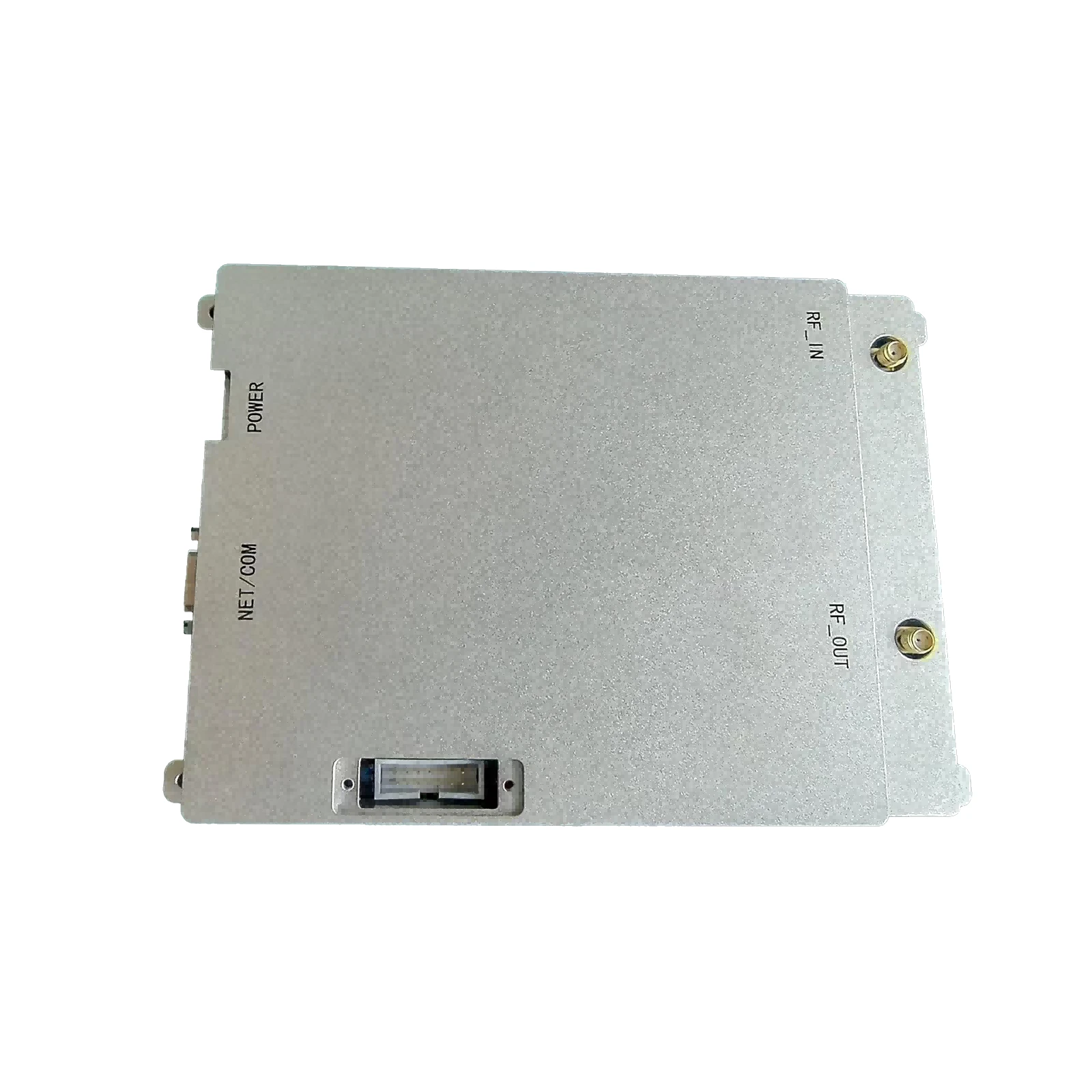
An RF power amplifier module plays a crucial role in boosting the signal strength of an RF transmitter. It ensures that the transmitted signal can cover longer distances without significant degradation. These modules are essential in applications like cellular base stations, satellite communication, and radar systems. The efficiency of an RF power amplifier module depends on factors such as linearity, gain, and power consumption. Advanced designs incorporate techniques like envelope tracking to improve efficiency, making them ideal for battery-powered and high-performance wireless systems.
Radio Modules for Seamless Wireless Connectivity
Radio modules integrate multiple RF components, including transmitters, receivers, and microcontrollers, into a single compact unit. These modules simplify the design process for wireless systems, offering plug-and-play functionality. Common applications include Wi-Fi, Bluetooth, and Zigbee-enabled devices. The versatility of radio modules makes them suitable for consumer electronics, industrial automation, and smart home systems. When selecting a radio module, factors such as operating frequency, data rate, and power consumption must be considered to ensure optimal performance.
RF Energy Harvesting Module for Sustainable Power Solutions
The RF energy harvesting module is an innovative technology that captures ambient RF signals and converts them into usable electrical energy. This module is particularly useful in low-power applications like wireless sensor networks and IoT devices, where battery replacement is impractical. By leveraging RF energy harvesting modules, engineers can design self-sustaining systems that reduce maintenance costs and environmental impact. The efficiency of these modules depends on the strength of ambient RF signals and the conversion circuitry used.
Frequently Asked Questions About RF Modules
This section addresses common queries about RF modules, helping customers understand their benefits and make informed purchasing decisions.
What are the advantages of using an RF transmitter and receiver pair?
An RF transmitter and receiver pair offers reliable wireless communication over varying distances, making them ideal for remote controls, telemetry, and IoT applications. They support multiple modulation techniques, ensuring compatibility with different systems.
How does an RF power amplifier module improve signal transmission?
An RF power amplifier module enhances signal strength, enabling long-range communication with minimal loss. It is crucial for applications requiring high output power, such as cellular networks and broadcasting systems.
Why should I choose integrated radio modules for my project?
Radio modules simplify wireless system design by combining essential components into a single unit. They reduce development time and ensure consistent performance, making them perfect for prototyping and mass production.
Can RF energy harvesting modules replace batteries in low-power devices?
Yes, RF energy harvesting modules can eliminate the need for batteries in low-power applications by converting ambient RF signals into electricity. This feature is especially beneficial for hard-to-reach or maintenance-free devices.
What factors should I consider when selecting an RF module?
Key considerations include operating frequency, power consumption, data rate, and environmental conditions. Choosing the right RF module ensures optimal performance and compatibility with your application.
RF modules are indispensable in modern wireless communication, enabling efficient data transmission, signal amplification, and energy harvesting. From RF transmitter and receiver pairs to RF energy harvesting modules, each component plays a vital role in ensuring seamless connectivity. By understanding their functions and applications, engineers and consumers can leverage these technologies to build smarter, more sustainable wireless systems. Whether for industrial automation, IoT, or consumer electronics, RF modules continue to drive innovation in wireless communication.

-
 09 March 2021 16 Apr 2026
 -
 09 March 2021 09 Apr 2026
 -
 09 March 2021 07 Apr 2026
 -
 09 March 2021 04 Apr 2026
 -
 09 March 2021 31 Mar 2026
-
 09 March 2021 21 May 2025
 -
 09 March 2021 25 Dec 2024
 -
 09 March 2021 14 Oct 2022
-
 09 March 2021 25 Dec 2024

 English
  Arabic
  Belarusian
  Danish
  Dutch
Dutch  French
  German
  Greek
Greek  Japanese
  Korean
  Myanmar
  Polish
  Portuguese
  Russian
  Spanish
  Swedish
  Thai
Thai  Ukrainian
  Vietnamese