

Understanding and Comparing RF Amplifier Price - Global Market & Trends
Understanding RF Amplifier Price: Why It Matters in Today’s Tech Landscape
Radio frequency (RF) amplifiers are behind nearly every booming wireless communication, radar system, and broadcasting technology that powers our modern world. But when it comes to rf amplifier price, there’s more to the story than just the sticker shock. It’s about balancing performance, durability, and costs to keep industries running and innovations flowing globally.
Why should you care? Well, from satellite communications to 5G networks and even humanitarian initiatives in remote locations, the cost and accessibility of RF amplifiers directly impact how efficiently and widely high-frequency signals can be amplified and transmitted. Understanding the pricing factors can shed light on everything from supply chain challenges to technology adoption rates.
Mini takeaway: RF amplifier pricing is a critical metric influencing telecommunication infrastructure development worldwide, tying together economics, engineering, and accessibility.
Global Context: How RF Amplifiers Shape Our Connected World
The International Telecommunication Union (ITU) estimates over 5 billion mobile subscriptions globally as of 2023, with next-generation networks relying heavily on RF amplifiers for strength and clarity.
Globally, market analyses by industry groups like the International Organization for Standardization (ISO) emphasize the growing demand for higher output power and energy efficiency in amplifiers. This demand simultaneously spikes concerns about rf amplifier price since quality amplifiers often involve pricey materials and sophisticated design.
That leads to a practical problem for network providers and industries alike: how to achieve reliability and scalability without breaking the bank? Enterprises in developing regions especially wrestle with the cost-performance equation, as affordable amplifiers can enable access to vital communication in underserved areas.
Mini takeaway: The global push for expanded and upgraded telecommunication networks places direct pressure on RF amplifier pricing, influencing accessibility and infrastructure growth.
RF Amplifier Price Defined: What Are We Talking About?
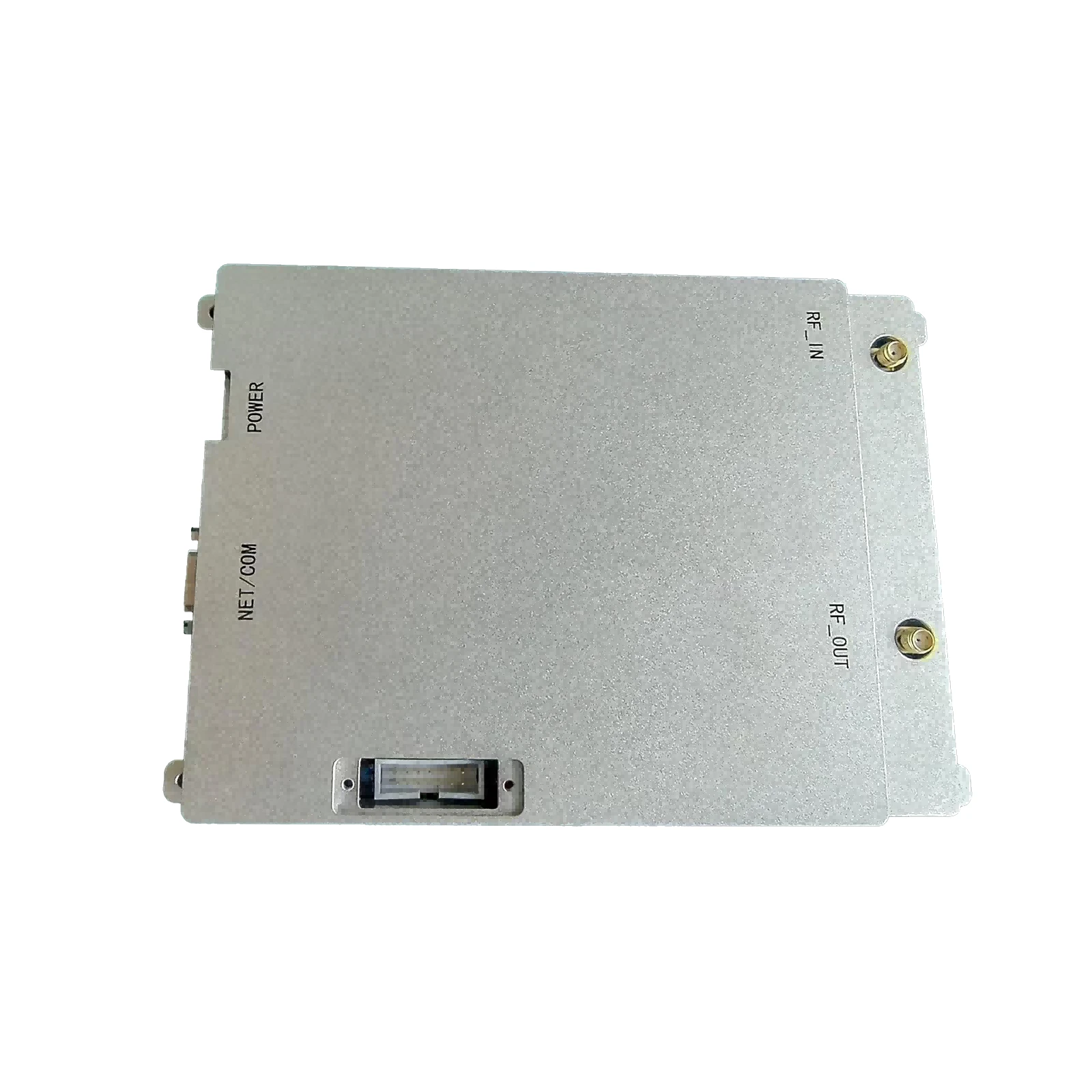
Simply put, rf amplifier price refers to the cost of purchasing RF amplifiers—a type of electronic device that boosts signal power at radio frequencies. They’re essential components in everything from mobile towers, satellite transceivers, to military radar.
It’s not simply about the retail sticker price. The true “price” involves design complexity, semiconductor materials, manufacturing tolerances, and even warranty and service packages. For industries pushing high-frequency signal transmission, the cost impacts procurement decisions, system design, and maintenance schedules.
Mini takeaway: RF amplifier price is more than a number — it represents a blend of technology, quality, and practical deployment considerations.
Key Factors Influencing RF Amplifier Price
1. Performance Specifications
Power output, gain, and noise figure significantly affect pricing. Higher output or ultra-low noise amplifiers require premium components and complex designs that naturally cost more.
2. Durability and Reliability
Amplifiers intended for harsh or remote environments—think desert telecom towers or offshore platforms—often incorporate ruggedized casings and thermal management systems, pushing the price upward.
3. Frequency Range
Amplifiers designed for ultra-high frequencies (like millimeter waves used in 5G) demand advanced semiconductor technology, which can drive prices into the higher brackets.
4. Scalability and Upgradeability
Modular designs that allow for upgrades or flexible integration into existing systems tend to command a premium but reduce long-term costs.
5. Regulatory and Certification Costs
Meeting regional and international standards like FCC, CE, or MIL-STD has a cost passed onto the buyer, impacting the final price.
6. Supply Chain and Manufacturing Location
The global semiconductor crunch and geographic economics (e.g., producing in North America vs. East Asia) influence market prices too.
Mini takeaway: RF amplifier price is the result of an intricate blend of technical specs, regulatory compliance, and supply chain factors.
Typical RF Amplifier Specifications
| Specification | Typical Range |
|---|---|
| Frequency Range | 100 MHz – 40 GHz |
| Output Power | +10 dBm – +50 dBm |
| Gain | 20 dB – 60 dB |
| Noise Figure | 0.5 dB – 3 dB |
| Operating Temperature | -40°C to +85°C |
Comparing Popular RF Amplifier Vendors
Choosing the right vendor is just as important as the product specs. Here’s a quick comparison of some leading RF amplifier suppliers:
| Vendor | Price Range (USD) | Specialties | Warranty & Support |
|---|---|---|---|
| AmplifyTech | $500 - $4,000 | High-frequency 5G modules | 2 years, on-site |
| WaveBoosters Inc. | $300 - $2,800 | Broadband low-noise amplifiers | 1 year, remote support |
| SignalUp Solutions | $800 - $5,000 | Ruggedized military-grade amplifiers | 3 years, direct replacement |
Global Applications: Where RF Amplifiers Make a Real Difference
Post-disaster communications benefit hugely from cost-effective, portable RF amplifiers. In 2022 after the floods in Southeast Asia, relief organizations deployed portable amplifiers enabling vital contact among scattered teams.
In remote Siberian oil camps, rugged amp units ensure satellite links stay solid through brutal winters. Urban telecom operators in Europe upgrade base stations with more energy-efficient amplifiers to handle exploding 5G traffic demand.
Oddly enough, even amateur radio enthusiasts closely follow the nuances of rf amplifier price since it defines how accessible high-performance signal boosting becomes on a hobbyist level.
Mini takeaway: RF amplifiers play quiet but pivotal roles across diverse sectors, making affordability and specs crucial factors everywhere.
Advantages & The Long-Term Value of Smart Investment
- Cost Efficiency: Investing in quality amplifiers can reduce maintenance downtime and power waste.
- Sustainability: Advances in semiconductor tech lead to greener devices with extended lifespans.
- Reliability: Trusted amplifiers improve network stability, enhancing user trust and safety.
- Social Impact: Affordable pricing enables broader communication access across impoverished regions.
In short, weighing rf amplifier price involves both the wallet and the bigger picture — supporting innovation that touches lives in direct and indirect ways.
The Future of RF Amplifier Pricing: What’s Next?
Automation in manufacturing, adoption of gallium nitride (GaN) materials, and digital signal processing integration promise to reshape how amplifiers are designed and priced. Green energy mandates might also push vendors to innovate lower-power, more sustainable products.
Meanwhile, geopolitical shifts and supply chain diversification will continue to nudge pricing around, so staying informed is key for buyers aiming to maximize value.
Challenges & Solutions in Managing RF Amplifier Costs
Current challenges include supply chain bottlenecks and balancing cutting-edge performance with affordability. Engineers are exploring modular platforms and regional sourcing to lower costs without sacrificing quality.
Even so, it’s a bit like walking a tightrope — push features too fast, and prices surge; hold back, and you fall behind on speed and coverage.
Frequently Asked Questions About RF Amplifier Price
- What factors most influence the cost of RF amplifiers?
- Performance specs like frequency range, power output, and noise figure greatly impact price, as do build quality, regulatory compliance, and production scale.
- Can cheaper RF amplifiers perform as well as high-end models?
- Not typically. While budget amps can work fine for less demanding setups, professional or critical applications require reliable, often costlier units.
- How does warranty affect the overall value of an RF amplifier?
- A solid warranty reduces long-term costs by covering repairs and replacements, making the initial price more justifiable.
- Is it better to buy RF amplifiers from global or local suppliers?
- Local suppliers may offer faster support and easier compliance with regulations, but global vendors often have wider product selections and cutting-edge tech.
- Are there eco-friendly RF amplifiers, and do they cost more?
- Yes, amplifiers using GaN technology and efficient power designs are more sustainable but can come at a higher initial price offset by lower running costs.
Conclusion: Finding Your Balance in RF Amplifier Investment
In the end, rf amplifier price is a multi-layered story. It reflects you’re not just buying a component — you’re investing in connectivity, reliability, and future-ready tech. Whether upgrading a telecom tower, supporting humanitarian telecoms, or hobbyist projects, understanding the price drivers helps you make smart decisions.
So next time you’re comparing options, pause to consider specs, durability, application needs, and long-term value—not just the upfront price. For detailed advice and current market analysis on rf amplifier price, feel free to visit our website.
References:
1. International Telecommunication Union (ITU)
2. International Organization for Standardization (ISO)
3. Wikipedia: RF Amplifier

-
 09 March 2021 16 Apr 2026
 -
 09 March 2021 09 Apr 2026
 -
 09 March 2021 07 Apr 2026
 -
 09 March 2021 04 Apr 2026
 -
 09 March 2021 31 Mar 2026
-
 09 March 2021 21 May 2025
 -
 09 March 2021 25 Dec 2024
 -
 09 March 2021 14 Oct 2022
-
 09 March 2021 25 Dec 2024

 English
  Arabic
  Belarusian
  Danish
  Dutch
Dutch  French
  German
  Greek
Greek  Japanese
  Korean
  Myanmar
  Polish
  Portuguese
  Russian
  Spanish
  Swedish
  Thai
Thai  Ukrainian
  Vietnamese