

Understanding RF Power Amplifier Price: A Global Perspective on Cost and Technology
Why RF Power Amplifier Price Matters Globally
If you’ve ever dabbled in wireless tech or telecommunications, the rf power amplifier price is more than a line item; it’s a critical factor influencing how accessible and scalable communication systems can be worldwide. Given that RF (Radio Frequency) power amplifiers amplify signals for everything from cell towers to satellite communications, their cost affects industries, emergency response, remote community connectivity, and even defense applications.
Globally, the expansion of 5G networks, IoT devices, and satellite internet has placed RF power amplifiers at center stage. According to the International Telecommunication Union (ITU), over half the world’s population relies on wireless technology daily. Managing costs like the rf power amplifier price becomes a bottleneck or an enabler, depending how it's handled.
In a nutshell, understanding the dynamics of RF power amplifier pricing helps engineers, procurement teams, and tech planners strike the balance between performance, reach, and affordability—something that’s profoundly important, whether you’re connecting a dense metropolis or an isolated mountain village.
The Global Context: Why RF Amplifier Price is a Hot Topic
Look around you: the connected world is only getting bigger. The World Bank estimates that global data traffic will triple by 2025, largely driven by mobile connectivity. But increasing capacity isn't just about more antennas or faster chips; it’s also about amplifying signals effectively without breaking bank budgets.
RF power amplifiers, pivotal for signal strength, come with varied price points depending on technology, power rating, and application niche. For governments and private companies rolling out large-scale networks, tight control over rf power amplifier price helps avoid spiraling costs.
But the challenge remains—lowering cost without compromising reliability or efficiency. This balance is vital, especially for humanitarian missions or rural electrification projects where budgets and logistics are constrained.
What Exactly Is RF Power Amplifier Price?
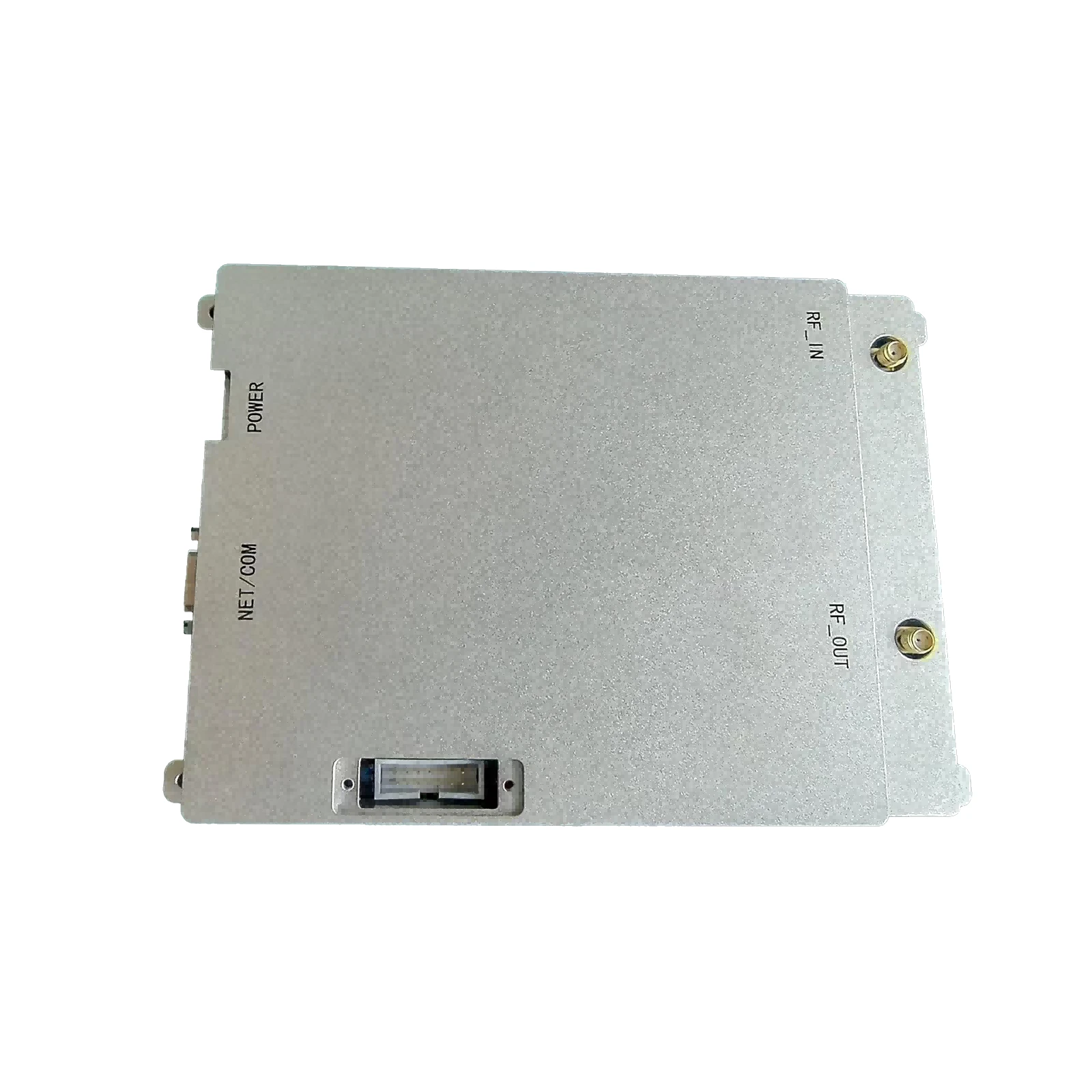
Put simply: the rf power amplifier price refers to the market cost of a device that boosts radio frequency signals from low-power levels to those required for transmission over long distances or through obstacles. These amplifiers are key in everything from cell towers to military radar systems.
Think of the cost as more than just hardware—it’s a reflection of design complexity, materials used (like gallium nitride chips), and production scale. In humanitarian contexts, say delivering communication in disaster zones, affordable yet rugged RF amplifiers mean the difference between rapid setup and frustrating delays.
Core Factors That Affect RF Power Amplifier Pricing
1. Performance & Power Output
Amplifiers range from low-power boosting units (just a few watts) to high-power beasts capable of hundreds of watts. Naturally, higher power amps typically cost more—both for their components and due to cooling requirements.
2. Technology & Materials
Gallium Nitride (GaN) amplifiers have surged in popularity for their efficiency and size benefits but carry a premium compared to older silicon-based amplifiers. The rf power amplifier price reflects these tech leaps.
3. Durability & Environmental Resistance
For industrial or military use, ruggedness matters—a lot. Amplifiers able to withstand dust, moisture, or temperature extremes often cost more at purchase, but save money long term.
4. Scalability & Integration
Devices designed to slot seamlessly into existing communication networks often command higher upfront prices but reduce installation complexity.
5. Volume & Supplier Reputation
Buying in volume and from established vendors usually swings the rf power amplifier price downward, thanks to economies of scale and trust in quality.
Mini takeaway: Price isn’t just about cost—it’s a proxy for the balance of power, tech, durability, and integration qualities that define an amplifier’s real-world value.
How RF Power Amplifiers are Used Worldwide
RF amplifiers find their place in many industries and regions:
- Telecommunications: Powering 4G, 5G cell towers across urban and rural areas.
- Disaster Relief: Mobile communication hubs in earthquake or flood zones rely on reliable RF amplifiers for rapid setup.
- Broadcast Media: Radio and TV stations use them to transmit signals over long distances.
- Military & Aerospace: Satellites and radar systems demand high-performance RF amplifiers with precise specifications.
- Industrial IoT: Remote sensors and devices often need low-power amplifiers embedded in scalable packages.
A few years ago during a major relief operation in Southeast Asia, compact, cost-effective amplifiers allowed swift restoration of communication lines—underscoring the real-life impact tied closely to their affordability and reliability.
RF Power Amplifier Specifications at a Glance
| Specification | Typical Range | Notes |
|---|---|---|
| Power Output | 1 W – 500 W | Varies by application |
| Frequency Range | 50 MHz – 6 GHz+ | Supports multiple wireless bands |
| Gain | 15 – 70 dB | Signal strength amplification |
| Efficiency | 20% – 60% | Higher for GaN amps |
| Technology | Si LDMOS / GaN / GaAs | Material impacts price & performance |
Comparing Top RF Power Amplifier Vendors
| Vendor | Price Range (USD) | Technology | Known For |
|---|---|---|---|
| AmplifyTech | $500 – $5,000 | GaN | High efficiency, rugged design |
| SignalCore | $350 – $3,000 | Si LDMOS | Cost-effective, reliable |
| WaveMax | $700 – $7,500 | GaN / GaAs Hybrid | Cutting-edge tech, premium pricing |
Long-Term Advantages of Investing Wisely
Choosing the right rf power amplifier price isn’t just about the here and now. Many engineers I’ve spoken with point out that prioritizing efficiency and durability reduces long-term expenditures on maintenance and power consumption.
Think safety and trust too—stable RF signals can literally be lifesaving in emergency broadcasts or secure military communication. And there's an emotional edge: when a rural community gets reliable internet thanks to affordable, high-quality amplifiers, it fosters dignity and innovation by connecting them to the wider world.
Emerging Trends Shaping the Future of RF Amplifiers
The future looks promising. Innovations include:
- Green Technology: Amplifiers optimized for lower power consumption align with global sustainability goals.
- Digital Predistortion: Advanced algorithms to enhance signal linearity, thus improving efficiency and reducing price indirectly.
- Material Breakthroughs: New semiconductor compounds could reduce manufacturing costs further.
- Automation and Remote Monitoring: Smart amplifiers integrated with IoT capability to self-diagnose and adapt, reducing onsite costs.
Solving Common Challenges
One of the biggest headaches remains the trade-off between affordability and performance. Lower-price amplifiers may suffer from reduced lifespan or unstable output. To get ahead, many manufacturers offer modular designs that allow users to upgrade chips or cooling modules over time—sort of spreading the investment.
Another solution is bulk purchasing with service agreements, which reduces initial per-unit cost while ensuring consistent performance—a tactic especially popular among large telecom operators.
Frequently Asked Questions About RF Power Amplifier Price
Q1: What determines the variations in RF power amplifier price?
A1: Factors include power output, semiconductor technology (GaN vs Si), build quality, environmental sealing, brand reputation, and volume discounts. Sometimes it’s the little firmware tweaks that push prices up too.
Q2: How can I ensure I’m getting good value without overpaying?
A2: Look for amplifiers with proven efficiency and durability specs, check vendor reviews, and consider total cost of ownership—not just upfront price. Comparing specs against your actual usage needs helps avoid overkill.
Q3: Are more expensive RF power amplifiers always better?
A3: Not necessarily. Costlier amplifiers often offer advanced features and longer life, but for some applications, mid-range amps provide sufficient performance at a better ROI. Match your needs carefully.
Q4: How does the rf power amplifier price impact deployment in developing regions?
A4: High prices limit access, delaying critical communication infrastructure. Affordable amplifiers enable wider coverage and quicker rollouts, impacting economic development and emergency communication.
Q5: Can I find custom RF power amplifiers tailored to specific needs?
A5: Yes, many vendors offer customization options that affect price. This can include specialized frequency bands, enhanced cooling, or ruggedized cases for harsh environments.
Conclusion & Next Steps
To wrap this up, if you’re balancing budgets with technical requirements, paying close attention to rf power amplifier price can yield significant dividends—both practically and financially—over the long haul. The smart investment isn’t necessarily the cheapest amp on the shelf but one that delivers reliable performance, scalability, and future-readiness.
If you’re hunting for detailed pricing and product options, visit our site: https://www.drone-system.com. Diving deeper there can help you navigate the myriad offers and find exactly what suits your project or operation best.
Thanks for sticking through — it’s a nuanced topic but a surprisingly impactful one once you connect the dots.
References

-
 09 March 2021 16 Apr 2026
 -
 09 March 2021 09 Apr 2026
 -
 09 March 2021 07 Apr 2026
 -
 09 March 2021 04 Apr 2026
 -
 09 March 2021 31 Mar 2026
-
 09 March 2021 21 May 2025
 -
 09 March 2021 25 Dec 2024
 -
 09 March 2021 14 Oct 2022
-
 09 March 2021 25 Dec 2024

 English
  Arabic
  Belarusian
  Danish
  Dutch
Dutch  French
  German
  Greek
Greek  Japanese
  Korean
  Myanmar
  Polish
  Portuguese
  Russian
  Spanish
  Swedish
  Thai
Thai  Ukrainian
  Vietnamese