

What is an RF Receiver Amplifier? Benefits, Applications, and Future Trends
Understanding the RF Receiver Amplifier: A Crucial Component in Modern Communication
In our interconnected world, the rf receiver amplifier is more than just a technical element tucked inside radios and communication hubs; it's a tiny powerhouse that supports everything from emergency response networks to commercial telecommunications. Why does this matter globally? Well, as our demand for faster, clearer, and more reliable wireless communication grows—whether in bustling cities or remote locations—rf receiver amplifiers ensure signals aren't lost or weakened before they reach their destination. Understanding their role unlocks insight into how countless industries keep their data flowing smoothly.
Global Context and Industry Relevance
Wireless communication drives global economies and social connectivity. According to the International Telecommunication Union (ITU), over 5 billion people use mobile devices worldwide, dependent on flawless signal transmission. But in remote regions or disaster-hit zones, signal strength often drops off rapidly. Enter the rf receiver amplifier, mitigating these issues by boosting weak signals amid interference or distance.
Yet challenges persist. For instance, industries face a constant struggle between energy efficiency and amplification power, especially in green tech sectors aiming to reduce carbon footprints. The rf receiver amplifier technology that balances these priorities is gaining more attention in standards organizations like ISO.
What Exactly Is an RF Receiver Amplifier?
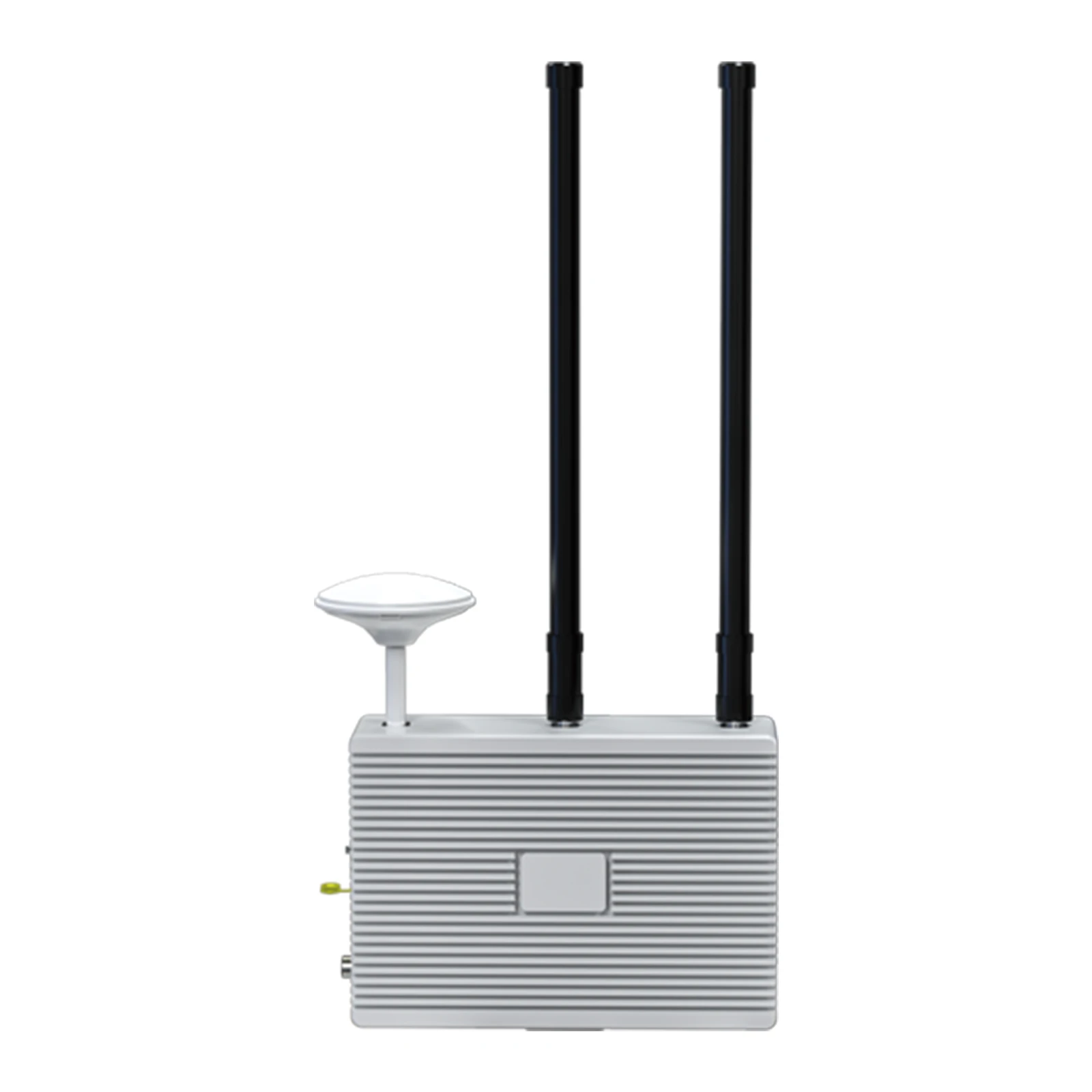
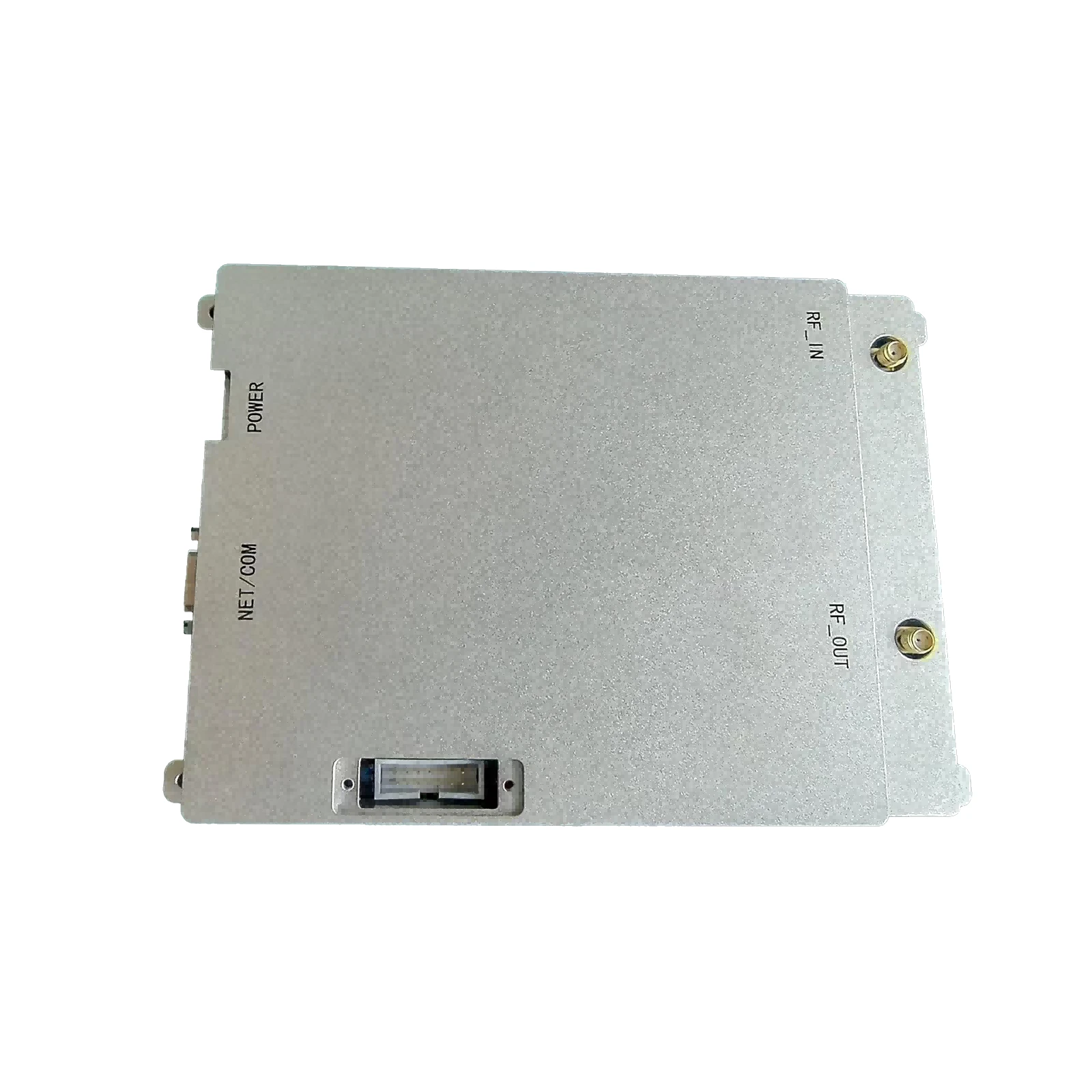
Simply put, an rf receiver amplifier is an electronic device designed to increase the power of radio frequency signals received by antennas before they’re processed. It takes faint radio waves, often marred by interference, and boosts them without adding significant noise or distortion. This step is critical to maintaining signal integrity.
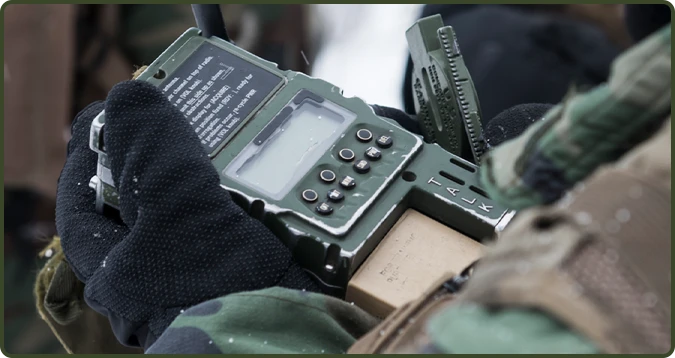
In humanitarian efforts, this means emergency responders can rely on clearer communications even when infrastructure is compromised. In industries like aviation and satellite communication, it translates to improved data accuracy and safer operation.
Core Components and Key Factors in RF Receiver Amplifiers
1. Gain
The gain is the amount the amplifier increases the signal power. It’s a delicate balance; too much can distort, too little leaves signals weak.
2. Noise Figure
This is perhaps the most critical specification. A low noise figure means the amplifier adds minimal unwanted signals, preserving clarity.
3. Linearity
Linearity measures how proportionally the amplifier increases frequencies. Non-linearity can cause signal distortion and intermodulation.
4. Bandwidth
The range of frequencies the amplifier can handle. Wider bandwidths mean multi-application versatility.
5. Power Consumption
Especially important in remote or portable systems, lower power consumption extends device life and reduces operational costs.
6. Durability and Environmental Resistance
Outdoor or industrial deployments demand rugged designs to withstand temperature extremes and moisture.
| Parameter | Value |
|---|---|
| Gain | 15-30 dB |
| Noise Figure | |
| Bandwidth | 20 MHz - 3 GHz |
| Power Consumption | 50-500 mW |
| Operating Temperature | -40°C to +85°C |
Mini Takeaway: The sophistication of an rf receiver amplifier lies in balancing gain, noise, and power to ensure clear communication even in demanding environments.
Global Applications & Use Cases
From dense urban centers in Asia to remote scientific outposts in Antarctica, rf receiver amplifiers play an indispensable role. Consider post-disaster scenarios in the Caribbean—after hurricanes, local communication infrastructures are often decimated. Portable systems equipped with high-performance amplifiers restore connectivity within hours, supporting relief agencies.
In industries like oil and gas, where offshore rigs operate in harsh conditions, rugged amplifiers ensure uninterrupted monitoring. Military and aerospace sectors also depend heavily on RF amplifiers for secure communication.
Even commercial 5G networks employ these amplifiers to optimize signal reception, improving user experiences in crowded venues.
Vendor Comparison: A Snapshot
| Vendor | Gain Range (dB) | Noise Figure (dB) | Typical Application | Environmental Rating |
|---|---|---|---|---|
| AmplifyTech | 18 - 28 | 0.9 - 1.2 | Telecommunications | IEC IP67 |
| SignalPro | 15 - 25 | Defense & Aerospace | MIL-STD-810 | |
| EcoWave | 20 - 30 | 1.1 - 1.5 | Renewable Energy Systems | IP65 |
Advantages and Long-Term Value
Because communication is foundational to modern life, the value of reliable rf receiver amplifiers extends beyond simple signal boosting. There's cost efficiency in reducing signal loss—fewer retransmissions mean energy savings and less infrastructure strain. Sustainability creeps in via low-power designs that align with environmental goals—yes, amplifiers can be green too.
The emotional side is just as significant: dependable communication preserves safety and dignity during crises, bringing a semblance of normalcy when things get tough. Innovation in amplifier design also fosters trust in new technologies, enabling digital transformation in rural health or education projects.
Future Trends & Innovations
Looking ahead, the trend toward integrating low-noise, wideband amplifiers with AI-powered signal management is gaining momentum. Imagine amplifiers that adapt their gain dynamically based on surrounding interference to optimize clarity—a sort of “smart” amplification.
On the materials front, gallium nitride (GaN) and silicon carbide (SiC) semiconductors promise higher efficiency and durability in smaller units. Green energy initiatives encourage amplifiers that harvest ambient signals or operate on ultra-low power, perfect for remote sensor networks.
Challenges & Expert Solutions
Despite remarkable advances, challenges remain. High gain sometimes introduces unwanted noise or signal distortion. Power consumption can still be a bottleneck for battery-operated units. Environmental factors like moisture and temperature swings jeopardize longevity.
Expert manufacturers tackle these issues with layered solutions such as multi-stage amplification, robust enclosure designs, and advanced filtering. Plus, modular kits allow users to swap components quickly, minimizing downtime.
FAQ: Frequently Asked Questions About RF Receiver Amplifiers
- Q: How do noise figures impact rf receiver amplifier performance?
- A: Noise figure measures how much noise an amplifier adds to the incoming signal. Lower noise figures (
- Q: Can rf receiver amplifiers be used in harsh environmental conditions?
- A: Yes. Many models are built to withstand extreme temperatures, moisture, and vibrations, often meeting standards like IP67 or MIL-STD-810, making them suitable for industrial and military applications.
- Q: What is the typical power consumption of a portable rf receiver amplifier?
- A: It varies but often ranges between 50 to 500 milliwatts. Energy-efficient designs can extend battery life in portable wireless devices significantly.
- Q: How does bandwidth affect the choice of rf receiver amplifier?
- A: Bandwidth determines the range of frequencies an amplifier can effectively boost. Choose a bandwidth that matches your intended frequency range to avoid signal loss and interference.
Conclusion & Call to Action
To sum it up, the rf receiver amplifier plays a silent yet heroic role in maintaining the backbone of our wireless communications. From emergency relief to next-gen networks, knowing how these amplifiers function and innovate helps us appreciate the technology that keeps us all connected. It’s worth exploring the latest advancements to ensure your systems are ready for future demands.
Curious to see high-quality rf receiver amplifiers in action? Visit our website: https://www.drone-system.com for expert solutions tailored to diverse applications.

-
 09 March 2021 16 Apr 2026
 -
 09 March 2021 09 Apr 2026
 -
 09 March 2021 07 Apr 2026
 -
 09 March 2021 04 Apr 2026
 -
 09 March 2021 31 Mar 2026
-
 09 March 2021 21 May 2025
 -
 09 March 2021 25 Dec 2024
 -
 09 March 2021 14 Oct 2022
-
 09 March 2021 25 Dec 2024

 English
  Arabic
  Belarusian
  Danish
  Dutch
Dutch  French
  German
  Greek
Greek  Japanese
  Korean
  Myanmar
  Polish
  Portuguese
  Russian
  Spanish
  Swedish
  Thai
Thai  Ukrainian
  Vietnamese