

Comprehensive Guide to RF Transmitter Amplifiers – Applications, Benefits & Trends
Understanding the Power of RF Transmitter Amplifiers in Modern Communications
If you’ve ever tuned into a radio broadcast, called someone long distance, or even used WiFi, chances are an rf transmitter amplifier played a part behind the scenes. But what exactly is this device, and why should it matter globally? In a nutshell, an RF transmitter amplifier is the unsung hero that boosts radio frequency signals for long-distance transmission—ensuring that messages, music, or data reach us clearly and reliably. As our world becomes more interconnected, understanding these amplifiers reveals huge benefits: from improving connectivity in remote regions to enhancing emergency communication networks during crises.
Why RF Transmitter Amplifiers Matter Globally
In 2023, the International Telecommunication Union (ITU) reported roughly 5 billion mobile subscriptions worldwide, with a steady push towards expanding coverage in developing regions. However, vast areas remain underserved due to geographical and infrastructural challenges. RF transmitter amplifiers help bridge this gap by strengthening broadcast and communication signals over long distances or through obstacles. Their role is critical in remote areas, maritime communications, aviation, and even humanitarian efforts where communication can be a matter of life and death.
These amplifiers don’t just power signals—they enable connectivity that fuels education, healthcare, disaster response, and economic growth worldwide.
What Is an RF Transmitter Amplifier?
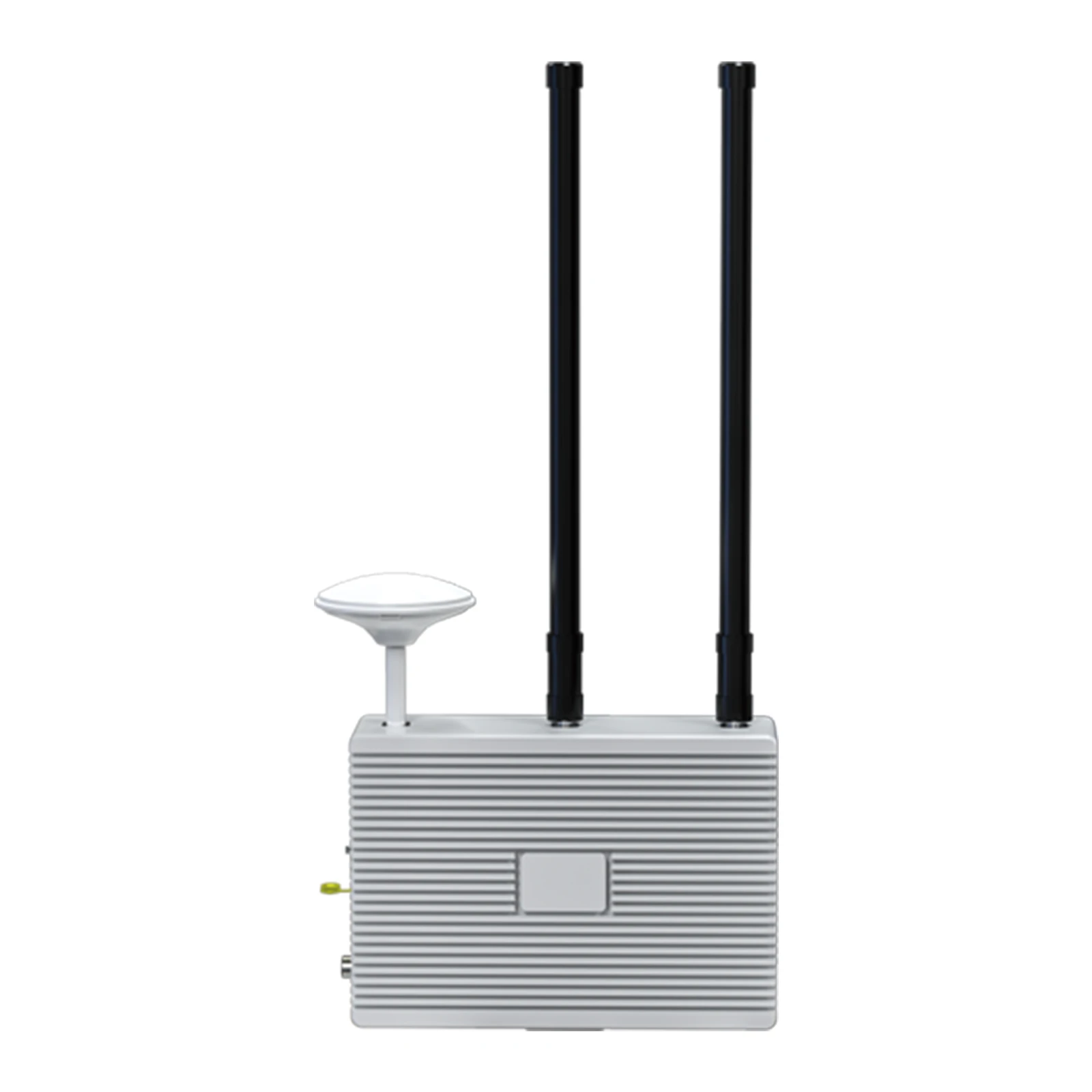
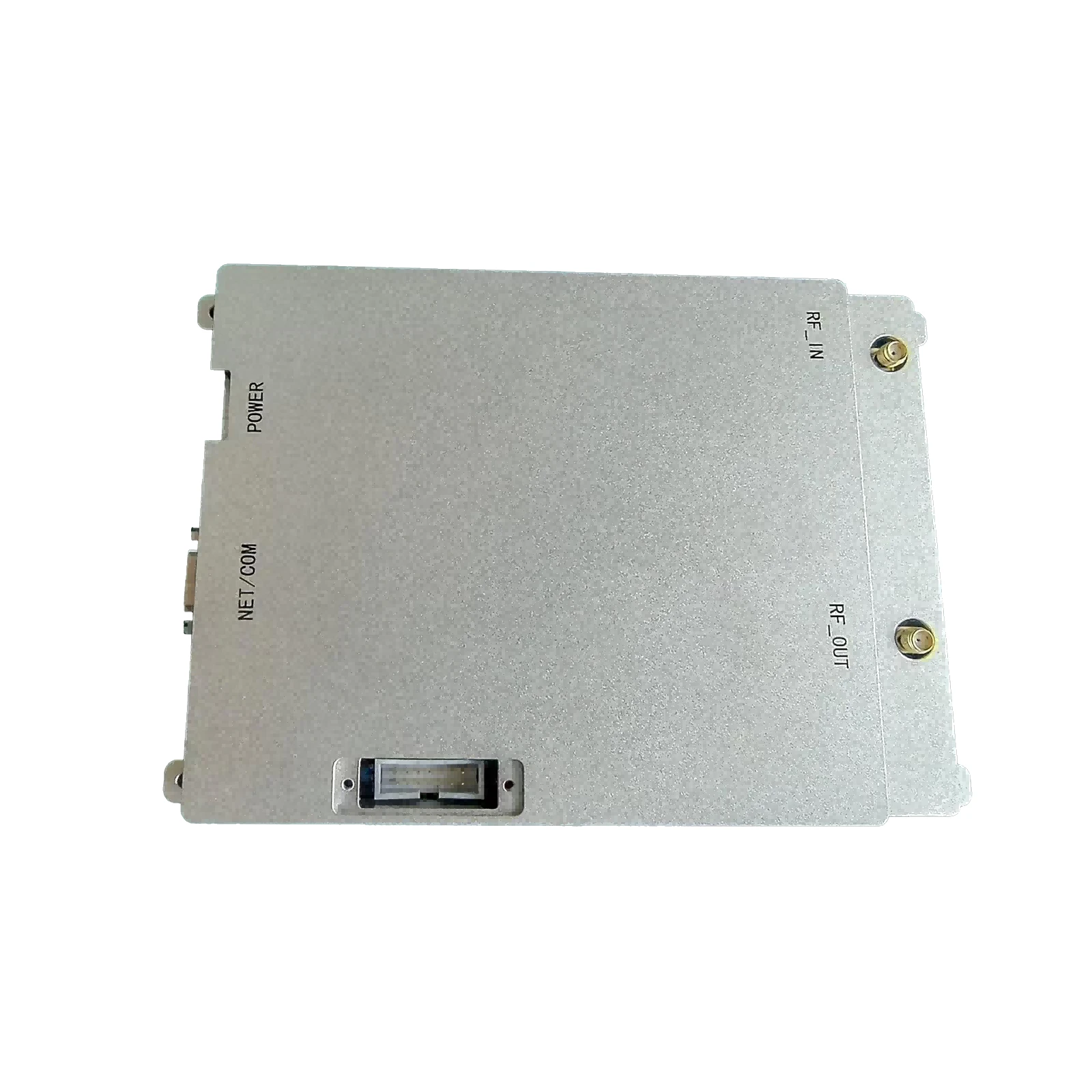
Put simply, an RF transmitter amplifier is an electronic device designed to increase (amplify) radio frequency signals before they are transmitted via antennas. Think of it like a megaphone for radio waves. It ensures the signal is strong enough to travel greater distances without losing clarity. This capability is vital for television broadcasts, satellite communications, cellular base stations, and increasingly for IoT networks.
In modern industry, these amplifiers boost wireless communication systems that support automation, remote monitoring, and data exchange. More importantly, in humanitarian contexts—post-disaster zones, refugee camps, or remote clinics—they ensure reliable lifelines when conventional infrastructure falters.
Key Components and Considerations for RF Transmitter Amplifiers
1. Power Output
The amplifier’s power output directly affects how far a signal can travel. Higher power amplifiers cover more ground but may also increase energy consumption and heat.
2. Frequency Range
Different applications require amplifiers tuned to specific frequency bands. A broadband amplifier covers wide frequencies, while narrowband is optimized for a single band, affecting versatility.
3. Efficiency
Efficiency matters—especially in field operations or remote installations where power is limited. Modern amplifiers often use Class D or E designs to balance power and battery life.
4. Durability and Environmental Resistance
Harsh environments demand rugged amplifier designs that withstand heat, moisture, dust, and vibration. This is key for outdoor broadcasting stations or marine use.
5. Size and Weight
Smaller, portable amplifiers are desirable in mobile or temporary setups, while larger units serve fixed stations.
6. Cost Effectiveness
Balancing price with performance ensures wider adoption—particularly in developing countries or nonprofit projects.
Product Specifications: A Typical RF Transmitter Amplifier
| Specification | Details |
|---|---|
| Frequency Range | 88 MHz - 108 MHz (FM Band) |
| Power Output | 50 Watts |
| Gain | 30 dB |
| Efficiency | 65% |
| Operating Temperature | -20°C to +55°C |
| Dimensions | 15 x 10 x 5 cm |
Comparing Leading RF Transmitter Amplifier Vendors
| Brand | Typical Power Output | Frequency Range | Efficiency | Price Range |
|---|---|---|---|---|
| AmpTech Solutions | 20-100 W | 50 MHz - 1 GHz | 60-70% | $$$ |
| SignalBoost Corp. | 10-50 W | 88-108 MHz | 65% | $$ |
| WavePro Industries | 5-30 W | 700 MHz - 900 MHz | 55-60% | $ |
Global Applications & Use Cases
RF transmitter amplifiers are more than just gadgets; they’re pivotal in various sectors. Oddly enough, their first critical use was military communications, but today they're everywhere:
- Disaster Relief: After natural calamities, when infrastructure collapses, portable amplifiers enable emergency responders to coordinate effectively across disrupted networks.
- Remote Industrial Zones: Mining and oil exploration areas rely on RF amplifiers for continuous communication linked to safety and operations.
- Broadcast Media: Local radio and TV stations use them to deliver content to wider audiences.
- Maritime & Aviation: Vessels and aircraft use amplified signals to maintain long-range contact, crucial for navigation and safety.
- Rural Connectivity: Government and NGOs deploy RF amplifiers to support telemedicine and education in underserved communities.
For instance, Greenpeace recently collaborated with tech providers to equip remote sensor networks in the Arctic with rugged amplifiers that maintained data links despite extreme climates.
Mini takeaway: The versatility of RF transmitter amplifiers spans industries and geographies, proving essential where traditional communication means fall short.
Advantages & Long-Term Value
Reliability is the name of the game here. An rf transmitter amplifier allows signals to cut through interference, weather, and distance, leading to clearer communication. This saves costs by reducing repeated transmissions or signal loss, plus less downtime. There's also a social impact: enabling people in remote communities to connect fosters education, health, and emergency assistance. Frankly, amplifiers contribute to dignity and safety—when people can communicate, they're empowered.
Emerging Trends Shaping the Future
Looking ahead, several innovations promise to elevate RF transmission:
- Green Energy Integration: Solar-powered amplifiers reduce dependence on generators.
- Smart Amplifiers: Devices that adapt power output dynamically to conserve energy.
- Miniaturization & Portability: Compact units improve deployment speed and flexibility.
- Advanced Materials: Using GaN (Gallium Nitride) semiconductors to boost efficiency and thermal handling.
These trends echo broader digital transformation and sustainability goals on a global scale.
Challenges & Practical Solutions
Not everything is rosy, though. Many amplifiers require significant power, which is tough in off-grid camps. Interference with other signals can be tricky, especially in congested frequencies. Also, costs remain a barrier for some sectors.
Experts recommend careful frequency planning, use of energy-efficient amplifier classes, and ongoing testing in target environments. Interestingly, modular amplifier designs that allow easy upgrading or repairs help extend life cycles and manage budgets smartly.
Frequently Asked Questions About RF Transmitter Amplifiers
- What factors should I consider when selecting an RF transmitter amplifier for remote deployment?
- Look at power output, frequency compatibility, energy efficiency, and environmental durability. Also, consider size and weight if mobility is critical.
- How do RF transmitter amplifiers improve emergency communications?
- They boost weak signals, ensuring messages reach farther and clearer, which is essential when infrastructure is damaged or overloaded.
- Can these amplifiers be integrated with solar energy systems?
- Yes, many modern amplifiers are designed for low-power consumption and can be paired with solar panels to provide off-grid solutions.
- Are RF transmitter amplifiers complicated to install?
- Basic installations can be straightforward, but optimization often requires professional tuning to prevent interference and maximize signal quality.
- What maintenance do these amplifiers require in harsh environments?
- Regular inspection for dust or moisture ingress, thermal management checks, and firmware updates if applicable. Rugged designs reduce downtime.
Conclusion: Why RF Transmitter Amplifiers are Vital Today and Tomorrow
In sum, the humble RF transmitter amplifier is a keystone technology in our connected world, quietly ensuring signals reach further and clearer. As communications become even more critical—whether for daily life, emergency response, or industrial operations—the demand for efficient, robust amplifiers will only grow. If you’re intrigued or looking to upgrade your systems, I suggest exploring rf transmitter amplifier solutions that blend innovation with reliability.
Ultimately, these devices don’t just power signals—they power connections that matter.
A small reflection: Having spent time in remote field operations, I can attest that the difference an amplified, clear signal makes can be the difference between confusion and coordinated action. It’s a reminder that technology, when thoughtfully applied, can profoundly impact lives.
1. International Telecommunication Union - Mobile Economy Report 2023. 2. "RF Amplifier", Wikipedia, https://en.wikipedia.org/wiki/RF_amplifier 3. Greenpeace Technology Deployment Case Study, 2022.

-
 09 March 2021 16 Apr 2026
 -
 09 March 2021 09 Apr 2026
 -
 09 March 2021 07 Apr 2026
 -
 09 March 2021 04 Apr 2026
 -
 09 March 2021 31 Mar 2026
-
 09 March 2021 21 May 2025
 -
 09 March 2021 25 Dec 2024
 -
 09 March 2021 14 Oct 2022
-
 09 March 2021 25 Dec 2024

 English
  Arabic
  Belarusian
  Danish
  Dutch
Dutch  French
  German
  Greek
Greek  Japanese
  Korean
  Myanmar
  Polish
  Portuguese
  Russian
  Spanish
  Swedish
  Thai
Thai  Ukrainian
  Vietnamese