

Advanced Microwave Modules for High Frequency Wireless Systems
Unlocking High-Frequency Potential with Advanced Microwave Modules
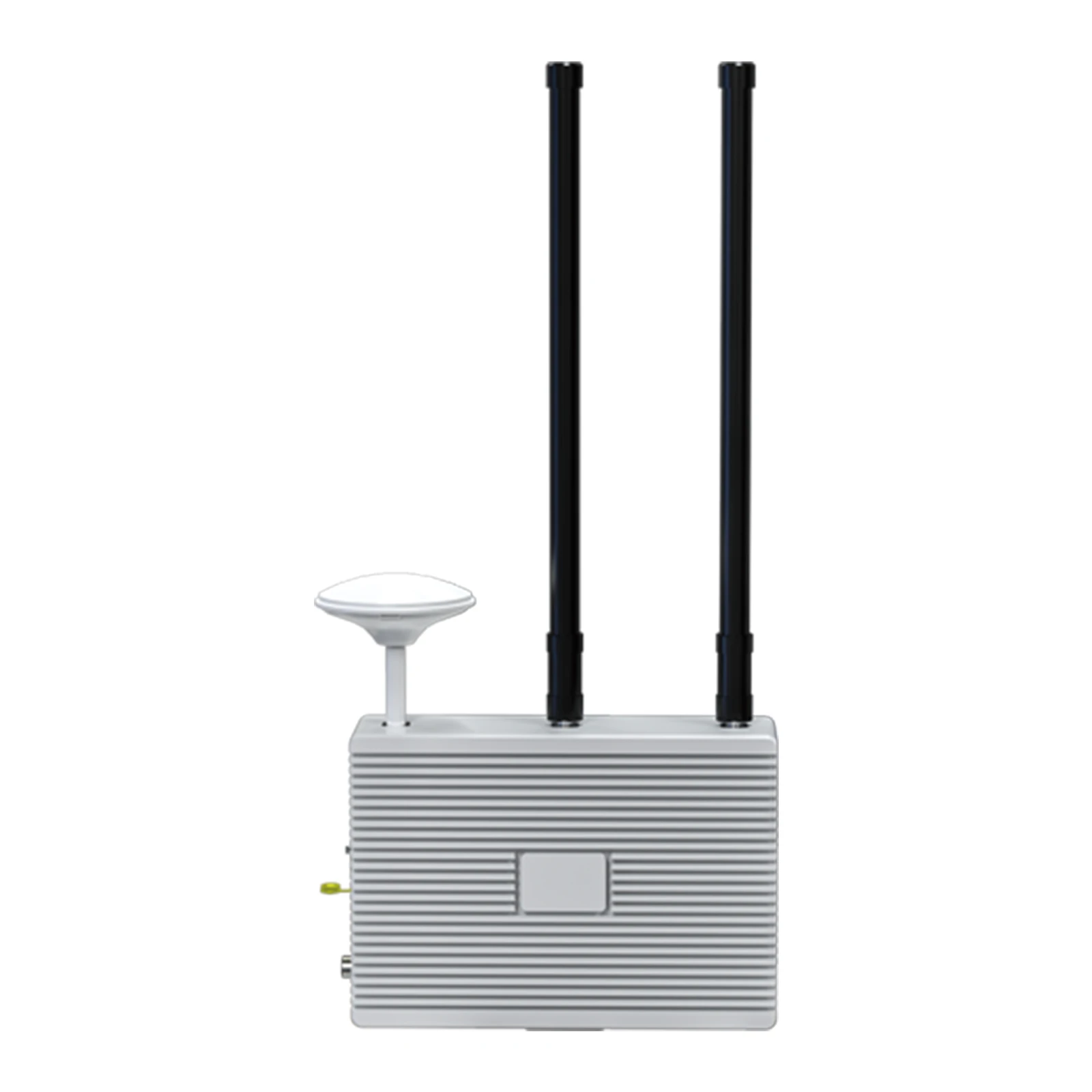
In the rapidly evolving landscape of wireless communication and radar systems, the demand for precision and reliability has never been higher. microwave modules serve as the critical building blocks for transmitting and receiving high-frequency signals with minimal loss. Whether it is for aerospace applications, satellite communications, or advanced drone telemetry, these components ensure that data is delivered swiftly and accurately across vast distances. Understanding the nuances of these modules is essential for engineers looking to optimize system performance and signal integrity in challenging electromagnetic environments.
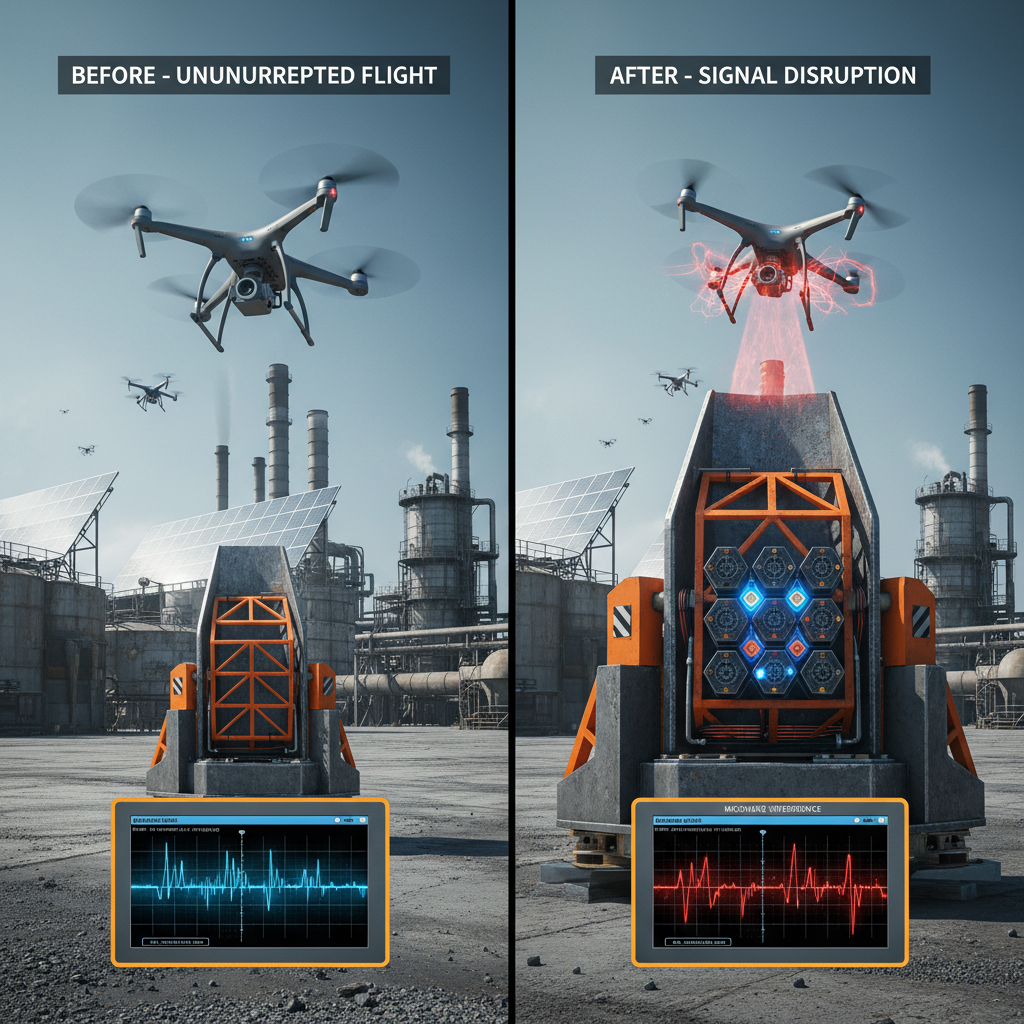
The Core Functionality of Microwave Modules
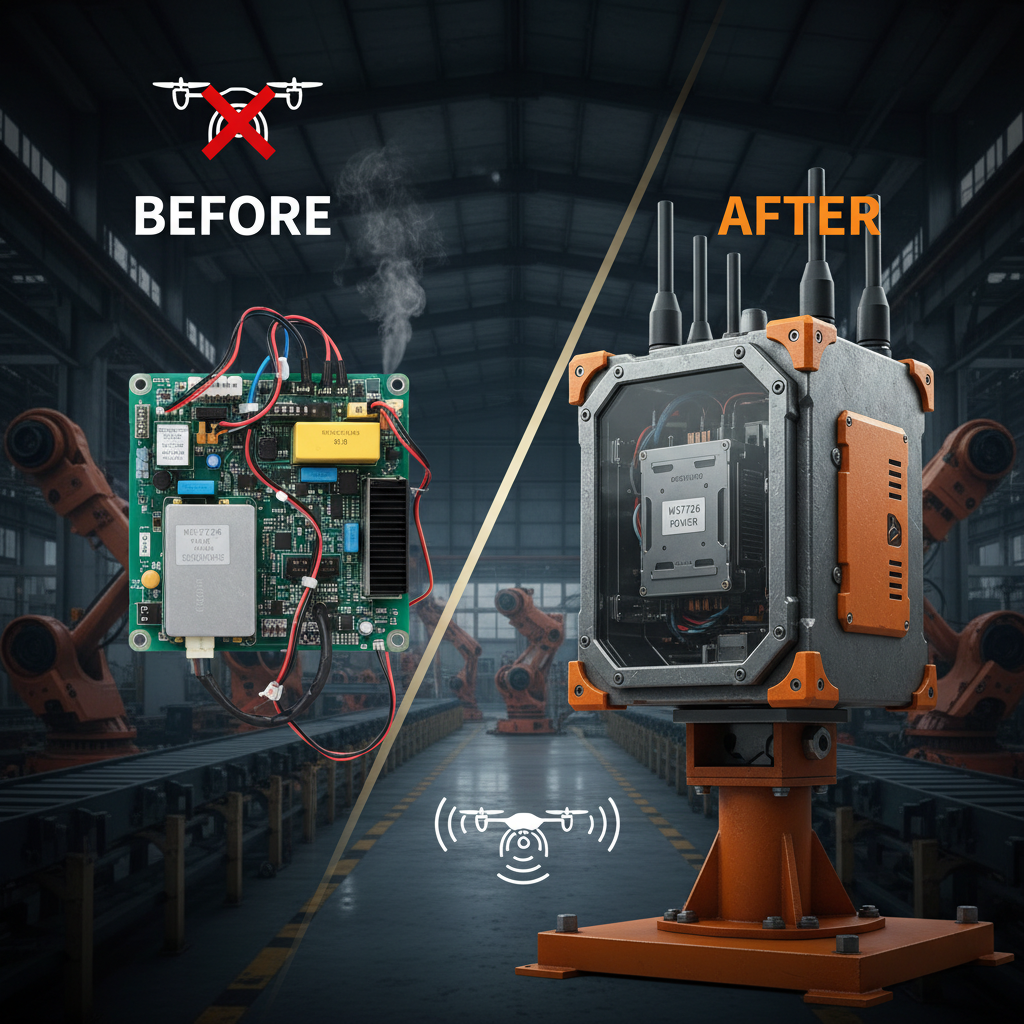
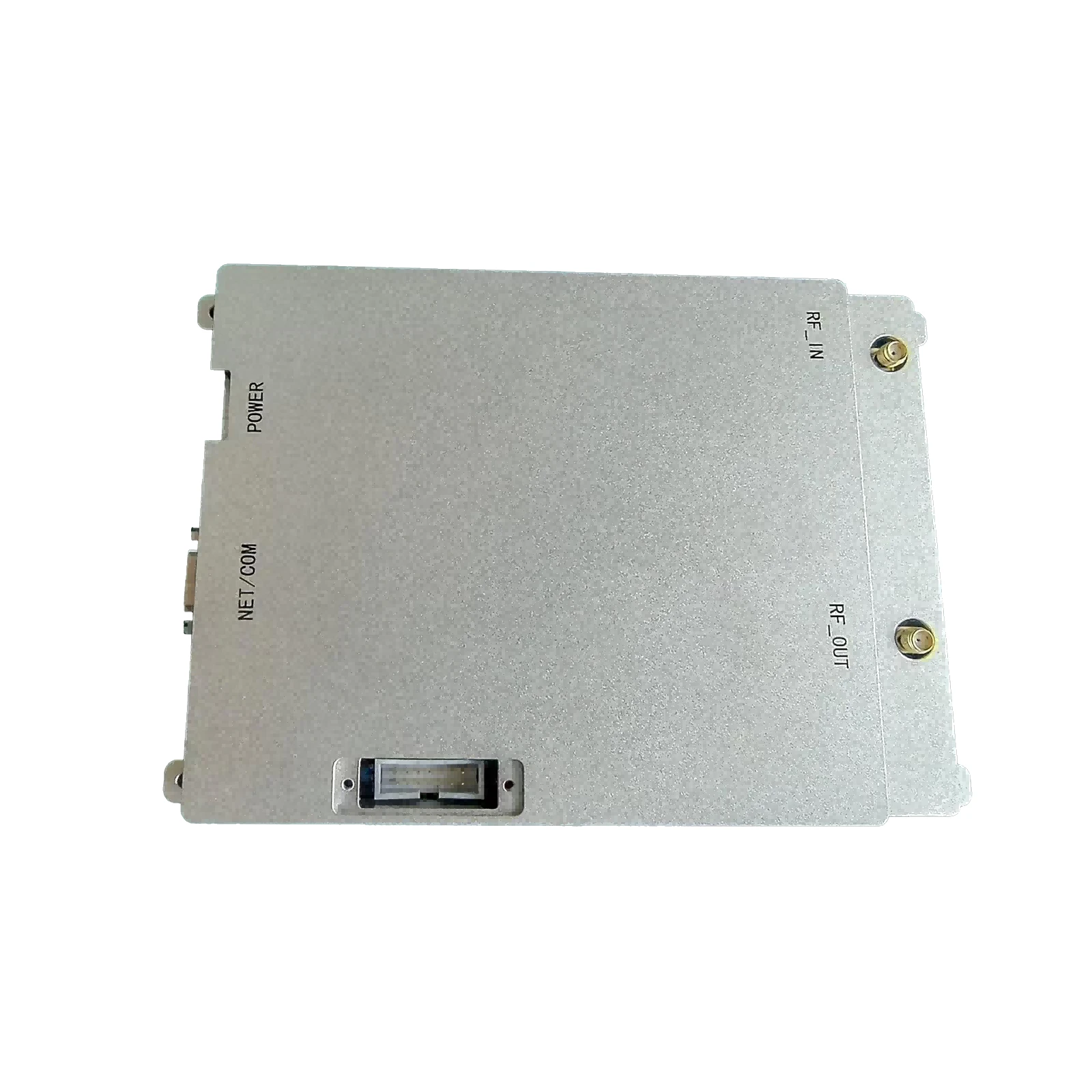
At their essence, microwave modules are integrated assemblies designed to manipulate electromagnetic waves. These modules typically include components such as filters, amplifiers, mixers, and oscillators, all condensed into a compact form factor to reduce parasitic inductance and capacitance. By integrating these elements, manufacturers can achieve superior phase stability and reduced signal noise, which are critical for high-bandwidth applications. The ability to isolate specific frequency bands allows these modules to operate in crowded spectrums without interference, making them indispensable for modern wireless infrastructure.
Key Technical Advantage: Integration reduces the need for extensive external cabling, which significantly lowers signal attenuation and minimizes the physical footprint of the overall system.
Types of Microwave Modules and Their Applications
Depending on the end-use case, different configurations of microwave modules are employed. For instance, Low Noise Amplifiers (LNAs) are used at the receiving end to boost weak signals without adding significant noise. Conversely, Power Amplifiers (PAs) are utilized to increase signal strength for long-range transmission. In the drone industry, these modules enable high-definition video feeds and real-time command-and-control links. The versatility of these components allows them to be deployed in everything from 5G base stations to sophisticated electronic warfare systems, ensuring seamless connectivity and operational reliability.
Common Use Cases:
• Satellite Uplinks: Managing high-frequency data transmission to orbit.
• Radar Systems: Detecting and tracking objects with millimeter precision.
• Drone Telemetry: Maintaining stable links between GCS and UAVs.
• Medical Imaging: Powering advanced diagnostic equipment.
Comparative Analysis of Microwave Modules Technologies
When selecting microwave modules, engineers often choose between different material technologies, such as Gallium Nitride (GaN) and Gallium Arsenide (GaAs). GaN has emerged as a powerhouse for high-power applications due to its superior thermal conductivity and power density. In contrast, GaAs remains a favorite for low-noise, low-power applications where sensitivity is more critical than raw power. The following table provides a clear comparison to help determine the best fit for specific operational requirements.
Optimizing Performance for Microwave Modules
Achieving peak efficiency from microwave modules requires careful attention to thermal management and impedance matching. Because these components often operate at high power levels in small spaces, heat dissipation is a primary concern. Implementing advanced heat sinks or liquid cooling systems can prevent thermal throttling and extend the lifespan of the module. Furthermore, precise impedance matching ensures that the maximum amount of power is transferred from the source to the load, minimizing signal reflections that could otherwise damage the circuitry or distort the transmitted data.
Technical Specifications of Modern Microwave Modules
When sourcing microwave modules, it is vital to evaluate the technical datasheet to ensure compatibility with your system architecture. Key parameters such as Gain, VSWR (Voltage Standing Wave Ratio), and P1dB (1dB Compression Point) dictate how the module will behave under load. High-quality modules maintain a linear response over a wider range of frequencies, which is essential for complex modulation schemes. Below is a generalized specification table for a high-performance industrial-grade microwave module.
Future Trends in Microwave Technology
The future of microwave modules is heading toward extreme miniaturization and the adoption of Software Defined Radio (SDR) architectures. By shifting more of the signal processing to the digital domain, these modules can become more flexible, allowing for real-time frequency hopping and adaptive beamforming. Furthermore, the integration of AI-driven tuning algorithms will allow modules to self-optimize based on environmental interference, drastically improving the quality of service (QoS) for high-speed data links. As we push into the millimeter-wave (mmWave) spectrum, the precision of these modules will be the deciding factor in the success of 6G and beyond.
Conclusion: Elevating Connectivity with Precision Engineering
Integrating high-performance microwave modules is a strategic necessity for any organization dealing with high-frequency wireless communication. From the choice of semiconductor materials to the implementation of strict thermal controls, every detail impacts the reliability of the signal. By leveraging advanced modules, companies can ensure their systems are future-proof, scalable, and capable of meeting the rigorous demands of modern aerospace and telecommunications standards. Invest in precision, and your connectivity will follow.
Frequently Asked Questions (FAQs)
What is the difference between a microwave module and a discrete microwave circuit?
A microwave module is an integrated assembly where multiple components like amplifiers, filters, and mixers are housed in a single shielded enclosure. This integration protects the signals from external interference and reduces the physical size of the system. Discrete circuits, on the other hand, consist of individual components connected via cables or PCB traces, which are more flexible for prototyping but more susceptible to signal loss and electromagnetic interference (EMI). Modules offer a "plug-and-play" advantage that significantly accelerates the deployment phase of complex electronic systems.
How does frequency affect the choice of microwave modules?
Frequency dictates everything from the material choice to the physical dimensions of the components. At lower microwave frequencies (e.g., 2.4 GHz), standard PCB materials and GaAs may suffice. However, as you move into the millimeter-wave range (30 GHz and above), signal attenuation increases drastically. This requires modules with higher gain and more precise machining to avoid leakage. The higher the frequency, the smaller the wavelength, meaning that even a tiny misalignment in the module's internal structure can lead to significant signal degradation, necessitating the use of high-precision microwave modules.
Can microwave modules be customized for specific drone applications?
Yes, customization is common in the UAV industry. Depending on whether the drone is intended for short-range surveillance or long-range mapping, the modules can be tuned for specific power outputs and frequency bands. For example, a drone requiring a 4K live video stream will need modules with wider bandwidths and higher stability to prevent frame drops. Customization often involves adjusting the filter slopes to remove noise from other onboard electronics or modifying the power amplifier to balance transmission distance with battery life, ensuring the drone remains efficient while maintaining a rock-solid link.
What is the impact of temperature on module performance?
Temperature has a direct impact on the gain and phase stability of microwave components. As temperature increases, the mobility of electrons in the semiconductor material changes, which can cause "gain drift." This means the signal might become weaker or stronger unexpectedly, leading to inconsistent communication. High-end modules incorporate temperature compensation circuits or are paired with active cooling solutions to maintain a constant operating temperature. Ensuring that your microwave modules are rated for the environmental extremes of your operating area (e.g., arctic or desert) is crucial for mission success.

-
 09 March 2021 09 Apr 2026
 -
 09 March 2021 07 Apr 2026
 -
 09 March 2021 04 Apr 2026
 -
 09 March 2021 31 Mar 2026
-
 09 March 2021 21 May 2025
 -
 09 March 2021 25 Dec 2024
 -
 09 March 2021 14 Oct 2022
-
 09 March 2021 25 Dec 2024
 English
  Arabic
  Belarusian
  Danish
  Dutch
Dutch  French
  German
  Greek
Greek  Japanese
  Korean
  Myanmar
  Polish
  Portuguese
  Russian
  Spanish
  Swedish
  Thai
Thai  Ukrainian
  Vietnamese