

Exploring the Core of 5G Technology The 5G Front End Module
Understanding the 5G Front End Module: A Comprehensive Guide
The demand for faster, more reliable wireless communication is driving rapid innovation in 5G technology. A crucial component enabling this is the 5G front end module. This article provides an in-depth look at what these modules are, how they function, their key components, applications, and the future trends shaping their development. As 5G networks expand globally, understanding the role of these modules becomes increasingly important for businesses and consumers alike. Drone System specializes in advanced RF solutions, including cutting-edge 5G front end modules.
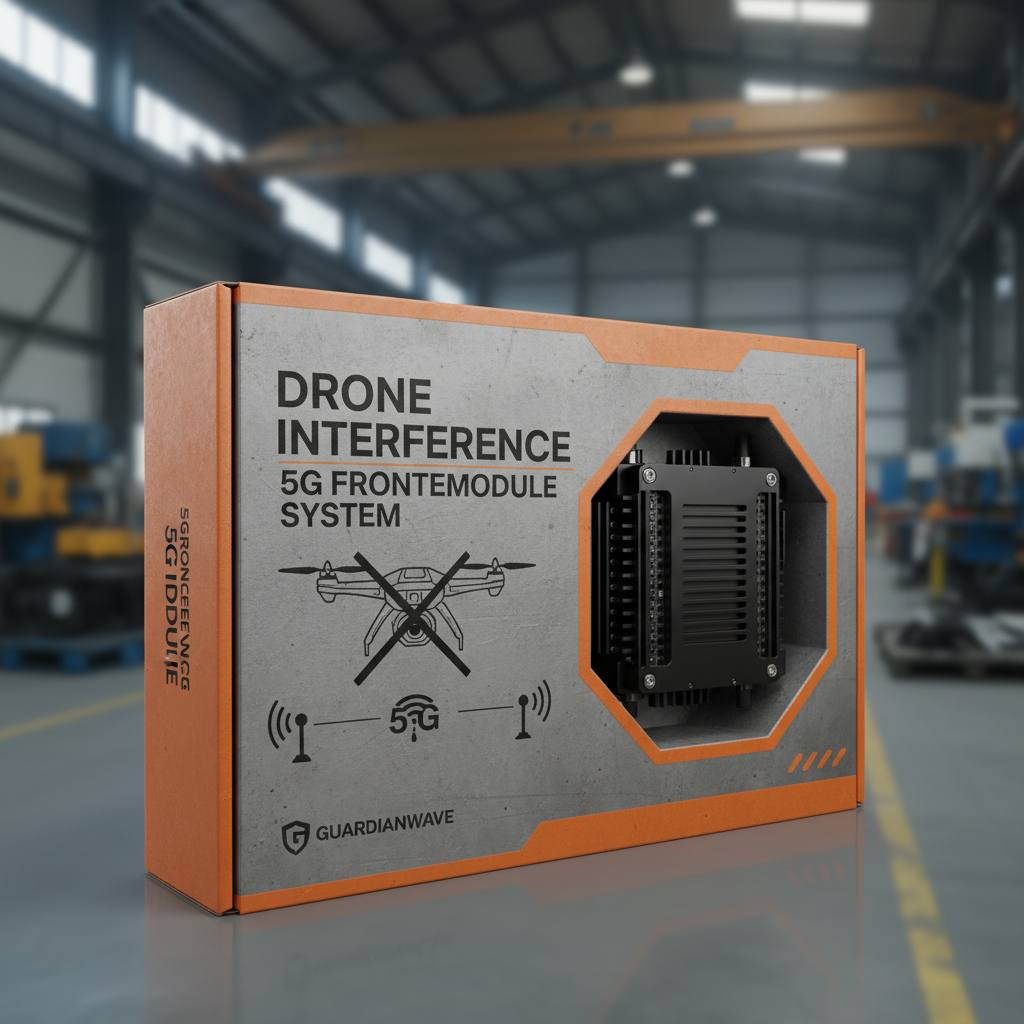
What is a 5G Front End Module?
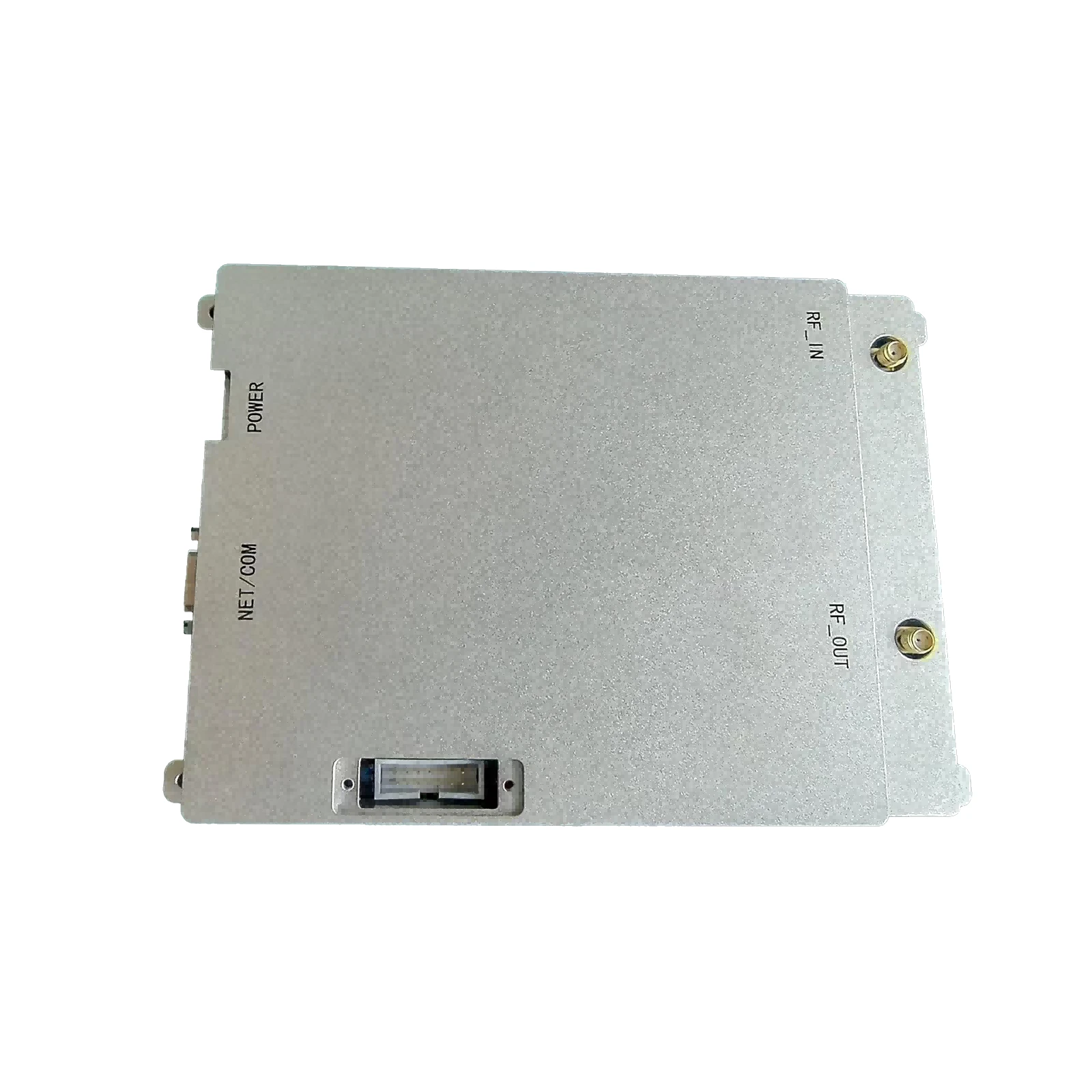
A 5G front end module (FEM) is a highly integrated component that sits between the baseband chipset and the antenna in a 5G device. Its primary function is to condition the radio frequency (RF) signals for transmission and reception. This involves filtering, amplifying, and switching signals to ensure optimal performance and efficiency. Modern 5G FEMs integrate multiple functions into a single package, reducing size, cost, and complexity. They're essential for handling the wide range of frequencies used in 5G networks, including sub-6 GHz and millimeter wave (mmWave) bands. Without efficient FEMs, achieving the promised speeds and reliability of 5G would be significantly more challenging.
Key Benefits: Reduced size and complexity, improved signal quality, enhanced power efficiency, support for multiple frequency bands, and lower overall cost.
Key Components of a 5G Front End Module
A typical 5G FEM comprises several key components working in synergy. These include Low-Noise Amplifiers (LNAs) to boost weak incoming signals, Power Amplifiers (PAs) to strengthen outgoing signals, filters to remove unwanted frequencies and noise, duplexers to allow simultaneous transmission and reception, and switches to direct signals to the correct path. More advanced modules may also incorporate impedance matching networks and antenna tuners for optimized performance. The integration of these components onto a single chip or module is a significant engineering achievement, demanding precise design and fabrication techniques. Drone System's 5G FEMs utilize state-of-the-art materials and processes to maximize performance and minimize losses.
5G Front End Module Performance Parameters
Evaluating the performance of a 5G FEM requires considering several critical parameters. These include gain (amplification strength), noise figure (amount of noise added to the signal), isolation (level of signal separation), return loss (signal reflected back), and power consumption. Higher gain and lower noise figure are generally desirable, while good isolation and low return loss are crucial for minimizing interference. Power consumption is a key concern, especially for mobile devices where battery life is paramount. These parameters are influenced by the materials used, the circuit design, and the manufacturing process.
Applications of 5G Front End Modules
The applications of 5G FEMs are vast and continue to expand. Key areas include smartphones, fixed wireless access (FWA) devices, IoT (Internet of Things) devices, automotive applications (connected cars), and industrial automation. In smartphones, FEMs enable faster download and upload speeds, improved video streaming, and enhanced gaming experiences. FWA provides broadband access to homes and businesses without the need for traditional cabling. IoT devices benefit from the low latency and high reliability of 5G networks. In automotive, FEMs are crucial for enabling vehicle-to-vehicle (V2V) and vehicle-to-infrastructure (V2I) communication.

Future Trends in 5G Front End Module Technology
The future of 5G FEMs is focused on several key trends. These include increased integration, the adoption of new materials like GaN (Gallium Nitride) for improved power efficiency, and the development of advanced beamforming techniques. Beamforming allows for targeted signal transmission, improving coverage and capacity. We’re also seeing a move towards more flexible and reconfigurable FEMs capable of supporting a wider range of frequencies and standards. Drone System is actively researching and developing these next-generation technologies to meet the evolving demands of the 5G ecosystem.
Conclusion: The Cornerstone of 5G Performance
The 5G front end module is a critical enabling technology for the success of 5G networks. Its ability to efficiently condition RF signals is essential for achieving the high speeds, low latency, and reliable connectivity that 5G promises. As 5G continues to roll out and new applications emerge, the demand for advanced FEMs will only increase. Investing in innovative and high-performance FEMs is crucial for staying ahead in the rapidly evolving world of wireless communication.
Frequently Asked Questions (FAQs)
What is the difference between a 5G FEM and a 4G FEM?
The primary difference lies in the frequency bands supported and the complexity of the signal processing. 5G FEMs must handle a much wider range of frequencies, including sub-6 GHz and millimeter wave, which requires more sophisticated filtering and amplification circuitry. 5G also utilizes advanced technologies like massive MIMO and beamforming, which demand more flexible and reconfigurable FEMs. 4G FEMs are optimized for lower frequency bands and simpler modulation schemes. The integration level in 5G FEMs is also generally higher, packing more functionality into a smaller package.
How does millimeter wave (mmWave) impact 5G FEM design?
Millimeter wave frequencies offer significantly higher bandwidth but also present unique challenges for FEM design. mmWave signals are more susceptible to atmospheric absorption and path loss, requiring higher gain and more efficient amplification. The smaller wavelengths necessitate more precise component tolerances and tighter integration. FEMs for mmWave applications often utilize advanced materials and fabrication techniques, such as silicon-on-insulator (SOI) and gallium nitride (GaN), to achieve optimal performance. Beamforming becomes even more critical at mmWave frequencies to overcome path loss and focus the signal energy.
What role does GaN play in 5G FEMs?
Gallium Nitride (GaN) is a wide-bandgap semiconductor material that offers several advantages over traditional silicon-based components in 5G FEMs. GaN transistors provide higher power efficiency, higher operating frequencies, and better thermal performance. This allows for the design of more compact and efficient power amplifiers, which are crucial for achieving high data rates in 5G networks. While GaN components are generally more expensive than silicon, their superior performance makes them increasingly attractive for demanding 5G applications, particularly in mmWave bands.

-
 09 March 2021 16 Apr 2026
 -
 09 March 2021 09 Apr 2026
 -
 09 March 2021 07 Apr 2026
 -
 09 March 2021 04 Apr 2026
 -
 09 March 2021 31 Mar 2026
-
 09 March 2021 21 May 2025
 -
 09 March 2021 25 Dec 2024
 -
 09 March 2021 14 Oct 2022
-
 09 March 2021 25 Dec 2024
 English
  Arabic
  Belarusian
  Danish
  Dutch
Dutch  French
  German
  Greek
Greek  Japanese
  Korean
  Myanmar
  Polish
  Portuguese
  Russian
  Spanish
  Swedish
  Thai
Thai  Ukrainian
  Vietnamese