

High-Performance cyrf6936 module Solutions for Bolivia

Empowering Bolivian industrial wireless connectivity with precision RF engineering and scalable cellular infrastructure.

High-Performance cyrf6936 module Solutions for Bolivia

Specialized wireless communication hardware designed to overcome the challenging geographical terrain of the Andes and the Amazon basin in Bolivia.

Wireless Infrastructure Landscape in Bolivia

Analyzing the current state of RF communication in the Bolivian market.

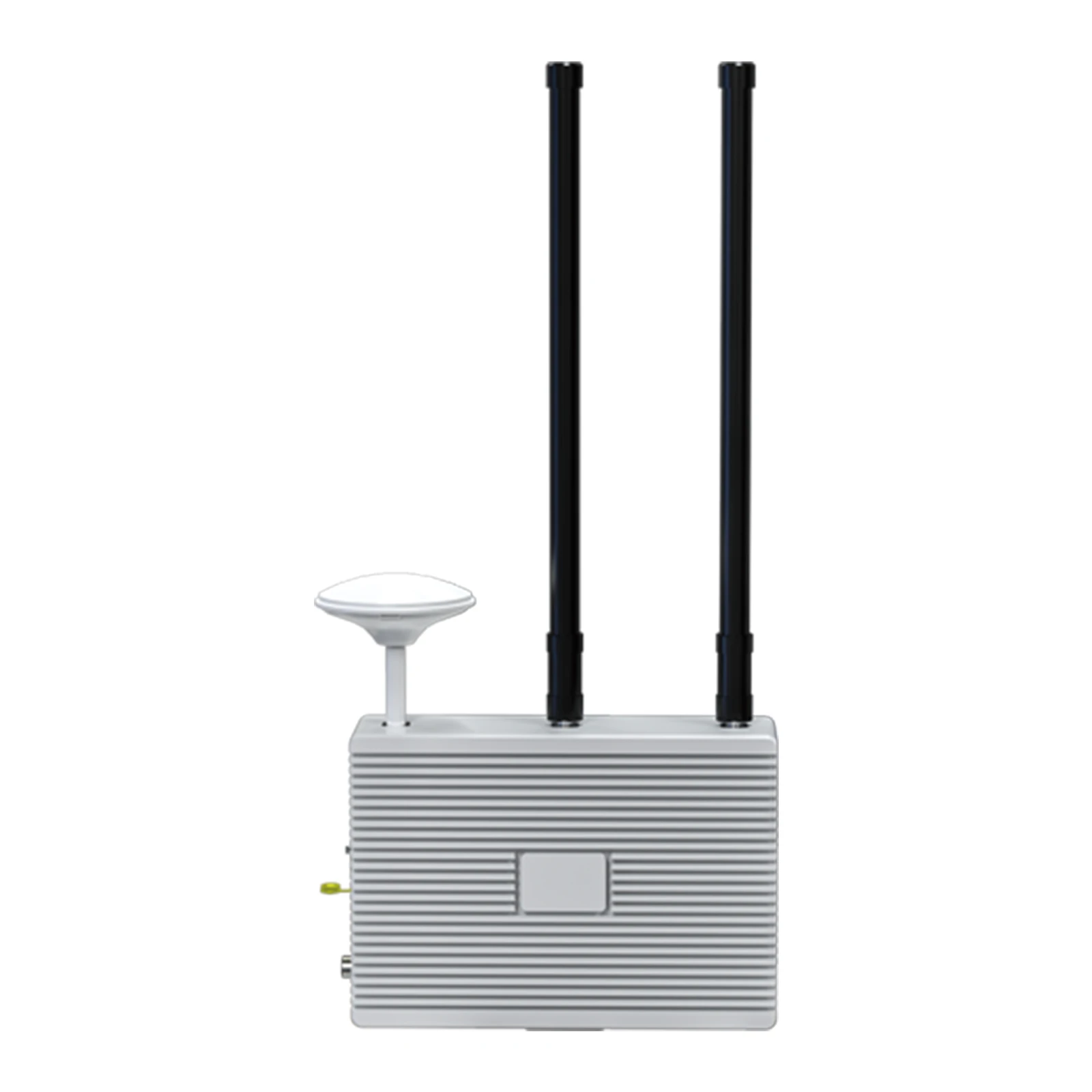
Bolivia's unique topography, spanning from high-altitude Altiplano plateaus to dense tropical lowlands, creates significant signal attenuation challenges. In these regions, the demand for a robust cellular transceiver module has spiked to bridge the digital divide in rural mining and agricultural sectors.

Local engineers frequently rely on a diy rf module approach to prototype low-cost monitoring systems for environmental protection in the Amazon. However, as industrialization accelerates, there is a critical shift toward professional-grade hardware that can withstand extreme temperature fluctuations and atmospheric pressure changes.

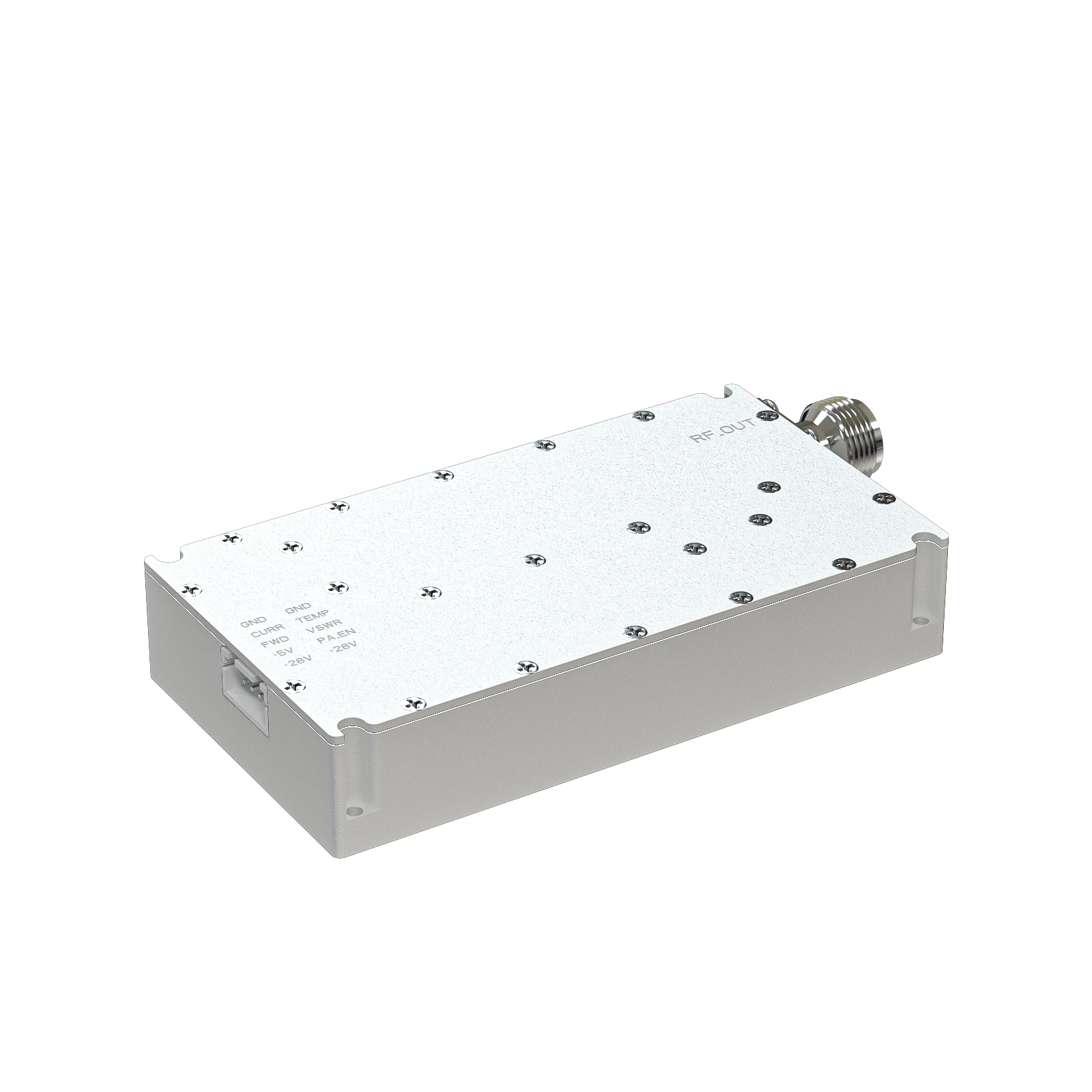
The current market is transitioning from basic point-to-point links to complex mesh networks. This evolution requires the integration of a high-reliability oem rf module to ensure consistent data transmission for government infrastructure and private enterprise across diverse altitudes.
Evolution of RF Technology in Bolivia

From analog legacy systems to software-defined wireless precision.

Market Development History

Between 2000 and 2010, Bolivia primarily utilized basic analog radio frequency systems for remote telemetry. These systems were limited by narrowband constraints and were highly susceptible to interference in urban centers like La Paz and Santa Cruz.

From 2011 to 2018, the introduction of the cc1120 module marked a turning point, allowing local developers to implement more stable Sub-GHz communication for smart metering and agricultural automation, increasing energy efficiency across the Altiplano.

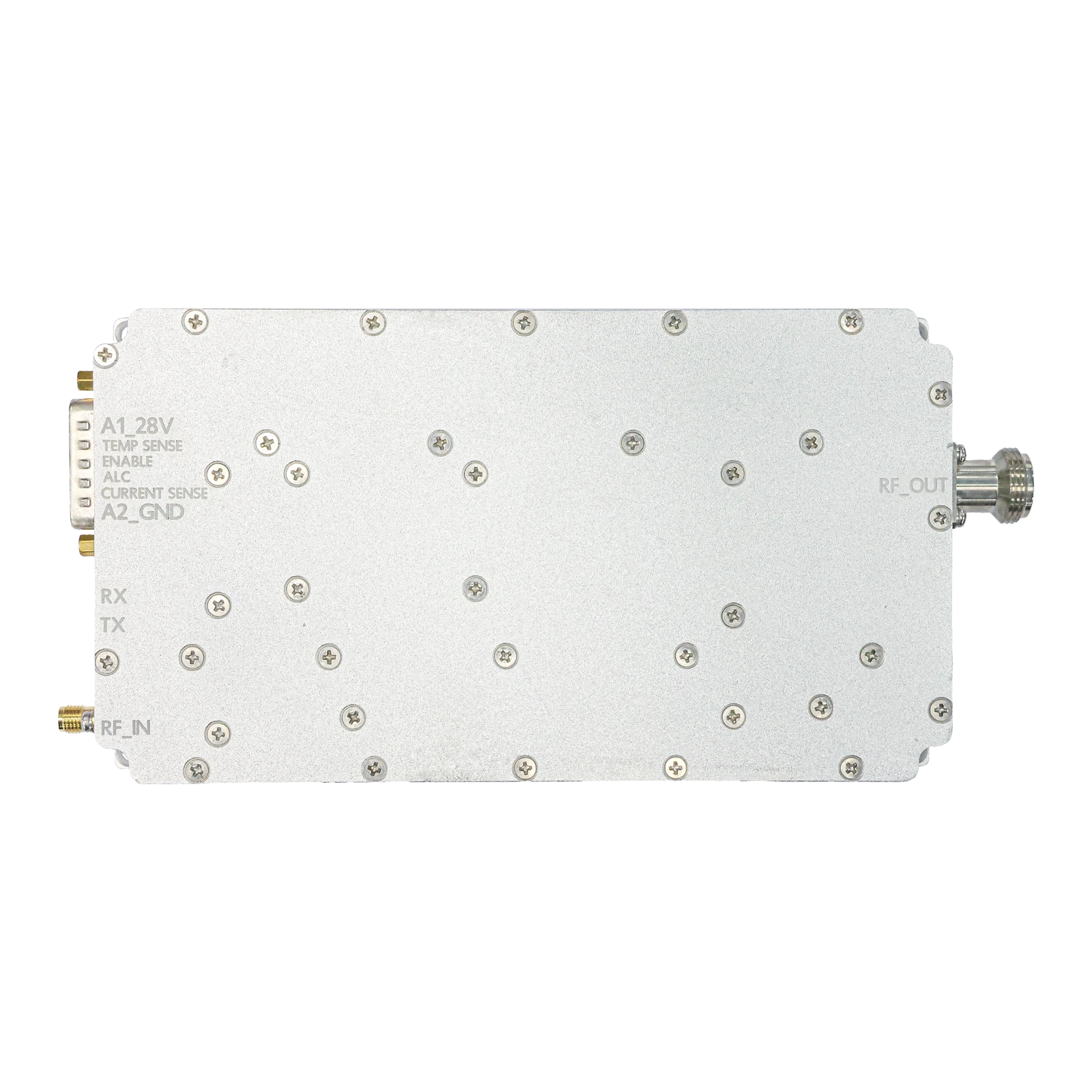
Since 2019, the focus has shifted toward integration and miniaturization. The adoption of advanced transceivers has enabled the deployment of wide-area networks (WAN) that integrate seamlessly with cellular backhauls, supporting the growth of the "Internet of Things" (IoT) in the mining industry.

Future Development Trends

Hyper-Local Mesh Networking

Increasing reliance on decentralized nodes to maintain connectivity in regions where traditional cellular towers are economically unfeasible.

Low-Power Wide-Area (LPWA) Optimization

Shift towards ultra-low power consumption modules to support battery-operated sensors in remote Andean weather stations.

AI-Driven Spectrum Management

Implementation of cognitive radio techniques to dynamically switch frequencies and avoid interference in crowded industrial zones.

Industry Trends and Future Outlook

Forecasting the next 3-5 years of wireless communication in South America.

LPWAN Expansion
Growth in long-range, low-power connectivity for rural asset tracking.
Industrial IoT Integration
Integrating RF modules with cloud analytics for real-time mining monitoring.
Miniaturization
Demand for smaller form-factor RF components in wearable industrial safety gear.
Spectrum Efficiency
Adoption of advanced modulation to increase data throughput in narrow bands.

Industry Outlook

Based on Google search trends for "industrial wireless" and "IoT connectivity" in the Latin American region, we predict a CAGR of 12% for specialized RF hardware in Bolivia. The primary driver is the modernization of the lithium mining sector, which requires high-precision remote sensing.

Furthermore, as the Bolivian government pushes for digital sovereignty, the demand for customizable OEM components will likely replace generic off-the-shelf solutions, favoring partners who provide deep technical integration support.

Bolivian Localized RF Application Scenarios

Real-world implementations of wireless technology in Bolivia's diverse sectors.

1. High-Altitude Mining Telemetry

Deploying RF modules to monitor structural integrity in Potosí mines, where signal penetration through rock is critical.

2. Amazon Rainforest Biodiversity Monitoring

Using low-power wireless nodes to track wildlife and detect illegal logging in real-time via satellite-linked gateways.

3. Altiplano Smart Agriculture

Implementing soil moisture and weather sensors in quinoa plantations, utilizing long-range RF for wide-area coverage.

4. Urban Traffic Management in La Paz

Developing wireless sensor networks to optimize the Teleférico integration and ground traffic flow in steep urban terrain.

5. Rural Health Clinic Connectivity

Establishing emergency communication links for remote health posts using ruggedized cellular transceivers.

Brand Story

Global Development Journey of Shenzhen Jajin Communication Co., Ltd.

Foundational Engineering

Started with a focus on solving the most basic signal stability issues in industrial environments through rigorous RF testing.

Product Diversification

Expanded the portfolio to include a wide range of transceivers, catering to both hobbyists and large-scale industrial OEMs.

Global Market Entry

Began exporting specialized wireless modules to South American markets, adapting hardware for extreme climates.

Innovation Leadership

Invested in R&D for software-defined radio, enabling our clients to update hardware functionality remotely.

Future Connectivity Mission

Committed to eradicating communication dead-zones in remote regions through accessible and robust RF technology.

Complete Wireless Product Portfolio for Bolivia

Comprehensive RF hardware solutions tailored for the Bolivian industrial landscape.

Frequently Asked Questions in Bolivia

Technical guidance and common inquiries regarding RF module deployment.

How does altitude affect the performance of a cc1120 module in Bolivia?

Altitude primarily affects the physical environment (temperature and pressure). While the radio waves themselves aren't affected by altitude, the hardware must be rated for wide temperature ranges to prevent frequency drift in the Altiplano.

Can I use a cellular transceiver module for remote mining data backhaul?

Yes, integrating a cellular transceiver as a gateway allows remote RF nodes to transmit data to a central server via the national cellular network, provided there is basic tower coverage.

What is the best cyrf6936 module configuration for dense forest areas?

For the Amazon region, we recommend using lower frequencies (Sub-GHz) and implementing a mesh network topology to bypass physical obstacles like dense foliage.

Is a diy rf module suitable for industrial-grade applications?

DIY modules are excellent for rapid prototyping and proof-of-concept. However, for mission-critical industrial deployments, we strongly recommend upgrading to an OEM-certified solution for better EMC compliance.

What are the benefits of choosing an oem rf module for Bolivian projects?

OEM modules provide standardized footprints, guaranteed quality control, and professional technical support, significantly reducing the time-to-market for local electronic products.

Which frequency bands are most effective for rural Bolivian connectivity?

Sub-GHz bands (typically 433MHz or 868/915MHz) are most effective as they offer superior penetration and longer range compared to 2.4GHz signals.

Get Expert RF Consultation

Ready to optimize your wireless infrastructure in Bolivia? Our engineering team is here to provide tailored solutions.

Contact Us Now

If you are interested in our products, you can choose to leave your information here, and we will be in touch with you shortly.


en_USEnglish