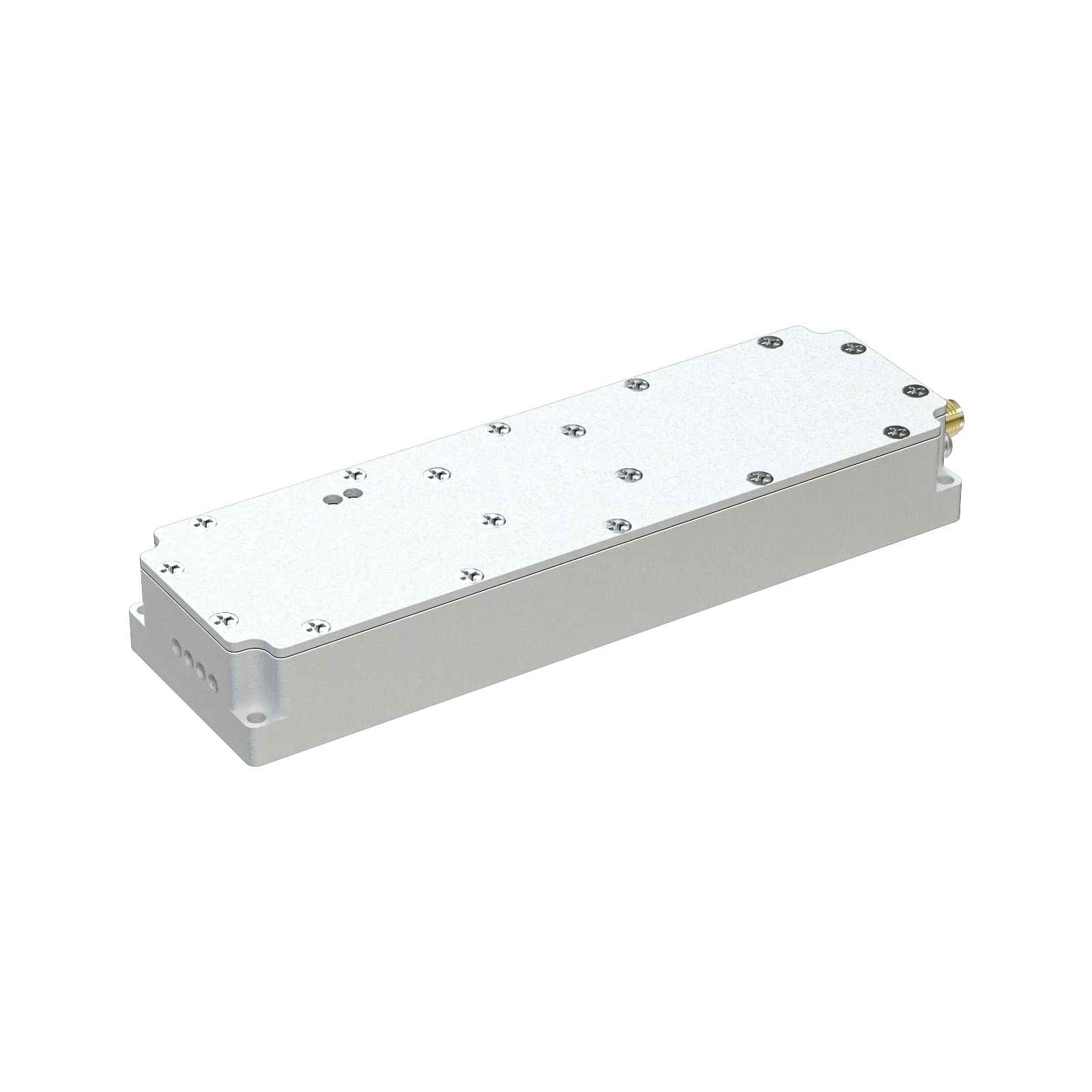
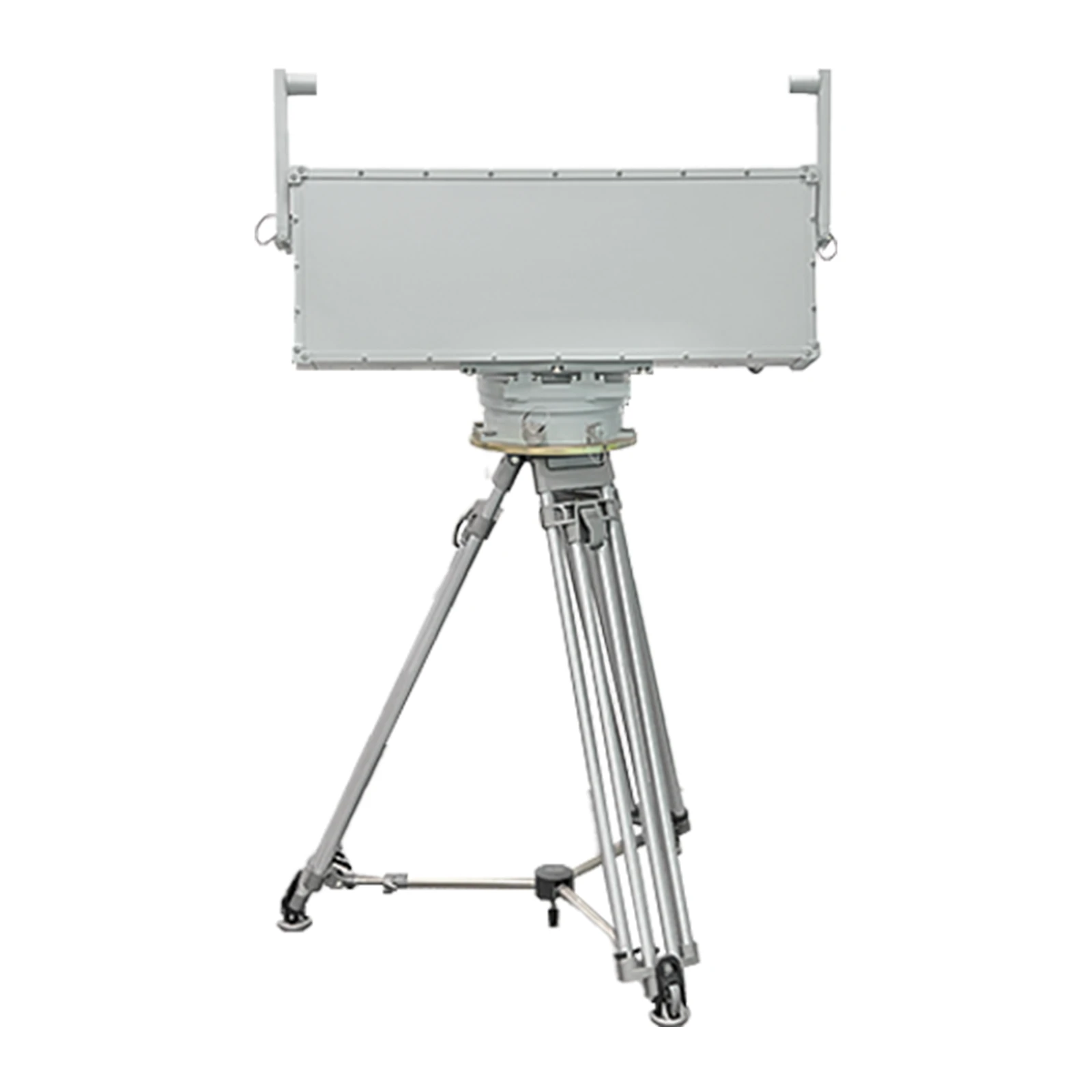
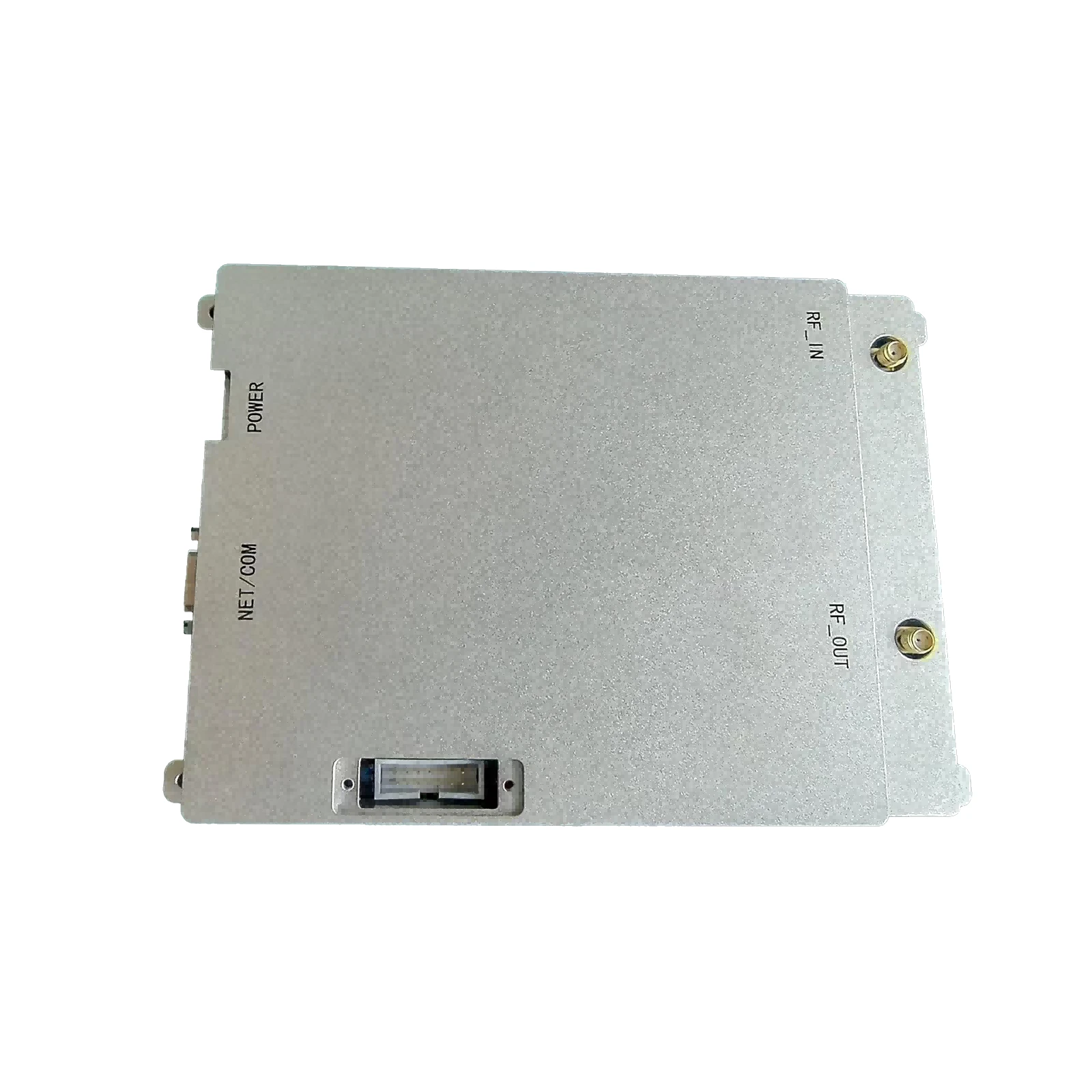

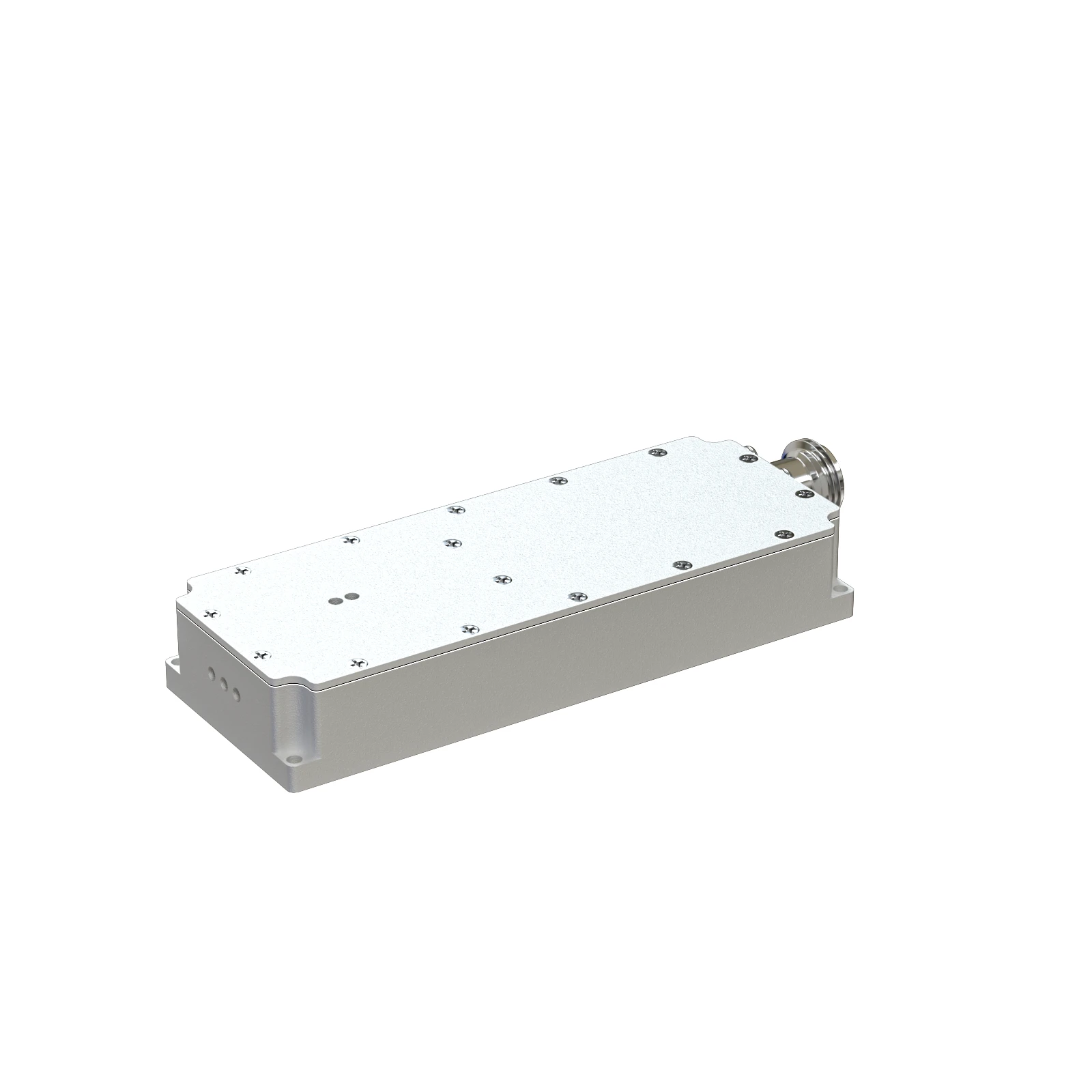
Industrial Connectivity Solutions with cyrf6936 module in Colombia

Empowering Colombian infrastructure with high-performance RF transceivers and secure wireless communication systems tailored for diverse terrains.

Industrial Connectivity Solutions with cyrf6936 module in Colombia

Providing cutting-edge wireless device manufacturing services and high-stability RF components to optimize data transmission across the Colombian Andean and coastal regions.

The State of RF Device Manufacturing in Colombia

Analyzing the integration of wireless communication equipment within South America's growing tech hub.

Colombia's wireless landscape is uniquely shaped by its complex geography, where the Andean mountains create significant signal attenuation challenges. This has led to a surge in demand for a robust cellular transceiver module capable of maintaining long-range stability in remote agricultural and mining zones.

Economically, the shift toward "Industry 4.0" in cities like Bogotá and Medellín is driving the adoption of specialized hardware. Local engineers are increasingly utilizing the cc1120 module to build low-power wide-area networks (LPWAN) that reduce operational costs for smart city initiatives.

Furthermore, the growth of the Colombian maker movement has popularized the use of the diy rf module, bridging the gap between academic research and commercial prototypes in the field of information transmission and software services.
Evolution of Wireless Communication in Colombia

From legacy analog systems to the era of high-precision OEM RF integration.

Market Development History

In the early 2000s, Colombia relied heavily on basic VHF/UHF analog systems for industrial telemetry. These systems lacked the security and efficiency required for modern software-driven information services, leading to frequent signal interference in urban areas.

By 2010-2015, the market transitioned toward digital modulation. The introduction of the oem rf module allowed local companies to integrate wireless capabilities directly into industrial machinery without designing complex PCBs from scratch.

Since 2018, the focus has shifted toward energy-efficient, multi-band transceivers. This technical iteration has enabled the deployment of massive sensor networks in the coffee-growing regions, where power consumption is a critical constraint.

Future Development Trends

AI-Driven Signal Optimization

Integration of machine learning algorithms within the firmware of transceiver modules to dynamically adjust frequencies based on Colombian atmospheric conditions.

Hyper-Localized Mesh Networking

Moving away from centralized towers toward decentralized mesh architectures to ensure connectivity in the deep Amazonian rainforests.

Industrial IoT Standardization

A shift toward unified protocols that allow diverse RF modules to communicate seamlessly across different software service platforms.

Industry Trends and Future Outlook

Predicting the trajectory of wireless communication and electronic device manufacturing.

Ultra-Low Power Consumption
Driven by Google search trends for "green IoT," future modules will prioritize nano-ampere sleep modes for long-term deployment.
Edge Computing Integration
Moving data processing from the cloud to the RF module level to reduce latency in critical Colombian infrastructure.
Enhanced Spectrum Agility
Development of modules that can automatically switch bands to avoid congestion in dense urban centers like Bogotá.
Software-Defined Radio (SDR)
The shift toward modules where hardware functionality can be updated via software, reducing the need for physical replacements.

Industry Outlook

Over the next 3-5 years, the Colombian market for wireless communication equipment is expected to grow by 15% CAGR. This growth is fueled by the integration of IoT in the agricultural sector (AgriTech), specifically for monitoring soil moisture and crop health in the Eje Cafetero.

Furthermore, the demand for high-reliability oem rf module solutions will increase as the nation invests in smart grid infrastructure to modernize energy distribution across its diverse provinces.

Localized Application Scenarios in Colombia

Practical implementations of RF technology solving regional challenges.

1. Coffee Plantation Remote Monitoring

Using the cc1120 module to create low-power sensor networks that transmit soil pH and humidity data from steep Andean slopes to a central hub.

2. Urban Parking Management in Bogotá

Implementing high-frequency transceivers to manage real-time parking availability in dense urban centers, utilizing high-speed data transmission for immediate software updates.

3. Industrial Mining Telemetry in Antioquia

Deploying a robust cellular transceiver module to monitor structural integrity and equipment health in deep-pit mines where traditional Wi-Fi fails.

4. Custom Drone Control for Environmental Surveying

Utilizing a diy rf module to build specialized long-range control links for drones monitoring deforestation in the Amazon basin.

5. Smart Metering for Rural Electrification

Integrating the cyrf6936 module into electric meters to enable automatic reading and billing in remote Colombian villages.

Brand Story

Global Development Journey of Shenzhen JIAJIN Communication Co., Ltd.

Foundation and Vision

Established with a mission to solve the "last mile" connectivity problem in industrial wireless communication, focusing on stability and efficiency.

Technical Breakthroughs

Perfected the integration of multi-band transceivers, enabling seamless transitions between different RF standards for global compatibility.

Market Expansion

Expanded operations into South America, adapting hardware to meet the rugged environmental demands of the Colombian and Brazilian markets.

Certification Excellence

Achieved international quality standards, ensuring that every OEM module produced meets stringent global electromagnetic compatibility requirements.

Future Commitment

Dedicated to pioneering sustainable, AI-enhanced wireless modules that drive the digital transformation of global industries.

Colombian Wireless Module FAQ

Technical answers for engineers and procurement managers in Colombia.

How does the cc1120 module perform in high-humidity environments?

The module is designed with high-grade components that maintain frequency stability even in humid tropical climates, provided the final assembly is correctly encapsulated.

Can a cellular transceiver module be integrated into existing Colombian legacy grids?

Yes, our modules support multiple protocols, allowing them to act as a gateway between old analog systems and modern cloud-based software services.

What is the typical lead time for a custom oem rf module order?

Standard OEM customization typically takes 2-4 weeks depending on the complexity of the firmware and hardware modifications required for the specific application.

Is the cyrf6936 module compatible with local Colombian frequency regulations?

Our modules are wide-band and programmable, allowing you to configure them to strictly adhere to the frequency allocations set by the Colombian government.

Where can I find documentation for a diy rf module project?

We provide comprehensive datasheets and integration guides for all our DIY-friendly modules to assist local makers and university researchers.

Do you provide support for information transmission software integration?

Absolutely. We offer technical support to ensure our hardware integrates perfectly with your software stack, ensuring maximum data throughput.

Get Expert RF Consultation

Ready to optimize your wireless infrastructure in Colombia? Our engineers are here to help you select the perfect module for your specific environment.

Contact Us Now

If you are interested in our products, you can choose to leave your information here, and we will be in touch with you shortly.


en_USEnglish